

Screws

Pay in 3 interest-free payments on purchases from £20-£3000 with  . Learn more.
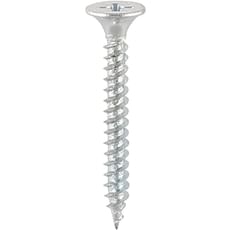
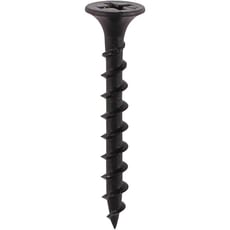
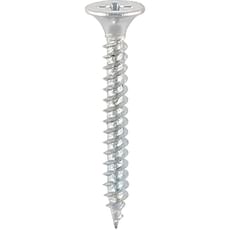
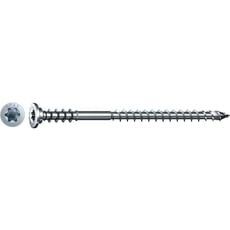
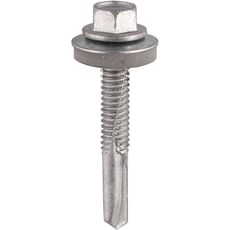
 Loading...
End of content
Error - No more pages to load
About Screws
Screws are among the most versatile and essential fasteners used across construction, joinery, metalwork, and countless DIY applications. Unlike nails that rely on friction alone, screws create a mechanical connection through their threaded shaft, providing superior holding power and the ability to be removed and refitted when needed. From fixing plasterboard to structural timber connections, assembling machinery to building decking, the right screw makes all the difference to the strength, longevity, and professional finish of any project.
Tooled-Up.com stocks an extensive selection of screws designed for every material and application imaginable. The range spans traditional wood screws and self-tapping metal fasteners through to specialist concrete screws, collated screws for power tools, and multi-purpose screws that work across various substrates. Different head types—countersunk, round, pan, hex, and socket cap—offer specific advantages for flush finishing, load distribution, or tamper resistance, whilst drive types from slotted and Phillips through to Pozidriv, Torx, and square drive affect both installation efficiency and breakout resistance.
Modern screw technology has evolved considerably, with innovations like self-drilling points that eliminate pilot holes, twin-thread designs for faster installation, anti-splitting geometries for working near timber edges, and specialist coatings offering corrosion resistance for exterior or marine environments. Whether fixing a single shelf bracket or undertaking a major construction project, understanding screw types, materials, and specifications ensures the job is completed safely, efficiently, and to professional standards.
Jargon Buster
- Thread Pitch: The distance between adjacent threads on the screw shaft. Coarse threads provide better grip in soft materials like timber, whilst fine threads suit harder materials and offer greater holding strength in thin sections.
- Shank: The smooth, unthreaded portion of the screw beneath the head. A longer shank allows the screw to pull two pieces tightly together without the threads binding in the first piece.
- Countersunk Head: A conical head designed to sit flush with or below the material surface when driven home, creating a smooth finish ideal for joinery and cabinetwork.
- Gauge: The diameter measurement of the screw shaft, typically ranging from gauge 4 (approximately 3mm) through to gauge 14 (approximately 6.3mm) for general purpose screws, with larger sizes available for structural applications.
- Self-Tapping: Screws that cut their own thread as they're driven, eliminating the need for pre-tapped holes in softer metals, plastics, and composite materials.
- Drive Type: The recess or external shape that accepts the driving tool. Common types include Pozidriv (cross-head with additional radial lines), Torx (six-point star offering excellent torque transfer), and square drive (Robertson) popular in North America and increasingly used in the UK.
Who Uses Screws?
Screws are fundamental fasteners used across virtually every trade and industry:
- Carpenters and Joiners: For timber framing, cabinetmaking, door hanging, and general woodworking applications
- Builders and Construction Workers: Structural connections, plasterboard fixing, and general site assembly work
- Electricians: Mounting switch gear, fixing cable trays, and securing electrical enclosures
- Plumbers and Heating Engineers: Securing pipe brackets, fixing radiators, and mounting boilers
- Roofers and Cladding Specialists: Fixing metal roofing sheets, securing battens, and installing fascias
- Decking and Fencing Contractors: Assembling outdoor structures with corrosion-resistant fixings
- Shop Fitters and Shopfronts: Retail fixture installation and display assembly
- Maintenance Engineers: Equipment servicing, machinery assembly, and general repairs
- DIY Enthusiasts and Homeowners: Home improvements, furniture assembly, and general household repairs
How to Choose the Right Screws
Selecting appropriate screws requires consideration of several critical factors:
Material Compatibility: Match the screw type to your substrate. Wood screws feature coarse threads and tapered shanks for timber; self-tappers suit metal and plastic; concrete screws have hardened threads for masonry; and machine screws require pre-tapped holes or nuts for metal assemblies.
Length and Gauge: The screw should penetrate at least two-thirds of the way into the receiving material for adequate holding power. Gauge selection depends on the load and material thickness—heavier applications require larger diameter screws.
Head Type and Finish: Countersunk heads sit flush for smooth surfaces; round and pan heads remain proud and distribute loads across washers; hex heads accept spanners for high-torque applications. Consider whether the head needs to be concealed with screw caps or painted over.
Corrosion Resistance: External applications, damp environments, and coastal locations demand appropriate protection. Zinc-plated screws offer basic protection; stainless steel (A2 or A4 grade) provides superior corrosion resistance; specialist coatings like ceramic or polymer suit extreme environments.
Drive System: Pozidriv remains the UK standard for general applications, but Torx drives offer better bit engagement and reduced cam-out under power driving, whilst square drives provide excellent grip for structural screws. The selection available at Tooled-Up includes all common drive types.
Installation Method: Hand driving suits occasional use and small quantities; cordless drill/drivers handle moderate volumes; collated screws fed through auto-feed systems dramatically increase productivity on large projects like decking or plasterboarding.
Popular Accessories
- Screwdriver Bits: Quality bits in matching drive types (Pozidriv, Phillips, Torx, hex) prevent cam-out and damaged screw heads
- Bit Holders and Extensions: Magnetic holders, quick-release chucks, and extension bars improve access in confined spaces
- Drill Bits: Pilot hole drills, countersink bits, and combination drill-countersinks for professional finishing
- Screw Guides and Jigs: Ensure accurate alignment and perpendicular driving, particularly for pocket hole joinery
- Depth Stops and Bit Limiters: Prevent over-driving in delicate materials like plasterboard
- Automatic Feed Systems: Collated screw attachments for drills dramatically increase installation speed
- Lubricants and Wax: Ease driving in hardwoods and reduce friction and splitting
- Wall Plugs and Anchors: Essential for fixing into masonry, concrete, and hollow walls
- Assorted Storage Cases: Organisers keep different screw types separated and easily accessible
Frequently Asked Questions
What's the difference between wood screws and multi-purpose screws?
Traditional wood screws have a tapered shaft and single-thread design optimised specifically for timber. Multi-purpose screws feature twin-thread designs and can work effectively across timber, chipboard, MDF, plastics, and even light metal, making them more versatile for mixed-material applications. They often include features like self-countersinking heads and anti-split tips.
Do I always need to drill pilot holes?
It depends on the screw type, material, and proximity to edges. Modern screws with self-drilling points or cutting threads often eliminate pilot holes in soft materials. However, pilot holes remain advisable when working near timber edges to prevent splitting, in hardwoods where driving resistance is high, or when precise positioning is critical. Pilot holes should be slightly narrower than the screw's core diameter.
What does the gauge number mean?
Gauge indicates the shaft diameter of the screw. Common gauges range from 4 (approximately 3mm) to 14 (approximately 6.3mm). Higher gauge numbers mean thicker screws with greater strength but requiring more driving force. Gauge selection depends on material thickness and load requirements—thicker materials and heavier loads require higher gauge screws.
Can I use interior screws outside?
Standard zinc-plated screws offer limited corrosion resistance and will rust relatively quickly in exterior conditions, particularly in damp or coastal environments. Exterior applications require screws with appropriate corrosion protection—look for stainless steel (A2 grade minimum, A4 for marine environments), ceramic-coated, or specialist exterior-rated screws. Using inappropriate fixings externally can lead to structural failure as the screws corrode.
Why do my screw heads keep stripping?
Stripped screw heads typically result from several factors: using worn or incorrect driver bits, insufficient downward pressure during driving, over-tightening beyond the screw's torque capacity, or poor-quality screws with shallow recesses. Ensure you're using the correct drive type (Pozidriv vs Phillips, for example), apply firm downward pressure, replace worn bits regularly, and consider upgrading to Torx-drive screws which offer superior resistance to cam-out.