

Specialist Paints
Pay in 3 interest-free payments on purchases from £30-2000 with  . Learn more.
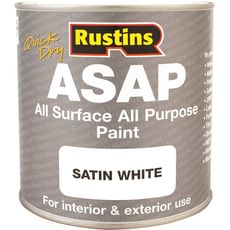
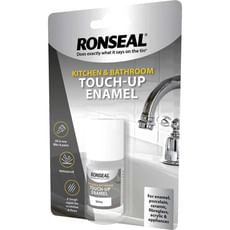
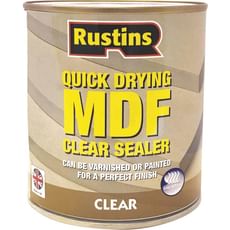
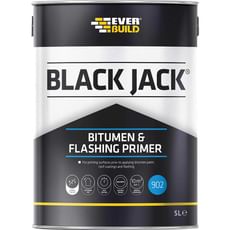
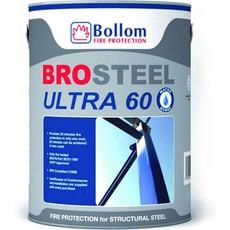
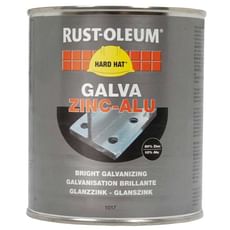
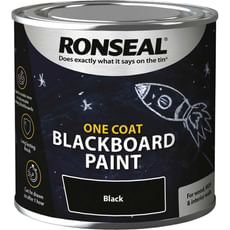

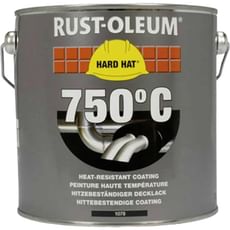

 Loading...
End of content
Error - No more pages to load
About Specialist Paints
Specialist paints are formulated to tackle specific challenges that standard decorative paints simply cannot handle. From fire-resistant intumescent coatings and anti-condensation solutions to bitumen products for waterproofing and reflective paints for energy efficiency, these advanced formulations are designed for demanding applications across construction, renovation, and maintenance projects. Whether you're protecting structural timber from fire spread, preventing mould growth in damp environments, or creating a functional chalkboard surface, specialist paints deliver targeted performance where conventional products would fail.
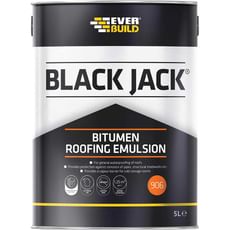
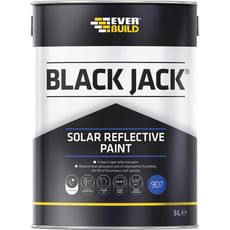
The range at Tooled-Up.com encompasses protective coatings like bitumen paint for roofing and foundation work, intumescent fire paints that expand when exposed to heat to protect steel and timber structures, and anti-mould formulations for problem areas prone to dampness. You'll also find functional finishes such as radiator enamel that withstands high temperatures without yellowing, solar reflective coatings to reduce heat absorption on flat roofs, and crack-free ceiling paint that flexes with natural building movement. Leading brands including Rust Oleum, Ronseal, Everbuild, Bollom, and Rustins provide professional-grade solutions backed by rigorous testing and certification.
These products are essential for compliance with building regulations, particularly fire safety standards, and for solving persistent problems like condensation, mould, and structural protection. Many specialist paints are designed to meet specific British Standards and HSE requirements, making them indispensable for commercial projects, social housing maintenance, and renovation work where performance and longevity are paramount.
Jargon Buster
- Intumescent Paint: A fire-resistant coating that swells and chars when exposed to heat, creating an insulating barrier that protects structural materials like steel and timber from fire damage. Rated by time protection (30, 60, or 90 minutes).
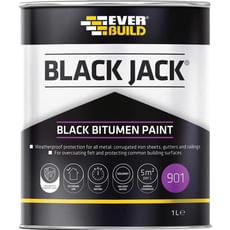
- Bitumen Paint: A tar-based waterproofing coating used on foundations, roofs, gutters, and below-ground structures. Provides excellent moisture barrier properties and corrosion protection.
- Anti-Condensation Paint: Contains insulating microspheres or additives that warm surface temperature to reduce condensation formation. Particularly useful in bathrooms, kitchens, and poorly ventilated spaces.
- Solar Reflective Paint: A specialised coating with high reflectivity that bounces sunlight away, reducing heat absorption on flat roofs and metal structures. Can significantly lower internal temperatures and extend roof membrane life.
- Flashing Primer: A preparatory coating for bituminous products that improves adhesion to difficult surfaces like metal flashings, tiles, and existing weathered coatings.
- DFT (Dry Film Thickness): The thickness of paint film after drying, measured in microns. Critical for ensuring fire protection and waterproofing coatings meet specification requirements.
Who Uses Specialist Paints?
- Fire Protection Specialists: Applying intumescent coatings to structural steelwork and timber in commercial buildings to meet Part B Building Regulations
- Roofers: Using bitumen paints, primers, and solar reflective coatings for flat roof maintenance, repairs, and weatherproofing
- General Builders and Decorators: Addressing specific problems like mould, condensation, and ceiling cracks during refurbishment projects
- Property Maintenance Teams: Managing condensation and mould issues in social housing, rental properties, and commercial premises
- Plumbers and Heating Engineers: Finishing radiators and pipework with specialist high-temperature enamel paints
- Facility Managers: Maintaining building compliance and addressing recurring problems in schools, hospitals, and public buildings
- DIY Enthusiasts: Tackling specific household issues like bathroom mould, garden furniture protection, or creating chalkboard surfaces
- Shop Fitters and Interior Designers: Creating functional surfaces like chalkboard paint for retail and hospitality environments
How to Choose the Right Specialist Paints
Identify Your Specific Problem: Specialist paints are solution-focused, so clearly define what you're trying to achieve. Is it fire protection, waterproofing, mould prevention, or heat resistance? This determines which product category you need.
Check Certification and Standards: For fire protection products, verify the fire rating (30, 60, or 90 minutes) and ensure compliance with relevant British Standards. Building control may require certification documentation, particularly for intumescent coatings on structural elements.
Consider the Substrate: Different specialist paints are formulated for specific materials. Intumescent paints for steel differ from those for timber. Bitumen products work on masonry and metal but may not be suitable for all plastics. Always check manufacturer compatibility guidance.
Calculate Coverage Requirements: Specialist paints often require specific dry film thickness (DFT) to perform correctly. This affects coverage rates significantly – intumescent coatings may achieve only 2-4m² per litre compared to 12-14m² for standard paint. Factor this into quantity calculations.
Environmental Conditions: Consider the application environment – internal or external, temperature range, exposure to UV, moisture levels, and ventilation. Anti-condensation paint needs adequate airflow to function properly, while some bitumen products shouldn't be applied in cold or wet conditions.
Application Method: Some specialist paints are brush-only, while others can be sprayed. Professional intumescent application often requires spray equipment for even film thickness. Check you have the appropriate tools before purchasing.
Preparation Requirements: Many specialist coatings demand thorough surface preparation and specific primers. Budget time and materials for proper prep work to ensure product performance.
Popular Accessories
- Paint Brushes and Rollers: Synthetic brushes for water-based formulations and solvent-resistant brushes for bitumen products
- Paint Sprayers: HVLP or airless spray equipment from Wagner, Graco, or Earlex for large-scale intumescent application
- DFT Gauges: Wet and dry film thickness gauges for ensuring fire protection coatings meet specification requirements
- Surface Preparation Tools: Wire brushes, scrapers, and abrasive pads for cleaning and keying surfaces
- Primers and Sealers: Compatible base coats and flashing primers to ensure proper adhesion
- Measuring Equipment: Laser measures and calculators for accurate coverage estimation
- Protective Equipment: Respirators, gloves, and coveralls when working with solvent-based bitumen products
- Cleaning Solvents: Appropriate thinners and cleaners for equipment maintenance
- Masking Materials: Tape, sheeting, and edge protection for precise application
Safety Information
Respiratory Protection: Many specialist paints, particularly solvent-based bitumen products and some intumescent coatings, emit strong fumes. Work in well-ventilated areas and use appropriate respiratory protection conforming to HSE guidance. Some products require organic vapour respirators rather than simple dust masks.
Skin Protection: Wear chemical-resistant gloves when handling bitumen paints, intumescent coatings, and anti-mould formulations. These products may contain irritants or sensitisers that can cause dermatitis with repeated exposure.
COSHH Compliance: Review safety data sheets before use, particularly for professional applications. Employers must conduct COSHH assessments and provide appropriate controls when tradespeople work with specialist coatings.
Fire Hazards: Despite creating fire protection when cured, some intumescent paints are flammable during application and drying. Eliminate ignition sources and ensure adequate fire safety provisions on site.
Storage and Disposal: Store specialist paints according to manufacturer instructions, often requiring frost-free conditions. Dispose of unused material and contaminated equipment through appropriate waste channels – bitumen products and solvent-based paints are hazardous waste requiring licensed disposal.
Frequently Asked Questions
Can I apply intumescent paint myself or does it need professional application?
Simple timber intumescent coatings for domestic door frames can be DIY-applied following manufacturer instructions carefully. However, structural steel protection in commercial buildings typically requires professional application by certified contractors with proper spray equipment and DFT measurement tools. Building control will often require certification of installation, which only approved applicators can provide. For critical fire protection, professional application ensures compliance and performance.
How long does anti-condensation paint take to work?
Anti-condensation paint begins working immediately once dry, typically within 24 hours. However, maximum effectiveness develops over the first few weeks as the coating fully cures. These products reduce condensation rather than eliminate it entirely – underlying ventilation issues should still be addressed. Results are most noticeable during colder months when condensation naturally worsens. In severe cases, combining anti-condensation paint with improved ventilation and heating provides the best long-term solution.
What's the difference between bitumen paint and bitumen emulsion?
Bitumen paint is solvent-based, offering superior water resistance and durability but requiring white spirit for cleanup and producing strong odours during application. Bitumen emulsion is water-based, making it safer to use with easier cleanup, but generally provides slightly less robust waterproofing. Emulsions are preferred for internal or occupied spaces due to lower VOC emissions, while solvent-based products suit demanding external applications like foundation tanking and flat roof repairs.
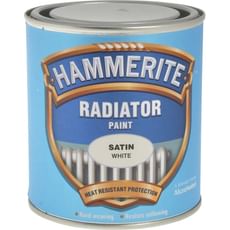
Can radiator paint be used on hot radiators?
No – specialist radiator enamel should be applied to cold radiators and allowed to cure fully before the heating system is restarted. Painting hot radiators causes poor adhesion, runs, and incomplete curing. Turn off heating 24 hours before painting, apply the coating, then wait at least 24-48 hours (check manufacturer guidance) before turning heating back on. The paint then withstands high temperatures without yellowing or deteriorating once fully cured.
How many coats of fire paint do I need?
Fire protection requirements depend on the material being protected, the fire rating required (30, 60, or 90 minutes), and the section size. Manufacturer technical data sheets specify required DFT (dry film thickness) in microns – this typically requires 2-4 coats. Steel sections may need different treatment than timber. Always consult the specific product's application guide and consider hiring a specialist for structural fire protection where building regulations apply. Simply applying "enough coats" without measuring DFT can result in inadequate protection.