

Submersible Water Pumps
Pay in 3 interest-free payments on purchases from £30-2000 with  . Learn more.
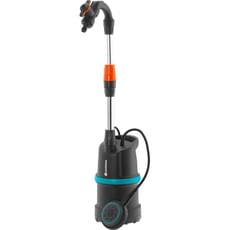
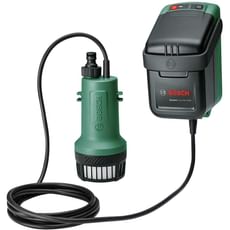
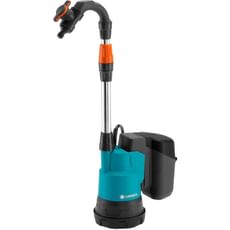
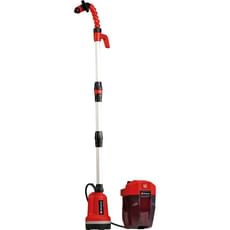
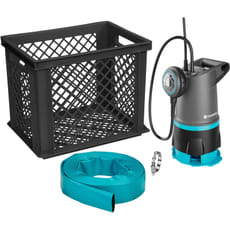
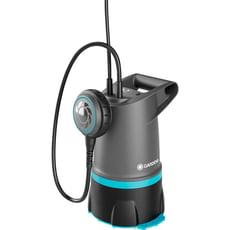
Gardena 2000/2 P4A 18v Cordless Rainwater Submersible Water Butt Tank Pump
in stock
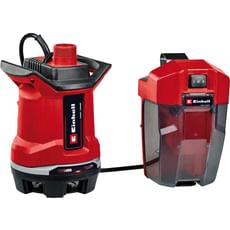
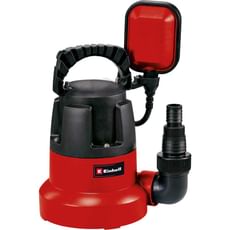
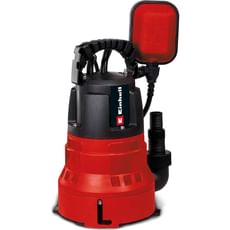
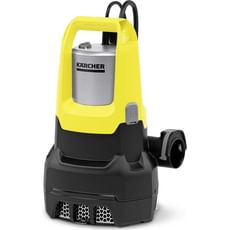
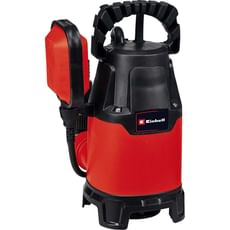
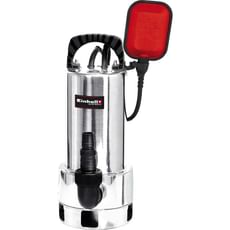
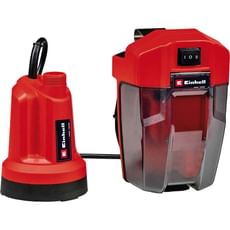
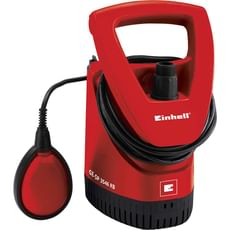
Einhell GE-SP 18 LL Li 18v Cordless Low Level Submersible Clean Water Pump 4500 l/h
in stock
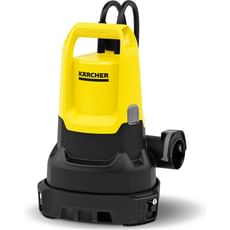
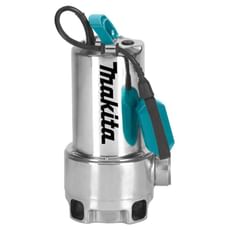
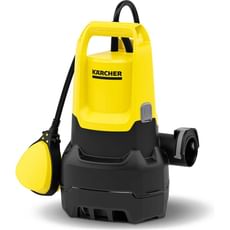
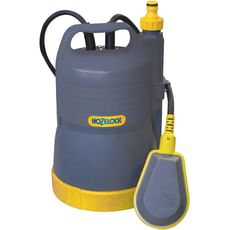
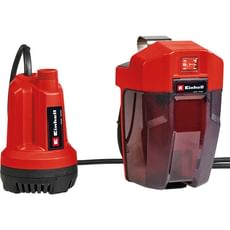
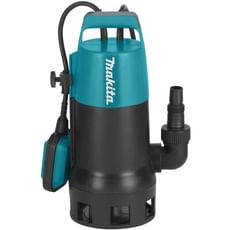
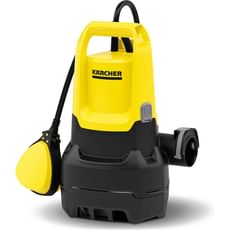
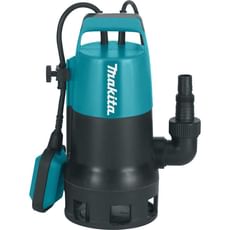
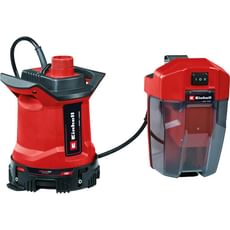
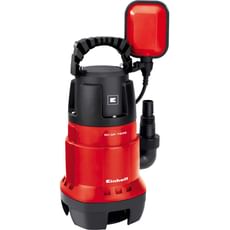
Einhell GE-DP 18/25 LL Li 18v Cordless Low Level Dirty Water Pump 7000 l/h
in stock
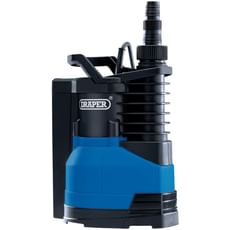
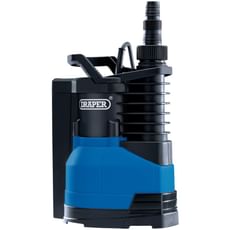
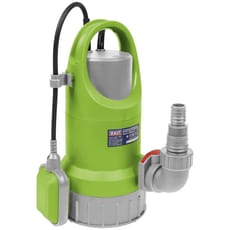
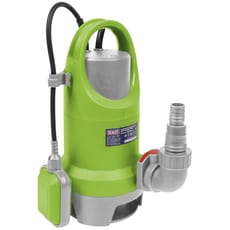
 Loading...
End of content
Error - No more pages to load
About Submersible Water Pumps
Submersible water pumps are essential tools designed to operate whilst fully immersed in water, making them ideal for a wide range of drainage, water transfer, and irrigation applications. Unlike surface pumps that sit above the water level, submersible pumps work underwater, using a sealed motor housing and impeller system to move water efficiently from one location to another. These versatile pumps are available in configurations for both clean and dirty water applications, with models ranging from compact domestic units for garden water features to heavy-duty pumps capable of handling flood water, construction site drainage, and deep well pumping.
Tooled-Up.com stocks submersible water pumps from leading manufacturers including Draper, Makita, Einhell, Bosch, Kärcher, and Metabo, offering solutions for tradespeople, groundworkers, and DIY enthusiasts alike. The range includes clean water pumps perfect for emptying rainwater tanks and garden ponds, dirty water pumps that can handle solids up to 35mm for site drainage and flood emergency response, and deep water well pumps for agricultural and rural applications. Many modern submersible pumps now feature integrated float switches for automatic operation, cordless 18v battery platforms for portability, and stainless steel construction for longevity in demanding environments.
Typical applications include draining flooded basements and cellars, emptying swimming pools and hot tubs, transferring water from storage tanks, irrigating gardens and allotments from rainwater harvesting systems, and managing groundwater on construction sites. The pumps available at Tooled-Up range from compact 250-watt domestic models to powerful 1000-watt commercial-grade units, with flow rates from 6,000 to over 20,000 litres per hour and maximum head heights reaching 15 metres or more.
Jargon Buster
- Flow Rate (Litres per Hour): The volume of water a pump can transfer in one hour, typically measured in litres per hour (l/h). Higher flow rates mean faster water transfer, with domestic pumps typically offering 6,000-12,000 l/h whilst heavy-duty models can exceed 20,000 l/h.
- Maximum Head Height: The vertical distance a pump can push water upwards, measured in metres. A pump with a 10-metre head can lift water 10 metres vertically or push it considerably further horizontally. Head height decreases flow rate, so manufacturers provide performance curves showing this relationship.
- Maximum Particle Size: The largest solid debris diameter the pump can handle without clogging, measured in millimetres. Clean water pumps typically handle particles up to 5mm, whilst dirty water pumps can manage 20-35mm solids including leaves, small stones, and silt.
- Float Switch: An automatic activation device that switches the pump on when water reaches a certain level and off when it drops below a set point. Integrated float switches eliminate the need for manual monitoring and prevent dry running which can damage the motor.
- IPX Rating: The Ingress Protection rating indicating how well the pump is sealed against water and dust ingress. Submersible pumps typically have IPX8 ratings, meaning they're designed for continuous immersion beyond 1 metre depth.
- Thermal Overload Protection: A safety feature that automatically shuts down the motor if it overheats due to dry running, blockages, or excessive workload, preventing permanent damage to the pump.
Who Uses Submersible Water Pumps?
- Groundworkers and Civil Engineers: For dewatering excavations, trenches, and construction sites where groundwater ingress impedes work
- Plumbers and Drainage Specialists: For emergency flood response, testing drainage systems, and clearing water from properties
- Landscapers and Gardeners: For pond maintenance, water feature installation, irrigation from rainwater tanks, and garden drainage solutions
- Farmers and Agricultural Workers: For livestock watering systems, field drainage, slurry management, and irrigation from wells or storage lagoons
- Property Maintenance Professionals: For managing basement flooding, maintaining sump pump systems, and emptying water tanks
- Swimming Pool and Hot Tub Engineers: For draining, refilling, and winterising swimming pools and spa installations
- Facilities Managers: For managing building drainage systems, car park flooding, and emergency water removal
- DIY Enthusiasts and Homeowners: For garden irrigation, pond maintenance, cellar drainage, and general water transfer tasks
How to Choose the Right Submersible Water Pumps
Clean vs Dirty Water Application: Determine whether you need a clean water pump (for drinking water tanks, swimming pools, or clear garden ponds) or a dirty water pump capable of handling debris, silt, and solids. Dirty water pumps feature larger impeller clearances and can typically handle particles between 20-35mm, making them suitable for flood water, construction site drainage, and muddy ponds.
Flow Rate and Head Height Requirements: Calculate the volume of water you need to move and the vertical or horizontal distance it must travel. For garden irrigation, a pump delivering 8,000-12,000 l/h may suffice, whilst site dewatering might require 15,000-20,000 l/h or more. Remember that increasing head height reduces flow rate, so check the manufacturer's performance curve to ensure the pump meets your requirements at your specific installation height.
Power Source and Voltage: Most submersible pumps run on 240v mains power, but cordless 18v battery-powered models from manufacturers like Bosch and Makita offer excellent portability for locations without mains access. For commercial and construction applications, 110v transformer-fed pumps provide enhanced electrical safety on site, with models from Draper and other professional brands available in this voltage.
Automatic or Manual Operation: Pumps with integrated float switches operate automatically, switching on when water rises above a set level and off when it falls below the minimum. This feature is invaluable for unattended operation in sump pump installations, rainwater harvesting systems, or emergency flood protection. Manual pumps require physical switching and monitoring but are often more compact and economical for occasional use.
Build Quality and Materials: For occasional domestic use, thermoplastic housing offers a cost-effective solution, whilst stainless steel construction provides superior corrosion resistance for continuous operation, saltwater applications, or aggressive environments. Check for thermal overload protection to prevent motor damage from dry running or blockages.
Connection Sizes and Compatibility: Most submersible pumps feature standard hose connections ranging from 25mm (1 inch) to 50mm (2 inches). Ensure the outlet size matches your existing hose or pipe work, or verify that suitable adapters are available. Some models include multiple connection adapters in the package.
Popular Accessories
- Layflat Discharge Hose: Flexible, collapsible hose ideal for temporary water transfer applications, available in various diameters and lengths to match pump outlet sizes
- Hose Connectors and Adapters: Quick-connect couplings, reducing adapters, and jubilee clips for secure connections between pumps and hose work
- Strainer Baskets and Pre-Filters: Protective mesh baskets that prevent larger debris from entering the pump inlet, extending pump life and reducing blockages
- Float Switches (External): Retrofit float switches for adding automatic operation to manual pumps, available in various cable lengths
- Extension Cables and RCD Protection: Weatherproof extension leads rated for outdoor use, plus residual current devices for enhanced electrical safety around water
- Pump Storage and Mounting Systems: Protective cases, wall brackets, and pump stands for secure installation and storage
- Replacement Spare Parts: Impellers, seals, float switches, and motor components for maintenance and repairs
Safety Information
Electrical Safety: Always use a 30mA RCD (residual current device) when operating 240v submersible pumps near water to protect against electric shock. Ensure all electrical connections remain above water level and are protected from moisture. Never handle the pump or electrical connections with wet hands, and always disconnect from the mains before performing maintenance or moving the pump. For construction sites, use 110v transformer-fed pumps which provide enhanced electrical safety.
Installation and Operation: Never run submersible pumps dry (without water), as this will cause the motor to overheat and fail rapidly. Most quality pumps include thermal overload protection, but prevention is always preferable. Ensure the pump is fully submerged during operation and positioned on a stable surface to prevent the intake from becoming blocked with silt. When pumping flammable liquids or in potentially explosive atmospheres, only use pumps specifically rated for such applications – standard water pumps are not suitable.
Manual Handling: Larger submersible pumps can be heavy, particularly when filled with water. Use proper lifting techniques and seek assistance when installing or removing pumps from deep locations. Secure the pump with a rope or chain attached to the carrying handle to enable safe retrieval.
Water Quality and Contamination: Never use standard submersible pumps for drinking water that has been in contact with sewage, chemicals, or contaminated floodwater without proper treatment afterwards. For pumping potentially contaminated water, wear appropriate PPE including waterproof gloves and boots. Clean and disinfect pumps thoroughly after use in dirty water before storage.
Frequently Asked Questions
What's the difference between a clean water and dirty water submersible pump?
Clean water pumps are designed for relatively clear water with minimal debris, typically handling particles up to 5mm. They're ideal for emptying swimming pools, transferring drinking water, or irrigating from clean rainwater tanks. Dirty water pumps feature larger impeller clearances and can handle particles between 20-35mm, making them suitable for flood water, construction site drainage, ponds with leaves and silt, and general site dewatering where debris is present. Using a clean water pump for dirty applications will result in frequent blockages and potential damage.
Can I run a submersible pump continuously, or do they need rest periods?
This depends on the pump's duty rating. Domestic submersible pumps are typically designed for intermittent use (S3 duty cycle) and may require rest periods after 30-60 minutes of continuous operation to prevent overheating. Commercial and industrial pumps often have continuous duty (S1) ratings and can run 24/7. Check the manufacturer's specifications for duty cycle information. Installing a pump with an integrated float switch or external timer can help manage operation cycles automatically.
How deep can I install a submersible water pump?
Most standard domestic submersible pumps are designed for shallow to medium depths up to 5-7 metres. Deep well pumps, such as the Draper DSWP1000A, can operate at considerably greater depths, often 15-20 metres or more. The limiting factor isn't usually water pressure on the pump (they're sealed units) but the motor's ability to push water to the surface. Always check the maximum immersion depth in the product specifications, as exceeding this may compromise seals and allow water ingress into the motor.
Why does my submersible pump keep switching off?
Frequent cycling or shutdowns typically indicate either a blockage restricting flow, the pump running dry due to insufficient water depth, or thermal overload protection activating due to overheating. Check that the intake isn't blocked with debris, ensure adequate water depth for continuous operation, verify that the discharge hose isn't kinked or restricted, and confirm the pump isn't oversized for the application (pushing against excessive head height). Float switches set too close together can also cause rapid cycling on and off.
Do I need a 110v or 240v submersible pump?
For domestic use in gardens, homes, and light-duty applications, 240v mains-powered pumps are standard and most convenient. For construction sites and commercial applications, HSE guidance recommends 110v equipment fed from a centre-tapped transformer for enhanced electrical safety. The reduced voltage significantly decreases the risk of fatal electric shock in the event of cable damage or equipment failure. Cordless 18v battery-powered submersible pumps offer excellent portability for locations without mains access, though they typically have lower flow rates and shorter run times than mains-powered alternatives.