

Trimming Cutter Bits
Pay in 3 interest-free payments on purchases from £30-2000 with  . Learn more.
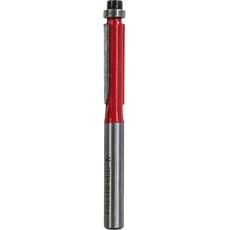
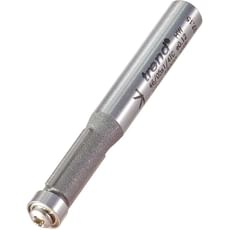
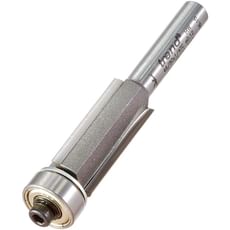
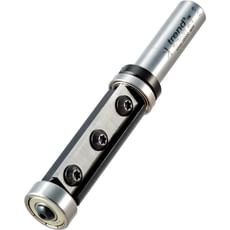
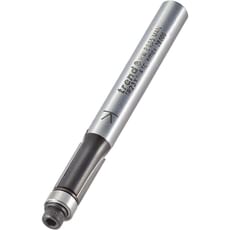
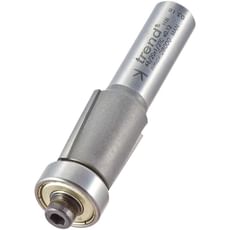
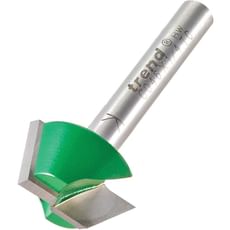
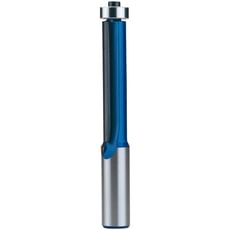

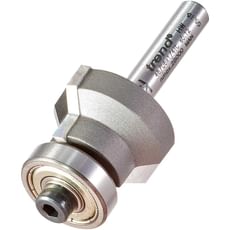
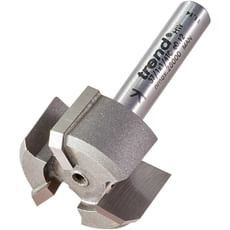
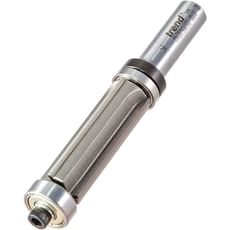
 Loading...
End of content
Error - No more pages to load
About Trimming Cutter Bits
Trimming cutter bits are essential routing accessories designed to create perfectly flush edges and clean trim lines in woodworking projects. These specialised router bits feature bearing guides that follow a template or existing edge, allowing woodworkers to accurately trim laminate, veneer, solid timber, and composite materials with precision and consistency. Whether you're working with kitchen worktops, edge banding, or intricate joinery, trimming cutter bits deliver the clean, professional finish that separates quality craftsmanship from amateur work.
The selection at Tooled-Up.com includes bearing-guided flush trim bits, bevel trimmers, overlap trimmers, and specialist cutters for veneer and laminate work. Available in both 1/4" and 1/2" shank sizes to suit different router models, these bits feature tungsten carbide cutting tips brazed onto precision-engineered steel bodies. Leading manufacturers like Trend dominate this category with their extensive range of professional-grade cutters, whilst trusted names including Draper, Faithfull, and Freud provide reliable alternatives for various budgets and applications.
Modern trimming cutter bits incorporate advanced design features such as multiple flute configurations for smoother cuts, anti-kickback profiles for enhanced safety, and precisely manufactured bearing assemblies that ensure consistent results throughout the bit's lifespan. Whether you're fitting kitchen units, creating decorative edging, or working with caravan and vehicle interior panels, selecting the appropriate trimming cutter bit makes the difference between frustrating rework and first-time success.
Jargon Buster
- Bearing-Guided: A router bit fitted with a ball-bearing pilot that runs along a template or workpiece edge, automatically controlling the cutting depth and following the desired profile without requiring fence guides or jigs.
- Flush Trim Bit: A straight cutter with the bearing positioned either above or below the cutting flutes, designed to trim material perfectly flush with a template or adjacent surface, eliminating any overhang or discrepancy.
- TCT (Tungsten Carbide Tipped): Cutting edges manufactured from extremely hard tungsten carbide material, brazed onto the steel bit body. TCT bits maintain sharpness significantly longer than high-speed steel alternatives and withstand the heat generated during extended routing operations.
- Shank Diameter: The cylindrical shaft that fits into the router collet, typically available in 1/4" (6.35mm) or 1/2" (12.7mm) sizes in the UK. Larger shanks provide greater rigidity and reduced vibration during heavy-duty operations.
- Flute: The cutting channel or groove machined into the bit body that removes waste material during operation. Two-flute and three-flute designs offer different cutting characteristics, with more flutes generally providing smoother finishes.
- Bevel Trimmer: A specialised trimming bit that cuts at an angle (typically 45 degrees) rather than vertically, creating chamfered edges that remove sharp corners or produce decorative profiles on laminate and solid timber.
Who Uses Trimming Cutter Bits?
- Kitchen Fitters: Trimming laminate worktop edging, scribing units to walls, and finishing end panels with precision
- Joiners and Carpenters: Creating flush joints, trimming veneer overlays, and finishing complex joinery work on furniture and cabinetry
- Shopfitters: Installing retail fixtures, display units, and commercial cabinetry with professional-quality edge treatments
- Furniture Makers: Applying edge banding, working with decorative veneers, and creating seamless joints on bespoke furniture pieces
- Caravan and Vehicle Converters: Trimming interior panels, fitting edge trim on composite materials, and working in confined spaces typical of mobile accommodation
- Pattern Makers: Following templates to reproduce identical components and maintaining precise tolerances in production work
- DIY Enthusiasts: Tackling home improvement projects including kitchen refurbishments, built-in furniture, and decorative woodworking with professional results
How to Choose the Right Trimming Cutter Bits
Shank Size Compatibility: Verify your router's collet size before purchasing. Whilst 1/4" shanks suit smaller trim routers and palm routers perfectly, 1/2" shanks provide superior rigidity for larger routers and heavy-duty applications, reducing deflection and vibration during operation.
Cutting Diameter and Length: Match the bit dimensions to your material thickness and application requirements. Flush trim bits with longer cutting lengths handle thicker stock, whilst shorter bits offer better control for delicate veneer work. Consider whether you need the bearing positioned above or below the cutters depending on your template orientation.
Material Compatibility: Different trimming bits excel with specific materials. Standard TCT bits work brilliantly with natural timber and most composites, but specialist cutters designed for abrasive materials like laminate, MDF, and chipboard maintain their edge longer when working these demanding substrates regularly.
Bearing Quality: Premium bearings run smoothly and last considerably longer than budget alternatives. Sealed ball-bearing assemblies resist dust ingress and require minimal maintenance, whilst cheap pressed bearings may develop play or seize, ruining workpieces and potentially damaging routers.
Flute Configuration: Two-flute designs remove waste efficiently and suit general-purpose work, whilst three-flute cutters from ranges like Trend's CRAFTPRO series deliver superior finish quality on visible edges where surface appearance matters most. Consider anti-kickback designs for enhanced safety, particularly when working with heavy routers or challenging grain patterns.
Brand Reputation: Tooled-Up stocks established manufacturers whose bits maintain consistent quality. Trend's extensive range covers virtually every trimming application, whilst Freud and Faithfull offer proven performance. Even budget-conscious tradespeople find that quality bits from reputable brands ultimately cost less per cut than cheaper alternatives requiring frequent replacement.
Popular Accessories
- Router Collets: Precision collets ensure secure bit retention and concentric running, essential for achieving clean trimming results
- Template Guides: Bush guides that work alongside trimming bits for pattern routing and template following operations
- Router Tables: Inverted routing setups from Trend, Bosch, and other manufacturers that make trimming operations safer and more controlled
- Extraction Hoses: Dust collection accessories compatible with Makita, DeWalt, and Festool routers for cleaner working environments
- Bearing Sets: Replacement bearings in various diameters allowing adjustment of cutting offset without purchasing new bits
- Router Bit Storage: Protective cases and wall-mounted racks that prevent damage to delicate cutting edges between uses
- Setting Gauges: Precision tools for accurately setting bit height and ensuring consistent results across multiple workpieces
- Sharpening Services: Professional TCT sharpening extends bit life significantly, making economic sense for frequently-used cutters
Safety Information
Personal Protective Equipment: Always wear safety glasses or a full face shield when routing, as the high rotational speeds generate flying debris. Hearing protection is essential, as routers produce noise levels that can damage hearing during prolonged exposure. Avoid loose clothing, jewellery, and tie back long hair to prevent entanglement with rotating cutters.
Router Speed Considerations: Consult manufacturer recommendations for appropriate router speeds based on bit diameter. Large-diameter trimming bits require reduced RPM to maintain safe tip speeds, whilst smaller cutters perform best at higher speeds. Never exceed maximum rated speeds marked on bit packaging or router specifications.
Bit Inspection and Maintenance: Examine cutting edges before each use for chips, cracks, or excessive wear. Damaged bits can disintegrate at operational speeds with potentially serious consequences. Clean resin buildup regularly using appropriate solvents, and ensure bearings rotate freely without play or roughness.
Secure Workpiece Clamping: Always secure workpieces firmly before routing operations. Handheld workpieces can grab unexpectedly, causing loss of control and potential injury. Use proper clamping techniques and support large panels adequately to prevent flexing during cutting.
Feed Direction: Feed work against the router bit's rotation direction to maintain control. Climb cutting (feeding with the rotation) can cause the router to grab and run uncontrollably, particularly dangerous with powerful machines and aggressive cutting depths.
Electrical Safety: When using 240v routers, ensure cables remain clear of the cutting area and check regularly for damage. Consider RCD protection for additional safety, particularly when working on site. Allow bits to stop completely before setting down the router, and disconnect from the mains before changing cutters.
Frequently Asked Questions
What's the difference between top-bearing and bottom-bearing flush trim bits?
Top-bearing bits position the bearing above the cutters, allowing you to follow a template placed on top of the workpiece, whilst the cutters trim the material below. Bottom-bearing bits reverse this arrangement, with the bearing below the cutters following a template or edge underneath whilst trimming material above. Choose based on which surface provides your reference edge and which needs trimming.
Can I use trimming cutter bits in a drill or do I need a proper router?
Trimming cutter bits must only be used in proper routers designed for the purpose. Drills lack the necessary speed (routers typically run at 10,000-30,000 RPM), torque characteristics, and lateral rigidity required for safe routing operations. Using router bits in drills creates serious safety hazards and produces poor results.
How do I know when my trimming bit needs replacing or sharpening?
Signs include burn marks on workpieces despite appropriate feed rates, rougher finish quality requiring excessive sanding, increased effort needed to push the router through cuts, or visible damage to cutting edges. TCT bits can be professionally resharpened several times before replacement becomes necessary, making sharpening economically worthwhile for frequently-used cutters.
Why does my trimming bit leave stepped marks rather than a smooth cut?
This typically indicates bearing problems—either a worn bearing with excessive play, debris preventing smooth rotation, or incorrect bearing size for the application. Check the bearing spins freely without wobble, clean any resin buildup, and verify you're using the correct bearing diameter. Router speed too slow for the material can also cause similar issues.
Can trimming cutter bits be used with laminate and other abrasive materials?
Standard TCT trimming bits work with laminate, but abrasive materials dull cutting edges more rapidly than natural timber. For regular laminate work, consider specialist cutters designed for these materials, which use harder carbide grades and geometries optimised for synthetic materials. Alternatively, accept more frequent sharpening when using general-purpose bits on demanding substrates.