

Waxes & Polishes

Pay in 3 interest-free payments on purchases from £20-£3000 with  . Learn more.
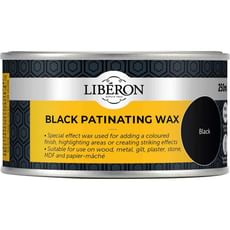
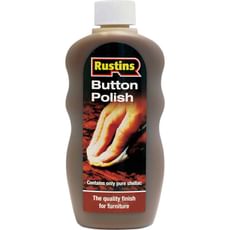
 Loading...
End of content
Error - No more pages to load
About Waxes & Polishes
Waxes and polishes are essential finishing products used across a wide range of trades and applications to protect, enhance, and maintain surfaces. From automotive detailing to furniture restoration, woodworking to metalwork, these specialist formulations provide protective barriers, improve aesthetic appearance, and extend the lifespan of materials. Whether you're working with timber, metal, painted surfaces, or composites, selecting the right wax or polish ensures professional results that stand the test of time.
The range available at Tooled-Up.com includes lubricating waxes for reducing friction in mechanical applications, clear protective waxes for natural finishes, coloured waxes for restoration work, and specialist polishes formulated for different substrates. Each product serves a distinct purpose, from creating a high-gloss showroom finish on vehicles to providing a subtle sheen on antique furniture. Understanding the characteristics of different formulations helps professionals and DIY enthusiasts achieve the desired result whilst providing appropriate protection for the underlying material.
Modern waxes and polishes have evolved significantly from traditional beeswax and carnauba formulations, though these natural ingredients remain popular for certain applications. Today's products often incorporate synthetic polymers, silicones, and advanced chemical compounds that offer superior durability, UV protection, and water resistance. Buffing and polishing accessories, from machine applicators to hand-held pads, complement these products to ensure even application and professional-grade finishes across both small restoration projects and large-scale commercial work.
Jargon Buster
- Carnauba Wax: A natural wax derived from Brazilian palm leaves, prized for its hardness, high melting point, and ability to create a deep, warm lustre. Often referred to as the "queen of waxes" in automotive and furniture applications.
- Buffing: The process of polishing a surface to a high shine using a soft cloth, pad, or powered buffing wheel. Buffing removes minor imperfections and distributes wax or polish evenly across the surface.
- Cut: Refers to a polish's abrasiveness – products with more "cut" remove material more aggressively to eliminate scratches and oxidation, whilst low-cut polishes are gentler and designed purely for finishing.
- Sealant: A synthetic protective product, often polymer-based, that bonds chemically with surfaces to provide longer-lasting protection than traditional waxes, though sometimes with less depth of shine.
- Hazing: The white, cloudy residue that forms as wax dries on a surface, indicating it's ready for buffing. Proper hazing ensures the wax has bonded with the surface.
- Patina: The protective surface layer that develops on materials over time, often enhanced or maintained with appropriate waxes. Particularly important in metalwork and antique restoration.
Who Uses Waxes & Polishes?
- Automotive Professionals: Vehicle valeters, detailers, body shop technicians, and motor mechanics using polishes to restore paintwork and waxes for protection.
- Joiners and Cabinet Makers: Woodworkers applying finishing waxes to bespoke furniture, fitted kitchens, and architectural joinery for protection and aesthetic enhancement.
- Furniture Restorers: Specialists maintaining and reviving antique pieces using traditional wax formulations and coloured waxes to match existing patinas.
- French Polishers: Traditional finishers using specialist waxes as final coats over shellac finishes on high-end furniture and musical instruments.
- Metalworkers and Fabricators: Professionals protecting steel, aluminium, brass, and copper components with appropriate metal polishes and protective waxes.
- Boat Builders and Marine Engineers: Marine professionals maintaining gelcoat, fibreglass, and metal fittings exposed to harsh saltwater environments.
- Monument Conservators and Stonemasons: Specialists protecting stone, marble, and bronze using conservation-grade waxes.
- DIY Enthusiasts: Home improvers maintaining vehicles, furniture, and household surfaces to professional standards.
How to Choose the Right Waxes & Polishes
Consider the Substrate Material: Different surfaces require specific formulations. Wood waxes contain appropriate solvents and oils for timber, whilst metal polishes may include mild abrasives and anti-tarnish agents. Always verify compatibility with your material to avoid damage or poor adhesion.
Determine the Desired Finish: Decide whether you need a high-gloss showroom shine, satin sheen, or natural matte appearance. Polishes typically build gloss through abrasive action, whilst waxes provide varying levels of lustre depending on their composition and how vigorously they're buffed.
Assess Protection Requirements: Consider environmental factors such as UV exposure, moisture, chemical contact, and wear. Exterior applications demand more durable formulations with UV inhibitors, whilst furniture waxes prioritise aesthetic qualities and ease of maintenance.
Evaluate Application Method: Some products are designed for hand application, whilst others work best with powered buffers or polishing machines. Tooled-Up stocks complementary buffing and polishing accessories suitable for both manual and machine application, from foam pads to lambswool bonnets.
Check for Colour Matching: When restoring or disguising repairs in timber, coloured waxes offer tinting options to blend with existing finishes. Clear waxes suit new work or where the natural colour must remain unchanged.
Consider Ease of Use: Paste waxes offer traditional control and long-lasting results but require more effort, whilst liquid polishes apply quickly and suit larger areas. Spray formulations provide convenience for regular maintenance but may not offer the same durability as paste products.
Popular Accessories
- Buffing Pads and Bonnets: Foam, microfibre, and lambswool applicators for both hand and machine use
- Polishing Machines: Rotary and orbital buffers from manufacturers like Makita, Bosch, and Milwaukee for professional application
- Microfibre Cloths: Lint-free buffing cloths essential for achieving streak-free finishes
- Application Sponges: Specialist foam applicators for even wax distribution
- Buffing Wheels: Various grades and materials for bench grinders and drill attachments
- Masking Tape: For protecting adjacent surfaces during application
- Wire Wool: Fine grades for preparing surfaces and working wax into grain
- Cleaning Solvents: For surface preparation and removing old wax layers
- Protective Gloves: Nitrile or latex gloves when working with chemical-based products
Safety Information
Many waxes and polishes contain flammable solvents and should be used in well-ventilated areas away from ignition sources. Always read product labels and safety data sheets before use, and comply with COSHH regulations when using products in professional environments. Store containers away from heat and direct sunlight with lids securely fastened.
When using powered buffing equipment, ensure appropriate PPE including eye protection and dust masks, particularly when working with cutting compounds that generate fine particulate matter. Be aware that polishing machines can snag on clothing and generate significant heat through friction – never wear loose garments or jewellery during operation.
Some metal polishes contain mild acids or abrasive compounds that can cause skin irritation. Wear appropriate gloves and wash hands thoroughly after use. Dispose of used cloths containing oil-based waxes carefully, as spontaneous combustion can occur when soiled rags are stored in enclosed spaces.
Frequently Asked Questions
What's the difference between wax and polish?
Polish typically contains mild abrasives that remove surface imperfections, oxidation, and old finishes whilst building shine through smoothing action. Wax is primarily a protective coating that sits on the surface, providing a barrier against moisture, UV damage, and environmental contaminants. Most professional finishing involves polishing first to prepare the surface, followed by wax application for protection and final lustre.
How often should wax be reapplied?
Application frequency depends on environmental exposure and substrate type. Exterior automotive waxes typically last 2-3 months, whilst interior furniture wax may only require annual maintenance. High-traffic areas or surfaces exposed to harsh conditions need more frequent attention. The water beading test – where water forms tight droplets rather than spreading – indicates wax protection remains effective.
Can I use automotive wax on furniture or vice versa?
Whilst chemically similar, these products are optimised for different applications. Automotive waxes often contain UV inhibitors and harder resins suited to painted metal surfaces, whilst furniture waxes use softer formulations with appropriate solvents for timber. Using the wrong product may not damage the surface but will likely produce suboptimal results in terms of protection and appearance.
Do I need a machine polisher or can I apply by hand?
Hand application works perfectly well for small areas, furniture, and maintenance work, though it requires more physical effort and time. Machine polishers significantly speed up large jobs like vehicle detailing and provide more consistent results with heavy-cut compounds. For professional tradespeople working on multiple projects, investing in quality powered equipment from brands like Milwaukee or Makita available at Tooled-Up.com delivers efficiency and superior results.
Will coloured wax permanently stain wood?
Coloured waxes are designed as surface treatments that sit in the grain and on top of the timber rather than penetrating like stains. They can be removed with appropriate solvents and replaced with different colours, making them ideal for blending repairs or adjusting tone. However, porous woods may absorb some pigment, so always test in an inconspicuous area first, particularly on light-coloured or delicate timbers.