

Welding Helmets

Pay in 3 interest-free payments on purchases from £20-£3000 with  . Learn more.



 Loading...
End of content
Error - No more pages to load
About Welding Helmets
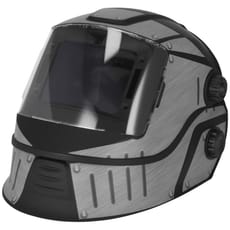
Welding helmets are essential personal protective equipment designed to shield your face, eyes, and neck from the intense light, heat, sparks, and harmful ultraviolet and infrared radiation produced during welding operations. Modern welding helmets have evolved significantly from traditional fixed-shade models, with auto-darkening technology now providing superior protection and convenience for professionals and DIY enthusiasts alike. The comprehensive selection at Tooled-Up.com includes both manual and auto-darkening welding helmets from trusted brands including Draper, Sealey, Portwest, and Siegen, alongside essential replacement lenses and protective accessories.
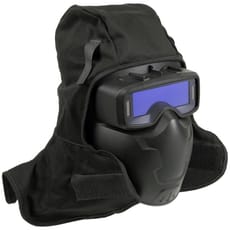
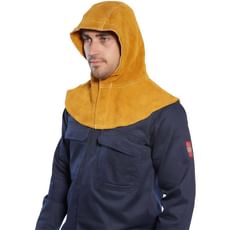
Auto-darkening welding helmets represent the latest advancement in welding safety, featuring liquid crystal displays that automatically adjust from a light resting state (typically DIN 4) to a protective dark state (adjustable from DIN 9 to DIN 13) in milliseconds when an arc is struck. This eliminates the need to constantly lift and lower your helmet between welds, improving productivity whilst maintaining continuous protection. Many models utilise solar-powered technology with lithium battery backup, ensuring reliable operation without the hassle of battery replacement. For specialist applications, traditional fixed-shade helmets and leather welding hoods provide proven protection for specific welding processes.
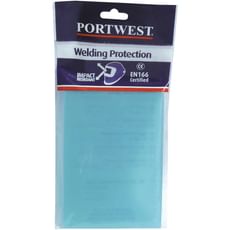
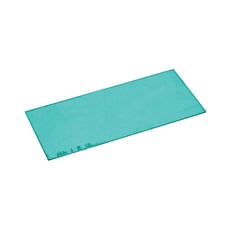
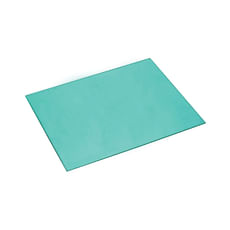
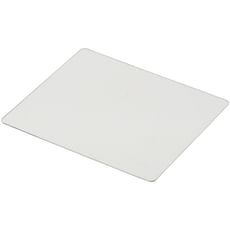
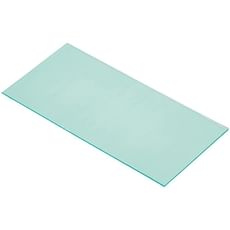
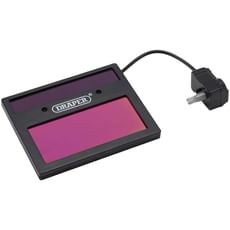
Beyond the helmets themselves, replacement components such as cover lenses, inside and outside protective screens, and shade filters are crucial for maintaining optimal visibility and safety standards. Regular replacement of these consumable parts ensures your welding helmet continues to meet HSE requirements and provides clear, distortion-free vision throughout demanding welding tasks.
Jargon Buster
- DIN Rating: The shade number that indicates how much light the lens filters out. Lower numbers (DIN 4-5) are for non-welding tasks, whilst higher numbers (DIN 9-13) provide protection during active welding. Different welding processes and amperage levels require specific DIN ratings.
- Auto-Darkening Filter (ADF): The liquid crystal technology that automatically transitions from light to dark when welding begins, typically within 0.04 milliseconds. This eliminates the need to manually flip the helmet down before each weld.
- Switching Speed: The time taken for an auto-darkening lens to change from light to dark state, measured in milliseconds. Professional-grade helmets typically offer switching speeds between 0.03 and 0.04 milliseconds to ensure eyes are protected before harmful light reaches them.
- Sensitivity and Delay Controls: Adjustable settings that control when the helmet darkens (sensitivity) and how quickly it returns to light state after welding stops (delay). These allow customisation for different welding environments and brightness levels.
- Optical Clarity Class: Rated on a 1-3 scale (with 1 being best), this indicates the clarity and distortion level of the lens. Professional helmets typically achieve 1/1/1/1 or 1/1/1/2 ratings across various optical properties.
- Viewing Area: The size of the window through which you can see whilst welding, measured in millimetres. Larger viewing areas provide better peripheral vision and are particularly beneficial for complex welding positions.
Who Uses Welding Helmets?
- Professional Welders and Fabricators: Workshop-based welders working with MIG, TIG, stick, and flux-cored welding processes require reliable helmets for daily protection
- Construction and Site Workers: Tradespeople performing structural welding, pipework, and on-site fabrication in demanding outdoor environments
- Automotive and Vehicle Repair Technicians: Mechanics and bodywork specialists undertaking repair welding, exhaust work, and chassis modifications
- Agricultural Engineers: Farm workers and agricultural contractors repairing machinery, gates, and equipment in rural workshops
- Maintenance Engineers: Industrial maintenance staff performing repair and fabrication work across manufacturing facilities
- DIY Enthusiasts and Hobbyists: Home users tackling occasional welding projects, garden metalwork, and restoration tasks
- Engineering Students and Apprentices: Trainees learning welding skills in colleges, training centres, and on-the-job placements
- Artists and Sculptors: Creative professionals working with metal fabrication and artistic welding projects
How to Choose the Right Welding Helmets
Consider Your Welding Process: Different welding methods produce varying levels of brightness and require specific shade levels. MIG and stick welding typically need DIN 10-12, whilst TIG welding may require DIN 9-11. Auto-darkening helmets with adjustable shade ranges offer versatility across multiple processes, making them ideal for workshops handling diverse welding tasks.
Frequency of Use: Professional welders working throughout the day benefit significantly from auto-darkening technology, which reduces neck strain and improves productivity by eliminating constant helmet lifting. The range available from Tooled-Up includes models with solar power and long-life lithium batteries for reliable all-day operation. Occasional users or those on tight budgets may find traditional fixed-shade helmets or passive welding hoods perfectly adequate for lighter-duty applications.
Switching Speed and Response Time: For professional applications, look for helmets with switching speeds of 0.04 milliseconds or faster. This ensures your eyes are protected before harmful light reaches them, even during high-amperage welding. Premium models offer even faster response times for maximum safety.
Viewing Area and Comfort: Larger viewing windows provide better visibility and situational awareness, particularly beneficial for complex fabrication work and awkward welding positions. Consider helmet weight and headgear adjustability for comfort during extended use. Padded headbands and balanced designs reduce fatigue during long welding sessions.
Adjustability and Features: External controls for sensitivity and delay adjustment allow fine-tuning without removing the helmet. Grind mode functions let you use the same helmet for grinding operations. Consider whether you need features like multiple arc sensors for improved arc detection in challenging positions.
Replacement Parts Availability: Brands like Draper, Sealey, and Portwest offer readily available replacement lenses, cover plates, and filters. Regular replacement of protective cover lenses maintains optical clarity and prevents costly damage to the main auto-darkening filter. Check that spare parts are easily sourced before purchasing.
Popular Accessories
- Replacement Cover Lenses: Protective outer screens that shield the expensive auto-darkening filter from sparks, spatter, and scratches
- Inside Protective Lenses: Inner polycarbonate screens that protect the filter from condensation and grinding dust
- Auto-Darkening Filter Cartridges: Replacement ADF units for upgrading older helmets or replacing damaged filters
- Fixed Shade Lenses: Traditional shade 11 or other DIN-rated glass lenses for passive welding helmets
- Replacement Headgear: Adjustable suspension systems and comfort padding for improved fit and reduced fatigue
- Welding Gloves: Heat-resistant gauntlets and TIG gloves for complete hand protection during welding operations
- Welding Jackets and Aprons: Flame-resistant protective clothing from brands like Portwest and Bizweld
- Leather Welding Hoods: Traditional neck and head protection for use with separate face shields or goggles
- Replacement Batteries: Lithium cells for auto-darkening helmets without solar backup capabilities
- Magnifying Lens Inserts: Dioptre lenses for welders requiring vision correction whilst working
Safety Information
Welding helmets must comply with BS EN 175 and BS EN 379 standards for protective equipment and auto-darkening filters respectively. Always verify that your helmet displays the appropriate CE marking and conforms to current UK and European safety regulations. The HSE requires that welding helmets provide adequate protection against optical radiation (ultraviolet and infrared), impact from flying particles, and exposure to heat and molten metal splashes.
Inspect your welding helmet before each use, checking for cracks in the shell, damaged lenses, and proper operation of auto-darkening functions. Replace cover lenses regularly to maintain clear visibility and protect the expensive ADF cartridge beneath. Never use a helmet with a cracked or damaged filter, as this compromises protection against harmful radiation that can cause arc eye (photokeratitis) and long-term vision damage.
Ensure the shade rating is appropriate for your welding process and amperage level. Using too light a shade exposes your eyes to dangerous levels of radiation, whilst excessive darkness reduces visibility and may lead to poor weld quality or accidents. Auto-darkening helmets should be tested before welding begins by pressing the test button or exposing the sensors to bright light to confirm proper darkening function.
Store welding helmets away from extreme temperatures, moisture, and direct sunlight when not in use. Solar-powered auto-darkening filters benefit from periodic exposure to light to maintain battery charge. Clean lenses with appropriate non-abrasive materials to avoid scratching optical surfaces. Replace consumable components according to manufacturer recommendations to ensure continued compliance with safety standards and optimal performance throughout the helmet's service life.
Frequently Asked Questions
What DIN shade do I need for different welding processes?
MIG welding typically requires DIN 10-12 depending on amperage, with 100-200A needing shade 11-12. TIG welding generally uses DIN 9-11, whilst stick welding needs DIN 10-13 based on electrode size and current. Oxy-acetylene cutting and welding uses DIN 5-8. Auto-darkening helmets with adjustable ranges from DIN 9-13 provide versatility across most welding applications. Always consult the manufacturer's shade selection chart and HSE guidance for your specific welding parameters.
How do auto-darkening welding helmets work without batteries?
Modern auto-darkening helmets use solar cell technology combined with rechargeable lithium batteries for backup power. The solar panels continuously charge the internal batteries when exposed to ambient light or welding arc brightness. This hybrid system ensures the helmet functions reliably even in low-light conditions or during extended welding sessions. The batteries typically last several years without requiring replacement, eliminating ongoing running costs and maintenance.
How often should I replace welding helmet lenses?
Replace outer cover lenses whenever they become scratched, pitted, or obscured by spatter, which may be weekly or monthly depending on usage intensity. Inner protective lenses should be changed when visibility is compromised by condensation marks or contamination. The main auto-darkening filter cartridge should last several years with proper care, though it requires replacement if cracked, if switching speed deteriorates, or if optical clarity diminishes. Regular lens maintenance ensures clear visibility and protects the expensive ADF from costly damage.
Can I use a welding helmet for grinding operations?
Many auto-darkening helmets feature a grind mode that locks the lens in light state (DIN 4), allowing you to use the same helmet for grinding without constant darkening from sparks. This provides face and eye protection whilst maintaining clear visibility. However, for extended grinding work, dedicated face shields may offer better ventilation and wider viewing areas. Always ensure any helmet used for grinding provides adequate impact protection and meets relevant safety standards.
What's the difference between 2-sensor and 4-sensor welding helmets?
The sensors detect welding arc light to trigger the auto-darkening function. Four-sensor helmets offer more reliable arc detection, particularly beneficial when welding in awkward positions where your body or workpiece might block some sensors. Two-sensor models work perfectly well for general welding but may occasionally fail to darken if both sensors are obscured. Professional welders working on complex fabrications typically prefer 4-sensor helmets for consistent performance, whilst 2-sensor models suit workshop environments and straightforward welding tasks.