
Welding Tools

Pay in 3 interest-free payments on purchases from £20-£3000 with  . Learn more.


Loading...
End of content
Error - No more pages to load
About Welding Tools
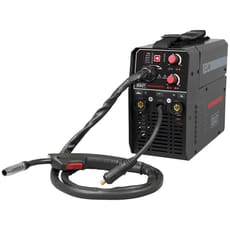
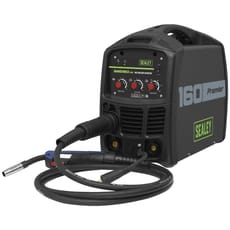
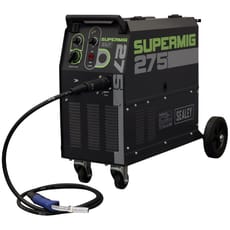
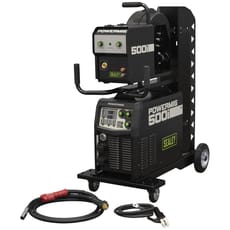
Welding tools and equipment are essential for joining metal components together using heat, pressure, or both. Whether you're fabricating custom metalwork, carrying out automotive repairs, or maintaining industrial machinery, having the right welding kit is crucial for producing strong, reliable joints. The selection at Tooled-Up.com spans everything from basic MIG welders for home workshops to professional TIG welding systems for precision work, covering every skill level and application across various trades and industries.
Modern welding technology has made the craft more accessible than ever before. Inverter-based welding machines are lighter, more efficient, and easier to use than traditional transformer models, whilst advanced features like digital displays and synergic control simplify the setup process. Alongside the welding machines themselves, a comprehensive selection of ancillary tools is available including welding helmets with auto-darkening filters, protective gloves, wire brushes, chipping hammers, and earth clamps to complete your welding setup safely and effectively.
Quality welding equipment represents an investment that pays dividends in productivity and weld quality. Professional tradespeople depend on reliable tools that can handle demanding site work and continuous operation, whilst DIY enthusiasts benefit from user-friendly features that make learning welding techniques more straightforward. With proper maintenance and the right consumables, a good welding setup will serve you for years across countless projects, from simple repairs to complex fabrication work.
Jargon Buster
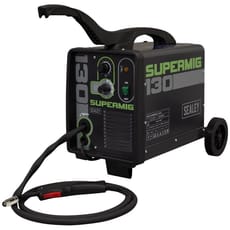
- MIG (Metal Inert Gas) Welding: A semi-automatic process that feeds a continuous wire electrode through a welding gun whilst shielding the weld with inert gas. Also known as GMAW (Gas Metal Arc Welding), it's one of the most popular methods for general fabrication work and is particularly beginner-friendly.
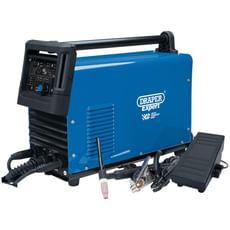
- TIG (Tungsten Inert Gas) Welding: A precise welding process using a non-consumable tungsten electrode and separate filler rod. Produces extremely clean, high-quality welds on thin materials and is ideal for stainless steel and aluminium work where appearance and accuracy are critical.
- Arc Welding (MMA): Manual Metal Arc welding uses a consumable electrode coated in flux. This traditional "stick welding" method is versatile, works outdoors in windy conditions, and requires minimal equipment, making it popular for construction and site work.
- Duty Cycle: Expressed as a percentage, this indicates how long a welder can operate within a 10-minute period before needing to cool down. For example, a 60% duty cycle at 150A means 6 minutes welding, 4 minutes cooling. Higher duty cycles suit professional, continuous use.
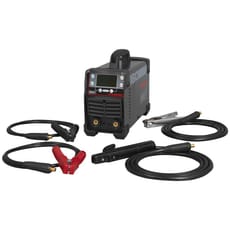
- Inverter Technology: Modern welding machines that use electronic components to convert 240v mains power efficiently. They're significantly lighter and more portable than traditional transformer-based welders whilst offering superior arc performance and stability.
- Penetration: The depth to which the weld metal fuses into the base material. Proper penetration is essential for creating strong joints, and is affected by amperage, travel speed, and electrode angle. Insufficient penetration leads to weak welds that may fail under load.
Who Uses Welding Tools?
Welding equipment is used across a wide range of trades and industries:
- Fabricators and metalworkers: Creating structural steelwork, gates, railings, and custom metalwork for commercial and residential projects
- Automotive mechanics and body shops: Repairing chassis, exhaust systems, and bodywork panels on cars, vans, and commercial vehicles
- Agricultural engineers: Maintaining and repairing farm machinery and equipment in workshop and field conditions
- Plumbers and pipefitters: Joining steel and copper pipework in commercial installations and industrial facilities
- Plant maintenance engineers: Repairing industrial machinery and production equipment to minimise downtime
- Construction workers: Site fabrication and structural steel installation for buildings and infrastructure
- Marine engineers: Boat building and repair work on steel and aluminium vessels in boatyards and marinas
- DIY enthusiasts and hobbyists: Home repairs, custom projects, restoration work, and learning new metalworking skills
- Artists and sculptors: Creating metal sculptures and decorative metalwork for galleries and public installations
How to Choose the Right Welding Tools
Selecting the appropriate welding equipment depends on several key factors:
Welding Process: Consider what materials and applications you'll be working with. MIG welding is versatile and beginner-friendly, ideal for steel fabrication and bodywork. TIG offers precision for thin materials, stainless steel, and aluminium. Arc (MMA) welding is robust and portable, excellent for site work and outdoor applications where wind might disrupt gas shielding. Many modern machines offer multi-process capability for maximum flexibility across different projects.
Power Requirements: Check your available power supply carefully. Most home workshops have single-phase 240v 13A supply, which typically limits you to around 140-160A output. For heavier work, you may need a 16A or 32A supply installed by a qualified electrician. Industrial three-phase equipment offers higher output for thicker materials but requires appropriate electrical infrastructure and professional installation.
Material Thickness: Match the welder's output to your typical workpiece thickness. As a rough guide, 100A is suitable for material up to 3-4mm, whilst 200A handles up to 10mm steel in a single pass. Consider the maximum thickness you'll encounter and ensure adequate amperage capacity with some headroom for versatility.
Duty Cycle: Professional users need higher duty cycles to maintain productivity throughout the working day. A 60% duty cycle at rated output is acceptable for occasional use, but serious fabrication work benefits from machines offering 80% or higher to minimise cooling breaks and keep projects moving efficiently.
Portability: Inverter welders are significantly lighter than transformer models, often weighing less than 10kg compared to 30-40kg for traditional equipment. If you'll be moving equipment between locations or working on-site, weight and size become important considerations. Some machines include shoulder straps or are compact enough for convenient van storage.
Features and Controls: Digital displays, synergic settings, and adjustable parameters make setup easier and improve results, particularly for less experienced users. Look for features like wire feed speed control, gas flow adjustment, and hot start functions that enhance the welding experience and final weld quality across different materials and positions.
Popular Accessories
A complete welding setup requires various accessories and consumables available from Tooled-Up:
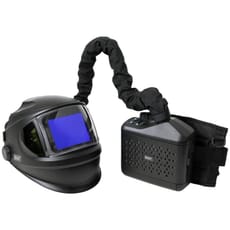
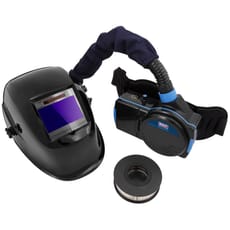
- Auto-darkening welding helmets: Essential eye protection that automatically adjusts to arc brightness, allowing you to position work with the visor down for improved accuracy and safety
- Welding gloves: Heat-resistant gauntlet-style gloves protecting hands and forearms from sparks, spatter, and UV radiation during extended welding sessions
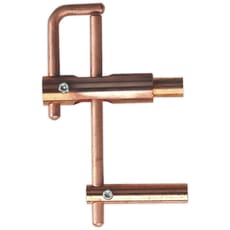
- Earth clamps and cables: Providing the electrical return path; quality clamps ensure good contact and reliable arc performance throughout the working day
- Wire brushes and chipping hammers: For cleaning welds, removing slag, and preparing surfaces before and after welding to ensure quality results
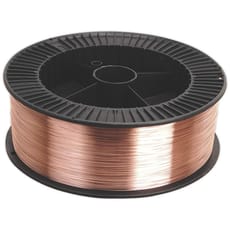
- MIG welding wire: Available in various diameters and specifications for different materials and thicknesses, from mild steel to stainless and aluminium
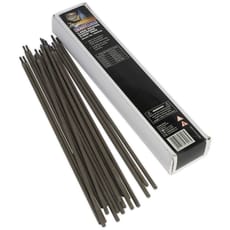
- Welding electrodes (rods): Consumable electrodes for arc welding in various types and sizes to suit different applications and positions
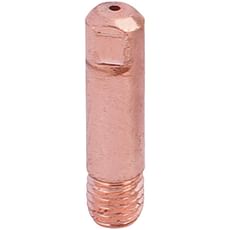
- Contact tips and nozzles: Regular replacement parts for MIG torches that affect wire feed quality and gas coverage, essential for maintaining optimal performance
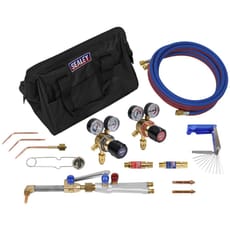
- Shielding gas regulators and hoses: Controlling gas flow for MIG and TIG welding applications with precise adjustment for different processes
- Welding magnets and clamps: Holding workpieces at precise angles during welding to free up both hands and ensure accurate joint alignment
- Leather aprons and jackets: Additional protection for clothing and body from sparks and heat, particularly important for overhead welding positions
Safety Information
Welding presents multiple hazards and requires proper safety precautions at all times:
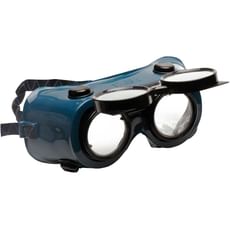
Eye and Face Protection: The intense light from welding arcs can cause "arc eye" (photokeratitis) within seconds of exposure. Always use appropriate auto-darkening or passive welding helmets rated to BS EN 379. Never watch someone welding without proper eye protection, even briefly, and ensure bystanders are also protected or kept at a safe distance.
Personal Protective Equipment: Wear flame-resistant clothing covering all exposed skin to prevent burns from UV radiation and flying sparks. Avoid synthetic materials which can melt onto skin. Use leather welding gloves rated to BS EN 12477, steel-toe cap boots, and consider leather aprons or jackets for extended welding sessions. Ensure no flammable materials like lighters or paper are in pockets.
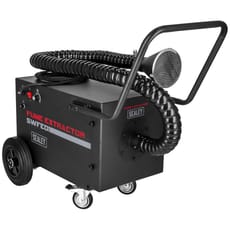
Ventilation and Fumes: Welding produces hazardous fumes and gases that can cause serious respiratory problems. Work in well-ventilated areas or use fume extraction equipment, especially when welding galvanised steel, stainless steel, or coated materials. Be aware of COSHH regulations regarding exposure to welding fumes and comply with HSE guidance on workplace exposure limits.
Electrical Safety: Welding equipment operates at high currents that can be lethal. Ensure machines are properly earthed and connected to appropriate 240v power supplies with correct amperage capacity. Never weld in wet conditions or whilst standing in water. Regularly inspect cables and connections for damage, replacing worn or frayed components immediately.
Fire Prevention: Welding sparks can travel several metres and remain hot enough to ignite materials long after landing. Remove all flammable materials from the work area, have a fire extinguisher readily available, and check for smouldering materials after completing work. Be particularly cautious when welding on structures that may contain hidden combustibles like insulation or timber.
Gas Cylinder Safety: Store shielding gas cylinders upright and secured with chains or straps. Keep away from heat sources and ensure regulators are appropriate for the gas type. Check for leaks using soapy water, never a naked flame. Transport cylinders with valve caps fitted and avoid dropping or impact damage.
Frequently Asked Questions
What's the best welding process for beginners?
MIG welding is generally considered the most beginner-friendly process. The continuous wire feed and gas shielding make it easier to achieve decent results quickly compared to arc (stick) welding which requires more precise electrode angle and arc length control. It's also versatile enough to handle most common DIY and light fabrication tasks. Start with practice on scrap steel before attempting structural or cosmetic work, and consider investing in an auto-darkening helmet to help you see the weld pool more clearly.
Can I run a welder from a normal 13A plug socket?
Many modern inverter welders will operate from a standard 240v 13A supply, but output is typically limited to around 140-160A maximum. This is sufficient for welding mild steel up to 5-6mm thickness, which covers most DIY applications and light fabrication. For heavier work, you'll need a dedicated 16A or 32A supply installed by a qualified electrician. Always check the welder's specifications and your electrical supply capacity before purchasing, and never overload domestic circuits.
Do I need different equipment for welding aluminium?
Yes, aluminium requires different techniques and often different equipment compared to steel. For MIG welding aluminium, you'll need a spool gun or push-pull torch system, along with appropriate aluminium wire and pure argon gas. TIG welding is often preferred for aluminium work and requires AC capability with suitable tungsten electrodes. Not all welders can handle aluminium, so check specifications before purchasing if this is a requirement for your projects.
How thick can I weld with a 140A welder?
A 140A output is suitable for welding mild steel up to approximately 4-5mm thickness in a single pass. Thicker materials can be tackled using multiple passes and proper bevelling techniques, though productivity will be lower and heat distortion may become an issue. This amperage range covers most DIY applications, automotive bodywork, and light fabrication tasks adequately. For regular work on materials thicker than 6mm, consider a higher output machine.
What safety certifications should I look for when buying welding equipment?
Quality welding equipment should carry CE marking and comply with relevant BS EN standards for the UK market. Helmets should meet BS EN 379 for auto-darkening filters or BS EN 169 for passive filters. Gloves and protective clothing should comply with BS EN 407 (thermal protection) and BS EN 12477 (welding gloves specifically). Welding machines should meet BS EN 60974 standards. Purchase from reputable suppliers like Tooled-Up.com to ensure genuine certification and compliance with UK safety regulations.