

Wheel Tools
Pay in 3 interest-free payments on purchases from £30-2000 with  . Learn more.

 Loading...
End of content
Error - No more pages to load
About Wheel Tools
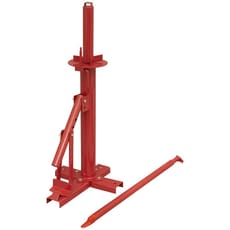
Wheel tools encompass the comprehensive range of specialist equipment required for vehicle maintenance, tyre fitting, and automotive repair work. From essential four-way wheel braces that every mobile mechanic carries to sophisticated semi-automatic tyre changers designed for high-volume workshops, this category addresses every aspect of wheel and tyre servicing. Modern vehicles increasingly feature complex security systems including manufacturer-specific locking wheel nuts for BMW, Mini, Land Rover, and VW models, making specialist removal tools and vehicle-specific key sets indispensable for professional technicians and serious DIY enthusiasts alike.
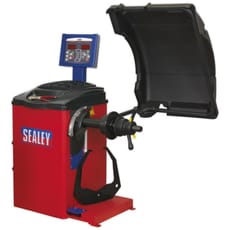
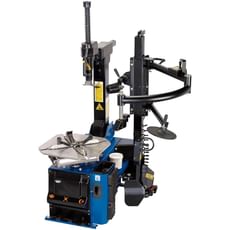
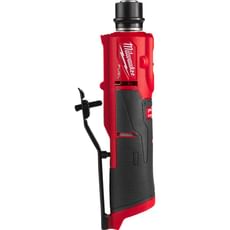
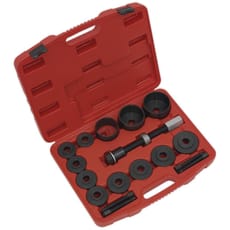
The selection at Tooled-Up.com includes equipment from industry-leading manufacturers such as Sealey, Draper, Milwaukee, and Faithfull, ensuring both occasional users and busy commercial workshops find tools matched to their requirements. Professional tyre changers like the Draper TC200 and wheel balancers such as the WB200 model streamline workshop operations, whilst portable locking wheel nut removal sets and compact telescopic wheel wrenches prove invaluable for mobile mechanics attending roadside call-outs. Stud hub cleaners, tyre valve torque drivers, and bead seaters complement the core wheel removal equipment, providing complete solutions for maintaining vehicles to manufacturer standards.
Investing in quality wheel tools delivers tangible benefits beyond simple convenience. Professional-grade equipment protects expensive alloy wheels from installation damage, ensures wheel nuts achieve precise torque specifications, reduces physical strain during repetitive work, and handles everything from standard passenger cars through to commercial vehicle applications. Chrome-plated and powder-coated finishes resist workshop corrosion, whilst impact-rated sockets withstand the demands of pneumatic and cordless power tools without fracturing or deforming under stress.
Jargon Buster
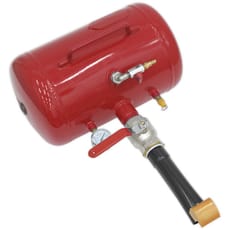
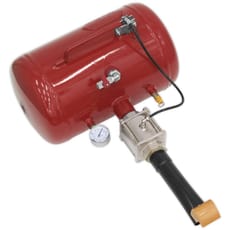
- Tyre Bead Seater: A compressed air-powered device that rapidly inflates tyres to force the bead (tyre edge) against the wheel rim, essential when fitting new or stubborn tyres that won't seat with conventional inflation methods.
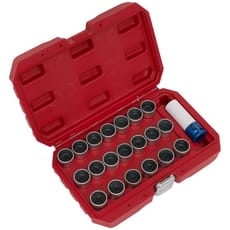
- Locking Wheel Nut Key: A specially designed socket or adapter featuring a unique pattern required to remove security wheel nuts that deter wheel theft. Each vehicle manufacturer employs different designs, necessitating brand-specific key sets for BMW, Land Rover, VW, and other marques.
- Torque Wrench: A precision tool applying a specific, measured amount of rotational force to fasteners, ensuring wheel nuts achieve manufacturer specifications—typically 80-120 Nm for passenger vehicles—preventing over-tightening damage or dangerous under-tightening.
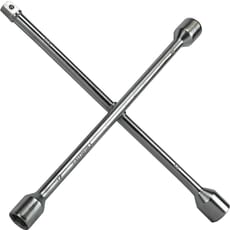
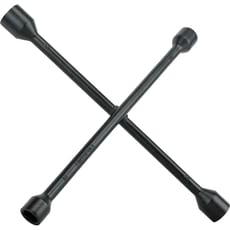
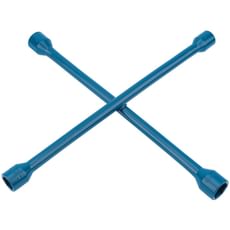
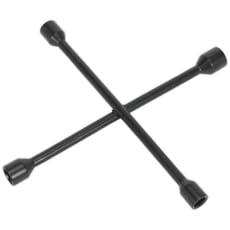
- Four-Way Wheel Brace: A cross-shaped wrench featuring different sized sockets on each arm, providing excellent leverage and multiple socket sizes for various wheel nut dimensions in one compact, durable tool favoured by professional mechanics.
- Stud Hub Cleaner: Wire brush or rotary cleaning tool designed to remove rust, corrosion, and debris from wheel studs and hub mounting faces, ensuring proper wheel seating and preventing vibration issues caused by contaminated contact surfaces.
- Impact-Rated Socket: Reinforced sockets manufactured from chrome molybdenum steel specifically engineered to withstand the high-impact forces generated by pneumatic and cordless impact wrenches without cracking or shattering during use.
Who Uses Wheel Tools?
- Mobile Mechanics: Professionals attending breakdown call-outs and providing on-site vehicle repairs requiring portable, reliable wheel removal equipment
- Tyre Fitters: Specialists operating tyre changing, balancing, and wheel alignment services in dedicated workshops and fast-fit centres
- MOT Testers: Workshop technicians regularly removing wheels during statutory vehicle inspections and brake efficiency testing
- Fleet Maintenance Engineers: Professionals maintaining commercial vehicles, delivery vans, and company car fleets with scheduled servicing programmes
- Automotive Technicians: General mechanics performing brake repairs, suspension work, and routine servicing requiring frequent wheel removal
- HGV and Plant Mechanics: Engineers servicing heavy goods vehicles and construction equipment featuring larger wheel assemblies and higher torque specifications
- Car Enthusiasts and DIYers: Home mechanics performing seasonal tyre changes, brake maintenance, and general vehicle upkeep
- Breakdown Recovery Operators: Roadside assistance professionals requiring dependable wheel removal tools for emergency tyre changes and vehicle recovery
- Vehicle Restorers: Classic car enthusiasts working on vintage vehicles with non-standard fixings and aged wheel components
How to Choose the Right Wheel Tools
Identify Your Primary Application: Basic four-way wheel braces and socket sets suit occasional DIY use and emergency roadside changes, whilst semi-automatic tyre changers and wheel balancers represent essential investments for professional workshops handling substantial daily volumes of tyre fitting and balancing work.
Consider Vehicle Types Serviced: Ensure your equipment accommodates the vehicles you work with most frequently. Commercial vehicle mechanics require higher capacity tools and larger socket sizes (typically 32mm-41mm), whilst those servicing prestige marques need comprehensive vehicle-specific locking wheel nut key sets covering BMW, Land Rover, VW, and other manufacturers using security fasteners.
Prioritise Torque Accuracy: Invest in a quality torque wrench calibrated to the torque ranges relevant for your work—typically 40-210 Nm covers most passenger vehicles. Over-tightening damages wheel studs and distorts alloy wheels, whilst under-tightening creates dangerous safety risks through wheels working loose during operation.
Assess Portability Requirements: Mobile mechanics benefit from compact, lightweight equipment including telescopic wheel wrenches and portable locking wheel nut removal sets that fit easily in service vans alongside other tools. Workshop-based professionals can accommodate larger, more specialised equipment like the Draper TC200 tyre changer or WB200 wheel balancer that remain permanently stationed.
Evaluate Quality and Durability: Professional-grade tools from manufacturers like Sealey, Draper Expert, and Milwaukee withstand demanding commercial use and provide superior accuracy and longevity compared with budget alternatives. Chrome-plated finishes resist corrosion in damp workshop environments, whilst black oxide and powder-coated tools offer excellent durability and reduced glare under workshop lighting.
Plan Locking Wheel Nut Coverage: If you regularly service multiple vehicle brands, comprehensive locking wheel nut key sets covering various manufacturers prove more economical than purchasing individual keys reactively. Specialist removal sets employing reverse-twist sockets handle damaged, rounded, or seized locking nuts when original keys are lost or ineffective.
Popular Accessories
- Digital tyre pressure gauges and tyre inflators for accurate pressure setting to manufacturer specifications
- Heavy-duty wheel chocks and adjustable axle stands for safe vehicle lifting and support during wheel removal
- Copper grease and anti-seize compounds preventing wheel studs seizing to hubs and simplifying future removal
- Tyre valve cores, valve repair tools, and replacement valve caps for maintaining valve integrity
- Professional trolley jacks and pneumatic jacks rated for commercial workshop use
- Rim protectors and wheel protection covers preventing alloy damage during tyre fitting operations
- Torque wrench calibration tools and certification services maintaining accuracy over time
- Wheel cleaning brushes and detailing tools for maintaining professional appearance during servicing
- Impact-rated deep sockets and socket adapters for power tool compatibility
- Thread repair kits and stud extractors for damaged wheel stud threads
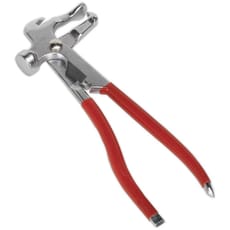
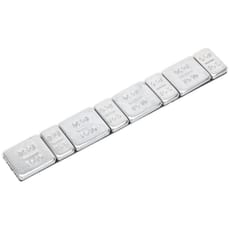
- Wheel weight sets and adhesive weights for wheel balancing applications
- Tyre marking crayons for rotation tracking and position marking
Safety Information
Always ensure vehicles are properly supported on level, solid ground with the handbrake firmly applied and appropriate gear selected before removing wheels. Never rely solely on a trolley jack for support—always use axle stands rated for the vehicle weight and positioned on manufacturer-specified jacking points. Wheel removal whilst supported only by a jack creates serious crush injury risks.
Consult vehicle manufacturer specifications for correct wheel nut torque settings, which vary significantly between vehicle types. Always use a calibrated torque wrench for final tightening rather than estimating based on feel. Over-tightening can snap wheel studs or crack alloy wheels, whilst under-tightening may allow wheels to work loose—both scenarios create potentially fatal safety hazards for vehicle occupants and other road users.
When operating tyre bead seaters or compressed air equipment, wear appropriate eye protection and ensure the tyre is correctly positioned on the rim before inflation. Follow HSE guidelines for working with compressed air systems, never exceed recommended pressure ratings, and be aware of stored energy in pressurised tyres. Tyre explosions during inflation can cause severe injuries or fatalities.
Select impact-rated sockets when using pneumatic or cordless impact wrenches for wheel nut removal. Standard chrome vanadium sockets may shatter under impact forces, creating projectile hazards. When using locking wheel nut removal tools on damaged or seized security nuts, wear safety glasses as metal fragments may be released during the extraction process. Store locking wheel nut keys securely with vehicle documentation to prevent loss and maintain an organised system for vehicle-specific keys in multi-vehicle workshops.
Frequently Asked Questions
What's the difference between a wheel brace and a torque wrench?
A wheel brace (or wheel wrench) provides the leverage necessary for removing and initially tightening wheel nuts, particularly useful for breaking free corroded or over-tightened fasteners. A torque wrench applies a precise, measured amount of rotational force to ensure wheel nuts achieve manufacturer specifications—typically displayed in Newton-metres (Nm). Professional best practice involves using a wheel brace for removal and initial tightening, then finishing with a torque wrench calibrated to the correct specification for your specific vehicle model.
Can I use an impact wrench to tighten wheel nuts?
Whilst impact wrenches excel at removing wheel nuts quickly and efficiently, they shouldn't be used for final tightening as they don't provide the precise torque control necessary for safe wheel installation. Use a cordless or pneumatic impact wrench for removal and initial fitting to speed up the process, but always finish with a calibrated torque wrench to achieve the manufacturer's specified torque setting. This prevents over-tightening damage to studs and wheels whilst ensuring consistent, safe fastening that won't work loose during operation.
I've lost my locking wheel nut key—what options are available?
Several solutions exist for this common situation: contact your vehicle manufacturer's authorised dealership with your VIN number—they may supply a replacement key matching your vehicle's specific pattern. Alternatively, specialist locking wheel nut removal sets available from Tooled-Up.com employ reverse-twist sockets or precision cutting tools to extract security nuts without the original key. Professional mobile mechanics and tyre centres typically stock comprehensive removal kits for this frequent scenario. Prevention proves more convenient than cure—photograph your locking wheel nut key pattern and store the image with your vehicle documents for future reference.
How often should wheel nut torque be checked?
Always re-torque wheel nuts after 50-100 miles following wheel removal and refitting, as initial settling and bedding-in can affect tightness. This proves particularly important after tyre changes, brake work, or any maintenance requiring wheel removal. For routine checks, inspect wheel nuts during regular servicing intervals or immediately if you notice any vibration, unusual noises, or handling changes whilst driving. Many breakdown incidents involve wheels becoming dangerously loose due to improper installation or failure to perform follow-up torque checks after initial fitting.
Are four-way wheel braces better than telescopic wheel wrenches?
Both designs offer distinct advantages depending on your application: four-way wheel braces provide multiple socket sizes (typically 17mm, 19mm, 21mm, and 23mm) in one compact tool, making them versatile for different vehicles and ideal for professional workshop use where speed matters. Telescopic wheel wrenches offer extended leverage for stubborn, corroded nuts and more compact storage in vehicle emergency tool kits. Professional mechanics often prefer four-way braces for workshop applications due to their durability and efficiency, whilst telescopic designs suit occasional DIY use and space-conscious vehicle storage in boots alongside other emergency equipment.