

Wire Strippers

Pay in 3 interest-free payments on purchases from £20-£3000 with  . Learn more.
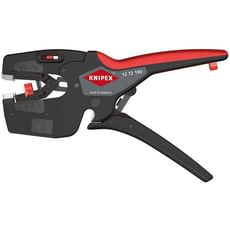
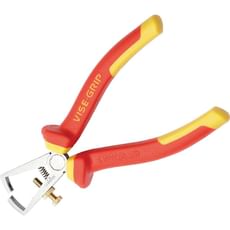
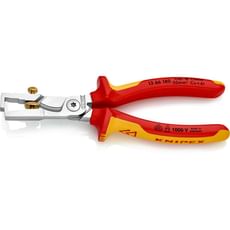
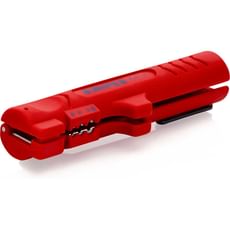
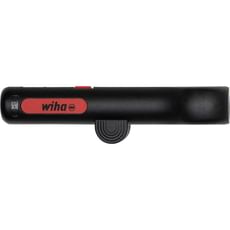
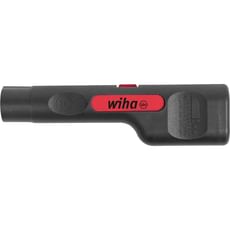
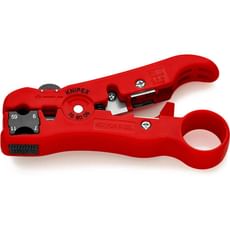
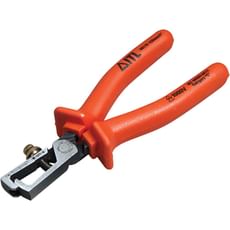
 Loading...
End of content
Error - No more pages to load
About Wire Strippers
Wire strippers are essential tools for electricians, engineers, and anyone working with electrical installations, allowing users to safely and efficiently remove insulation from electrical wires without damaging the conductive core. Whether you're working on domestic wiring, automotive electrical systems, or industrial control panels, having the right wire stripper can significantly improve both the quality and speed of your work. Modern wire strippers range from simple manual tools to sophisticated automatic models that adjust to different cable gauges, offering precise stripping with minimal effort.
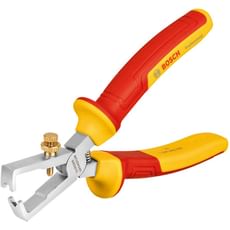
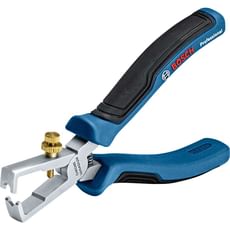
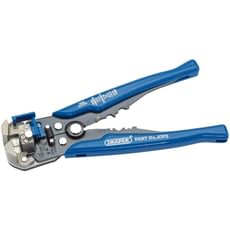
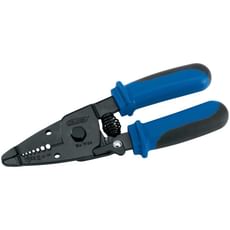
The selection at Tooled-Up.com includes manual wire strippers, automatic wire strippers, wire stripper crimpers, and specialised cable strippers designed for specific applications. Leading brands such as Knipex, Bahco, Draper, and Bosch Professional feature prominently, each offering tools engineered to handle different wire gauges and insulation types. Manual strippers typically feature calibrated notches for various wire sizes from 0.5mm² to 6mm², whilst automatic versions can detect and adjust to the cable diameter, significantly reducing the risk of nicking or severing conductors during the stripping process.
For professional electricians working to BS 7671 wiring regulations, VDE-certified insulated wire strippers provide essential protection when working on or near live circuits up to 1000V AC. Combination tools that integrate wire stripping, cutting, and crimping functions offer excellent versatility on site, reducing the number of individual tools required in your toolkit. Whether you're pulling cable on a large commercial installation or carrying out domestic rewiring work, investing in quality wire strippers ensures clean, reliable connections that meet UK electrical standards.
Jargon Buster
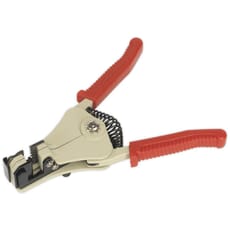
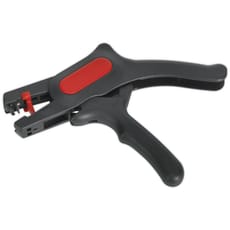
- Automatic Wire Stripper: A tool that automatically adjusts to the cable diameter and removes insulation in one squeezing motion, eliminating the need to select the correct gauge notch manually. These tools typically handle a wide range of conductor sizes from 0.2mm² to 6mm².
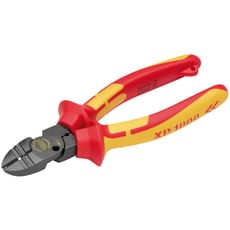
- VDE Certification: A German safety standard indicating that a tool has been tested and certified for working safely on live electrical circuits up to 1000V AC (240v mains and beyond). VDE-insulated wire strippers feature specially designed handles that protect against electric shock.
- Cable Gauge: The cross-sectional area of the conductor, typically measured in square millimetres (mm²) in the UK. Common domestic cable gauges include 1.5mm² for lighting circuits and 2.5mm² for ring main circuits.
- Crimping Function: An integrated feature on some wire strippers that allows you to attach terminals, connectors, or ferrules to stripped wires, creating secure electrical connections without requiring a separate crimping tool.
- Conductor Core: The metal wire (usually copper or aluminium) that carries electrical current. Quality wire strippers remove insulation cleanly without nicking, scoring, or severing individual strands of the conductor.
- Cable Sheath Stripper: A specialised tool designed to remove the outer protective sheath from multi-core cables (such as twin and earth cable) without damaging the insulation on the individual conductors inside.
Who Uses Wire Strippers?
- Electricians and Electrical Contractors: For domestic, commercial, and industrial electrical installations, maintenance, and rewiring projects
- Automotive Electricians: Working on vehicle wiring looms, dashboard installations, and electrical fault diagnosis
- Control Panel Builders: Assembling industrial control systems with precise wire terminations and connections
- Maintenance Engineers: Repairing and maintaining electrical equipment in factories, facilities, and commercial premises
- Telecoms and Data Installers: Preparing cables for telephone systems, network installations, and data centres
- Solar Panel Installers: Connecting photovoltaic systems with correct wire preparation and termination
- Audio/Visual Technicians: Installing and maintaining sound systems, lighting rigs, and AV equipment
- DIY Enthusiasts: Undertaking home electrical projects, automotive wiring, and hobby electronics work
- Appliance Repair Technicians: Replacing damaged cables and repairing electrical connections in domestic appliances
How to Choose the Right Wire Strippers
Wire Gauge Range: Consider the cable sizes you typically work with. Domestic electricians primarily use 1.0mm² to 4.0mm² cables, whilst control panel work may involve finer gauges down to 0.5mm². Ensure your chosen tool covers your entire working range. Automatic strippers from brands like Knipex and Bahco offer the widest versatility, handling everything from fine instrumentation cable to heavier power conductors.
Manual vs Automatic Operation: Manual wire strippers require you to select the appropriate notch for each wire gauge, offering precise control and typically costing less. Automatic models detect cable diameter and strip in one motion, dramatically increasing speed and consistency – particularly valuable when working on large installations with hundreds of terminations. Tooled-Up stocks both types to suit different budgets and working preferences.
VDE Insulation: If you ever work on live circuits or in environments where accidental contact with live conductors is possible, VDE-certified insulated wire strippers are essential. These tools feature specially designed handles tested to 10,000V and rated for use up to 1000V AC, providing crucial protection when working on 240v systems and three-phase installations.
Additional Functions: Many wire strippers incorporate cable cutting blades and crimping jaws, creating versatile combination tools that reduce the number of items in your tool bag. Consider whether integrated functions like bolt cutters, cable shears, or terminal crimpers would benefit your specific applications. Draper and Sealey offer excellent multi-function options that provide outstanding value for money.
Build Quality and Ergonomics: Professional-grade wire strippers from brands like Knipex, Bahco, and Bosch Professional feature hardened steel cutting edges, comfortable grip materials, and smooth operating mechanisms that withstand daily site use. Spring-loaded handles reduce hand fatigue during repetitive stripping tasks, whilst precision-machined jaws ensure consistent results across thousands of operations.
Specialised Applications: For specific tasks, consider specialist tools such as flat cable strippers for twin and earth installation cable, coaxial cable strippers for aerial and satellite work, or fibre optic strippers for telecommunications installations. Cable sheath strippers remove outer protective layers without risking damage to inner conductor insulation – invaluable for safe, professional-looking terminations.
Popular Accessories
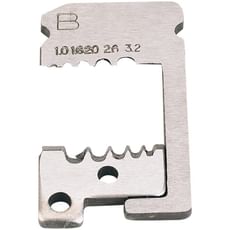
- Replacement Blades: Cutting edges for automatic wire strippers that have become dull through extended use
- Wire Cutters and Snips: For cutting cables to length before stripping and terminating
- Crimping Tools: For attaching terminals, ferrules, and connectors to stripped wire ends
- Cable Knives: Electrician's knives for scoring and removing cable sheath from multi-core cables
- Insulation Tape: For re-insulating connections and providing mechanical protection
- Terminal Blocks and Connectors: Junction boxes, choc blocks, and various electrical connectors requiring properly stripped wires
- Wire Markers and Labels: For identifying circuits and cable purposes during installation
- Tool Belts and Pouches: For carrying wire strippers and related hand tools conveniently on site
- Voltage Testers: To verify circuits are dead before commencing stripping and termination work
Safety Information
Electrical Safety: Always isolate electrical circuits and verify they are dead using an approved voltage tester before stripping or working on cables. Even when using VDE-insulated tools rated for live working, treat every conductor as potentially live until proven otherwise. Work to BS 7671 (IET Wiring Regulations) requirements and follow HSE guidance for electrical installation work.
Tool Condition: Inspect wire strippers before use, checking for damaged insulation, worn cutting edges, and loose pivot points. Damaged or worn tools can nick conductors, creating weak points that may lead to circuit failure or overheating. Replace or repair faulty tools immediately – never compromise on tool condition when working with electrical systems.
Correct Technique: Use the appropriate gauge notch or setting for the wire being stripped to avoid damaging the conductor. Nicked or partially severed strands reduce the current-carrying capacity of the cable and create potential failure points. When using automatic strippers, ensure the tool is correctly calibrated for the cable type being processed.
PPE Requirements: Wear appropriate personal protective equipment including safety glasses to protect against flying insulation fragments and cut wire ends. When working in environments where live conductors may be present, use insulated gloves rated for the voltage present and follow proper isolation and proving procedures.
Frequently Asked Questions
What's the difference between manual and automatic wire strippers?
Manual wire strippers feature multiple notches calibrated to specific wire gauges – you select the appropriate size, position the wire, and squeeze to remove insulation. Automatic wire strippers detect the cable diameter and adjust accordingly, stripping in one motion without pre-selecting a gauge. Automatic models are faster and reduce the risk of selecting the wrong size, but manual versions offer more precise control and typically cost less. For professional electricians handling high volumes of terminations, automatic strippers available from Tooled-Up significantly increase productivity.
Do I need VDE-insulated wire strippers?
VDE-insulated wire strippers are essential if you work on or near live electrical circuits. These tools are tested to 10,000V and rated for safe use up to 1000V AC, providing protection when working on 240v domestic installations, 400V three-phase systems, or industrial control panels. Whilst not legally required for all electrical work, VDE tools provide an important additional layer of protection. Any electrician working to professional standards should invest in VDE-certified tools for those situations where circuit isolation isn't possible or practical.
What wire gauges do I need my stripper to handle?
For domestic electrical work in the UK, you'll primarily encounter 1.0mm² (lighting circuits), 1.5mm² (lighting and some applications), 2.5mm² (ring mains and radial circuits), and 4.0mm², 6.0mm², or 10.0mm² for cooker circuits and shower supplies. Automotive work typically uses thinner cables from 0.5mm² to 2.5mm². Control panel and instrumentation work may involve even finer gauges. Choose wire strippers that cover your typical working range – automatic models from brands like Knipex and Bahco typically handle 0.2mm² to 6mm², covering most applications.
Can wire strippers also cut cable?
Many wire strippers include integrated cable cutting blades capable of cleanly severing copper conductors up to a certain diameter – typically around 2-3mm for combination tools. However, for cutting larger cables or multiple conductors simultaneously, dedicated cable cutters or heavy-duty side cutters provide better performance. Check the specifications of your chosen tool to understand its cutting capacity. Some models also incorporate bolt cutting notches and crimping jaws, creating highly versatile multi-function tools.
How do I maintain wire strippers?
Keep cutting edges clean and free from debris that could interfere with precise stripping. Wipe tools down after use and apply a light coating of machine oil to pivot points to ensure smooth operation. Inspect blades regularly for wear – dull or damaged cutting edges should be replaced or professionally sharpened. Store wire strippers in a dry environment to prevent corrosion, and check VDE insulation for cracks, cuts, or degradation that could compromise electrical safety. Quality tools from manufacturers like Knipex and Bahco will provide years of reliable service with basic care and maintenance.