

Wood Drill Bits
Pay in 3 interest-free payments on purchases from £30-2000 with  . Learn more.

 Loading...
End of content
Error - No more pages to load
About Wood Drill Bits
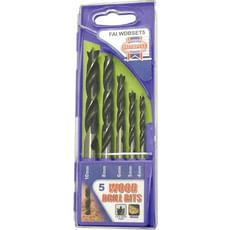
Wood drill bits are essential cutting tools designed specifically for drilling clean, accurate holes in timber, plywood, MDF, chipboard and other wood-based materials. Unlike general-purpose drill bits, wood drill bits feature specialised geometries including sharp centre points, aggressive cutting edges and wide flutes that efficiently clear sawdust and wood fibres during drilling. The selection at Tooled-Up.com encompasses several distinct types of wood drill bits, each engineered for specific applications ranging from delicate cabinet work to heavy-duty structural carpentry.
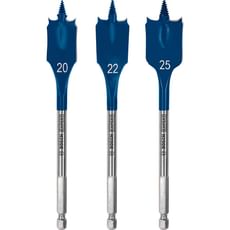
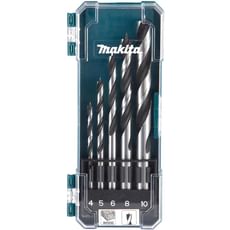
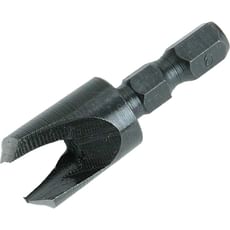
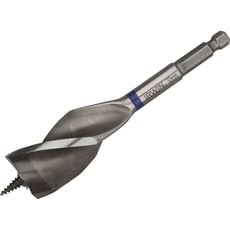
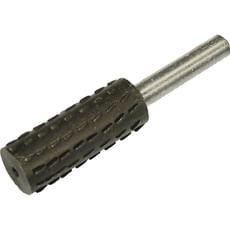
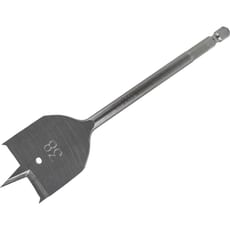
The category includes auger bits for deep boring, brad point bits for precise hole placement, flat bits for rapid material removal, Forstner bits for flat-bottomed holes, hinge bits for furniture fitting, plug cutters for concealing fixings, and rasp bits for enlarging and shaping holes. Each type offers unique advantages depending on hole diameter, depth requirements, finish quality and the woodworking task at hand. Professional joiners, carpenters and furniture makers often maintain multiple sets to ensure they have the right tool for every situation.
Quality wood drill bits are manufactured from high-carbon steel (HCS), high-speed steel (HSS) or tungsten carbide-tipped materials, with many featuring coatings such as titanium nitride or black oxide to reduce friction and extend tool life. Whether working with softwoods like pine and cedar or hardwoods such as oak and maple, selecting the appropriate bit type and material significantly impacts drilling efficiency, hole quality and bit longevity.
Jargon Buster
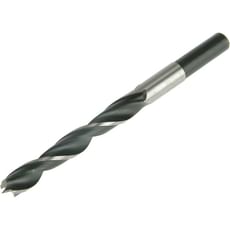
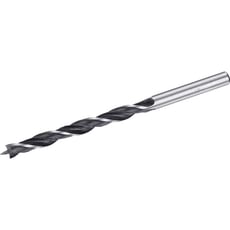
- Brad Point: A central sharp point that prevents the bit from wandering on smooth surfaces, ensuring accurate hole placement. The outer spurs score the wood fibres before the cutting edges remove material, producing exceptionally clean holes.
- Forstner Bit: A specialised bit with a flat cutting rim and chisel-like cutting edges, designed to drill flat-bottomed holes with smooth sides. Ideal for creating recesses for concealed hinges, door hardware and decorative inlays.
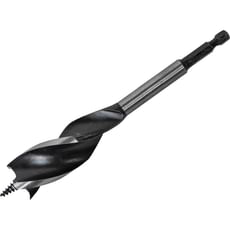
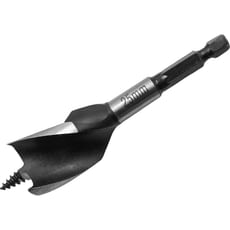
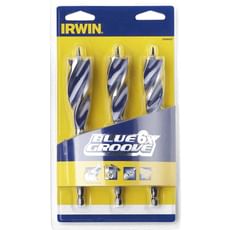
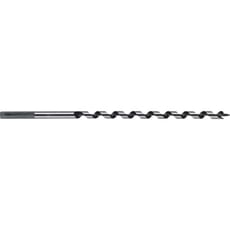
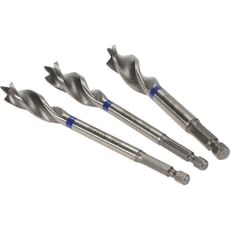
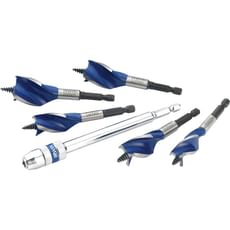
- Auger Bit: A spiral-shaped bit with a screw-like tip that pulls itself through the wood, designed for drilling deep, clean holes. The spiral flutes efficiently remove waste material and are particularly effective when used with hand braces or low-speed drills.
- Flute: The spiral groove running along the bit's length that channels wood chips and sawdust away from the cutting edge and out of the hole, preventing binding and overheating.
- Shank: The smooth cylindrical portion of the bit that fits into the drill chuck. Available in round, hexagonal or reduced diameter configurations, with hex shanks offering improved grip and reduced slippage during heavy-duty drilling.
- Lip and Spur: The cutting geometry found on brad point and specialist wood bits, where outer spurs score the perimeter of the hole while inner lips remove material between them, resulting in exceptionally clean entry and exit holes.
Who Uses Wood Drill Bits?
- Carpenters and Joiners: For structural timber work, staircase construction, door hanging and general carpentry applications
- Cabinet Makers: Creating precise holes for shelf pins, dowels, hinges and joinery work in fine furniture
- Kitchen and Bedroom Fitters: Installing cabinet hardware, concealed hinges and adjustable shelf supports
- Shopfitters: Constructing retail displays, fixtures and bespoke wooden installations
- Flooring Specialists: Drilling pilot holes for secret nailing and fixing floorboards and decking
- Window and Door Installers: Creating fixings holes and installing locks, handles and hardware
- Timber Frame Builders: Boring holes for bolts, threaded rod and structural fixings in construction timber
- Furniture Restorers: Carefully drilling holes for period-correct fixings and replacement hardware
- DIY Enthusiasts: General woodworking projects, home improvements and furniture assembly
- Set Builders: Creating theatrical sets, props and temporary wooden structures
How to Choose the Right Wood Drill Bits
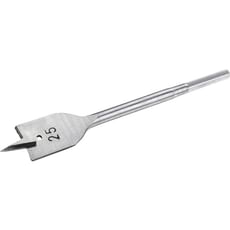
Hole Diameter Requirements: Consider the size range needed for your typical projects. Brad point bits work well for holes from 3mm to 16mm, whilst Forstner bits excel from 10mm to 50mm diameters. Flat bits offer economical solutions for larger holes up to 38mm, whilst auger bits handle deep boring in larger diameters effectively.
Hole Depth Needed: Shallow holes for surface-mounted hardware suit brad point or Forstner bits, whilst deep boring for cables, pipework or timber frame construction requires long auger bits or extension-shank variants. Tooled-Up stocks bits with working lengths from 50mm to over 400mm for specialist applications.
Wood Types: Softwoods like pine and spruce are forgiving and work with most bit types, whilst hardwoods such as oak, ash and tropical timbers demand sharper geometries and carbide-tipped options. Engineered boards like MDF and chipboard benefit from brad point bits that resist deflection and produce clean holes without tearout.
Finish Quality: When visible hole quality matters—such as exposed furniture work or high-end joinery—Forstner and brad point bits deliver superior results with minimal splintering. For concealed structural work where speed matters more than finish, flat bits and standard augers prove more economical.
Power Tool Compatibility: Match bit shank type to your drill chuck. Standard round shanks suit most 13mm keyed chucks, whilst hexagonal shanks provide positive drive in quick-change chucks and prevent slippage under load. Some specialist bits require slower drill speeds—check manufacturer recommendations and ensure your drill offers appropriate speed control.
Material Quality: Entry-level HCS bits suit occasional DIY use, whilst HSS bits offer better heat resistance and longevity for regular professional work. Carbide-tipped options from brands like Bosch and Makita provide maximum durability when drilling abrasive materials or working in production environments where frequent sharpening isn't practical.
Popular Accessories
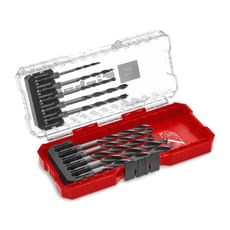
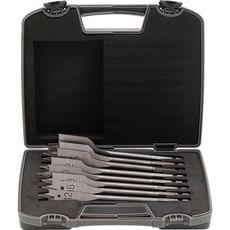
- Drill Bit Sets: Comprehensive collections offering multiple sizes and types in organised storage cases
- Depth Stops and Collars: Adjustable rings that limit drilling depth for consistent hole depths in repetitive work
- Countersink Bits: Create conical recesses for screw heads to sit flush with or below the wood surface
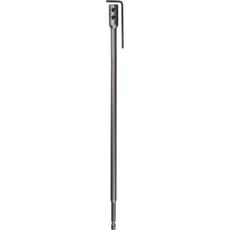
- Drill Bit Extensions: Extend reach for drilling in confined spaces or through thick timber sections
- Centre Punches: Mark exact drilling positions to prevent bit wander on smooth surfaces
- Drill Guides and Jigs: Ensure perfectly perpendicular holes and accurate drilling angles
- Sharpening Stones and Files: Maintain cutting edges for optimal performance and extended bit life
- Storage Cases: Protective cases and rolls that organise bits and prevent damage during transport
- Hole Saws: For drilling larger diameter holes beyond the capacity of standard wood bits
- Dowelling Jigs: Precision guides for drilling aligned dowel holes in joinery work
Safety Information
Eye Protection: Always wear safety glasses or goggles when drilling wood, as high-speed rotation can eject wood chips and sawdust at considerable velocity. This is particularly important when drilling overhead or using power tools at 240v.
Workpiece Securing: Never hold timber by hand whilst drilling. Always secure workpieces with clamps, vices or dedicated work-holding devices. Bits can bind suddenly in wood grain, causing the workpiece to spin dangerously or the drill to kick back.
Correct Speed Selection: Larger diameter bits require slower drill speeds to prevent overheating and maintain control. Consult manufacturer guidelines and adjust your drill speed accordingly. Excessive speed causes burning, reduces bit life and can lead to bit breakage.
Sharp Bits Only: Dull bits require excessive pressure, generate heat and increase the risk of binding or breakage. Replace or sharpen bits showing signs of wear. Forcing a blunt bit through timber compromises both safety and work quality.
Exit Hole Management: When drilling through timber, exit holes often splinter. Either drill from both sides meeting in the middle, back the workpiece with sacrificial timber, or use brad point and Forstner bits that minimise tearout.
Electrical Safety: When using corded drills on 240v mains power, ensure cables are in good condition and positioned safely away from cutting areas. Consider RCD protection, particularly on construction sites, in compliance with HSE guidance for power tool use.
Frequently Asked Questions
What's the difference between a standard twist drill and a wood drill bit?
Standard twist drills designed for metal have a 118-degree point angle and remove material slowly in wood, often producing rough holes with tearout. Purpose-made wood drill bits feature sharper centre points, outer spurs that score wood fibres cleanly, and wider flutes for efficient chip clearance, resulting in faster drilling and cleaner holes with less splintering.
Can I use wood drill bits in a cordless drill?
Absolutely. Most wood drill bits work excellently in cordless drills from manufacturers like DeWalt, Makita and Milwaukee. Ensure your drill has sufficient torque for larger diameter bits, particularly Forstner and auger types. Modern brushless cordless drills provide ample power for professional woodworking applications, though very large bits may benefit from the sustained power of corded 240v models.
How do I prevent wood splitting when drilling near edges?
Drill pilot holes slightly smaller than your final diameter, particularly when working close to timber edges or ends. Brad point bits with their fine outer spurs help prevent splitting by scoring fibres before removing material. Keep bits sharp, reduce drill speed, and apply steady pressure without forcing. When possible, position holes at least three times the diameter away from edges.
Why do Forstner bits cost more than flat bits?
Forstner bits feature precision-ground cutting rims and multiple cutting edges that produce flat-bottomed holes with exceptionally smooth sides—essential for quality cabinetry and joinery. Their complex geometry requires more sophisticated manufacturing than simple flat bits. Whilst flat bits excel at rapid material removal for concealed work, Forstner bits deliver superior results when hole quality matters, justifying their higher cost for professional furniture makers and joiners.
How often should I sharpen my wood drill bits?
Sharpen bits when you notice increased drilling effort, burning smells, smoke, or rough hole edges. Professional tradespeople working daily may sharpen frequently used sizes weekly, whilst occasional users might sharpen annually. Brad point and auger bits can be touched up with small files, whilst Forstner bits require more careful sharpening of their complex geometry. Some professionals maintain duplicate sets—one in use whilst another is being professionally sharpened—ensuring continuous productivity on site.