

18v Drills

Pay in 3 interest-free payments on purchases from £20-£3000 with  . Learn more.
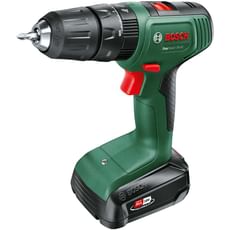
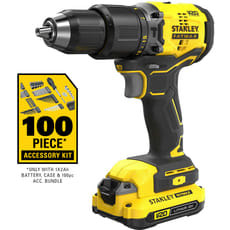
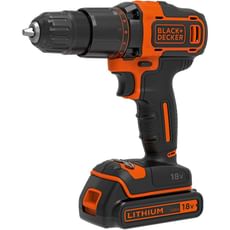
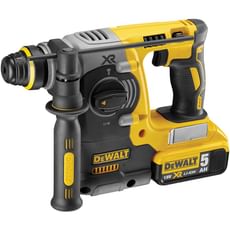
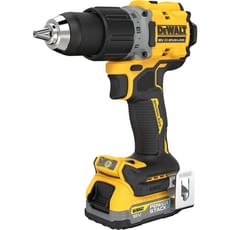
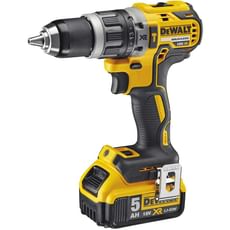
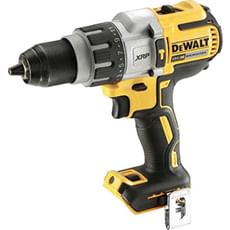
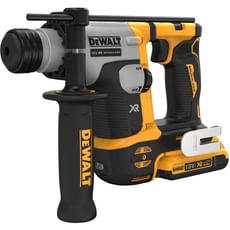
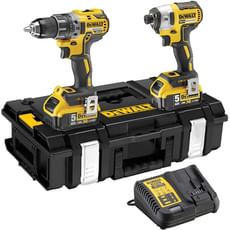
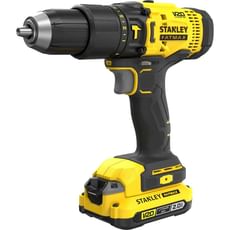
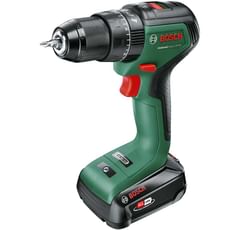
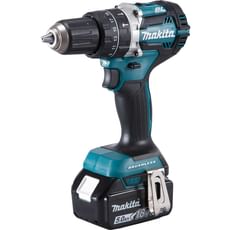
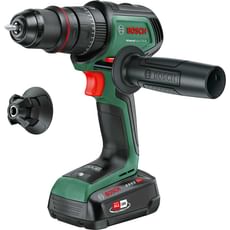
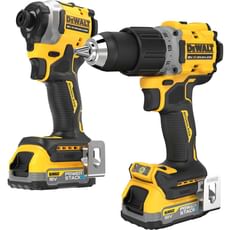
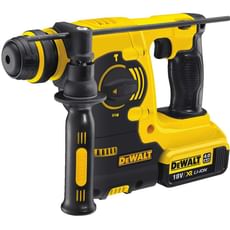
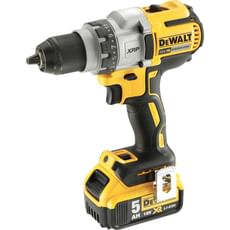
DeWalt DCK2050 18v XR Cordless Brushless Combi Drill and Impact Driver
in stock
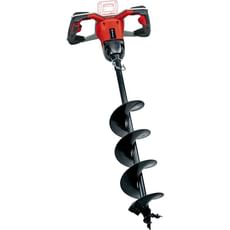
Einhell Professional GP-EA 18/150 Li BL 18v Cordless Brushless Earth Drill Auger
in stock
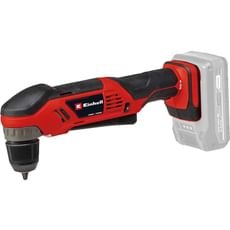
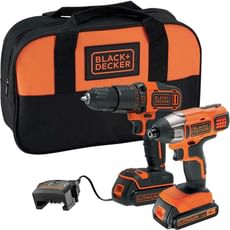
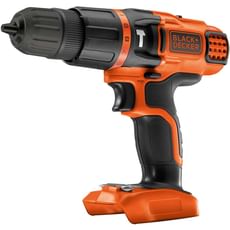
Black and Decker BCK25S2S 18v Cordless Combi Drill and Impact Driver Kit
in stock
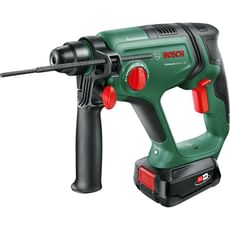
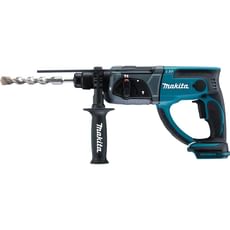
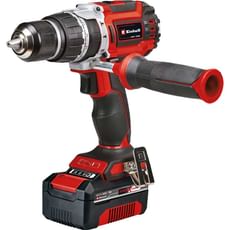
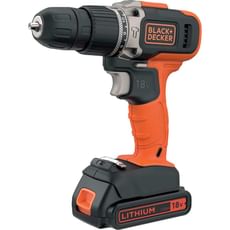
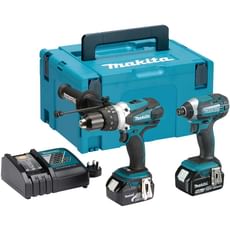
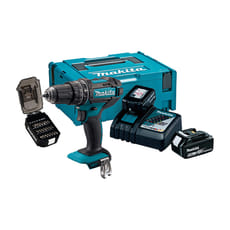
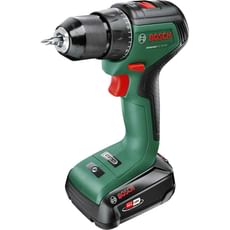
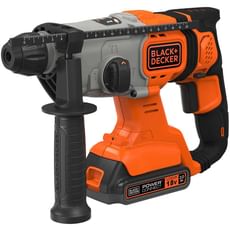
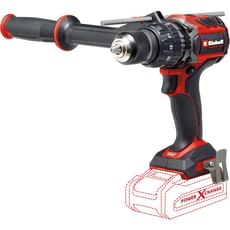
Einhell Professional TP-CD 18/120 Li-I BL 18v Cordless Brushless Combi Drill
in stock
 Loading...
End of content
Error - No more pages to load
About 18v Drills
18v cordless drills represent the industry-standard voltage platform for both professional tradespeople and dedicated DIY enthusiasts, delivering an optimal balance of power, portability, and runtime. This voltage category has become the workhorse choice across construction sites and workshops throughout the UK, offering sufficient torque to handle demanding applications from masonry drilling to heavy-duty fastening, whilst remaining comfortable for extended use without the constraints of a 240v mains cable. Whether you're drilling pilot holes through timber joists, driving self-tapping screws into steel, or creating fixings in brick and blockwork, an 18v drill provides the versatility needed for diverse applications.
The selection at Tooled-Up.com encompasses three primary drill types: standard drill drivers for rotary drilling and screwdriving, combi drills (hammer drills) that combine rotary action with percussive hammering for masonry work, and dedicated SDS-plus hammer drills engineered for intensive concrete and brick drilling. Available from leading manufacturers including Bosch Professional, Bosch Home and Garden, DeWalt, and Black and Decker, the range spans entry-level domestic tools through to brushless professional-grade machines built to withstand rigorous site conditions. Products are available as bare units for those already invested in a battery ecosystem, or as comprehensive kits including batteries, fast chargers, and robust carry cases.
One significant advantage of the 18v platform is battery interchangeability within each manufacturer's cordless tool range. This ecosystem approach enables professionals to power multiple tools—drills, impact drivers, circular saws, and more—from a single battery platform, reducing investment costs and eliminating the need to carry multiple chargers on site. For tradespeople running four or five different cordless tools daily, this compatibility represents substantial practical and economic benefits.
Jargon Buster
- Li-ion (Lithium-ion): The battery chemistry employed in modern cordless power tools, offering superior energy density, no memory effect, and minimal self-discharge compared to older nickel-cadmium (NiCd) technology. Li-ion batteries maintain consistent voltage output throughout the discharge cycle.
- Ah (Ampere-hours): The capacity measurement of a battery pack, typically ranging from 1.5Ah through to 6.0Ah or higher. A battery with greater Ah rating provides longer runtime between charges, though this increases tool weight. Compact 2.0Ah packs suit overhead work, whilst 5.0Ah batteries handle all-day site use.
- Brushless Motor: Advanced motor technology using electronic control circuits rather than carbon brushes, delivering approximately 30% longer runtime, improved efficiency, reduced maintenance requirements, and extended tool lifespan. Now standard in professional-grade models from manufacturers like Bosch Professional and DeWalt.
- Torque Settings: Adjustable clutch positions (commonly 10-25 incremental settings) controlling the maximum rotational force applied during screwdriving. This prevents overdriving fixings, stripping screw heads, and damaging delicate materials, whilst enabling consistent fastening across repeated operations.
- Combi Drill: A versatile drill offering three operational modes via selector switch: standard rotary drilling for wood and metal, hammer drilling with percussive action for masonry applications, and screwdriving with adjustable torque control for precision fastening work.
- Keyless Chuck: A tool-free chuck mechanism allowing rapid bit changes by hand-tightening, eliminating the need for separate chuck keys. Standard chuck sizes are 10mm and 13mm, with 13mm being most common on 18v drills for accommodating larger diameter drill bits.
Who Uses 18v Drills?
- Electricians and electrical contractors: Drilling cable routes through studwork, fixing consumer units and distribution boards, and installing conduit systems and trunking
- Carpenters and joiners: Creating pilot holes, countersinking fixings, driving screws in cabinetry and furniture making, and first-fix joinery work on construction sites
- Plumbers and heating engineers: Fixing pipe brackets and clips, drilling access holes through joists for pipework, and installing radiators and heating system components
- General builders and maintenance contractors: All-round drilling and fastening operations across timber, metal, masonry, and composite materials throughout construction projects
- Kitchen and bathroom fitters: Assembling units, fixing wall cabinets, installing worktops, and fitting sanitaryware with precision torque control to prevent damage
- Fencing contractors and landscapers: Drilling and fastening outdoors where mains power isn't accessible, constructing timber fencing, decking, and garden structures
- Shopfitters and retail contractors: Installing display units, shelving systems, point-of-sale fixtures, and fitting-out commercial premises
- DIY enthusiasts and homeowners: Home improvement projects, flat-pack furniture assembly, picture hanging, shelving installation, and general property maintenance tasks
- Property maintenance teams: Repairs and refurbishment work across residential and commercial properties, handling diverse drilling and fastening requirements
How to Choose the Right 18v Drills
Drill Type Selection: Determine whether you require a basic drill driver (rotary drilling and screwdriving only), a combi drill with hammer function for occasional masonry work, or a dedicated SDS-plus hammer drill for regular concrete drilling. Most tradespeople select a combi drill as their primary tool due to its three-mode versatility covering the broadest range of applications.
Motor Technology: Brushless motors justify the premium for professional users through superior runtime efficiency, greater power output, and extended service life with minimal maintenance. Traditional brushed motors remain perfectly adequate for occasional domestic use where the tool won't experience daily intensive use.
Battery Capacity Considerations: Match battery size to your typical usage patterns and application requirements. Compact 2.0Ah batteries minimise weight for overhead drilling and delicate assembly work, whilst 4.0Ah or 5.0Ah high-capacity packs provide extended runtime for demanding site applications. Professional users should consider purchasing multiple batteries to maintain productivity throughout the working day without charging delays.
Torque Output Requirements: Professional combi drills typically deliver 50-70Nm torque, sufficient for most trade applications including driving 100mm screws into softwood and drilling 13mm holes in masonry. Heavy-duty models reaching 100Nm or more handle larger diameter holes, longer fixings, and dense hardwoods or engineered timber products.
Build Quality and Durability: Professional-grade tools feature metal gearbox housings, reinforced motor mounts, rubberised grip zones, and comprehensive warranties (typically three years for trade-focused models). DIY-orientated tools utilise more plastic components but represent excellent value for lighter, intermittent use patterns.
Battery Platform Compatibility: If you already own cordless tools from Bosch, DeWalt, or Black and Decker, remaining within that 18v battery ecosystem makes economic sense. Tooled-Up stocks extensive cordless tool ranges from these manufacturers, all sharing interchangeable battery packs and charging systems.
Popular Accessories
- Drill Bit Sets: HSS (high-speed steel) bits for metal drilling, brad point wood bits with centre spurs for accurate timber drilling, and tungsten carbide-tipped masonry bits for brick, concrete, and blockwork
- Screwdriver Bits: Comprehensive selections of PZ (Pozidriv), PH (Phillips), Torx, and hex driver bits in various lengths, plus magnetic bit holders ensuring secure retention during screwdriving operations
- Impact-Rated Accessories: Torsion bits with flexible zones designed to absorb shock loading when used with impact drivers, preventing premature bit failure
- Hole Saws: Bi-metal and carbide-tipped hole saws for cutting large diameter holes in timber, plasterboard, plastics, and thin metal for cable and pipe penetrations
- Spare Batteries: Additional Li-ion battery packs maintaining workflow efficiency, particularly 4.0Ah or 5.0Ah high-capacity units for all-day operation
- Fast Chargers: Rapid charging units reducing downtime by fully charging depleted batteries in 30-60 minutes, essential for professional users maximising productivity
- Drill Bit Extensions: Flexible and rigid extensions reaching into recessed areas, behind obstacles, and extending working depth capabilities beyond standard bit lengths
- Depth Stops and Guides: Attachments ensuring consistent drilling depth for repeated operations, particularly useful for dowelling, shelf pin holes, and precision cabinetry work
Safety Information
Personal Protective Equipment: Always wear safety glasses or impact-rated goggles when drilling to protect against flying debris, swarf, and dust particles, particularly when drilling masonry, metal, or materials producing fine dust. Hearing protection is advisable during extended use or when hammer drilling concrete. Work gloves improve grip comfort, though avoid loose-fitting gloves that could catch in rotating chucks.
Workpiece Security: Always clamp or securely fix materials before drilling operations. Hand-holding workpieces risks serious injury if the drill bit catches and the material spins. Use appropriate workbenches, engineering vices, or quick-release clamps to maintain complete control throughout drilling operations.
Hidden Services Detection: Before drilling into walls, ceilings, or floors, use a cable and pipe detector to identify hidden electrical cables, water pipes, and gas lines. Contact with live 240v cables can prove fatal, and striking concealed pipes causes significant damage and expense. The HSE emphasises proper detection procedures before penetrating structural elements.
Battery Handling and Storage: Only use genuine or manufacturer-approved batteries and chargers specific to your drill model. Remove the battery pack before changing accessories, clearing jammed bits, or performing maintenance. Store batteries away from heat sources, direct sunlight, and metal objects that could cause terminal short circuits. Avoid storing fully charged batteries for extended periods—maintain 30-60% charge for long-term storage.
Appropriate Accessories: Use drill bits and accessories specifically rated for your target material. Wood bits in metal or masonry bits in steel will fail and potentially cause injury. Ensure bits are properly secured in the chuck with all three jaws gripping evenly before commencing operations. Check chuck tightness regularly during extended use.
Frequently Asked Questions
What's the difference between a combi drill and a standard drill driver?
A combi drill incorporates a hammer function adding percussive impact to the rotary motion, enabling drilling into masonry, brick, concrete, and blockwork. A standard drill driver only rotates and is designed for wood, metal, plastics, and plasterboard. Combi drills offer greater versatility through a mode selector switch, functioning as both tool types, making them the preferred choice for tradespeople encountering diverse materials.
Are 18v drills sufficiently powerful for professional trade use?
Absolutely. The 18v platform has become the industry-standard voltage for professional tradespeople across most applications. Modern 18v brushless drills from manufacturers like Bosch Professional and DeWalt deliver performance equivalent to older 24v models whilst offering improved battery runtime, reduced weight, and better balance. They handle masonry drilling, driving large fixings, and demanding site work throughout the working day.
Can I use batteries from one brand in another manufacturer's 18v drill?
Unfortunately not. Each manufacturer employs proprietary battery mounting systems, terminal configurations, and electronic communication protocols that aren't cross-compatible between brands. However, batteries are typically interchangeable across the entire 18v cordless tool range from the same manufacturer—for example, all Bosch Professional 18v tools share identical battery packs, as do all DeWalt 18v tools within their XR range.
How long do 18v Li-ion batteries last before requiring replacement?
Quality lithium-ion batteries typically maintain good performance for 500-1000 charge cycles, translating to several years of regular use for most tradespeople and considerably longer for domestic users. Battery longevity depends on usage intensity, charging habits, storage conditions, and environmental factors. Maintaining batteries at partial charge (30-60%) during storage periods and avoiding temperature extremes significantly extends their operational lifespan.
Do I need a dedicated SDS drill if I already own a combi drill with hammer function?
For occasional small diameter holes (6-10mm) in brick or lightweight blockwork, a combi drill's hammer function proves adequate. However, if you regularly drill larger diameter holes (exceeding 10mm) or work extensively in dense concrete and hard masonry, a dedicated SDS-plus hammer drill is substantially more efficient and effective. SDS drills deliver greater impact energy, faster drilling speeds, and superior dust extraction compatibility, justifying the investment for professional users in construction and installation trades.