

18v Sanders

Pay in 3 interest-free payments on purchases from £20-£3000 with  . Learn more.
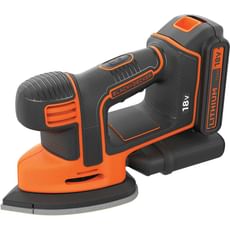
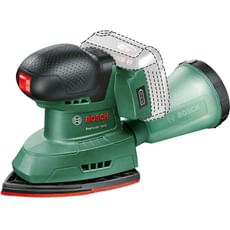
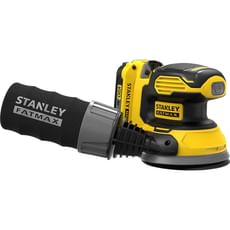
Stanley Fatmax V20 SFMCW220 18v Cordless Random Orbit Disc Sander 125mm
in stock
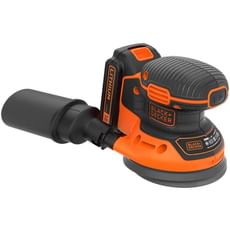
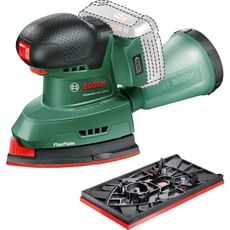
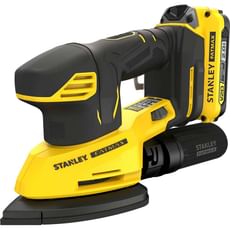
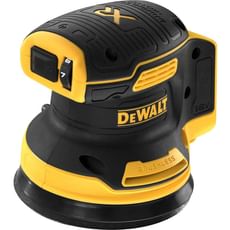
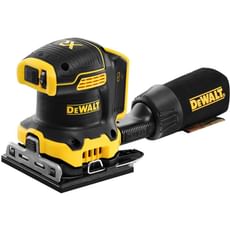
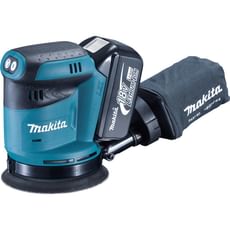
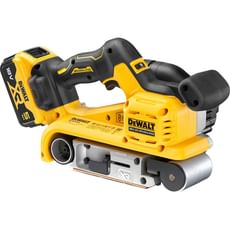
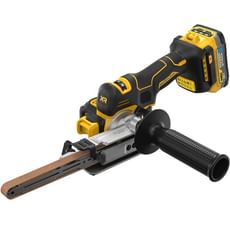
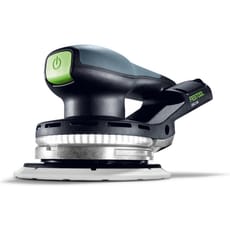
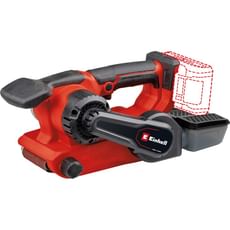
Einhell Professional TP-BS 18/457 BL 18v Cordless Brushless Belt Sander 75mm
in stock
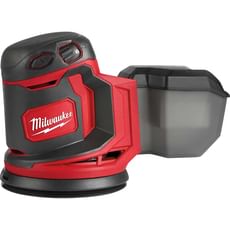
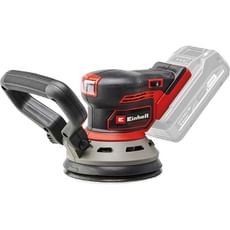
Einhell Professional TP-RS 18/32 Li BL 18v Cordless Brushless Disc Sander 125mm
in stock
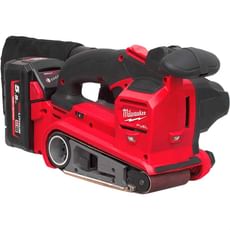
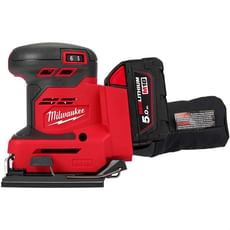
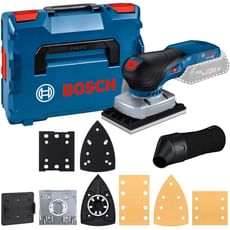
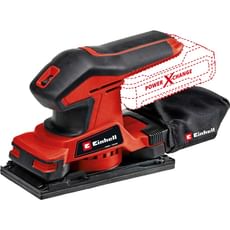
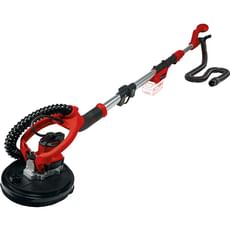
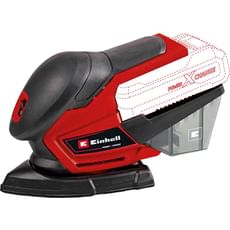
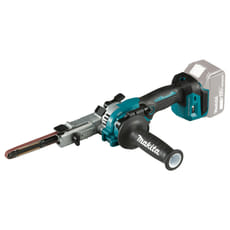
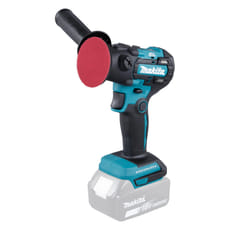
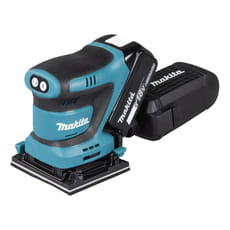
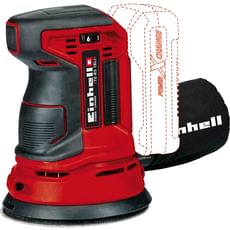
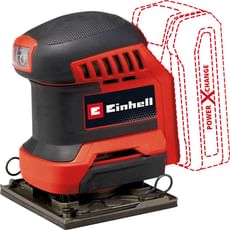
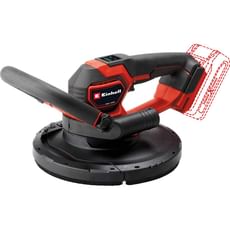
Einhell Professional TP-DWS 18/225 Li BL 18v Cordless Drywall Sander 225mm
in stock
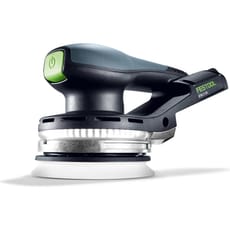
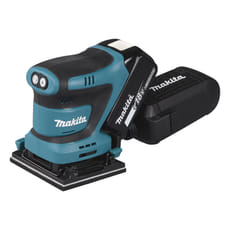
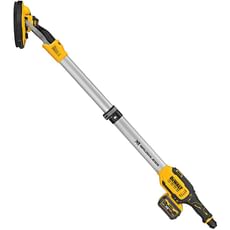
 Loading...
End of content
Error - No more pages to load
About 18v Sanders
Cordless 18v sanders have become indispensable tools for professional tradespeople and serious DIY enthusiasts, delivering the performance and reliability of mains-powered equipment without the limitations of cables. The 18v platform represents the industry standard for cordless power tools, offering exceptional compatibility across battery systems and enabling users to build a comprehensive toolkit around a single battery platform. Whether you're preparing surfaces for decoration, smoothing timber components, or tackling drywall finishing work, these versatile tools provide complete freedom of movement whilst maintaining professional-grade results.
The range available at Tooled-Up.com encompasses multiple sander types to suit every application: random orbital disc sanders excel at fine finishing work with minimal swirl marks, belt sanders tackle rapid stock removal on larger surfaces, palm sanders handle detailed work in confined spaces, multi-sanders navigate awkward corners and profiles, and specialist drywall sanders feature extended poles for ceiling work without scaffolding. Leading manufacturers including Makita, DeWalt, Milwaukee, Festool, and Bosch Professional dominate the professional market with brushless motor technology that delivers extended runtime, reduced maintenance, and superior power efficiency. Meanwhile, Einhell, Black and Decker, and Stanley provide excellent value options for occasional users and home workshop applications.
Modern 18v cordless sanders incorporate sophisticated features that rival their 240v corded counterparts: variable speed control allows precise adjustment for different materials, advanced dust extraction systems achieve 90%+ efficiency when connected to suitable vacuum extractors, and tool-free pad changing systems with hook-and-loop attachments enhance productivity on site. Brushless motor technology has transformed cordless sanders from convenient alternatives into genuinely viable primary tools for all-day professional use, with 4.0Ah and higher capacity batteries providing substantial runtime between charges.
Jargon Buster
- Brushless Motor: Advanced motor technology that eliminates carbon brushes, resulting in approximately 25-30% longer runtime per charge, zero maintenance on motor components, increased power efficiency under load, and significantly extended tool lifespan compared to traditional brushed motors.
- Random Orbital Action: A sophisticated dual-motion sanding pattern that combines rotation with an offset orbital (elliptical) movement to prevent visible swirl marks and achieve superior finishes on wood, metal, composite materials, and painted surfaces.
- Ah (Ampere-hours): The capacity rating of lithium-ion batteries, typically ranging from 2.0Ah to 6.0Ah or higher. Higher Ah ratings provide longer runtime between charges but increase tool weight, which matters during overhead work or extended sanding sessions.
- OPM (Orbits Per Minute): The speed measurement for orbital and random orbital sanders, indicating how many oscillating movements the pad completes per minute. Variable speed control typically allows adjustment from around 7,000 to 12,000 OPM depending on material hardness and desired finish.
- Dust Extraction Efficiency: The percentage of sanding dust captured by the tool's integrated collection system, with modern professional sanders achieving 90%+ efficiency when connected to suitable M-Class or H-Class vacuum extractors—essential for HSE compliance regarding respirable dust exposure limits.
- Hook and Loop System: The quick-change abrasive attachment method using Velcro-style fastening that allows tool-free switching of sanding pads in seconds, now standard on virtually all modern cordless sanders for improved productivity.
Who Uses 18v Sanders?
Cordless 18v sanders serve essential functions across numerous trades and applications:
- Carpenters and Joiners: Smoothing timber components, preparing joints for assembly, finishing cabinetry, fitted furniture, and architectural joinery
- Decorators and Painters: Surface preparation before coating, removing old paint layers, achieving smooth finishes ready for primers and topcoats
- Drywall Installers and Plasterers: Smoothing taped joints, preparing plasterboard surfaces, removing high spots, and blending compound applications
- Floor Fitters: Edge sanding work, spot repairs on damaged areas, and finish sanding on hardwood and engineered timber floors
- Kitchen and Bathroom Fitters: Preparing cabinets for installation, worktop finishing and edge preparation, general installation work
- Shopfitters and Refurbishment Contractors: On-site finishing work where portability and freedom from cables proves essential
- Property Maintenance Teams: General repair and renovation work across multiple sites where cordless operation improves efficiency
- Automotive Refinishers: Bodywork preparation, paint removal, filler smoothing, and inter-coat flatting work
- DIY Enthusiasts: Home renovation projects, furniture restoration, woodworking hobbies, and general household maintenance
- Furniture Makers and Restorers: Fine finishing work, between-coat sanding, delicate restoration tasks requiring precision control
How to Choose the Right 18v Sanders
Sander Type Selection: Your primary application dictates which style of sander you require. Random orbital disc sanders (typically 125mm) offer the best all-round performance for finishing work with virtually invisible scratch patterns. Belt sanders excel at rapid material removal on larger flat surfaces. Palm sanders provide precision control for detailed work and edges. Multi-sanders handle awkward corners and profiles effectively. Drywall sanders feature extended poles for ceiling work without platforms or stepladders. Many professionals invest in multiple types to cover all applications efficiently.
Battery Platform Compatibility: If you already own 18v cordless tools, selecting sanders from the same manufacturer ensures complete battery interchangeability across your toolkit. Makita, DeWalt, Milwaukee, Bosch, and Festool all offer extensive 18v cordless ranges. Check whether batteries are included or if the tool is sold "body only"—buying into an established platform often makes body-only purchases significantly more economical for subsequent tools.
Motor Technology and Runtime: Brushless motors deliver approximately 25-30% more runtime and power than brushed equivalents whilst eliminating maintenance on motor brushes. For professional all-day use, prioritise brushless models paired with 4.0Ah or higher capacity batteries. Occasional users may find 2.0-3.0Ah batteries perfectly adequate for intermittent work. Remember that higher capacity batteries add weight, which becomes significant during overhead work or extended periods of continuous use.
Dust Extraction Capability: Effective dust collection isn't merely about cleanliness—it's essential for HSE compliance regarding respirable wood dust exposure limits (EH40 WEL). Look for sanders with high extraction efficiency ratings and compatibility with your existing vacuum extractor. Many professional models feature integrated dust collection systems with micro-filtration, whilst budget options may require aftermarket extraction solutions or dedicated dust bags.
Speed Control and Settings: Variable speed adjustment allows you to match the sanding rate to material type—slower speeds prevent burn-through on veneers and paint, whilst higher speeds enable rapid stock removal on solid timber. Electronic speed control maintains consistent performance under load. Some models offer multiple preset speeds for common applications, improving convenience and consistency.
Ergonomics and Vibration Levels: Low vibration levels reduce operator fatigue and long-term health risks associated with hand-arm vibration syndrome (HAVS). Check published vibration figures (measured in m/s²) and assess tools physically before purchasing if possible. Rubberised grips, well-balanced designs, and auxiliary handles on belt sanders all contribute to comfortable extended use.
Professional vs DIY Grade: Festool and Milwaukee represent premium professional specifications with exceptional build quality, comprehensive warranties, and superior performance under demanding conditions. Makita, DeWalt, and Bosch Professional offer excellent professional-grade tools at mid-range prices that satisfy most trade users. Einhell, Black and Decker, and Stanley provide capable DIY-focused options at accessible price points. Match your investment to usage intensity—professional tradespeople justify premium tools through daily use and improved productivity, whilst occasional users may find mid-range or DIY models perfectly sufficient.
Popular Accessories
- Sanding Discs and Sheets: Available in various grit grades from coarse (40-60 grit) for heavy material removal through medium (80-120 grit) for general preparation to fine (180-240 grit) for finishing work. Stock multiple grades for different applications and materials.
- Additional Battery Packs: Extra 18v batteries ensure continuous operation without downtime, particularly important for professional users. Consider maintaining one battery on charge whilst another powers the tool for uninterrupted workflow.
- Dust Extraction Hoses and Adapters: Connect your sander to workshop or site vacuum extractors for effective dust control. Universal adapters accommodate different hose diameters between sanders and extractors.
- Replacement Backing Pads: Backing pads wear over time and are available in various hardness grades—softer pads conform to contoured surfaces, whilst harder pads suit flat surfaces for efficient material removal.
- Sanding Frames and Extensions: Extend drywall sander reach for ceiling work, add edge guides for consistent results, or attach detail sanding accessories for specialist applications.
- Protective Carry Cases: Purpose-designed storage solutions keep tools organised, protect them during transport between sites, and extend equipment lifespan by preventing damage.
- Personal Protective Equipment: FFP2 or FFP3 rated dust masks for respiratory protection, safety glasses to prevent eye injuries from flying debris, and hearing protection where noise levels exceed 85dB.
Safety Information
Sanders generate substantial quantities of fine dust particles that pose serious health risks when inhaled. Wood dust is classified as a potential carcinogen under COSHH regulations, and prolonged exposure can cause respiratory problems, occupational asthma, dermatitis, and other chronic health conditions. Always operate sanders connected to suitable dust extraction equipment achieving minimum Medium (M-Class) filtration standards. Wear appropriate respiratory protection (minimum FFP2 dust masks, FFP3 for hardwoods and MDF) even when extraction systems are employed, as no extraction achieves 100% efficiency.
Be aware of hand-arm vibration exposure limits as defined by the Control of Vibration at Work Regulations 2005. Keep daily exposure below the Exposure Action Value (EAV) of 2.5 m/s² A(8) and well below the Exposure Limit Value (ELV) of 5.0 m/s² A(8). Check manufacturer specifications for vibration emission values and maintain tools properly to minimise vibration transmission. Use proper technique, take regular breaks, and report any symptoms of vibration-related injury promptly.
Wear safety glasses or face shields to protect against flying debris and dust particles. Ensure workpieces are properly secured with clamps or vices before commencing sanding operations. Avoid loose clothing, jewellery, ties, or anything that could become entangled in moving parts. When sanding overhead surfaces, wear protective headwear to prevent dust and debris falling into hair and eyes. Never operate sanders in explosive atmospheres or near flammable materials—friction-generated heat and sparks can ignite dust clouds or vapours.
Before changing sanding pads or performing any maintenance, remove the battery pack completely to prevent accidental activation. Allow sanders to come to complete rest before setting them down on work surfaces. Keep ventilation grilles clear of debris to prevent motor overheating and premature failure. Follow manufacturer guidance regarding appropriate materials—some sanders aren't suitable for metal or masonry work due to spark generation or excessive dust production.
Frequently Asked Questions
Can 18v cordless sanders match the performance of 240v corded models?
Modern brushless 18v sanders paired with 4.0Ah or higher capacity batteries now deliver performance genuinely comparable to mains-powered equivalents for most applications. Professional-grade models from Makita, DeWalt, Milwaukee, and Festool rival corded tools in power output and material removal rates, though runtime remains the limiting factor compared to continuous mains power. For site work, locations without readily accessible power supplies, or working at height where cables present trip hazards, cordless sanders often prove superior due to improved manoeuvrability and safety. Very heavy-duty continuous operation throughout entire working days may still favour corded tools in workshop environments, but the performance gap has narrowed considerably with recent battery and motor technology advances.
Are batteries and chargers included with 18v sanders?
This varies significantly by product and how Tooled-Up lists individual items. Some sanders are sold as complete kits including one or two batteries, a charger, and sometimes a carry case, whilst others are available as "body only" (tool without batteries or charger) at reduced prices. Body-only options suit tradespeople who already own compatible batteries from the same manufacturer's 18v platform and want to expand their toolkit economically. Always check product listings carefully before purchasing—the most economical approach is typically buying your first tool within a platform as a complete kit, then purchasing subsequent tools body-only to share batteries across your entire toolkit, maximising value and minimising redundant chargers.
How long will an 18v battery last when sanding?
Runtime depends on multiple factors including battery capacity (Ah rating), sanding intensity and pressure applied, material hardness, ambient temperature, and whether the motor is brushed or brushless. As a general guide, a 4.0Ah battery in a brushless random orbital sander provides approximately 25-35 minutes of continuous sanding under moderate load on softwood. Belt sanders consume power more rapidly due to higher material removal rates, whilst lighter-duty palm sanders and detail sanders extend runtime considerably. Professional users typically work with two or three batteries in rotation, keeping one on charge whilst another powers the tool to maintain productivity throughout the working day without interruption.
What's the difference between random orbital and standard orbital sanders?
Standard orbital (or sheet) sanders move the pad in a simple circular or rectangular orbit, which can leave visible swirl marks on finished surfaces, particularly noticeable on bare wood under angled lighting. Random orbital sanders combine rotational movement with an offset orbital action, producing a randomised scratch pattern that's virtually invisible and suitable for fine finishing work. Random orbital sanders generally provide superior finish quality and reduce the need for hand-sanding between coats, but may be slightly less aggressive for heavy material removal on initial stock preparation. Both types are available in 18v cordless formats from major manufacturers.
Do I need different sanders for different materials and applications?
Whilst many quality sanders handle multiple materials adequately, specialist applications genuinely benefit from purpose-designed tools. Drywall sanders feature extended handles (sometimes up to 1.8 metres) and lightweight heads specifically for ceiling and wall work without platforms. Metal polishing requires variable speed control to prevent heat damage and discolouration. Automotive bodywork often demands dual-action polishers with foam pads rather than abrasive discs for final finishing stages. For general woodworking, decorating preparation, and DIY applications, a quality 125mm random orbital sander serves as an excellent all-rounder, supplemented by a belt sander for rapid stock removal if your work regularly involves removing old finishes or levelling timber surfaces.