

Bonding, Retaining & Sealing
Pay in 3 interest-free payments on purchases from £30-2000 with  . Learn more.
 Loading...
End of content
Error - No more pages to load
About Bonding, Retaining & Sealing
Bonding, retaining and sealing products represent a category of specialised chemical solutions that have transformed modern maintenance, repair and assembly work across professional trades. These engineered compounds include anaerobic adhesives, threadlocking formulations, retaining compounds, gasket makers and surface treatments designed to bond components permanently or semi-permanently, prevent fastener loosening under vibration, seal against fluid and gas leaks, and retain cylindrical assemblies under operational stress. From automotive workshops to industrial maintenance facilities, these products have largely superseded traditional mechanical fastening methods and cut gaskets in applications where superior performance, gap-filling capability and resistance to extreme conditions are required.
The range at Tooled-Up.com encompasses threadlocking compounds in low, medium and high-strength formulations for securing nuts, bolts and threaded components; retaining compounds engineered specifically for cylindrical assemblies such as bearings, bushings, keyways and splines; formed-in-place gasketing solutions that replace traditional cork or paper gaskets on flanges, covers and mating surfaces; and pipe sealants for leak-proof connections in hydraulic, pneumatic and plumbing systems. Surface treatments prepare components for optimal bonding performance and provide corrosion protection, whilst specialised formulations address demanding applications including high-temperature environments, chemical exposure, fast production cycles and bonding dissimilar materials like metal to plastic or metal to rubber.
Modern bonding, retaining and sealing technology offers substantial advantages over conventional methods: anaerobic adhesives cure only when confined between metal surfaces in the absence of air, eliminating concerns about premature setting; liquid compounds flow into surface irregularities and microgaps to create uniform bond lines impossible with mechanical fasteners; wicking-grade formulations penetrate pre-assembled components through capillary action; and chemical bonding distributes stress across the entire joint rather than concentrating loads at discrete fastener points. Whether you're rebuilding an engine, maintaining production machinery, installing hydraulic systems or assembling precision equipment, these chemical fastening and sealing solutions deliver reliable, repeatable performance that professional tradespeople and maintenance engineers depend upon daily.
Jargon Buster
- Anaerobic Adhesive: A chemical compound that remains liquid when exposed to air but cures to form a strong thermoset plastic when confined between metal surfaces in the absence of oxygen. The curing process is triggered by metal ions and the exclusion of air, making these products ideal for threadlocking, retaining and sealing applications where they fill gaps between threaded or cylindrical mating parts.
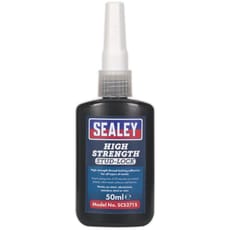
- Threadlocking Compound: Specialised anaerobic adhesive applied to threaded fasteners that cures to prevent nuts, bolts and screws from loosening due to vibration, shock loads or thermal cycling. Available in colour-coded strength grades: low strength (typically purple, removable with hand tools), medium strength (blue, removable with standard tools), and high strength (red, requiring heat above 250°C for disassembly).
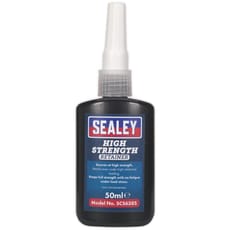
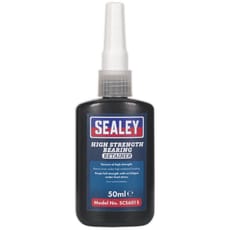
- Retaining Compound: High-strength anaerobic adhesive formulated specifically for bonding cylindrical assemblies where components have slip-fit tolerances. Creates a solid interference fit between shafts and housings, bearings and bores, or bushings and cavities, eliminating the need for mechanical retention methods like keys, pins or press fits whilst filling gaps up to 0.5mm depending on viscosity grade.
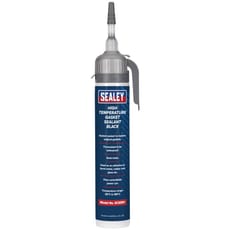
- Formed-in-Place Gasket: Liquid or paste sealant applied directly to flanges, covers and mating surfaces that cures to create a flexible, leak-proof seal conforming perfectly to surface contours and irregularities. These chemical gaskets eliminate inventory of multiple cut gasket sizes, accommodate surface imperfections, resist blowout better than traditional materials, and simplify disassembly without scraping residue.
- Wicking Grade: Low-viscosity formulation designed to penetrate into pre-assembled components through capillary action. Applied after parts are mated together, wicking-grade adhesives flow into gaps as narrow as 0.05mm to lock or seal components already in position, useful for applications where disassembly for conventional application is impractical or undesirable.
- Fixture Time: The period after application when an anaerobic adhesive develops sufficient strength to allow careful handling or repositioning of bonded components. Typically ranges from 10 minutes to 30 minutes depending on formulation, gap size, substrate material and ambient temperature, though full cure and maximum strength usually require 24 hours at room temperature.
Who Uses Bonding, Retaining & Sealing?
These specialised chemical fastening and sealing products are essential across numerous professional trades and industries:
- Automotive Technicians: Engine rebuilding, gearbox assembly, differential servicing, brake system repairs, exhaust manifold sealing and preventing fastener loosening throughout vehicle maintenance and modification work.
- Industrial Maintenance Engineers: Repairing and maintaining pumps, electric motors, gearboxes, conveyor systems and production machinery with reliable component retention, leak sealing and vibration-resistant fastening solutions.
- Plant Fitters and Millwrights: Installing heavy industrial equipment, securing bearings onto shafts, creating leak-proof hydraulic and pneumatic connections, and maintaining processing machinery in manufacturing facilities.
- Agricultural Mechanics: Repairing tractors, combine harvesters and farm implements exposed to severe vibration, temperature extremes, chemical exposure and demanding operating conditions in field service environments.
- Marine Engineers: Boat building and repair applications where water resistance, corrosion protection and reliable bonding of dissimilar materials under constant moisture exposure are paramount considerations.
- HVAC Installers: Sealing ductwork connections, creating gas-tight joints in heating systems, threadlocking fasteners on vibrating equipment, and gasketing flanged connections in commercial and industrial installations.
- General and Precision Engineers: Manufacturing assemblies, prototyping mechanical components, securing bearings in housings, bonding metal to plastic components, and creating reliable joints across diverse engineering applications.
- Plumbers and Heating Engineers: Thread sealing on gas pipe fittings, preventing leaks in water connections, gasketing flanged joints in heating systems, and securing threaded components in domestic and commercial installations.
- Construction Site Maintenance: Maintaining hydraulic systems on excavators and lifting equipment, securing structural connections, preventing fastener loosening on scaffolding and formwork, and emergency repairs to leaking systems.
How to Choose the Right Bonding, Retaining & Sealing
Selecting the appropriate product from the Tooled-Up range requires careful evaluation of your specific application requirements:
Application Type: First identify your primary need - threadlocking for nuts, bolts and threaded fasteners; retaining for cylindrical assemblies like bearings, bushings and sleeves; gasketing for flange sealing and formed-in-place gaskets; pipe sealing for threaded connections carrying fluids or gases; or structural bonding for joining dissimilar materials. Each application category has dedicated formulations optimised for that specific purpose with appropriate cure mechanisms, strength profiles and performance characteristics.
Strength and Removability: Products are available in low, medium and high-strength variants with significant implications for future maintenance. Low-strength (typically purple) allows disassembly with standard hand tools without heat, ideal for adjustable assemblies or frequently serviced fasteners. Medium-strength (blue) provides excellent vibration resistance whilst remaining removable with conventional tools for periodic maintenance. High-strength (red) creates essentially permanent bonds requiring localised heating above 250°C for disassembly, suitable for critical assemblies that will rarely if ever be separated.
Gap Size and Viscosity: Different viscosities accommodate different gap tolerances between mating surfaces. Wicking grades penetrate pre-assembled parts with gaps under 0.15mm through capillary action. Medium-viscosity formulations suitable for gaps up to 0.25mm represent the most common threadlocking and general-purpose applications. High-viscosity or paste formulations fill larger clearances up to 0.5mm found in worn components, oversized bores or deliberately loose-fitting assemblies requiring gap-filling capability.
Substrate Compatibility: Ensure the product is compatible with your materials - most anaerobic adhesives perform excellently on steel, cast iron and brass, but inactive metals like stainless steel, aluminium, zinc plating and cadmium plating may require primers or activators for reliable curing. Plastic substrates typically require different chemistry such as cyanoacrylate adhesives. Always verify compatibility for critical applications, particularly when bonding dissimilar materials or non-metallic components.
Environmental and Operating Conditions: Consider the service environment your assembly will experience. Temperature range is critical - standard products typically withstand -55°C to +150°C, whilst high-temperature formulations resist up to +200°C or beyond for exhaust systems, ovens or engine applications. Chemical resistance matters when assemblies contact oils, fuels, hydraulic fluids, coolants or aggressive chemicals. Dynamic loads, continuous vibration and shock loading require products specifically engineered for those stress conditions.
Cure Speed Requirements: Standard anaerobic products develop handling strength in 10-30 minutes with full cure in 24 hours at room temperature - adequate for most maintenance and repair work. Fast-cure formulations achieve fixture in minutes and full strength in 3-6 hours, valuable in production environments or when downtime must be minimised. Primers and activators accelerate curing on inactive metals, in cold conditions below 15°C, or with large gap applications where air exclusion is less complete.
Regulatory Compliance: Certain applications demand specific certifications and approvals. Gas installations require products approved to relevant gas safety standards. Potable water systems need WRAS-approved formulations. Food industry applications require NSF certification. Automotive applications may specify OEM approvals. Verify that products meet applicable standards for your industry and application to ensure compliance and warranty protection.
Popular Accessories
- Surface Primers and Activators: Accelerate cure times and ensure reliable bonding on inactive metals including stainless steel, aluminium and plated surfaces where standard anaerobic curing may be slow or incomplete.
- Cleaning and Degreasing Agents: Remove oils, cutting fluids, preservatives and contamination from surfaces before applying bonding or sealing compounds to ensure maximum bond strength and reliable performance.
- Precision Applicator Bottles: Needle-tip dispensing bottles and controlled-application tools for accurate product placement, reduced waste and preventing contamination of surrounding areas during assembly.
- Aerosol Activators: Spray-on primers that accelerate curing in low-temperature environments, with large gap applications, or when rapid fixturing is required to maintain productivity in assembly operations.
- Heat Guns and Torches: Controlled heating equipment for removing high-strength compounds during disassembly, activating heat-cure formulations, or preparing surfaces through thermal cleaning before bonding.
- Thread Chasing Tools: Taps, dies and thread restorers to clean and repair damaged threads before applying threadlocking compounds, ensuring optimal thread engagement and maximum holding strength.
- Chemical-Resistant Gloves: Nitrile or specialist gloves rated for methacrylate ester exposure to protect skin during application and prevent sensitisation from repeated contact with uncured adhesives.
- Dispensing Guns and Equipment: Pneumatic or manual dispensing systems for cartridge-format products, providing controlled application with reduced operator fatigue in production or high-volume maintenance environments.
Safety Information
When working with bonding, retaining and sealing products, observe proper safety precautions to protect yourself and others in accordance with HSE guidelines and COSHH regulations. Always ensure adequate ventilation as many products release fumes during application and curing - this is particularly important in confined spaces, workshops without extraction, or when applying large quantities. Wear appropriate personal protective equipment including nitrile or chemical-resistant gloves rated for methacrylate ester exposure to prevent skin contact, and safety glasses or face shields to protect against splashes, especially when working overhead or dispensing from pressurised containers.
Consult the product's COSHH safety data sheet before use to understand specific hazards, exposure limits and required control measures. Many anaerobic adhesives and sealants contain methacrylate esters which may cause skin sensitisation or allergic reactions with repeated exposure - avoid direct skin contact and wash immediately with soap and water if contact occurs. Never allow products to contact eyes, and seek immediate medical attention if eye contact happens. Keep containers tightly sealed when not in use to prevent premature curing and contamination, storing in cool, dry conditions away from direct sunlight according to manufacturer specifications, typically between 5°C and 25°C.
Some sealants, surface treatments and cleaning agents are flammable, so maintain adequate distance from ignition sources, hot surfaces, naked flames and welding operations. Extinguish pilot lights when working with flammable products in enclosed spaces. Dispose of empty containers, used applicators and waste material responsibly according to local authority regulations - do not allow products to enter drains, watercourses or soil. Cured anaerobic adhesives are inert and generally non-hazardous, but uncured liquid products require proper disposal as chemical waste. Maintain good personal hygiene, washing hands thoroughly after handling products and before eating, drinking or smoking, even when gloves have been worn throughout the work.
Frequently Asked Questions
What's the difference between threadlocking and thread sealing products?
Threadlocking compounds prevent mechanical loosening of fasteners due to vibration, shock or thermal cycling by creating a solid polymer lock between threads. They're used on dry mechanical assemblies like bolts securing machinery, engine components or structural connections. Thread sealing products (including PTFE tape, paste sealants and liquid pipe sealants) prevent leaks in threaded pipe connections carrying liquids or gases by filling the spiral leak path inherent in tapered pipe threads. Thread sealants must resist the specific media being contained (water, gas, oil, chemicals) whilst threadlockers need only resist mechanical loosening forces.
Can anaerobic retaining compounds be used on stainless steel assemblies?
Yes, but stainless steel is classified as an inactive metal due to its passive chromium oxide surface layer, which can significantly slow or prevent proper curing of standard anaerobic products. For reliable results on stainless steel, zinc-plated, cadmium-plated or aluminium components, apply an anaerobic primer or activator to one or both mating surfaces before assembly. The primer provides the metal ions necessary for cure initiation and ensures the product develops full strength within the specified time. This is particularly critical for high-strength applications, large-diameter assemblies or when rapid cure is required.
How long must I wait before putting a threadlocked or sealed assembly into service?
Handling strength typically develops within 10-30 minutes for most anaerobic threadlockers and retaining compounds, allowing careful repositioning or movement of components. However, full cure and maximum strength development usually requires 24 hours at room temperature (approximately 20°C). Fast-cure formulations may achieve 80-90% of full strength in 3-6 hours. For critical assemblies subjected to full operational loads, vibration, torque or pressure, always wait for complete cure before commissioning. Temperature, gap size, substrate material and product formulation all influence cure speed - consult specific product data sheets for precise timing.
Are formed-in-place gasket makers better than traditional cut gaskets?
Formed-in-place gasket makers offer several advantages: they conform perfectly to surface irregularities and minor imperfections that would cause traditional gaskets to leak; eliminate the need to stock multiple gasket sizes and shapes; resist blowout better than paper or cork gaskets under pressure; can seal slightly warped, scored or damaged flanges; and simplify disassembly without extensive scraping of residue. However, traditional cut gaskets remain preferable for certain applications including very high-temperature services exceeding 300°C, assemblies requiring specific compressibility characteristics, applications with large surface area and minimal clamping force, or where regulatory requirements mandate particular gasket materials. The optimal choice depends on your specific temperature, pressure, media and assembly requirements.
Why does threadlocker sometimes not cure properly and remain liquid?
Several factors can prevent proper curing of anaerobic threadlockers. Inactive metal surfaces (stainless steel, aluminium, zinc plating) lack sufficient metal ions to initiate the cure reaction - resolve this with primers or activators. Excessive gaps beyond the product's specification prevent adequate air exclusion necessary for anaerobic curing. Ambient temperatures below 10°C significantly slow cure rates. Contamination from oils, cutting fluids or preservatives on threads interferes with the cure mechanism - always degrease surfaces before application. Very old product may have degraded - check expiry dates and store unopened containers properly. Extremely small fasteners (below M3) may not provide sufficient thread engagement for complete air exclusion. Use fast-cure formulations with activators when facing challenging cure conditions.