
Faithfull Demolition Tools









Loading...
End of content
Error - No more pages to load
Faithfull Demolition Tools at Tooled-Up.com
Faithfull Demolition Tools cover the hand tools used for breaking out, prising apart, striking and clearing on strip-out and renovation jobs. The selection includes bars, bolsters and cold chisels, earth rammers, hammers, mallets, mauls and tack lifters. Together they cover everything from taking up old floor coverings to breaking masonry and compacting ground.
Each product type does a different job. Bars give leverage for prising and lifting. Bolsters and cold chisels cut and split brick, block and metal when driven with a hammer. Hammers, mallets and mauls supply the striking power, and earth rammers and tack lifters handle ground compaction and floor preparation.
Tooled-Up.com stocks Faithfull Demolition Tools for tradespeople and DIYers who want dependable manual tools for tough, physical work, with no batteries or mains supply needed on site.
Key Features of Faithfull Demolition Tools
- Leverage from bars: a longer bar gives more prising force with less effort, while a shorter one suits tight spaces such as stripping out joinery.
- Cutting and splitting edges: bolsters and cold chisels have a hardened working edge for clean cuts in brick, block and metal, with each chisel type matched to its material.
- Striking weight: hammers, mallets and mauls differ in head weight and material. A heavier head drives chisels and breaks material faster, while a lighter one gives more control for repeated work.
- Specialist design: earth rammers and tack lifters are built for one task each, so they do it more efficiently than a general-purpose tool.
- Site-ready construction: these are simple, robust hand tools that can take knocks, dust and damp, and they can be maintained with basic cleaning and sharpening.
Who Uses Faithfull Demolition Tools?
- General builders – for strip-out, structural alterations and knocking through walls.
- Bricklayers and masons – for cutting and splitting brick and block with bolsters and a lump hammer.
- Groundworkers and landscapers – for compacting soil and bedding with earth rammers, and breaking out hard material.
- Carpet and floor fitters – for lifting tacks and old coverings before laying new floors.
- Carpenters and joiners – for prising off boards, trims and fixings without wrecking the surrounding structure.
- DIY renovators – for room clearances, patio breakouts and garden projects.
Popular Faithfull Demolition Tools
Bars
Used for lifting, prising and levering apart framing, boards, fixings and heavy items. Choose the length to suit the space and the force you need.
Bolsters and Cold Chisels
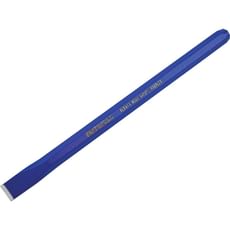
Bolsters have a wide blade for cutting bricks and block. Cold chisels are for chopping metal, removing mortar and general breaking work.
Hammers, Mallets and Mauls
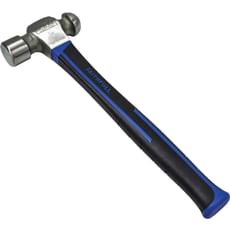
Hammers drive chisels and break material. Mallets suit lighter, controlled striking, and mauls are for heavier driving and splitting work.
Earth Rammers
Ideal for consolidating soil, hardcore and bedding material around paving, posts and trenches.
Tack Lifters
These remove tacks and small fixings from floors and upholstery without damaging the surface.
Browse the full Faithfull selection at Tooled-Up.com to match each tool to the job in hand.
Frequently Asked Questions
Which Faithfull tool should I use to cut brick?
A bolster is the usual choice for cutting brick and block. Drive it with a club or lump hammer. A cold chisel is better for narrower work such as chasing or removing mortar.
What is the difference between a hammer, a mallet and a maul?
Hammers are for driving chisels and breaking material. Mallets suit lighter, more controlled striking. Mauls are heavier and are used where more driving or splitting force is needed.
What do I need to consider when choosing a bar?
Length matters most. Longer bars give more leverage for heavy prising, while shorter bars are easier to handle in confined spaces and for delicate strip-out.
What safety equipment should I wear when using demolition tools?
Wear safety glasses or a face shield, gloves, sturdy boots and hearing protection where needed. Follow HSE guidance, and check for asbestos and other hazardous materials in line with COSHH before starting demolition work. Always inspect tools for damage before use.