

Stanley Belt Sanders

 Loading...
End of content
Error - No more pages to load
Stanley Belt Sanders at Tooled-Up.com
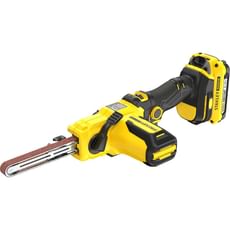
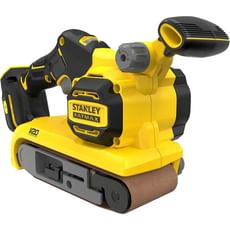
Stanley has established itself as one of the most trusted names in power tools and woodworking equipment, with a heritage spanning over 175 years of engineering excellence. The Stanley belt sander range represents the brand's commitment to delivering robust, reliable sanding solutions for both professional tradespeople and serious DIY enthusiasts. Known for their distinctive yellow and black livery, Stanley belt sanders combine proven mechanical design with modern power tool technology to tackle everything from rough stock removal to fine surface preparation.
Belt sanders from Stanley are engineered to handle the demanding requirements of workshop and on-site applications, where durability and consistent performance matter most. Whether you're working with hardwoods, softwoods, or composite materials, Stanley's approach to belt sander design prioritises user control, effective dust extraction, and long-term reliability. The brand's reputation for producing tools that can withstand the rigours of daily professional use makes their belt sanders a popular choice across the UK trade sector.
At Tooled-Up.com, the Stanley belt sander selection caters to various applications and budgets, ensuring that woodworkers, carpenters, and general contractors can find the right tool for their specific requirements. From compact models suitable for detailed work to heavy-duty sanders designed for high-volume stock removal, Stanley's range demonstrates their understanding of real-world workshop challenges.
Why Choose Stanley Belt Sanders?
Stanley belt sanders are built on a foundation of mechanical reliability that reflects the brand's long-standing reputation in the hand and power tool industry. The company's experience in manufacturing quality tools translates into belt sanders that feature robust motor housings, precision-engineered tracking systems, and well-balanced designs that reduce operator fatigue during extended use. Stanley understands that a belt sander needs to perform consistently across months and years of demanding work, which is why their models emphasise durable construction over unnecessary features.
The brand's commitment to value represents another compelling reason to choose Stanley belt sanders. Rather than positioning themselves at the premium end of the market, Stanley focuses on delivering dependable performance at competitive price points that appeal to both professional tradespeople managing tool budgets and DIY users seeking workshop-quality equipment. This value proposition doesn't mean compromising on essential features – Stanley belt sanders typically include effective dust collection systems, adjustable belt tracking, comfortable grip designs, and adequate power ratings for general sanding applications.
Stanley's global distribution network and established presence in the UK market also means that replacement belts, spares, and accessories are readily available through retailers like Tooled-Up, ensuring minimal downtime and straightforward maintenance. The brand's familiarity among British tradespeople provides additional confidence, as Stanley tools have been proven across countless job sites and workshops throughout the country.
Who Uses Stanley Belt Sanders?
- Carpenters and joiners who require reliable sanders for preparing timber components, smoothing joints, and finishing woodwork projects
- Cabinet makers needing consistent stock removal and surface preparation before applying finishes
- General builders using belt sanders for door fitting, floor preparation, and timber frame work
- Shopfitters requiring portable sanding solutions for on-site installation work
- Furniture makers and restorers who appreciate the balance between power and control for detailed work
- Property maintenance professionals tackling renovation projects involving woodwork preparation
- DIY enthusiasts and home woodworkers seeking professional-quality tools at accessible price points
- Educational workshops and training centres requiring dependable equipment for teaching woodworking skills
Key Features of Stanley Belt Sanders
Stanley belt sanders incorporate several design features that enhance their practicality and performance. Most models feature powerful 240V motors that deliver consistent belt speed under load, ensuring effective material removal even when working with harder timbers or paint-covered surfaces. The motor specifications are typically calibrated to provide a good balance between power and controllability, making Stanley sanders suitable for both aggressive stock removal and more delicate finishing work.
Belt tracking systems on Stanley sanders are designed for straightforward adjustment, with clearly accessible controls that allow users to keep the abrasive belt running true without constant fiddling. This attention to tracking mechanism design reduces belt wear and prevents the frustration of belts wandering off the platen during use. The front roller assemblies on Stanley models are engineered to provide smooth belt travel whilst maintaining consistent contact pressure across the sanding surface.
Dust extraction capabilities feature prominently in Stanley's belt sander designs, with most models incorporating integrated dust collection ports compatible with standard workshop vacuum hose diameters. Effective dust management not only maintains visibility of the work surface but also creates healthier working conditions – a consideration increasingly important given HSE guidance on wood dust exposure. Ergonomic handle designs with rubber overmoulding provide secure grip and vibration dampening, reducing operator fatigue during extended sanding sessions.
Popular Stanley Belt Sanders
Within the Stanley belt sander range, several model types address different application requirements. Compact belt sanders with narrower belt widths (typically 75mm) offer manoeuvrability and precision for detailed work, door edges, and confined spaces. These lighter models prove particularly valuable for site work where portability matters and power supply may be limited.
Standard-width belt sanders (100mm belt width) represent the most versatile category, handling everything from general timber preparation to paint removal and metalwork finishing. These mid-sized models balance sanding capacity with control, making them the preferred choice for general carpentry and joinery applications. Heavy-duty belt sanders with wider belts and more powerful motors cater to high-volume material removal tasks, though Stanley's focus tends toward practical, all-purpose models rather than specialist industrial equipment.
Browse the selection at Tooled-Up to compare specifications, belt sizes, and motor ratings across the Stanley range to identify the model that best matches your typical applications and workflow requirements.
Safety and Compliance
Stanley belt sanders manufactured for the UK market comply with relevant British and European safety standards, including BS EN 61029 for transportable motor-operated electric tools. All models feature standard 240V operation with BS 1363 three-pin plugs and appropriate cable strain relief to prevent electrical hazards. Double-insulated construction provides protection against electric shock without requiring earth connections.
Users should always wear appropriate personal protective equipment when operating belt sanders, including safety glasses or goggles to protect against flying particles, and hearing protection for extended use. Dust masks or respirators rated for fine wood dust are essential, particularly when working with hardwoods, MDF, or previously finished timber that may contain harmful substances. The Health and Safety Executive recommends maximum exposure limits for wood dust, making effective dust extraction or collection not just good practice but a regulatory requirement in professional settings.
Always ensure belt sanders are disconnected from the mains supply before changing belts, adjusting tracking, or performing any maintenance. Check that abrasive belts are correctly fitted and tracking properly before switching on, and allow the tool to reach full speed before bringing the sanding surface into contact with the workpiece. Secure workpieces properly to prevent movement, and maintain firm two-handed control of the sander throughout operation.
Frequently Asked Questions
What belt sizes do Stanley belt sanders use?
Stanley belt sanders typically use standard belt widths of 75mm or 100mm, with common lengths ranging from 457mm to 610mm (often expressed as 3" x 18" or 4" x 24" in imperial measurements). The specific belt size required depends on your model, and this information is clearly marked on the tool's specification plate. Replacement belts in various grit grades are widely available from Tooled-Up and other tool retailers across the UK.
Are Stanley belt sanders suitable for professional use?
Yes, Stanley belt sanders are designed to meet the demands of professional tradespeople, offering robust construction and reliable performance for daily workshop and site use. Whilst positioned as value-oriented tools rather than premium industrial equipment, Stanley models provide the durability and consistent operation that carpenters, joiners, and general contractors require. Many professionals appreciate Stanley's balance of capability and affordability, particularly for tools that may experience hard use or work in challenging site conditions.
Can Stanley belt sanders be used for metalwork?
Stanley belt sanders can effectively sand metal surfaces when fitted with appropriate abrasive belts designed for metalworking applications. Common uses include removing rust, smoothing welds, and preparing metal surfaces for painting or coating. When sanding metal, ensure adequate dust extraction or work in well-ventilated areas, as metal particles can pose health hazards. Be aware that metal sanding generates more heat than woodworking, which can reduce belt life and potentially damage the workpiece if excessive pressure is applied.
How do I maintain my Stanley belt sander?
Regular maintenance extends the working life of Stanley belt sanders and ensures consistent performance. After each use, disconnect from the mains and use a brush or compressed air to remove dust and debris from motor ventilation slots, belt tracking mechanisms, and the platen area. Periodically check the condition of the drive belt (if accessible) and carbon brushes, replacing worn components as needed. Keep the platen surface flat and free from damage, as dents or scratches will transfer through the abrasive belt to your workpiece. Store the sander in a dry environment and check power cables regularly for damage.
What's the difference between a belt sander and an orbital sander?
Belt sanders like those from Stanley use a continuous loop of abrasive material driven around two rollers, providing aggressive linear sanding action ideal for rapid stock removal, levelling surfaces, and heavy-duty material preparation. Orbital sanders use a circular or rectangular pad that moves in small orbital patterns, producing finer finishes with less risk of gouging but slower material removal. Belt sanders excel at initial preparation work, whilst orbital sanders are better suited to fine finishing. Many woodworkers use both types in sequence, with the Stanley belt sander handling rough work before switching to an orbital sander for final surface preparation.