

Stanley Nail Bars

 Loading...
End of content
Error - No more pages to load
Stanley Nail Bars at Tooled-Up.com
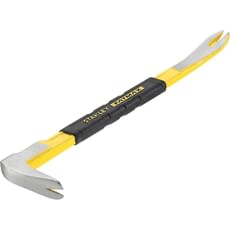
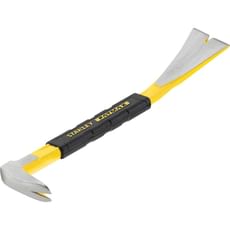
Stanley has been a trusted name in professional hand tools for over 175 years, and their nail bars exemplify the brand's commitment to durability and performance. Designed for demanding demolition, dismantling, and prying tasks, Stanley nail bars combine high-carbon steel construction with ergonomic design principles to deliver reliable results on site after site. Whether removing nails from reclaimed timber, levering up floorboards, or dismantling pallets, these precision-engineered tools provide the leverage and strength that professional tradespeople depend on.
The Stanley range available from Tooled-Up.com represents the brand's dedication to manufacturing tools that withstand the rigours of daily professional use. Each nail bar undergoes heat treatment processes to enhance strength and prevent bending under load, whilst bevelled nail slots and forged tips ensure effective nail removal without damaging surrounding materials. From compact models for tight access work to heavy-duty versions for industrial applications, Stanley nail bars are built to the exacting standards that have made the brand synonymous with quality craftsmanship.
Tooled-Up stocks Stanley nail bars that cater to both trade professionals requiring site-ready durability and DIY enthusiasts tackling home renovation projects. The brand's attention to detail extends beyond raw strength to include features such as precision-ground edges for improved bite, strike caps for hammer blows, and carefully calculated lengths that balance leverage with manoeuvrability in confined spaces.
Why Choose Stanley Nail Bars?
Stanley's reputation in the hand tool market is built on consistent quality and innovation that spans generations. Their nail bars benefit from decades of metallurgical expertise, with each tool manufactured from high-carbon steel that's been drop-forged for superior grain structure and impact resistance. This manufacturing approach creates tools that resist chipping, cracking, and permanent deformation even when subjected to heavy striking forces or used as improvised levers in challenging situations.
The brand's commitment to ergonomic design means Stanley nail bars feature carefully contoured grips and balanced weight distribution that reduces user fatigue during extended use. Unlike cheaper alternatives that can slip or twist during prying operations, Stanley implements precise manufacturing tolerances that ensure consistent performance. The nail slots are sized and positioned to grip fastener heads securely, whilst bevelled edges facilitate easy insertion beneath nail heads without splintering timber or marking finished surfaces.
Stanley backs their nail bars with robust warranties that reflect confidence in product longevity. This assurance, combined with widespread availability of genuine Stanley tools through established retailers, makes the brand a sensible choice for professionals who cannot afford tool failures that halt productive work. The brand's investment in continuous improvement means even classic designs incorporate modern materials science and user feedback gathered from real-world applications.
Who Uses Stanley Nail Bars?
- Carpenters and joiners removing nails from reclaimed timber and dismantling formwork
- Demolition contractors breaking down structures and separating building components
- General builders performing first-fix and second-fix carpentry tasks
- Roofing specialists removing battens and stripping old roof coverings
- Flooring installers lifting floorboards and removing existing floor coverings
- Fencing contractors dismantling old fencing and separating timber components
- Property maintenance teams carrying out repair and renovation work
- Salvage and reclamation specialists carefully removing architectural features
- DIY enthusiasts undertaking home improvement and restoration projects
- Shopfitters removing fixtures and fittings during refit work
Key Features of Stanley Nail Bars
Drop-Forged Construction: Stanley employs drop-forging techniques that align the steel's grain structure along the tool's length, creating exceptional strength and resistance to bending under load. This manufacturing process produces nail bars significantly stronger than cast or machined alternatives.
Heat-Treated Steel: Precise heat treatment enhances the hardness of working surfaces whilst maintaining core toughness that prevents brittle fractures. This dual-property approach ensures edges stay sharp and functional throughout the tool's service life.
Bevelled Nail Slots: Strategically positioned slots feature bevelled edges that slide easily beneath nail heads, providing secure purchase without requiring excessive force that might damage substrates. Multiple slot sizes accommodate various fastener types.
Ergonomic Handle Design: Contoured grip sections reduce pressure points and improve control during prying operations. Some models incorporate cushioned grips that absorb vibration and enhance comfort during repetitive use.
Forged Chisel Tips: Precision-ground tips penetrate tight gaps and provide effective leverage points. The chisel profile allows the tool to function as both nail remover and general-purpose prying implement.
Strike Cap Design: Many Stanley nail bars feature reinforced striking surfaces that withstand hammer blows without mushrooming or deforming, enabling users to drive the tool beneath stubborn fasteners.
Popular Stanley Nail Bars
Stanley manufactures nail bars in various lengths to suit different applications and working environments. Compact 250mm models excel in confined spaces where longer tools would prove unwieldy, making them ideal for furniture restoration and detailed carpentry work. Mid-length 400mm versions strike an optimal balance between leverage and manoeuvrability, serving as versatile general-purpose tools for site work and home renovation projects.
Heavy-duty 600mm nail bars deliver maximum leverage for demanding demolition tasks and industrial applications where substantial prying force is required. These professional-grade tools incorporate reinforced shanks and enlarged strike caps that withstand intensive use in harsh environments. The Tooled-Up Stanley selection encompasses models with various tip geometries, from narrow profiles for precision work to wider chisel ends for aggressive material removal.
Stanley also produces specialist nail bars with offset angles that improve access in restricted spaces and reduce knuckle clearance requirements when working against perpendicular surfaces. These design variations demonstrate Stanley's understanding of real-world challenges faced by tradespeople across different disciplines.
Safety and Compliance
When using Stanley nail bars, operators should wear appropriate personal protective equipment including safety glasses to guard against flying debris, and work gloves to improve grip and protect hands from sharp edges. Ensure the working surface is stable and secure before applying prying force, as unexpected material movement can cause loss of control.
Inspect nail bars before each use for signs of damage such as bent shanks, cracked tips, or mushroomed strike caps that might indicate compromised structural integrity. Never use nail bars as makeshift chisels with power hammers, as this exceeds design parameters and may cause dangerous tool failure. When striking nail bars with hammers, use controlled blows and ensure bystanders maintain a safe distance.
Stanley nail bars should be stored in dry conditions to prevent corrosion that could weaken the steel. Clean tools after use to remove debris and moisture, and apply light oil to metal surfaces if extended storage is anticipated. Following these guidelines ensures Stanley nail bars deliver safe, reliable performance throughout their operational life whilst meeting Health and Safety Executive recommendations for hand tool use.
Frequently Asked Questions
What's the difference between a nail bar and a wrecking bar?
Nail bars are typically lighter and more compact than wrecking bars, designed specifically for nail removal and precision prying work. Stanley nail bars feature bevelled nail slots optimised for gripping fastener heads, whereas wrecking bars prioritise raw leverage for heavy demolition. Nail bars excel in carpentry and restoration work where control and material preservation matter, whilst wrecking bars suit aggressive demolition applications.
Can Stanley nail bars be used for striking with a hammer?
Many Stanley nail bars incorporate reinforced strike caps specifically designed to withstand hammer blows, allowing users to drive the tool beneath stubborn fasteners. However, always check the specific product specifications, as not all models include this feature. Never strike the main shank or working ends, as this may cause damage and create safety hazards.
How do I choose the right length Stanley nail bar for my work?
Consider your typical working environment and the leverage required for your applications. Compact 250-300mm models suit detailed work and confined spaces, 400-500mm versions offer versatile general-purpose performance, whilst 600mm and longer bars deliver maximum leverage for demanding demolition tasks. Many professionals at Tooled-Up choose multiple lengths to cover various scenarios encountered on site.
Are Stanley nail bars suitable for removing screws as well as nails?
Stanley nail bars can remove screws in situations where heads are stripped or fasteners are painted over, though they work best with traditional slotted screws that provide purchase for the tool's edge. For Phillips or Pozidrive screws, appropriate screwdrivers or impact drivers typically prove more effective. The primary design focus remains nail removal and general prying applications.
How should I maintain my Stanley nail bar to ensure longevity?
Clean your Stanley nail bar after each use to remove debris, moisture, and corrosive materials. Inspect regularly for damage, and store in dry conditions to prevent rust formation. Apply light machine oil to metal surfaces if tools will be stored for extended periods. Avoid using nail bars beyond their design capacity, as overloading can cause permanent deformation that compromises future performance.