

Stanley Squares & Bevels
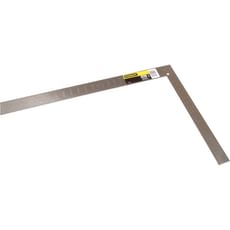
 Loading...
End of content
Error - No more pages to load
Stanley Squares & Bevels at Tooled-Up.com
Stanley has been synonymous with precision measuring and marking tools for over 175 years, and their squares and bevels represent some of the most trusted instruments in professional workshops and on building sites across the UK. The Stanley squares and bevels collection available from Tooled-Up.com encompasses a comprehensive range of layout tools designed to deliver accuracy and durability in the most demanding environments. From traditional combination squares that have served generations of tradespeople to innovative quick squares engineered for modern construction methods, Stanley continues to set the benchmark for measuring tool excellence.
Whether marking accurate 90-degree angles for carpentry work, setting precise bevels for complex joinery, or checking the squareness of assembled frames, Stanley's squares and bevels deliver the consistency and reliability that professionals demand. Each tool in the range is manufactured to exacting standards, with many featuring hardened steel blades, corrosion-resistant finishes, and easy-to-read graduated scales that remain legible even after years of site use. The Tooled-Up Stanley range includes combination squares with die-cast zinc heads, try squares with rosewood stocks, sliding bevels for transferring angles, and speed squares that have become indispensable for roofing and framing work.
Stanley's commitment to practical innovation means their squares and bevels incorporate thoughtful design features that enhance usability and extend tool life. From quick-release mechanisms that allow rapid blade adjustment to laser-etched graduations that won't wear away, these tools are engineered for the realities of professional use. Browse the Stanley selection at Tooled-Up.com to discover measuring and marking tools that combine time-tested design principles with modern manufacturing precision.
Why Choose Stanley Squares & Bevels?
Stanley's reputation for producing dependable layout tools is built on consistent quality and genuine understanding of tradesperson requirements. Their squares and bevels are manufactured from premium materials selected specifically for dimensional stability and resistance to workshop conditions. Steel blades are precision-ground to ensure accurate right angles and straight edges, whilst heads and stocks are engineered to maintain their calibration even after repeated drops and impacts that are inevitable on busy job sites.
The brand's extensive experience in hand tool design is evident in the ergonomic considerations present throughout their squares and bevels range. Comfortable handling during extended marking sessions, clear visibility of measurement scales in varying light conditions, and secure locking mechanisms that prevent unwanted blade movement all contribute to faster, more accurate work. Stanley also maintains competitive pricing without compromising on quality, making their squares and bevels accessible to both established professionals and those just starting out in the trades.
Perhaps most importantly, Stanley stands behind their tools with robust warranties and a service infrastructure that ensures long-term support. When tradespeople invest in Stanley squares and bevels, they're purchasing tools that can be relied upon for years of daily use, backed by a company that understands the cost of tool failure on site and the importance of measurement accuracy to professional reputation.
Who Uses Stanley Squares & Bevels?
Stanley squares and bevels are essential tools for a diverse range of trades and applications:
- Carpenters and Joiners: For marking accurate cuts, checking frame squareness, and setting out joints
- Cabinet Makers: Precision layout work and quality control of assembled furniture pieces
- Roofers and Framers: Quick angle calculations and rafter marking with speed squares
- Shopfitters: Ensuring accurate installation of fixtures and fittings in retail environments
- Metalworkers and Engineers: Precision marking and inspection of fabricated components
- Bricklayers and Stonemasons: Checking corners and setting out accurate angles
- Boat Builders: Complex angle work and precision fitting in marine construction
- DIY Enthusiasts: Home improvement projects requiring accurate measurement and marking
- Construction Site Managers: Quality control and inspection of contractor work
Key Features of Stanley Squares & Bevels
Stanley incorporates numerous distinctive features across their squares and bevels range that enhance accuracy, durability, and ease of use:
Precision-Ground Blades: Hardened steel blades are ground to strict tolerances, ensuring true 90-degree angles and straight edges that serve as reliable references for marking and checking work. Many feature satin chrome finishes that resist corrosion whilst reducing glare under site lighting.
Clear Graduated Scales: Measurement markings are laser-etched or deeply stamped into blade surfaces, providing long-lasting legibility. Dual metric and imperial graduations on many models accommodate different measurement preferences and international working standards.
Robust Head Construction: Combination square heads are typically cast from zinc alloy or machined from solid brass, providing the weight and stability needed for accurate scribing work. Precision-machined reference surfaces ensure consistent 90-degree and 45-degree angles.
Secure Locking Mechanisms: Thumbscrews and locking nuts are engineered to hold blade positions firmly without requiring excessive force, allowing quick adjustments whilst preventing unwanted movement during use.
Ergonomic Stocks: Try square stocks are crafted from seasoned hardwoods or durable composites that provide comfortable handling and resistance to workshop conditions. Brass face plates protect working edges and enhance accuracy.
Popular Stanley Squares & Bevels
The Stanley squares and bevels collection encompasses several distinct tool types, each optimised for specific applications:
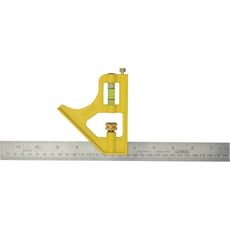
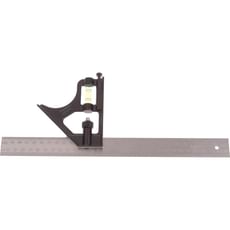
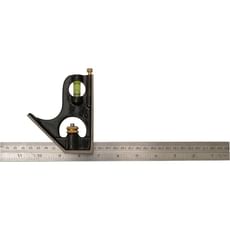
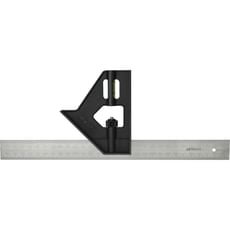
Combination Squares: Perhaps Stanley's most versatile layout tool, combination squares feature adjustable blades that can be positioned for measuring, marking, and checking depth. The cast head incorporates 90-degree and 45-degree reference faces, with many models including a removable scriber and spirit level for enhanced functionality.
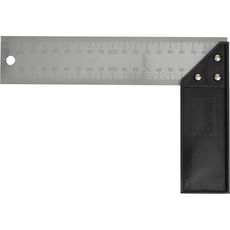
Try Squares: Traditional fixed-blade squares with wooden or metal stocks, offering unchanging 90-degree accuracy for checking right angles and marking perpendicular lines. Stanley try squares are manufactured to BS939 standards, ensuring professional-grade precision.
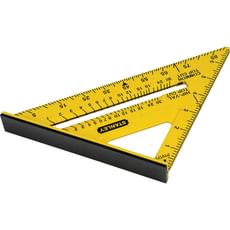
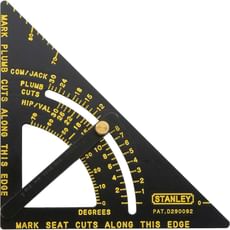
Speed Squares: Triangular aluminium layout tools that have revolutionised roofing and framing work. These multifunctional squares combine protractor, try square, and saw guide functions in a single compact tool, with laser-etched scales for rafter calculations and angle measurements.
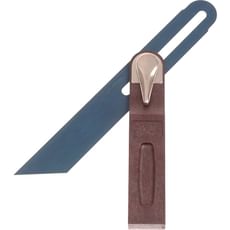
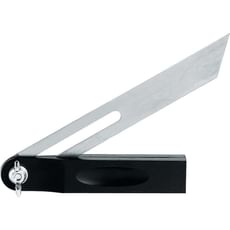
Sliding Bevels: Also known as bevel squares or false squares, these adjustable tools allow tradespeople to capture and transfer angles from existing work or set specific angles for cutting and joinery. Stanley sliding bevels feature brass-tipped locking mechanisms and hardwood stocks for lasting performance.
Engineers' Squares: Precision-ground steel squares designed for metalworking and engineering applications where exceptional accuracy is paramount. These tools are manufactured to strict tolerances and provide reliable reference surfaces for inspection and layout work.
Safety and Compliance
Whilst squares and bevels are not inherently dangerous tools, Stanley emphasises proper usage practices to prevent workplace accidents and ensure accurate results. Sharp blade edges should be handled carefully to avoid cuts, and tools should be stored in protective cases or designated toolbox locations to prevent damage to precision reference surfaces. Regular calibration checks against known square references help maintain accuracy and identify any tools that may have been compromised through impact or wear.
Stanley squares and bevels manufactured for the UK market comply with relevant British Standards for dimensional accuracy and material quality. Tools should be inspected before use, with particular attention paid to locking mechanisms, blade condition, and the integrity of reference surfaces. Any square or bevel showing signs of damage, wear, or loss of calibration should be replaced to maintain the quality standards expected in professional work.
When using squares as saw guides or marking tools, ensure workpieces are securely clamped and that you maintain proper hand position to avoid contact with cutting edges. Always mark away from your body, and use appropriate personal protective equipment including safety glasses when working in environments where metal filings, wood dust, or other debris may be present.
Frequently Asked Questions
How accurate are Stanley combination squares?
Stanley combination squares are manufactured to professional-grade tolerances, typically within 0.002 inches per inch of blade length. Their squares meet BS939 standards for accuracy, making them suitable for precision carpentry, joinery, and general engineering applications. Regular checking against a known square reference and proper storage will maintain this accuracy throughout the tool's working life.
What's the difference between a try square and a combination square?
A try square features a fixed blade permanently attached to its stock at a precise 90-degree angle, making it ideal for checking right angles and marking perpendicular lines. A Stanley combination square has an adjustable blade that slides through the head, allowing measurement of depths and distances whilst also providing 90-degree and 45-degree reference faces. Combination squares offer greater versatility, whilst try squares provide unchanging accuracy for dedicated squaring tasks.
Can Stanley sliding bevels be set to exact angles without a protractor?
Stanley sliding bevels are designed to capture and transfer angles rather than measure them precisely. To set an exact angle, you'll need to use the bevel in conjunction with a protractor, digital angle finder, or set it against a reference angle. Once set, the locking mechanism holds the blade position securely for transferring that angle to workpieces or cutting tools.
How do I maintain the accuracy of my Stanley squares?
Store Stanley squares in protective cases or dedicated tool storage to prevent impacts that could affect calibration. Avoid dropping squares onto hard surfaces, and keep reference surfaces clean and free from burrs or damage. Periodically check accuracy against a known square reference or using the "flip test" method. Clean and lightly oil moving parts on combination squares and sliding bevels to maintain smooth operation and prevent corrosion.
Are Stanley speed squares suitable for professional roofing work?
Yes, Stanley speed squares are widely used by professional roofers and framers for calculating rafter angles, marking cuts, and checking plumb and level. Their laser-etched scales provide common rafter measurements and angles, whilst the durable aluminium construction withstands the demanding conditions of construction sites. Many professional roofers consider a Stanley speed square an essential tool for efficient, accurate roof framing work.