

Stanley Wrecking Bars
 Loading...
End of content
Error - No more pages to load
Stanley Wrecking Bars at Tooled-Up.com
Stanley has been synonymous with reliable hand tools since 1843, and their wrecking bars represent some of the most trusted demolition and prying tools available to UK tradespeople today. Built to withstand the punishing demands of construction sites, renovation projects, and demolition work, Stanley wrecking bars combine time-tested design with modern metallurgy to deliver exceptional leverage and durability. Whether you're removing floorboards, dismantling timber frames, or extracting stubborn nails, Stanley's range of wrecking bars provides the strength and versatility that professional contractors depend on daily.
The Stanley wrecking bar collection available at Tooled-Up.com features various lengths and configurations to suit different applications, from compact pry bars for tight spaces to heavy-duty wrecking bars for demanding demolition tasks. Each tool is precision-forged from high-carbon steel, heat-treated for maximum strength, and designed with ergonomic considerations that reduce fatigue during extended use. Stanley's commitment to manufacturing excellence ensures that every wrecking bar delivers consistent performance, whether you're working on a residential refurbishment or a major commercial demolition project.
Recognised across the construction industry for their distinctive yellow and black branding, Stanley wrecking bars represent an investment in quality that pays dividends through years of reliable service. The brand's reputation for producing tools that withstand the rigours of professional use makes them a natural choice for tradespeople who refuse to compromise on quality or performance.
Why Choose Stanley Wrecking Bars?
Stanley's heritage in tool manufacturing spans nearly two centuries, and this wealth of experience is evident in every wrecking bar they produce. The brand has built its reputation on creating tools that simply work, day after day, year after year. When you select a Stanley wrecking bar, you're choosing a product that has been refined through generations of feedback from professional users who demand nothing less than exceptional performance.
The superior material quality sets Stanley wrecking bars apart from inferior alternatives. Each bar undergoes a precise heat treatment process that optimises the steel's molecular structure, creating the perfect balance between hardness and flexibility. This prevents the catastrophic failures—such as bending, breaking, or chipping—that plague cheaper wrecking bars. The forged construction method, rather than cast or stamped production, ensures consistent strength throughout the entire tool, eliminating weak points that could fail under load.
Stanley's attention to functional design details makes a tangible difference on the job site. The nail slots are precisely dimensioned for secure grip without damaging extracted nails, whilst the bevelled prying edges bite effectively into timber without excessive splitting. The striking faces are engineered to withstand repeated hammer blows without mushrooming or spalling, maintaining their integrity even after thousands of impacts. These thoughtful design elements, combined with Stanley's stringent quality control, ensure that tradespeople can work with confidence in the most demanding conditions.
Who Uses Stanley Wrecking Bars?
Stanley wrecking bars serve a diverse range of professionals and serious DIY enthusiasts across numerous applications:
- Demolition contractors who require reliable prying and dismantling tools for structural work
- Carpenters and joiners removing old timber frames, floorboards, and formwork
- General builders tackling renovation and refurbishment projects
- Roofing specialists stripping old battens, tiles, and roof structures
- Shopfitters dismantling existing fixtures and fittings
- Property maintenance teams conducting repair and alteration work
- Salvage and reclamation professionals carefully extracting reusable materials
- Landscapers removing fence posts, decking, and garden structures
- DIY enthusiasts undertaking home improvement and renovation projects
- Plant and facilities managers maintaining industrial and commercial properties
Key Features of Stanley Wrecking Bars
Stanley wrecking bars incorporate several distinctive features that enhance their performance and longevity. The high-carbon steel construction provides exceptional strength-to-weight ratios, allowing for maximum leverage without unnecessary bulk. Each bar is drop-forged rather than cast, creating a refined grain structure that significantly increases impact resistance and prevents premature failure under stress.
The heat treatment process applied to Stanley wrecking bars is precisely controlled to achieve optimal hardness levels. This ensures the striking surfaces resist deformation whilst the body retains sufficient flexibility to absorb shock loads without fracturing. The bevelled chisel ends are ground to specific angles that maximise prying efficiency whilst minimising timber damage during extraction work.
Functional design elements include strategically positioned nail slots that accommodate various nail sizes and provide secure purchase for extraction. The flattened striking surfaces are dimensioned to accept hammer blows accurately, reducing missed strikes and improving work efficiency. Many Stanley wrecking bars feature powder-coated or painted finishes that resist corrosion whilst remaining easy to locate on busy work sites. The weight distribution is carefully balanced to provide comfortable handling and reduce user fatigue during prolonged use.
Popular Stanley Wrecking Bars
The Stanley wrecking bar range encompasses several distinct types, each optimised for specific applications. Flat wrecking bars, typically available in lengths from 300mm to 900mm, provide versatile performance for general demolition and prying tasks. These feature dual-ended designs with different prying profiles at each end, maximising functionality and reducing the need to carry multiple tools.
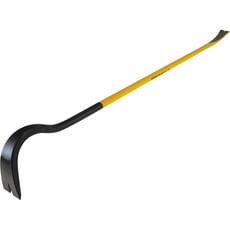
Gooseneck wrecking bars offer enhanced leverage through their curved design, concentrating force at the prying point for maximum efficiency when removing stubborn fixings or dismantling heavy timber structures. The angled configuration provides superior mechanical advantage compared to straight bars, making them particularly effective for heavy-duty applications.
Nail pullers combine wrecking bar functionality with specialised nail extraction capabilities, featuring precisely dimensioned slots that grip nail shanks securely without slippage. These tools excel in renovation work where careful material removal is essential, such as salvaging valuable timber or removing floorboards without causing unnecessary damage.
Heavy-duty demolition bars represent the most robust offerings in the Stanley range, designed specifically for structural demolition work where maximum strength and leverage are paramount. Browse the complete selection at Tooled-Up.com to find the ideal Stanley wrecking bar for your specific requirements.
Safety and Compliance
Whilst wrecking bars are relatively simple hand tools, their proper use is essential for maintaining workplace safety. The Health and Safety Executive (HSE) emphasises the importance of selecting appropriate tools for demolition work and ensuring they remain in serviceable condition. Stanley wrecking bars should be inspected regularly for signs of damage, including cracks, excessive wear, mushrooming of striking surfaces, or bending of the bar body.
When using Stanley wrecking bars, always wear appropriate personal protective equipment including safety glasses or goggles to protect against flying debris, and heavy-duty work gloves to prevent hand injuries. Steel-toed safety boots provide essential protection should a wrecking bar slip or fall during use. Ensure adequate working space around the demolition area to prevent injury to yourself or colleagues from swinging tools or falling materials.
Never strike a wrecking bar with damaged striking surfaces, as this may cause fragments to break away at high velocity. Similarly, avoid using wrecking bars as levers beyond their rated capacity, as this may cause sudden failure resulting in injury. When working at height or on ladders, secure wrecking bars properly to prevent them falling and causing injury to personnel below. Always follow method statements and risk assessments specific to your demolition project, ensuring compliance with current CDM regulations and HSE guidance.
Frequently Asked Questions
What's the difference between a wrecking bar and a crowbar?
Whilst the terms are often used interchangeably, wrecking bars typically refer to flat, straight bars with prying ends and nail slots, optimised for demolition and carpentry work. Stanley produces both types, with wrecking bars generally being lighter and more versatile for controlled dismantling work, whilst crowbars (or pinch bars) are heavier tools designed primarily for leverage in heavy demolition applications.
How do I maintain my Stanley wrecking bar?
After each use, remove debris and moisture from your Stanley wrecking bar, paying particular attention to nail slots and prying edges. Store in a dry location to prevent rust formation. Periodically apply a light coating of oil to bare metal surfaces. Inspect striking surfaces regularly and discontinue use if excessive mushrooming occurs, as this presents a safety hazard. With proper care, a Stanley wrecking bar will provide decades of reliable service.
What length wrecking bar do I need?
Length selection depends on your specific application and working environment. Shorter bars (300-450mm) excel in confined spaces and provide better control for precision work. Medium-length bars (600mm) offer the best balance of leverage and manoeuvrability for general carpentry and renovation tasks. Longer bars (750-900mm) deliver maximum leverage for heavy demolition work but require more working space. Many professionals carry multiple lengths to suit different situations.
Can Stanley wrecking bars be used with power tools?
Stanley wrecking bars are designed as hand tools and should only be struck with hand hammers or clubs. Never use them with power tools such as pneumatic hammers or demolition hammers, as the excessive force may cause catastrophic failure. The striking surfaces are engineered for manual hammer impacts only. For powered demolition work, select purpose-designed chisels and accessories rated for power tool use.
Are Stanley wrecking bars suitable for electrical work?
Stanley wrecking bars are manufactured from steel and conduct electricity, making them entirely unsuitable for use on or near live electrical installations. When working in environments where electrical cables may be present, always isolate power supplies before commencing demolition work. For electrical trades requiring insulated tools, select products specifically manufactured and tested to VDE or equivalent insulation standards. Never assume a standard wrecking bar provides any electrical protection whatsoever.