

Circular Saws
Pay in 3 interest-free payments on purchases from £30-2000 with  . Learn more.
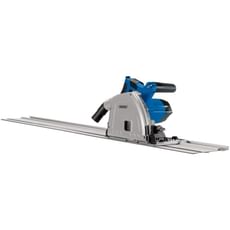
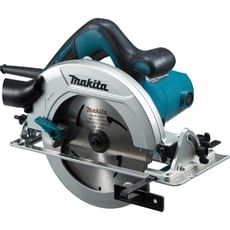
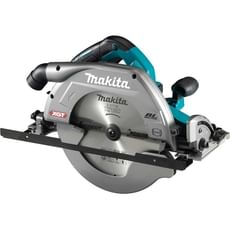
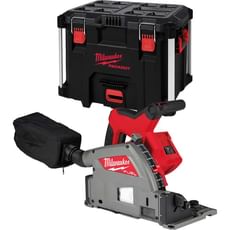
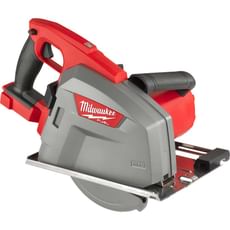
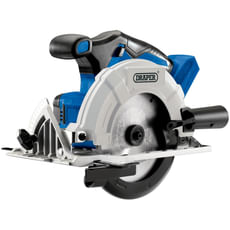
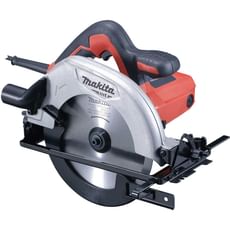
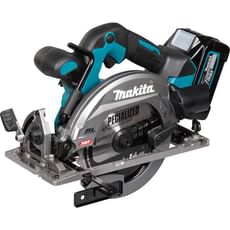
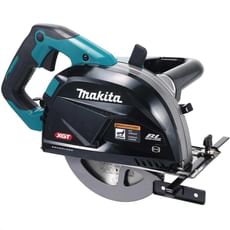
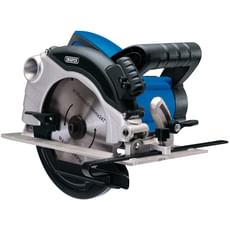
Makita CS002G 40v Max XGT Cordless Brushless Metal Cutting Circular Saw 185mm
available

 Loading...
End of content
Error - No more pages to load
About Circular Saws
Circular saws are among the most versatile and widely used power tools in construction and woodworking, offering the speed and precision required for cutting timber, sheet materials, and even metal. Whether you're a professional carpenter working on site framing, a kitchen fitter cutting worktops, or a DIY enthusiast tackling home improvement projects, a quality circular saw delivers straight, accurate cuts with minimal effort. The range at Tooled-Up includes models from leading manufacturers such as DeWalt, Bosch Professional, Festool, and Einhell, spanning compact 85mm cordless models through to heavy-duty 190mm corded saws for demanding applications.
Modern circular saws are available in both corded and cordless configurations to suit different working environments. Traditional 240v corded models provide consistent, unlimited power for workshop-based cutting and intensive jobsite work, whilst cordless circular saws running on 18v lithium-ion platforms offer unparalleled portability and freedom from trailing cables. Blade diameters typically range from compact 85mm and 140mm models ideal for lighter materials and overhead work, through versatile 165mm saws that represent the sweet spot for general construction, up to full-size 190mm models capable of cutting through thick structural timber in a single pass.
Beyond standard handheld circular saws, the category also includes specialised variants such as plunge saws for precision finish carpentry, metal cutting circular saws operating at lower speeds optimised for ferrous and non-ferrous metals, and guide rail compatible models that deliver perfectly straight cuts over extended distances. Understanding the differences between these tools and matching their capabilities to your specific requirements ensures you invest in equipment that enhances productivity and delivers professional results across your typical workload.
Jargon Buster
- Blade Diameter: The size of the circular saw blade measured in millimetres, typically ranging from 85mm to 190mm. Larger diameter blades provide greater maximum depth of cut but result in heavier, less manoeuvrable tools that can cause fatigue during extended use.
- Depth of Cut: The maximum thickness of material a circular saw can cut through in a single pass. This varies depending on blade angle – cuts at 90 degrees achieve maximum depth, whilst bevel cuts at 45 degrees have reduced cutting capacity.
- Bevel Capacity: The ability to tilt the saw blade for angled cuts, typically from 0 to 45 degrees, though some professional models offer up to 50 or 56 degrees for specialised joinery applications such as compound mitres.
- Brushless Motor: Modern motor technology that eliminates carbon brushes, resulting in improved efficiency, significantly longer runtime on cordless models, reduced maintenance requirements, and extended tool lifespan compared to traditional brushed motors.
- Guide Rail Compatible: Circular saws designed to run along precision aluminium guide rails (also called plunge tracks) for perfectly straight, splinter-free cuts over longer distances. Essential for accurately dimensioning large sheet materials like plywood and MDF.
- Rip Fence: An adjustable guide that attaches parallel to the blade, enabling consistent cuts at a fixed distance from the material edge – particularly useful for ripping down timber or breaking down sheet goods to specific widths.
Who Uses Circular Saws?
Circular saws are indispensable tools across numerous trades and applications:
- Carpenters and Joiners: Cutting timber frames, floor joists, roof rafters, door linings, and general first and second fix carpentry work on construction sites
- Kitchen and Bathroom Fitters: Trimming worktops, cutting plinths, preparing materials for fitted installations, and scribing units to uneven walls
- Roofers: Cutting roof timbers, fascias, soffits, and decking materials at height or on scaffolding where portability is essential
- Shop Fitters: Breaking down sheet materials, cutting display units, and fabricating bespoke retail installations from plywood and MDF
- Groundworkers and Landscapers: Cutting decking boards, fence panels, formwork for concrete pours, and timber structures for outdoor projects
- General Builders: All-round cutting requirements on construction sites from structural work through to finishing tasks
- Flooring Specialists: Cutting laminate, engineered wood, and solid timber flooring materials to length and width
- Maintenance Engineers: General fabrication work, cutting materials for repairs, and modification of existing structures
- DIY Enthusiasts: Garden projects, home renovations, furniture building, and general property maintenance requiring accurate timber cutting
How to Choose the Right Circular Saws
Power Source: Decide between corded and cordless operation based on your typical working environment. Corded 240v circular saws provide unlimited runtime and consistent power for intensive workshop use or sites with established power supplies. Cordless models offer superior portability and eliminate trip hazards, with modern 18v platforms from DeWalt, Bosch Professional, and Makita delivering impressive performance that rivals corded equivalents. For professional tradespeople already invested in a battery platform, choosing a compatible circular saw maximises value by sharing existing batteries and chargers across your tool collection.
Blade Size and Cutting Capacity: Match the blade diameter to your typical workload and material thicknesses. Compact 85mm to 140mm saws suit lighter materials, sheet goods, and overhead work where reduced weight minimises fatigue. Mid-size 165mm models represent the optimal balance for general-purpose work, comfortably cutting through standard 50mm construction timber whilst remaining manageable throughout the working day. Full-size 190mm circular saws deliver maximum cutting depth for heavy structural timbers and thick engineered wood products, though their increased weight requires more physical effort to control accurately.
Motor Power and Technology: Corded models available at Tooled-Up typically range from 1200W for occasional DIY use up to 1800W for professional applications requiring sustained performance. Look for brushless motor technology in cordless models, which delivers superior efficiency, extended battery runtime, and improved longevity. Professional-grade saws from manufacturers like Festool and Bosch Professional incorporate electronic motor management systems that maintain blade speed under load, ensuring consistent cutting performance even in demanding hardwoods and engineered materials.
Build Quality and Features: Professional tradespeople should prioritise durability with die-cast metal base plates that maintain accuracy over time, robust blade guards, and quality depth adjustment mechanisms with positive locking. Useful features include LED work lights for improved cut line visibility, electric brakes that stop the blade quickly for enhanced safety, dust extraction ports compatible with 35mm vacuum hoses for cleaner working, and tool-free blade changes that increase productivity on site. Guide rail compatibility is essential if you regularly work with sheet materials requiring precision straight cuts over extended distances.
Ergonomics and Balance: A well-balanced circular saw with comfortable grip positions reduces fatigue during extended use and improves control. Consider trigger position, handle design, and overall weight distribution relative to your physical build. Check sight line visibility to the blade and ensure depth and angle adjustment controls are easily accessible whilst wearing work gloves. If possible, handle different models before purchasing as comfort preferences vary significantly between users.
Popular Accessories
- Circular Saw Blades: TCT (tungsten carbide tipped) blades in various tooth configurations – rip blades with fewer teeth for cutting with the grain, cross-cut blades for cleaner cuts across the grain, fine-tooth blades for laminated materials, and specialised blades for metal cutting applications
- Guide Rails and Tracks: Precision aluminium extrusions that ensure perfectly straight cuts over extended distances, particularly valuable when dimensioning large sheet materials in the workshop or on site
- Rip Fences and Parallel Guides: Adjustable guides for making consistent parallel cuts at fixed distances from material edges, essential for ripping down timber and sheet goods
- Dust Extraction Adapters: Connectors enabling attachment to workshop vacuums or site dust extractors, essential for maintaining HSE compliance and protecting respiratory health when cutting MDF and treated timbers
- Spare Batteries and Chargers: Additional power packs and fast chargers to maintain productivity throughout the working day, particularly important for cordless models on sites without convenient mains power
- Protective Carrying Cases: Durable storage solutions that protect your investment during transport and provide organised on-site storage for the tool and accessories
- Angle and Depth Gauges: Precision measurement tools ensuring accurate setup for bevel cuts and consistent depth settings across multiple cuts
- Anti-Splinter Inserts: Replaceable zero-clearance inserts for guide rails that minimise splintering on laminated materials and veneered boards
Safety Information
Circular saws are powerful cutting tools capable of causing severe injuries if used improperly. Always read and understand the manufacturer's instructions before operating any circular saw, and never bypass or disable safety guards. The rotating blade presents serious risks including deep lacerations, severed fingers, and kickback incidents where the saw is violently thrown backwards towards the operator.
Personal Protective Equipment: Always wear appropriate PPE including safety glasses or a full face shield to protect against flying debris and dust, hearing protection as circular saws typically exceed 85dB during operation, and respiratory protection when cutting materials that produce harmful dust. Steel toe-capped boots provide essential protection if you drop the tool, whilst close-fitting clothing prevents entanglement with the blade. Never wear gloves when operating a circular saw as they can catch on the rotating blade and pull your hand into the cutting path.
Safe Operating Practices: Ensure materials are properly secured using clamps or a workbench before cutting – never hold workpieces by hand. Check for hidden nails, screws, or other obstructions that could cause blade binding and dangerous kickback. Maintain a firm two-handed grip with proper stance and stable footing. Allow the blade to reach full speed before entering the cut, and never force the saw – let the sharp blade do the work at its own pace. Always wait for the blade to stop completely before setting the tool down, as the momentum of the blade continues after releasing the trigger.
Electrical Safety and Maintenance: Inspect power cables for damage before each use, and ensure 240v corded models are properly earthed and protected by RCD devices on construction sites as required by HSE regulations. For cordless models, only use manufacturer-approved batteries and chargers to prevent fire risk and damage to the tool. Keep blades sharp and properly tensioned – dull blades require excessive force, generate excessive heat, and significantly increase accident risk. Regularly check that all guards and safety features operate correctly, and never use a saw with damaged or missing guards. Comply with HSE guidance and COSHH regulations regarding dust control, particularly when cutting treated timber, MDF, or engineered wood products containing formaldehyde resins.
Frequently Asked Questions
What's the difference between a circular saw and a plunge saw?
Standard circular saws have a fixed blade guard that retracts as you push the saw forward into the material, with cutting typically started from the material edge. Plunge saws feature a spring-loaded mechanism allowing you to lower the spinning blade vertically into the material at any point, making them ideal for cutting internal openings and window apertures. Plunge saws generally deliver cleaner, more precise cuts with superior dust extraction but cost considerably more than standard circular saws. For general construction work and site carpentry, a standard circular saw offers better value, whilst finish carpenters, kitchen fitters, and shop fitters benefit from the precision and clean cutting capability of plunge saws when working with expensive materials.
What size circular saw do I need for cutting 50mm construction timber?
A 165mm circular saw comfortably handles standard 50mm construction timber with a typical maximum depth of cut around 55-60mm at 90 degrees, providing adequate capacity with some margin. This blade size represents the most versatile option for general building work, balancing cutting capacity with manageable weight. Whilst a 190mm saw offers greater cutting capacity for thicker materials, the additional weight becomes tiring during extended use and overhead work. Smaller 140mm cordless models may struggle with 50mm material at full depth, particularly in hardwoods or when batteries run low, though they excel at lighter duties, sheet materials, and situations where reduced weight is advantageous.
Are cordless circular saws powerful enough for professional trade use?
Modern 18v cordless circular saws from professional manufacturers like DeWalt, Bosch Professional, Milwaukee, and Makita now rival 240v corded models for most applications, thanks to brushless motor technology and high-capacity lithium-ion batteries. They're perfectly adequate for site work, first fix carpentry, second fix installations, and general construction tasks. However, for sustained heavy-duty applications like ripping down large quantities of hardwood, cutting thick engineered timber throughout the working day, or intensive workshop production work, corded models still offer advantages in consistent power delivery and unlimited runtime. Many professionals maintain both types – cordless for portability and convenience on site, corded for workshop-based production work and particularly demanding applications.
Can I use a wood cutting circular saw to cut metal?
No – standard wood cutting circular saws operate at speeds typically between 4500-6000 RPM, which is far too high for safely cutting metal. The blade would overheat rapidly, teeth would fracture and break off, creating dangerous projectiles, and serious injury could result. Metal cutting circular saws run at much lower speeds around 1300-1800 RPM, specifically optimised for ferrous and non-ferrous metals with appropriate blade tooth geometry and metallurgy. If you need to cut both materials regularly, purchase purpose-specific tools or invest in a multi-material saw explicitly designed for both applications. Never fit a metal cutting blade to a standard wood circular saw – the speed differential creates extremely dangerous conditions.
How do I prevent splintering when cutting laminated worktops and veneered boards?
Splintering occurs primarily on the surface where blade teeth exit the material. Use a fine-tooth TCT blade with 40+ teeth specifically designed for laminated materials and cross-cutting. Score the cut line deeply with a sharp knife to sever surface fibres before sawing. Apply masking tape along the cut line to support surface laminate during cutting. Most effectively, use a guide rail system with an anti-splinter strip that the blade cuts into, providing zero-clearance support right at the cutting edge. Position laminated materials with the good face downward when using standard circular saws, as most splintering occurs on the top surface, or face upward with plunge saws where splintering is predominantly on the underside due to the blade rotation direction.