

Electric Loppers
Pay in 3 interest-free payments on purchases from £30-2000 with  . Learn more.
 Loading...
End of content
Error - No more pages to load
About Electric Loppers
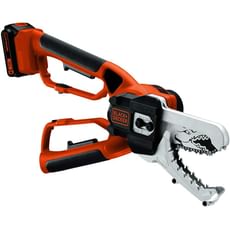
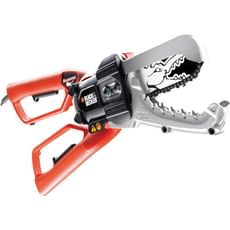
Electric loppers, also known as alligator loppers or powered loppers, represent a significant advancement in garden cutting technology, combining the controlled precision of traditional loppers with the cutting power of a chainsaw. These specialist tools feature distinctive jaw-like cutting mechanisms that enclose a powered chain, gripping branches firmly whilst cutting through them safely and efficiently. This innovative design makes electric loppers ideal for tackling heavy-duty pruning tasks, managing overgrown hedges, and cutting back woody growth up to approximately 100mm in diameter. The enclosed cutting mechanism offers substantial safety advantages over conventional chainsaws, particularly when working overhead, in confined spaces, or with flexible green wood that might deflect away from standard chainsaw blades.
Available in both corded 240v models and cordless battery-powered variants, electric loppers provide professional-grade cutting performance with enhanced user safety and reduced operator fatigue. Tooled-Up.com stocks both corded and cordless options, with the corded versions delivering unlimited runtime and consistent power through mains electricity, whilst battery-powered models offer superior manoeuvrability and freedom from trailing cables. Most modern electric loppers incorporate automatic chain lubrication systems, two-handed operation switches, and chain brakes, making them considerably more user-friendly than traditional chainsaws whilst still delivering impressive cutting capabilities for branches typically between 80mm and 100mm diameter.
The lightweight construction of electric loppers—typically weighing between 3-4kg—makes them particularly suitable for extended pruning sessions and overhead work where fatigue can compromise both productivity and safety. These tools bridge the gap perfectly between manual loppers and full-size chainsaws, offering a practical solution for professional gardeners, tree surgeons, groundskeepers, and serious DIY enthusiasts who require powerful cutting performance without the complexity and safety concerns associated with conventional chainsaws. For anyone maintaining larger gardens, managing commercial grounds, or undertaking regular tree maintenance work, electric loppers represent an invaluable addition to the tool collection.
Jargon Buster
- Alligator Lopper: The colloquial name for electric loppers, derived from their distinctive jaw-like cutting mechanism that resembles an alligator's mouth. The jaws grip branches securely whilst an internal cutting chain processes through the material, preventing slippage and kickback.
- Cutting Capacity: The maximum branch diameter the lopper can effectively cut through, typically ranging from 80mm to 100mm depending on the model. This specification determines the size of material the tool can handle and should be matched to your typical pruning requirements.
- Chain Speed: Measured in metres per second (m/s), indicating how rapidly the cutting chain moves through material. Higher chain speeds generally produce quicker, cleaner cuts through woody growth, with most electric loppers operating at speeds between 2-4 m/s.
- Automatic Chain Lubrication: An integrated system that delivers oil to the cutting chain during operation, reducing friction, preventing overheating, and extending chain service life. Essential for maintaining optimal cutting performance and preventing premature wear of chain components.
- RCD (Residual Current Device): A critical safety device for corded electric tools operating at 240v that automatically cuts power if an electrical fault is detected. Essential for outdoor use, significantly reducing electrocution risk when working in potentially damp conditions.
- Cordless Runtime: For battery-powered models, this indicates operational duration on a single charge, typically measured in either cuts per charge or continuous operating time. Runtime varies depending on battery voltage, capacity (Ah rating), and the density of material being cut.
Who Uses Electric Loppers?
- Professional Gardeners and Landscapers: Regular users maintaining multiple properties who require efficient, safe tools for routine pruning and tree management work.
- Tree Surgeons and Arborists: Specialists requiring controlled cutting tools for working at height, in confined spaces, and around delicate tree structures where chainsaw kickback presents unacceptable risks.
- Groundskeepers and Estate Managers: Those responsible for maintaining parks, golf courses, educational institutions, stately homes, and large commercial grounds requiring regular hedge and tree maintenance.
- Local Authority Workers: Council employees managing public spaces, roadside verges, communal green areas, and municipal parks where safe, efficient cutting tools are essential.
- Agricultural Workers and Farmers: For hedgerow maintenance, orchard management, woodland coppicing, and general land maintenance tasks across farming operations.
- Serious DIY Enthusiasts: Homeowners with substantial gardens or smallholdings who undertake regular pruning and prefer professional-quality tools over lightweight domestic alternatives.
- Facility and Property Managers: Responsible for grounds maintenance at commercial premises, housing developments, industrial estates, and retail parks where appearance and safety are paramount.
How to Choose the Right Electric Loppers
Power Source Selection: Decide between corded 240v models offering unlimited runtime and consistent power output, or cordless battery-powered options providing greater mobility and convenience. Corded versions suit smaller areas near power supplies and intensive cutting sessions, whilst cordless models excel for larger sites, remote locations, or situations where trailing cables present trip hazards. The range at Tooled-Up includes both options, with cordless models typically operating on 18v lithium-ion battery systems that may be compatible with other cordless tools you already own.
Cutting Capacity Considerations: Match the tool's maximum cutting diameter to your typical requirements. Most electric loppers handle branches between 80mm and 100mm diameter comfortably. If you regularly encounter larger material, ensure you select a model with sufficient capacity. Remember that cutting capacity specifications relate to dry, seasoned wood—green, wet, or flexible material may require a more powerful model or multiple passes to cut cleanly.
Weight and Ergonomics: Since electric loppers are frequently used overhead or at awkward angles during pruning work, weight becomes a critical factor affecting user fatigue and control. Lighter models reduce strain during extended use, but ensure they still offer adequate cutting power and durability. Look for well-balanced designs with comfortable, non-slip handles and manageable overall weight. Consider how the tool feels when held at various angles, as this affects both comfort and cutting precision.
Safety Features: Prioritise models incorporating two-handed operation switches to prevent accidental activation, automatic chain brakes that engage when pressure is released, and substantial safety guards around the cutting mechanism. Verify that replacement parts—particularly chains, guide bars, and lubrication components—are readily available through UK suppliers. Check for clear safety markings and straightforward operating instructions in English.
Chain Maintenance Requirements: Consider accessibility for routine chain maintenance tasks. Automatic chain lubrication systems dramatically reduce maintenance requirements and prevent premature wear. Tool-free chain adjustment mechanisms simplify regular tensioning, whilst easily removable chain covers facilitate cleaning and chain replacement. Models with visible oil level indicators help ensure adequate lubrication during operation.
Voltage and Battery Compatibility: For cordless models, higher voltage batteries (18v) typically deliver superior performance and longer runtime compared to lower voltage alternatives. If you already own cordless power tools, choosing electric loppers compatible with your existing battery platform offers excellent value and eliminates the need for multiple charging systems. Consider battery capacity (Ah rating) for runtime requirements, and whether spare batteries are necessary for your typical workload.
Popular Accessories
- Replacement Chains: Essential consumable items requiring periodic replacement depending on usage intensity and cutting conditions. Always maintain spare chains to minimise downtime during busy periods.
- Chain Oil and Lubricants: Specialist lubricating oils formulated specifically for cutting chains, reducing friction, preventing corrosion, and extending chain service life. Bio-degradable formulations are available for environmentally sensitive areas.
- Spare Batteries and Chargers: For cordless models, additional battery packs ensure uninterrupted workflow during extended cutting sessions, whilst spare chargers are valuable for site work or multi-user operations.
- Extension Leads and RCDs: Heavy-duty outdoor-rated extension cables with weather-resistant connectors, and portable RCD units for safe operation of corded 240v electric models away from protected sockets.
- Personal Protective Equipment: Including impact-resistant safety glasses or full-face visors, forestry helmets with integrated hearing protection, cut-resistant gloves, and steel toe-capped boots for comprehensive operator protection.
- Maintenance and Sharpening Kits: Specialist tools for keeping chains sharp, properly tensioned, and correctly aligned, significantly extending service life and maintaining optimal cutting performance.
- Storage Cases and Bags: Protective carrying solutions with compartments for accessories, ensuring safe transport between sites and secure storage when not in use, protecting both the tool and other equipment.
- Cleaning and Maintenance Supplies: Brushes, degreasers, and cleaning agents for removing sap, resin, and debris from cutting mechanisms, maintaining smooth operation and preventing premature component wear.
Safety Information
Electric loppers are powerful cutting tools demanding respect and proper safety precautions throughout operation. Always wear appropriate personal protective equipment (PPE) including impact-resistant safety glasses or a full-face visor to protect against flying wood chips and debris, sturdy cut-resistant gloves for grip and hand protection, and a forestry helmet when working beneath trees or overhead branches. Steel toe-capped boots provide essential protection when working with falling branches, whilst high-visibility clothing improves safety when working near roads or in public spaces.
When operating corded electric loppers running on 240v mains power, always connect through an RCD (Residual Current Device) rated at 30mA or less to protect against electrocution. Thoroughly inspect cables and connections before each use for damage, fraying, or exposed conductors, and never operate electric tools in wet conditions, during rain, or when standing on damp ground. Keep extension leads clear of the cutting area to prevent accidental damage, and use only outdoor-rated cables of appropriate gauge. For cordless models, always remove the battery when changing chains, performing maintenance, or during transport.
Maintain a stable, balanced stance when operating electric loppers, keeping both feet firmly planted and never overreaching or working from unstable positions. Exercise particular caution when cutting overhead, as falling branches can cause serious injury—always assess branch weight and potential fall direction before cutting. Always use both hands to operate the tool and never attempt to override or disable safety switches. Follow HSE (Health and Safety Executive) guidelines for work at height if using loppers from ladders, platforms, or elevated work positions, and consider whether alternative access methods might be safer.
Ensure the cutting area is clear of other people, particularly children and pets, maintaining a safety exclusion zone of at least 3 metres around your working position. Be constantly aware of your surroundings, checking for overhead power lines, buildings, fences, or other obstacles before beginning work. Assess each branch for tension that might cause unexpected movement when cut. Never operate electric loppers whilst fatigued, under the influence of medication that affects coordination, or in poor light conditions. Take regular breaks during extended pruning sessions to maintain concentration, control, and situational awareness throughout the working day.
Frequently Asked Questions
What's the difference between electric loppers and a conventional chainsaw?
Electric loppers feature enclosed jaws that grip branches securely whilst cutting, providing substantially improved safety compared to standard chainsaws. The jaw design virtually eliminates kickback risks, allows safe overhead cutting without the danger of the bar being forced back towards the operator, and grips flexible green branches that might deflect away from a conventional chainsaw blade. They're generally lighter, easier to control with greater precision, and more suitable for detailed pruning work, though chainsaws offer greater cutting capacity for larger timber and felling operations.
Can I use electric loppers for cutting firewood logs?
Whilst electric loppers can cut branches within their specified capacity range (typically up to 100mm diameter), they're designed primarily for pruning live growth and garden maintenance rather than processing seasoned firewood. For cutting larger logs, processing significant quantities of firewood, or working with very dry hardwoods, a conventional chainsaw, log saw, or dedicated firewood processor would be more appropriate, efficient, and less likely to cause premature tool wear.
How long do the cutting chains last before replacement?
Chain lifespan varies considerably depending on usage intensity, material characteristics, and maintenance practices. With proper automatic lubrication, regular tensioning, and avoidance of soil contact that introduces abrasive particles, chains typically last through several seasons of domestic use or longer. Cutting through dirty, gritty material, allowing the chain to run dry, or forcing cuts through material beyond the tool's capacity accelerates wear significantly. Keep spare chains available, as they're consumable items requiring periodic replacement to maintain optimal cutting performance and safety.
Are cordless electric loppers as powerful as corded 240v models?
Modern cordless electric loppers powered by 18v lithium-ion batteries offer comparable cutting performance to corded models for most typical pruning applications. Cordless versions provide superior manoeuvrability, eliminate trailing cables that present trip hazards, and allow work in remote locations without power supplies. However, corded 240v models offer unlimited runtime without recharging interruptions and deliver consistent power output regardless of duration, making them preferable for extended, intensive cutting sessions near reliable power sources or when processing large volumes of material.
Do I need any qualifications to use electric loppers professionally in the UK?
Whilst no specific licence is legally required to operate electric loppers in the UK, professional users and employers have responsibilities under Health and Safety at Work legislation to ensure competence through appropriate training. The HSE recommends that employers ensure workers receive adequate instruction, training, and supervision. For tree surgery work, relevant NPTC (National Proficiency Tests Council) qualifications in tree climbing, aerial cutting, and chainsaw maintenance are advisable and often required by insurance providers. Even domestic users benefit significantly from familiarising themselves thoroughly with the manufacturer's instructions and basic safety procedures before first use.