

Garage & Workshop Tools

Pay in 3 interest-free payments on purchases from £20-£3000 with  . Learn more.
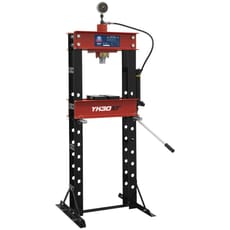
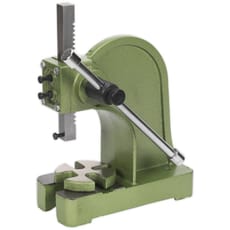
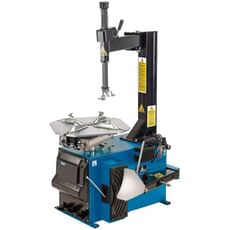
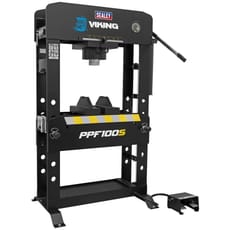
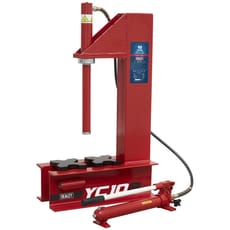
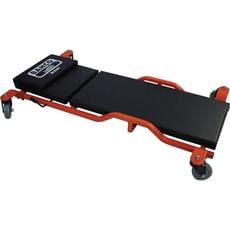
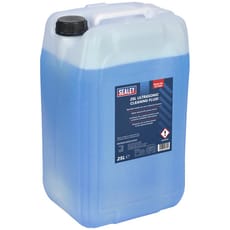
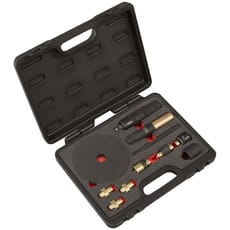
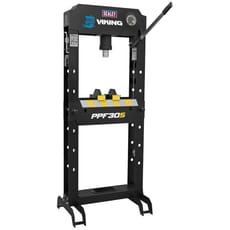
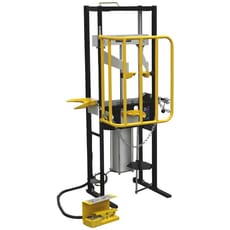
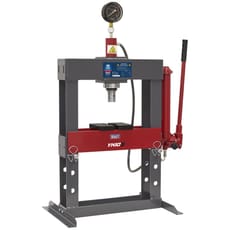
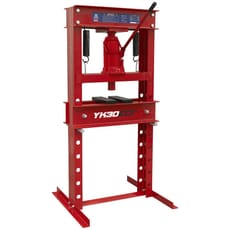
Sealey Viking Floor Air / Hydraulic Press with Sliding Ram and Foot Pedal
in stock



 Loading...
End of content
Error - No more pages to load
About Garage & Workshop Tools
Garage and workshop tools form the essential foundation of any professional automotive repair facility, commercial vehicle maintenance depot or well-equipped home workshop. This comprehensive category encompasses everything from heavy-duty hydraulic presses and shot blasting cabinets to precision tyre pressure gauges and specialist steering suspension tools. Whether you're running a busy MOT centre, operating a mobile tyre fitting service or maintaining a fleet of commercial vehicles, having the right garage equipment ensures jobs are completed safely, efficiently and to professional standards. The diversity within this category reflects the varied demands of modern automotive work, from basic service tasks to complex diagnostic and repair procedures.
The range of garage and workshop tools available at Tooled-Up.com reflects the increasing sophistication of modern vehicles and the exacting nature of automotive repair work. From mechanics' creepers and adjustable workshop seats that provide comfortable access to underside components, to sophisticated wheel balancing equipment and exhaust extraction systems, these tools tackle the specific challenges faced by automotive professionals daily. Many items are engineered to withstand the rigours of commercial use, featuring robust construction, precise manufacturing tolerances and compliance with relevant British and European safety standards including HSE workplace regulations.
Investing in quality garage equipment delivers tangible benefits in productivity, accuracy and workplace safety. Professional-grade tools from established manufacturers like Sealey, Draper and Clarke enable mechanics and technicians to work more effectively, reducing job times whilst maintaining the exacting standards expected in the automotive trade. Whether you're setting up a new workshop from scratch, upgrading ageing equipment or expanding service capabilities, selecting the right tools matched to your specific requirements and workload is fundamental to operational success and profitability.
Jargon Buster
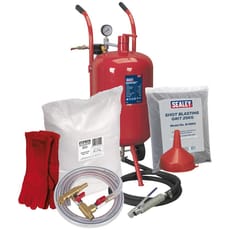
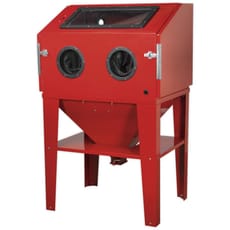
- Shot Blasting - A surface preparation technique that propels fine abrasive media at high velocity to remove rust, paint, scale and contaminants from metal components. Shot blasting cabinets contain the process within an enclosed environment, allowing safe recirculation of media and effective extraction of airborne dust particles.
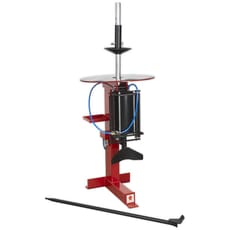
- Hydraulic Press Capacity - Measured in tonnes, this indicates the maximum force a hydraulic press can exert. Common workshop presses range from 10 to 50 tonnes, with the required capacity depending on the bearing extraction, bushing installation, panel forming or component straightening tasks being undertaken.
- Tread Depth Gauge - A precision measuring instrument used to check tyre tread depth across the contact surface. UK law requires a minimum tread depth of 1.6mm across the central three-quarters of the tyre width, though many professionals recommend replacement at 3mm for optimal safety and performance.
- Ball Joint Separator - A specialist tool designed to safely disconnect ball joints from steering and suspension components without causing damage to threads or protective boots. Available in fork-type, pickle fork and hydraulic press-type designs for different applications.
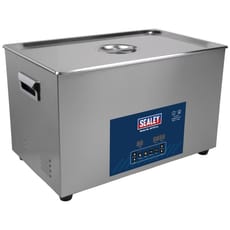
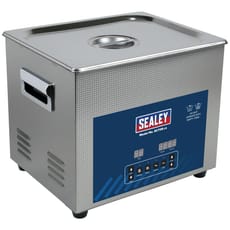
- Parts Washing Tank - A containment system for cleaning oily components using solvent or aqueous-based cleaning solutions. Must comply with COSHH regulations and environmental standards for safe use, storage and disposal of contaminated fluids.
- Mechanic's Creeper - A low-profile wheeled platform allowing technicians to lie down and manoeuvre beneath vehicles comfortably. Quality creepers feature durable castors rated for workshop floor surfaces, padded surfaces for extended comfort, and often include integrated tool trays or magnetic storage.
Who Uses Garage & Workshop Tools?
- Independent Garage Owners - Running full-service repair facilities requiring comprehensive workshop equipment for diverse vehicle types
- Mobile Mechanics - Needing portable diagnostic and repair tools for on-site vehicle servicing and emergency breakdown assistance
- MOT Testing Centres - Requiring precision measuring equipment and specialist inspection tools for vehicle safety assessments
- Tyre Fitting Specialists - Using tyre changers, wheel balancers, pressure monitoring equipment and specialist tyre removal tools
- Commercial Fleet Maintenance Teams - Maintaining trucks, vans and specialist vehicles to strict service schedules and manufacturer specifications
- Classic Car Restorers - Needing hydraulic presses, bearing pullers and specialist tools for renovation and preservation projects
- Agricultural Engineers - Servicing farm machinery and heavy equipment in workshop environments requiring robust tools
- Motorsport Technicians - Requiring precision tools for performance vehicle preparation, setup and trackside maintenance
- HGV Workshops - Equipped with heavy-duty tools suitable for larger commercial vehicles and trailer maintenance
- Serious DIY Enthusiasts - Home mechanics investing in professional-grade equipment for personal vehicle maintenance and modification
- Vehicle Body Shops - Using presses and specialist tools for panel repair and component replacement work
How to Choose the Right Garage & Workshop Tools
Workshop Space and Layout: Assess your available floor space before investing in larger equipment like hydraulic presses, shot blasting cabinets or parts washing tanks. Consider ceiling height for any overhead equipment and ensure adequate clearance around machinery for safe operation and maintenance access. Plan your workshop layout to create efficient workflow patterns between different work areas, positioning frequently-used equipment within easy reach whilst keeping heavy machinery on solid, level flooring.
Capacity and Specifications: Match tool capacity to your typical workload and vehicle types. A 20-tonne press might be adequate for a general repair workshop, whilst HGV specialists may require 50-tonne capacity or greater for heavy-duty bearing work. Check tyre changer specifications against the wheel sizes you'll commonly handle, and ensure pressure gauges cover the full range from passenger car tyres (typically 30-35 PSI) to commercial vehicle tyres requiring significantly higher pressures up to 120 PSI.
Build Quality and Durability: Commercial workshop environments demand robust construction capable of withstanding daily professional use. Look for heavy-gauge steel frames, quality castors with adequate load ratings clearly marked, and components designed for repeated operation rather than occasional use. Professional-grade equipment from established manufacturers may cost more initially but offers superior longevity, reliability and often better parts availability compared to occasional-use alternatives.
Power Requirements: Verify electrical equipment is compatible with 240v UK mains supply and fitted with appropriate 13A or industrial plugs. Some larger equipment may require three-phase power supply, which should be considered during workshop planning. Pneumatic tools require adequate compressed air supply with sufficient CFM (cubic feet per minute) rating to operate effectively without pressure drops.
Safety Features and Compliance: Ensure all equipment meets relevant British Standards (BS) and European Standards (EN) applicable to automotive workshop tools. Shot blasting cabinets should include proper dust extraction systems and operator protection, presses require safety guards and pressure relief valves, and parts washing tanks must comply with environmental and COSHH regulations. Check that all lifting equipment is clearly marked with safe working loads.
Ergonomics and Comfort: Workshop tools that improve technician comfort significantly boost productivity and reduce fatigue-related injuries over extended working periods. Quality creepers should feature adequate padding and smooth-rolling castors suitable for workshop flooring, whilst mechanics' seats need adjustable height mechanisms and sturdy construction. Consider tools that reduce physical strain during repetitive tasks, as improved ergonomics directly impacts work quality and technician wellbeing.
Versatility and Accessories: Some workshop tools offer greater flexibility through interchangeable accessories and adaptors. Hydraulic presses with various pressing plates, bed extensions and adaptor sets, multi-function bearing pullers, and comprehensive separator sets provide better value by handling diverse tasks with a single base tool rather than requiring multiple specialised units.
Popular Accessories
- Press Plates and Adapters - Various sizes and profiles for different bearing, bushing and seal applications
- Shot Blasting Media - Different grades of abrasive including aluminium oxide, glass bead and steel shot for various surface preparation requirements
- Parts Washing Brushes - Specialist brushes with solvent-resistant bristles for thorough component cleaning in confined areas
- Degreasing Solutions - Solvent and water-based cleaners compliant with UK environmental regulations and COSHH requirements
- Creeper Pads and Cushions - Replacement padding and headrest attachments for improved comfort during extended use
- Tyre Valve Tools - Core removers, valve caps, stem pullers and TPMS (Tyre Pressure Monitoring System) accessories
- Wheel Weight Pliers - For applying and removing adhesive and clip-on balance weights accurately
- Exhaust Rubber Installation Tools - Making exhaust system mounting easier without damaging rubber hangers
- Workshop Lighting - LED inspection lamps, rechargeable work lights and under-vehicle lighting systems
- Drip Trays and Oil Pans - For containing fluids during maintenance work and preventing workshop floor contamination
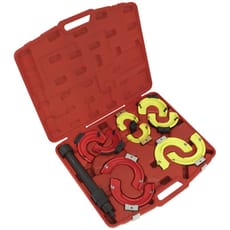
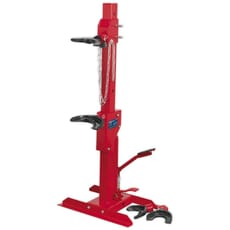
- Spring Compressors - Essential accessories for safe suspension spring removal and installation
- Bearing and Seal Drivers - Precision installation tools preventing damage during fitment
Safety Information
Load Ratings and Capacity Limits: Never exceed the stated capacity of presses, jacks, stands or lifting equipment under any circumstances. Overloading can result in catastrophic equipment failure causing serious injury or death. Always verify component weight before use, ensure loads are properly centred and supported, and use appropriate safety stands when working beneath raised vehicles. Check load ratings are clearly displayed and legible on all equipment.
Personal Protective Equipment: Workshop environments require appropriate PPE including safety glasses with side protection, hearing protection when operating pneumatic tools or machinery, steel toe-capped boots conforming to BS EN ISO 20345, and suitable work gloves for handling components. When shot blasting, always use the cabinet's built-in protective gloves and ensure adequate extraction is operating to prevent dust inhalation. Face shields should be worn when operating presses or spring compressors.
Chemical Handling: Parts washing fluids, degreasers and solvents must be stored, used and disposed of in accordance with COSHH regulations and manufacturer safety data sheets. Ensure adequate ventilation in parts washing areas, use appropriate chemical-resistant gloves and eye protection, and maintain spill kits readily accessible for emergency cleanup. Dispose of contaminated fluids exclusively through licensed waste carriers and never discharge into drainage systems or the environment.
Equipment Maintenance and Inspection: Regularly inspect all workshop equipment for wear, damage, corrosion or deterioration before each use. Check hydraulic hoses and connections for leaks or perishing, ensure safety guards remain in place and functional, and maintain proper lubrication of moving parts according to manufacturer schedules. Faulty or damaged equipment should be immediately taken out of service, clearly labelled as defective, and repaired by competent personnel before returning to use.
Training and Competence: Ensure all operators receive adequate training on equipment use appropriate to their role and the complexity of machinery. Equipment like tyre changers, wheel balancers and hydraulic presses require proper instruction to operate safely and effectively. Keep manufacturer instruction manuals accessible near equipment, ensure all staff understand emergency stop procedures, and maintain training records demonstrating operator competence for insurance and regulatory compliance purposes.
Workspace Organisation: Maintain clear access routes around workshop equipment and keep floors free from oil spills, which create serious slip hazards. Ensure adequate lighting in all work areas, particularly beneath vehicles and around machinery controls. Store tools and accessories in designated locations when not in use to prevent tripping hazards and ensure emergency exits remain unobstructed at all times.
Frequently Asked Questions
What's the difference between a bench-mounted and floor-standing hydraulic press?
Bench-mounted presses are typically smaller units with 10-20 tonnes capacity, ideal for lighter work including bearing extraction, bushing installation and smaller component work. They save valuable floor space but require a sturdy workbench capable of handling the substantial forces generated during pressing operations. Floor-standing presses offer greater capacity ranging from 20-50+ tonnes, more working height adjustment to accommodate larger components, and can handle substantial parts like suspension arms, chassis components and heavy-duty bearing assemblies. For professional workshops undertaking varied automotive work across different vehicle types, a 20-30 tonne floor-standing press from manufacturers like Sealey or Clarke provides the best versatility and long-term value.
Do I need a parts washing tank if I'm only running a small workshop?
A parts washing tank significantly improves efficiency, cleanliness and safety even in smaller workshops with limited space. They effectively contain mess, allow thorough cleaning of components before inspection and reassembly, and ensure environmental compliance by preventing contaminated solvents from entering drainage systems. Modern aqueous-based parts washers available at Tooled-Up are more environmentally friendly than traditional solvent systems and are subject to less stringent COSHH regulations whilst still delivering excellent cleaning results. The time saved in properly cleaning components, the professional results achieved, and the improved workshop cleanliness make them worthwhile investments for any serious workshop operation.
What capacity tyre depth gauge do professional workshops require?
Professional tyre depth gauges typically measure from 0-25mm or 0-30mm, well beyond the legal minimum of 1.6mm, allowing accurate measurement of new tyre condition through to replacement point. Digital gauges provide the most accurate and repeatable readings, are easier to read in poor lighting conditions, and eliminate parallax errors common with analogue gauges. Many professionals use both a digital gauge for precision measurements during formal inspections and a simple mechanical gauge as a robust backup tool for quick checks. For MOT testing stations, accuracy, repeatability and traceability are essential requirements, so calibrated digital gauges with certification are strongly preferred and may be mandated for compliance.
Are workshop creepers worth investing in or can mechanics just use cardboard?
Quality mechanics' creepers are absolutely worthwhile for anyone regularly working beneath vehicles and quickly justify their modest cost. They feature smooth-rolling castors with quality bearings allowing easy positioning and movement, well-padded surfaces that significantly reduce pressure points and back strain during extended periods underneath vehicles, and durable construction lasting years in demanding professional environments. Many modern creepers include integrated tool trays keeping frequently-used tools within reach, and are specifically designed with low-profile construction to fit beneath modern vehicles with limited ground clearance. Whilst cardboard might suffice for very occasional home use, the dramatically improved comfort, mobility, cleanliness and professional appearance of a proper creeper makes it an essential investment for anyone working regularly under vehicles.
What extraction requirements do shot blasting cabinets have?
Shot blasting cabinets require adequate dust extraction to effectively remove fine particulate matter generated during the abrasive blasting process. Most cabinets need connection to a suitable vacuum extraction system, with specific requirements varying based on cabinet size, media type and intended usage intensity. The extraction system must comply with HSE guidance on workplace exposure limits for respirable crystalline silica and other dusts, which can present serious health hazards if inhaled. Many professional shot blasting cabinets include built-in extraction systems or are designed with standard connections to workshop vacuum systems. Proper extraction is essential not just for operator respiratory safety but also for maintaining visibility during blasting operations and preventing fine dust from contaminating the surrounding workshop area and settling on other work.