

Grinder Brushes

Pay in 3 interest-free payments on purchases from £20-£3000 with  . Learn more.
Loading...
End of content
Error - No more pages to load
About Grinder Brushes
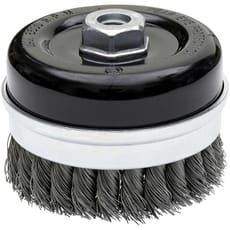
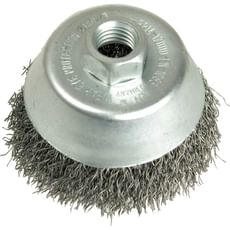
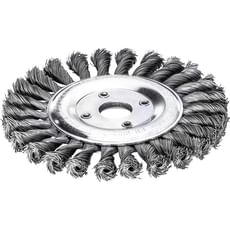
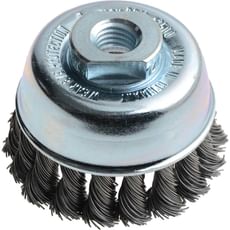
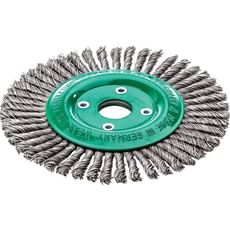
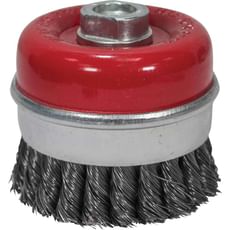
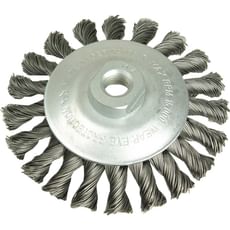
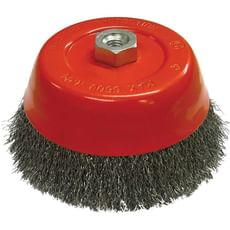
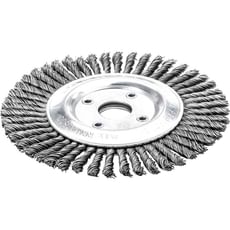
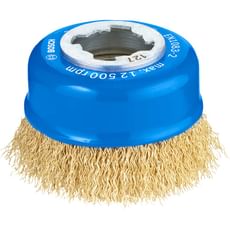
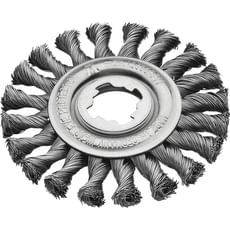
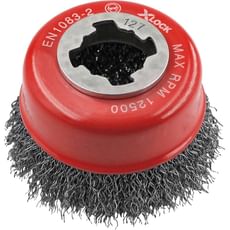
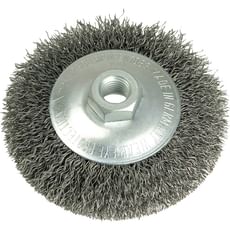
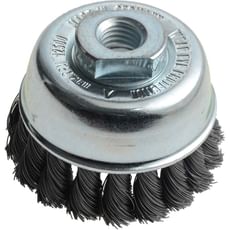
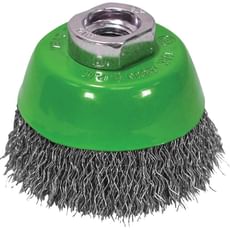
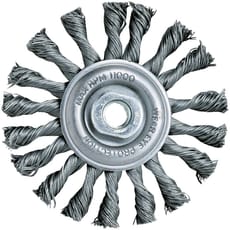
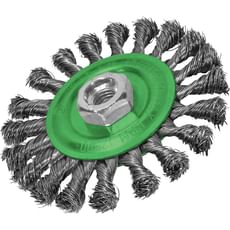
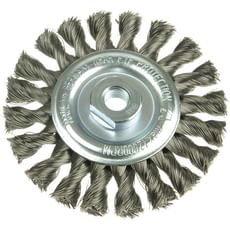
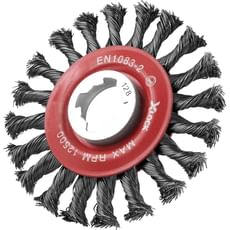
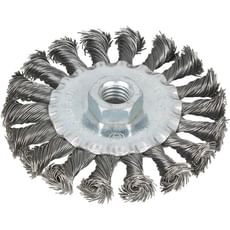
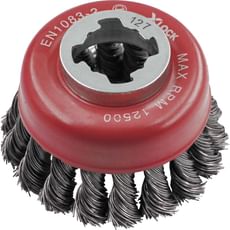
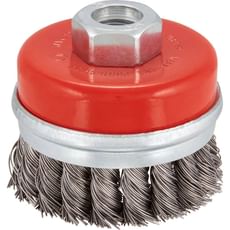
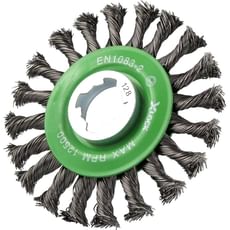
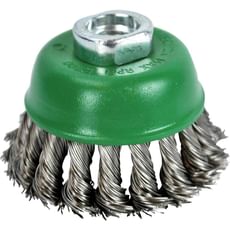
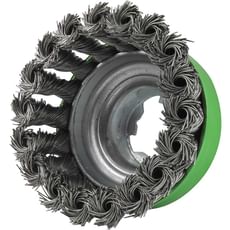
Grinder brushes are indispensable power tool accessories designed to transform angle grinders, bench grinders, and die grinders into versatile surface preparation and cleaning machines. These robust attachments employ steel, brass, or stainless steel wire bristles to tackle demanding metalworking tasks including rust removal, paint stripping, weld spatter cleaning, scale elimination, and general surface preparation. Available primarily in two configurations—cup brushes with bristles arranged in a cup-shaped formation for flat surface work, and wheel brushes with radially arranged bristles for corners and recessed areas—these accessories have become essential for anyone working with metal surfaces across construction, fabrication, and maintenance applications.
The effectiveness of grinder brushes stems from combining aggressive wire bristle action with the high rotational speeds of power grinders, typically operating between 6,000 and 11,000 RPM. This combination delivers rapid material removal that dramatically outperforms manual wire brushing, saving considerable time on site. Tooled-Up.com stocks grinder brushes from leading manufacturers including Makita, DeWalt, Milwaukee, and Bosch, all engineered to withstand the demanding conditions found in fabrication workshops, construction sites, and maintenance environments. These professional-grade brushes feature secure arbor connections—typically M14 thread for UK angle grinders—and come in various diameters from 50mm through to 200mm to suit different grinder sizes and application requirements.
Whether you're preparing structural steelwork for welding, removing decades of rust from architectural metalwork, cleaning up fabrication welds, or deburring cut edges on sheet metal, grinder brushes provide an efficient, cost-effective solution. The choice between crimped wire for gentler cleaning or knotted wire for aggressive material removal, combined with options for different fill materials, means there's a grinder brush configuration suited to virtually every metalworking task encountered by professional tradespeople and serious DIY enthusiasts alike.
Jargon Buster
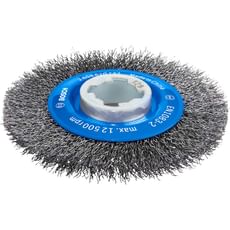
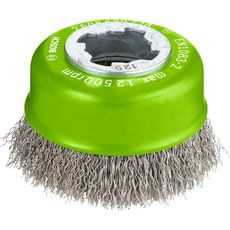
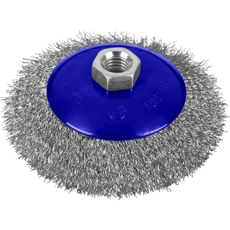
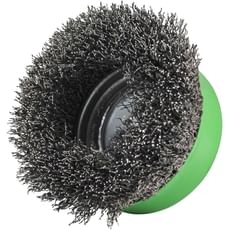
- Crimped Wire – Wire bristles manufactured with a wavy, crimped pattern that provides flexibility and a more controlled brushing action compared to straight wire. Ideal for general surface cleaning, light rust removal, and paint stripping without being overly aggressive on the base material or causing unnecessary marking.
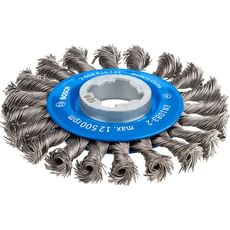
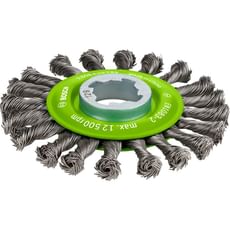
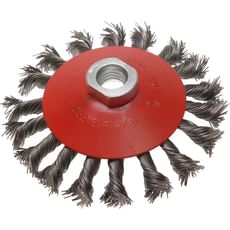
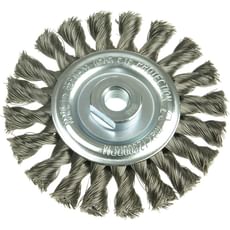
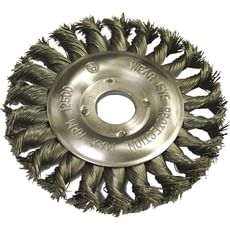
- Knotted Wire – Wire strands twisted together in tight knots, creating a significantly more aggressive brush configuration suitable for heavy-duty applications such as removing thick scale, stubborn weld spatter, and deep-seated corrosion. Knotted brushes remove material faster but require careful use on softer metals to avoid surface damage.
- M14 Thread – The standard metric thread size (14mm diameter) used on most angle grinder spindles throughout the UK and Europe. Grinder brushes featuring M14 threaded arbors screw directly onto the grinder spindle without requiring additional adapters or flanges, providing secure mounting and quick changes.
- Maximum RPM Rating – The highest safe rotational speed at which a grinder brush can operate, clearly stamped on every brush as a critical safety specification. Operating beyond this rating risks catastrophic brush failure and serious injury. Always verify your grinder's speed doesn't exceed the brush's maximum rating.
- Fill Material – The type of wire used for the bristles, selected based on application requirements. Carbon steel wire suits general steel and iron work, stainless steel wire prevents contamination when working on stainless materials, whilst brass wire is specified for softer metals, aluminium, and spark-sensitive environments where ferrous materials are unsuitable.
- Wire Gauge – The thickness or diameter of individual wire bristles, typically measured in millimetres. Thicker wire (0.4mm to 0.5mm) provides more aggressive cutting action and extended lifespan, whilst thinner wire (0.2mm to 0.3mm) offers greater flexibility and reduced risk of marking delicate surfaces.
Who Uses Grinder Brushes?
Grinder brushes are essential tools across numerous trades and industries:
- Welders and Fabricators – removing weld spatter, cleaning weld seams, preparing joint faces before welding, and post-weld finishing
- Metal Workers and Sheet Metal Workers – deburring cut edges, surface preparation, removing mill scale, and general metal cleaning
- Maintenance Engineers – removing rust and corrosion from machinery, cleaning threaded components, and equipment restoration work
- Motor Vehicle Technicians – cleaning exhaust systems, removing rust from chassis and suspension components, and preparing bodywork for repair
- Construction Workers – cleaning structural steelwork, preparing metal surfaces for painting, and removing concrete splashes from tools
- Plumbers and Heating Engineers – cleaning pipework, removing scale and corrosion from fittings, and preparing brazed joints
- Agricultural Engineers – maintaining and refurbishing farm machinery where rust and corrosion present constant challenges
- Historic Building Restorers – sympathetically cleaning period metalwork, gates, railings, and architectural features
- Shipyard Workers – extensive surface preparation on marine vessels and structures exposed to corrosive environments
- DIY Enthusiasts – home restoration projects, garden furniture renovation, and general metalwork maintenance tasks
How to Choose the Right Grinder Brushes
Brush Configuration: Cup brushes excel at cleaning flat surfaces, removing paint from large areas, edge preparation, and general surface levelling work. Their design provides excellent contact with flat workpieces and consistent material removal. Wheel brushes are better suited for corners, recessed areas, pipework, intricate metalwork, and accessing hard-to-reach locations where cup brushes cannot effectively operate.
Wire Type Selection: Carbon steel wire brushes represent the economical choice for general steel and iron work, offering excellent performance at competitive prices. Stainless steel brushes are essential when working on stainless steel materials to prevent cross-contamination that causes rust spots and surface staining. Brass wire brushes suit softer metals like aluminium, copper, and brass, and are specified for potentially explosive atmospheres where minimising spark generation is critical.
Wire Configuration: Crimped wire brushes provide gentler action suitable for light rust removal, paint stripping, and cleaning without excessive material removal or surface marking. Knotted wire brushes deliver aggressive cutting performance for heavy scale, thick rust layers, stubborn weld spatter, and applications requiring rapid material removal, though they may mark softer base metals and require more operator skill.
Size and Compatibility: Ensure the brush diameter suits your grinder size and intended application—larger brushes cover more area but require more powerful grinders. Verify the arbor thread matches your tool (M14 is standard for most UK angle grinders). Critically, check the maximum RPM rating exceeds your grinder's operating speed, particularly important with compact 115mm grinders that often run faster than larger models.
Wire Specifications: Thicker wire (typically 0.3mm to 0.5mm) lasts longer and removes material more aggressively, making it suitable for heavy-duty professional use. Thinner wire (0.2mm to 0.3mm) provides more flexibility and reduced risk of scratching delicate surfaces. Higher bristle density accelerates material removal but generates more heat and may reduce brush life when used continuously.
Quality Considerations: For occasional DIY use, standard quality brushes from brands like Einhell represent good value. Professional tradespeople working daily should invest in premium brushes available from Tooled-Up from manufacturers like Makita, DeWalt, Milwaukee, or Bosch, which offer superior wire retention, extended lifespan, consistent performance under demanding conditions, and better safety standards.
Popular Accessories
- Angle Grinders – the primary power tool for driving grinder brushes, available in 115mm, 125mm, and 230mm sizes from Makita, DeWalt, and Milwaukee
- Grinding Discs – complementary abrasives for material removal before or after brushing operations
- Cutting Discs – for cutting metal prior to cleaning and finishing with grinder brushes
- Flap Discs – for smoothing and finishing surfaces after wire brushing removes corrosion or coatings
- Safety Goggles and Face Shields – essential eye protection from flying wire bristles and debris, rated to BS EN 166
- Work Gloves – protective gloves from brands like DeWalt, Portwest, and Scruffs to protect hands from sharp wire and hot surfaces
- Dust Extraction Attachments – to capture dust and debris, particularly important for COSHH compliance when removing coatings
- Grinder Guards – adjustable guards to protect the operator from brush contact and direct debris away from the working area
- Anti-Vibration Gloves – reduce fatigue during extended use and help meet HSE vibration exposure limits
- Workpiece Clamps and Vices – secure materials safely whilst brushing to prevent movement and improve control
- Respiratory Protection – appropriate masks or respirators when removing coatings or working in confined spaces
Safety Information
Grinder brushes demand strict adherence to safety protocols due to their high-speed operation and the hazards associated with flying wire bristles and debris. Always wear appropriate PPE including safety goggles or a full face shield rated to BS EN 166, as wire bristles regularly break off during use and can cause serious eye injuries. Heavy-duty work gloves protect hands from sharp wire ends and hot workpieces, whilst hearing protection is advisable as grinders generate noise levels often exceeding 85dB.
Before each use, carefully inspect brushes for damage including bent or broken wires, cracks in the backing plate, or signs of previous overheating. Never use a brush that has been dropped or shows any damage whatsoever. Verify the maximum RPM rating marked on the brush exceeds your grinder's operating speed—operating beyond this rating can cause catastrophic failure with potentially serious consequences. Ensure the brush is securely fitted to the grinder spindle and that any locking mechanisms are properly engaged before starting the tool.
Maintain a firm two-handed grip on the grinder and position yourself to the side, never directly behind the brush, in case of unexpected kickback. Allow the grinder to reach full operating speed before contacting the workpiece, and apply only moderate pressure—excessive force reduces brush life, increases heat generation, and significantly increases the risk of wire breakage. Work in well-ventilated areas or use extraction equipment, as wire brushing generates significant dust, particularly when removing coatings that may contain hazardous materials requiring COSHH assessment.
Be aware that wire brushes can catch on edges, seams, welds, and surface protrusions, causing sudden kickback that can result in loss of control. Approach all edges and corners with caution and reduce pressure accordingly. Keep the work area clear of flammable materials, as wire brushing on ferrous metals generates sparks that can readily ignite combustible substances. Always ensure the workpiece is securely clamped or held in a vice to prevent movement during brushing operations, and never hold small items in your hand whilst brushing them.
Frequently Asked Questions
Q: Can I use the same grinder brush on stainless steel and mild steel?
A: Whilst physically possible, you should never use carbon steel brushes on stainless steel as this causes cross-contamination leading to rust spots and surface corrosion on the stainless material. Always use dedicated stainless steel wire brushes when working with stainless steel, aluminium, or other non-ferrous metals. Professional workshops should keep separate brushes clearly marked for different materials to prevent accidental contamination.
Q: Why do wires keep breaking off my grinder brush excessively?
A: Some wire breakage is normal as brushes wear, but excessive breakage typically indicates operating above the maximum RPM rating, applying too much pressure, or using the brush at an incorrect angle. Ensure your grinder's speed doesn't exceed the brush's rating (particularly relevant with 115mm grinders which often run faster), apply only moderate pressure allowing the brush to do the work, and maintain the correct working angle—approximately 15-30 degrees for cup brushes and perpendicular for wheel brushes.
Q: What's the difference between crimped and knotted wire brushes?
A: Crimped wire brushes feature wavy, flexible bristles providing gentler brushing action ideal for general cleaning, light rust removal, and surface preparation without being overly aggressive. Knotted wire brushes feature wire strands twisted together in knots, creating a significantly more aggressive tool that removes material faster and suits heavy-duty applications like thick scale, stubborn weld spatter, and heavy corrosion, though they may mark softer base metals and require more operator experience.
Q: How long should a grinder brush last?
A: Brush life varies enormously depending on application intensity, material hardness, operating pressure, wire type, and brush quality. Professional-grade brushes from manufacturers like Makita, DeWalt, or Milwaukee typically outlast budget alternatives by a considerable margin when used correctly. For professional daily use, expect several hours of effective life from quality brushes, whilst occasional DIY use may see a single brush lasting many months. Replace brushes when wire length reduces significantly or when the backing plate becomes exposed.
Q: Are grinder brushes suitable for removing paint from metal?
A: Yes, grinder brushes effectively remove paint, rust, and coatings from metal surfaces, with cup brushes being particularly effective for larger flat areas. However, removing old paint, particularly on structures built before the 1980s, may release hazardous materials including lead. Browse the selection at Tooled-Up.com alongside appropriate dust extraction equipment. Always conduct appropriate risk assessments in line with COSHH regulations, use adequate dust extraction or suppression, and wear appropriate respiratory protection when removing coatings of unknown composition.