

Hinge Cutting Bits
Pay in 3 interest-free payments on purchases from £30-2000 with  . Learn more.
 Loading...
End of content
Error - No more pages to load
About Hinge Cutting Bits
Hinge cutting bits are precision-engineered router accessories designed to create clean, accurate recesses in door frames, cabinet stiles, and furniture components to accommodate various types of hinges. These specialised cutters transform what was traditionally a time-consuming hand-chiselling task into a quick, repeatable operation that delivers professional results every time. Whether you're installing kitchen cabinets with concealed cup hinges, hanging internal doors with traditional butt hinges, or working on bespoke joinery projects, hinge cutting bits provide consistent depth control and perfectly sized recesses that ensure hinges sit flush and doors operate smoothly.
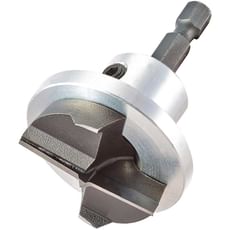
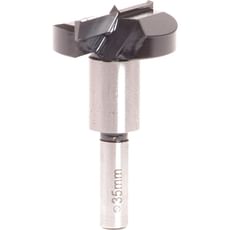
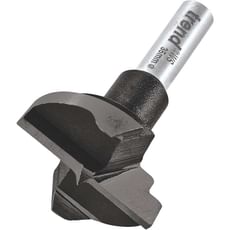
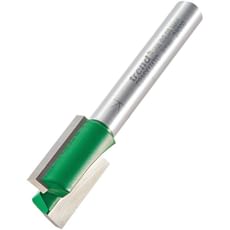
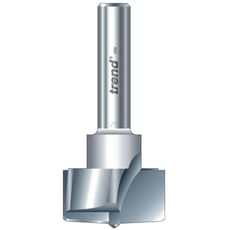
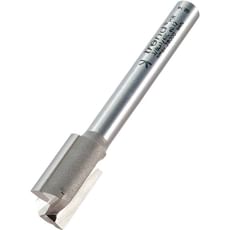
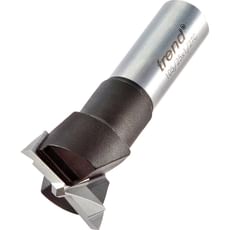
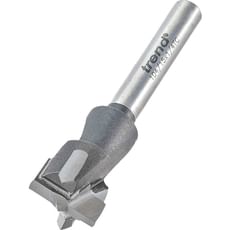
The selection available from Tooled-Up.com includes tungsten carbide tipped (TCT) hinge sinking bits for creating shallow plate recesses, hinge boring bits for drilling the deeper cup holes required by concealed hinges, and complete hinge recesser systems suitable for both hand-held routers and router tables. These cutters are available in standard 35mm diameters for modern concealed hinges as well as various sizes for traditional butt hinges, with different shank sizes to fit most router collets. Premium options feature depth stops for precise control, two-flute designs for cleaner cuts, bearing guides to follow templates accurately, and no-scriber designs that eliminate visible scribe lines on finished work.
Trend dominates this category with their CRAFTPRO and professional router bit ranges, offering everything from basic hinge sinkers to sophisticated bearing-guided systems that deliver consistent results across hundreds of installations. Faithfull also provides reliable TCT options for tradespeople seeking quality tools at competitive prices. These bits work seamlessly with standard router templates and hinge jigs to deliver repeatable accuracy across multiple installations, making them essential equipment for anyone regularly fitting doors or cabinets.
Jargon Buster
- TCT (Tungsten Carbide Tipped) – Cutting edges made from extremely hard tungsten carbide material, providing superior durability and edge retention compared to standard high-speed steel. TCT bits stay sharper for longer when working with MDF, chipboard, hardwoods and other abrasive materials.
- Hinge Sinking Bit – A flat-bottomed router cutter designed to create the shallow recess (typically 3-4mm deep) that allows a hinge leaf or mounting plate to sit flush with the door or frame surface.
- Hinge Boring Bit – A drill-style router bit used to create the deeper circular mortise required for concealed cup hinges, commonly 35mm in diameter and 10-13mm deep, often used before sinking the plate recess.
- Two-Flute Design – Router bits with two cutting edges that provide an optimal balance between cutting speed and surface finish quality, ideal for clean hinge recesses without burning or tear-out.
- No-Scriber Design – Advanced hinge bits featuring a bearing guide that eliminates the scribe line typically left by traditional cutters, reducing finishing work and improving appearance on painted or visible surfaces.
- Depth Stop – An adjustable collar or bearing mounted on the bit shank that controls the maximum cutting depth, ensuring consistent recess depths across multiple hinge positions without constant measurement.
Who Uses Hinge Cutting Bits?
- Carpenters and joiners – for hanging internal doors on residential and commercial projects with precision and speed
- Kitchen fitters – installing cabinet doors with concealed cup hinges across multiple units
- Cabinet makers – bespoke furniture workshops requiring precision hinge recesses for high-quality finishes
- Door installers – specialists focusing on door hanging and hardware fitting across various properties
- Shopfitters – fitting display cabinets, retail units and commercial joinery in demanding environments
- General builders – undertaking first and second fix carpentry work as part of broader construction projects
- Property maintenance teams – maintenance and refurbishment contractors replacing doors and hardware
- Furniture makers – creating custom wardrobes, storage solutions and fitted furniture
- DIY enthusiasts – homeowners tackling door hanging, cabinet installation and home improvement projects
How to Choose the Right Hinge Cutting Bits
Hinge Type and Size: Identify whether you need bits for traditional butt hinges or modern concealed cup hinges. Standard 35mm boring bits suit most concealed hinges, whilst butt hinge cutters come in various widths (typically 16mm to 25mm). Measure your hinges before purchasing to ensure compatibility, and consider whether you need both boring and sinking bits for concealed hinge installations.
Material Quality: TCT (tungsten carbide tipped) bits are essential for professional use and prove cost-effective in the long run. They maintain sharpness through hundreds of hinge recesses and handle abrasive materials like MDF and chipboard without dulling. Avoid basic high-speed steel bits for regular use, as they quickly lose their edge and produce inferior results.
Shank Diameter: Check your router's collet size – most accept either 6mm, 8mm or 1/4-inch shanks. Quarter-inch shanks are common on older routers, whilst 8mm is increasingly standard on modern equipment. Ensure compatibility or have appropriate collet reducers available before purchasing.
Bearing Guides and Depth Stops: Bits with integrated depth stops provide consistent results and prevent overcutting, eliminating guesswork and reducing errors. Bearing-guided cutters follow templates accurately and produce cleaner edges with less tear-out. No-scriber designs with bearings eliminate visible scribe lines on finished work, particularly important on painted or stained surfaces.
Flute Configuration: Two-flute designs offer the best balance for hinge work, providing clean cuts without excessive heat buildup. They're suitable for both hand-held routers and table mounting. Single-flute bits cut faster but may leave a rougher finish requiring additional sanding.
Application Frequency: For occasional DIY use, mid-range Faithfull or Trend CRAFTPRO bits offer excellent value and adequate performance. Professional tradespeople working daily should invest in premium Trend professional series bits that deliver superior longevity and consistent performance across hundreds of installations, ultimately saving money through reduced replacement costs.
Popular Accessories
- Hinge jigs and templates – positioning guides for accurate, repeatable hinge placement across multiple doors
- Router collet reducers – adapters to fit different shank sizes in your router collet
- Router guide bushes – for use with template systems and jigs to ensure accurate following
- Bit cleaning solutions – removing resin buildup to maintain cutting performance and extend bit life
- Router dust extraction fittings – keeping work areas clean and improving visibility during operation
- Depth gauges and setting tools – precise bit depth adjustment for consistent results
- Replacement bearings – for bearing-guided cutters showing wear after extensive use
- Router bit storage cases – protecting cutting edges between uses and keeping bits organised
- Marking gauges and hinge markers – accurate hinge position layout tools for initial marking
- Router tables – for more controlled routing when processing multiple components
Safety Information
Always wear appropriate eye protection when operating routers, as the high-speed cutting action can eject chips and dust at considerable velocity. Safety glasses or a full face shield are essential, particularly when working with hardwoods or manufactured boards that produce fine dust particles and splinters.
Hearing protection is mandatory – routers generate noise levels that can damage hearing with prolonged exposure. Use ear defenders or properly fitted ear plugs rated for workshop use in accordance with HSE guidelines, especially during extended routing sessions.
Dust control measures: Router operations create substantial amounts of fine dust. Connect your router to appropriate dust extraction equipment where possible. When working with MDF or manufactured boards, be aware of COSHH regulations regarding wood dust exposure limits. Wood dust is classified as a hazardous substance, and prolonged exposure can cause respiratory problems.
Secure workpieces properly before routing. Use clamps or vices to prevent movement, and never attempt to hold small pieces by hand whilst routing. Ensure adequate support prevents workpiece tipping or shifting during cutting, which could cause dangerous kickback or bit binding.
Check bit installation thoroughly: Always ensure router bits are fully inserted into the collet (at least 15mm) and securely tightened before operation. Inspect bits for damage before each use, and never use chipped or cracked cutters, as they may shatter during operation. Allow routers to reach full speed before engaging the workpiece, and never adjust depth or change bits whilst the tool is plugged in – always disconnect from the 240v power supply first.
Frequently Asked Questions
What's the difference between a hinge boring bit and a hinge sinking bit?
A hinge boring bit creates the deeper circular recess (typically 10-13mm deep) needed for concealed cup hinges, whilst a hinge sinking bit creates the shallow recess (3-4mm) for the hinge plate itself or traditional butt hinges. For concealed hinges, you'll often need both – first boring the cup hole, then sinking the plate recess. Some specialist bits combine both functions, but separate bits generally provide more flexibility.
Can I use hinge cutting bits in a standard power drill?
No, hinge cutting bits are designed exclusively for routers operating at 8,000-24,000 RPM. Using them in a standard drill (which operates at much lower speeds, typically 500-3,000 RPM) will produce poor results, potential dangerous kickback, and risks damage to both the bit and drill. Always use the correct tool for safety and quality results – attempting to use these bits in drills violates HSE safe working practices.
How do I prevent tear-out when routing hinge recesses?
Use sharp TCT bits and ensure your router is running at the correct speed (typically 16,000-20,000 RPM for hinge work). Route in multiple shallow passes rather than one deep cut, which reduces stress on the bit and workpiece. Back up the exit edge with scrap material, or use climb cutting technique carefully under controlled conditions. Tooled-Up stocks no-scriber design bits with bearing guides that also significantly reduce tear-out issues, particularly useful for visible surfaces.
Why do some hinge bits cost significantly more than others?
Premium bits feature higher-grade tungsten carbide, precision grinding for better balance, anti-kickback design features, and better quality bearings that last longer. They maintain sharpness longer, produce cleaner cuts with less burning, and are less prone to chattering or vibration during operation. For professional daily use, the extra investment pays for itself through reduced downtime, consistent results, and extended lifespan. DIY users undertaking occasional projects may find mid-range options perfectly adequate for their needs.
How often should hinge cutting bits be replaced or sharpened?
With proper care, quality TCT hinge bits can cut hundreds of recesses before requiring sharpening. Signs that sharpening or replacement is needed include burning or scorch marks on workpieces, increased effort required to cut, rough or torn surfaces, and chattering during operation. Professional sharpening services can restore cutting edges, though replacement is often more cost-effective for lower-priced bits. Always clean bits after use and store them properly to maximise lifespan.