

Detectors & Testing Tools
Pay in 3 interest-free payments on purchases from £30-2000 with  . Learn more.
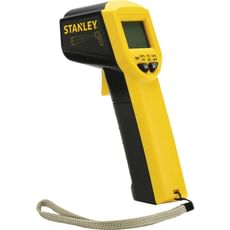
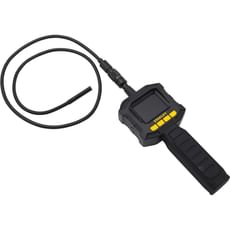
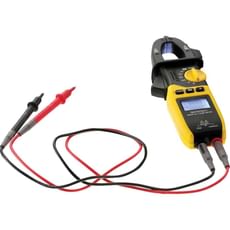
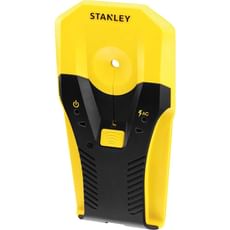
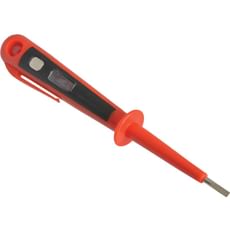
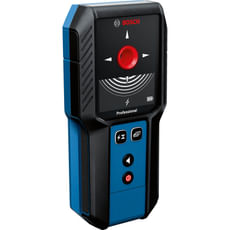
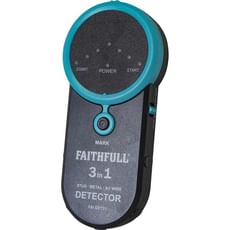
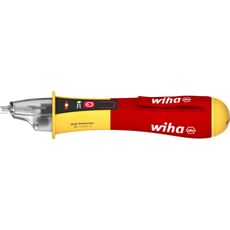
 Loading...
End of content
Error - No more pages to load
About Detectors & Testing Tools
Detectors and testing tools represent essential equipment for tradespeople across electrical, construction, plumbing and property maintenance sectors. This comprehensive category encompasses diagnostic instruments designed to identify hidden hazards, verify electrical circuits, locate concealed services and ensure installations comply with UK safety standards including BS 7671 wiring regulations. From straightforward voltage testers and socket checkers to sophisticated thermal imaging cameras and multifunction test equipment, these tools enable professionals to work safely, efficiently and in full compliance with HSE guidelines.
Whether you're an electrician testing 240v circuits before energising, a plumber searching for hidden pipes behind tiled walls, or a builder checking for moisture ingress during property surveys, having appropriate detection and testing equipment is crucial for quality workmanship and personal safety. Modern detectors combine precision with user-friendly features such as backlit digital displays, audible alerts and LED indicators to make diagnostics faster and more reliable. Many professional-grade instruments now offer multi-function capabilities, allowing tradespeople to carry fewer devices whilst maintaining comprehensive testing and detection capabilities across different materials and applications.
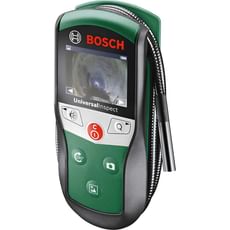
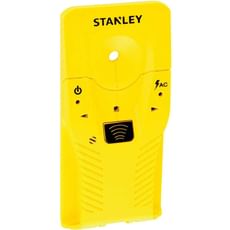
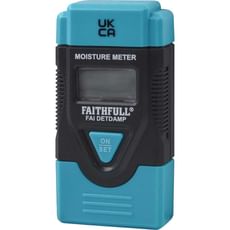
The range at Tooled-Up.com includes trusted manufacturers such as Bosch, Milwaukee, DeWalt, Makita and Fluke, offering everything from basic non-contact voltage detectors for quick safety checks to advanced multifunction installation testers for qualified electricians performing certification work. With child categories covering specialised equipment including cable and pipe detectors, damp meters, inspection cameras, thermal detectors and multimeters, you'll find the precise diagnostic tool required for your trade, application and budget.
Jargon Buster
- RCD (Residual Current Device)
- A life-saving safety device that immediately disconnects electrical supply when detecting an imbalance between live and neutral conductors, preventing potentially fatal electric shocks. RCD testing is mandatory under UK electrical regulations for domestic and commercial installations.
- CAT Rating
- Measurement Category rating (CAT I to CAT IV) indicating the maximum voltage a testing device can safely measure. CAT III rated equipment is required for 240v installation work in UK properties, whilst CAT IV tools are necessary for service head and distribution-level testing.
- True RMS
- Root Mean Square measurement technology providing accurate voltage and current readings when measuring non-sinusoidal waveforms from variable speed drives, LED lighting, inverters or switch-mode power supplies common in modern electrical installations.
- Detection Depth
- The maximum distance beneath a surface at which a detector can reliably locate cables, pipes, studs or other concealed objects. Typically measured in millimetres and varies considerably depending on material composition, object size and wall construction.
- IP Rating
- Ingress Protection rating indicating a device's resistance to dust and moisture. Higher numbers denote better protection—particularly important for testing equipment used on construction sites, outdoors or in damp conditions where water ingress could compromise safety.
- Continuity Testing
- The process of verifying an electrical circuit is complete and capable of carrying current. Essential for checking earth connections, protective bonding and ensuring circuit integrity before energising installations or commissioning new electrical work.
Who Uses Detectors & Testing Tools?
- Electricians and electrical contractors – for testing circuits, verifying installations, fault-finding and certification work in domestic, commercial and industrial properties
- Plumbers and heating engineers – to locate hidden pipes, cables and reinforcement before drilling or cutting into walls, floors and ceilings
- Building surveyors and property inspectors – for identifying damp, structural defects, thermal bridging and electrical problems during pre-purchase surveys and building assessments
- Carpenters and joiners – to detect concealed obstacles such as cables, pipes and noggins before fixing battens, skirting, cabinetry or stud walls
- Maintenance engineers and facilities managers – for routine testing, preventative maintenance and troubleshooting of electrical and mechanical building systems
- HVAC technicians – using thermal detectors, multimeters and clamp meters to diagnose heating, ventilation and air conditioning system faults
- General builders and construction workers – to ensure safe working practices and avoid damaging concealed services during renovation and refurbishment projects
- DIY enthusiasts and homeowners – for safe home improvement projects requiring basic electrical testing, stud detection or cable location before drilling
How to Choose the Right Detectors & Testing Tools
Identify your specific requirements: Consider what you'll be testing or detecting most frequently. Electricians need comprehensive multimeters with appropriate CAT ratings, voltage testers and possibly multifunction installation testers for certification work. Builders and carpenters typically prioritise multi-material cable and pipe detectors that differentiate between ferrous metals, non-ferrous metals, live cables and plastic pipes. For occasional DIY use, simpler socket testers and basic stud detectors often suffice.
Verify safety ratings and compliance: For electrical testing, ensure instruments meet BS EN 61010 standards and possess adequate CAT ratings for your working voltage. Professional electricians typically require CAT III rated equipment for 240v installation work. Look for GS marks and devices compliant with HSE requirements when working on commercial construction sites. Never compromise on safety ratings—using under-specified equipment can result in catastrophic failure and serious injury.
Consider accuracy and detection capabilities: Professional-grade instruments offer superior accuracy, reliability and repeatability essential for diagnostic work and compliance testing. For detectors, check maximum detection depths and whether devices can differentiate between material types. Entry-level detectors typically locate objects up to 40-50mm deep, whilst professional multi-scanners can detect cables and pipes exceeding 120mm depth. True RMS multimeters are essential for accurately measuring modern electrical systems with non-linear loads from LED lighting and electronic equipment.
Evaluate durability and site-worthiness: Tools used on building sites require robust construction, decent IP ratings for dust and moisture resistance, and protective rubber holsters or bumpers. Battery life matters considerably—some devices use readily available AA batteries, whilst others feature rechargeable lithium-ion packs compatible with existing tool platforms like Milwaukee M12, DeWalt XR or Makita LXT, reducing battery inventory and charging equipment needed on site.
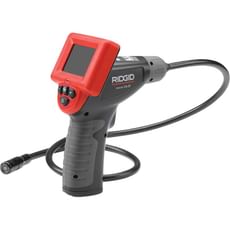
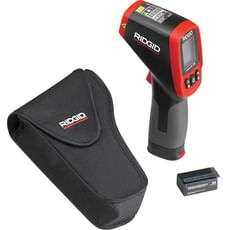
Think about additional features: Modern detectors often include backlighting for inspecting dark voids, auto-shutoff to preserve battery life, data logging capabilities for compliance records, and smartphone connectivity for report generation. Inspection cameras with flexible probes help investigate cavities, ducting and voids without destructive investigation, whilst thermal detectors can identify heat loss, moisture ingress, underfloor heating faults and electrical hotspots indicating loose connections or overloaded circuits.
Popular Accessories
- Test leads and probes with insulated grips, safety covers and CAT-rated protection
- Replacement batteries or compatible platform battery packs for Milwaukee, DeWalt and Makita cordless systems
- Protective carry cases, pouches and holsters for safe tool storage and transport between sites
- Proving units for voltage testers to verify device functionality before and after testing (essential safety practice)
- Crocodile clips, clamps and probe adapters for hands-free testing and accessing difficult terminals
- Calibration certificates and testing record books for compliance documentation and quality assurance
- Thermal imaging camera accessories including additional lenses, SD memory cards and spare batteries
- Extension cables, flexible probes and specialist adapters for accessing recessed locations
- Magnetic hangers and probe holders for convenient single-handed operation
Safety Information
Electrical testing carries inherent risks and must be performed with extreme caution and appropriate competence. Only persons with suitable training and qualifications should test live electrical installations. Always follow the "prove, test, prove" procedure—verify your voltage tester functions correctly on a known live source, perform your actual test, then immediately re-verify the tester afterwards on the live source. Never assume circuits are dead without proper testing using appropriate equipment.
Ensure all testing equipment receives regular inspection for damage, with particular attention to test leads which can develop dangerous internal breaks whilst appearing externally intact. Use only instruments with adequate CAT ratings for the voltages encountered—using under-rated equipment on higher voltage installations can result in arc flash, equipment destruction and serious injury or death. Check devices carry current calibration where accuracy matters for compliance work.
When using detection equipment before drilling or cutting, always treat readings as advisory rather than definitive. Multiple passes from different angles improve accuracy, and when doubt exists, use alternative verification methods or hand-expose the area cautiously. Remember that certain materials like foil-backed plasterboard, metallic wall ties and damp patches can produce false readings. Always wear appropriate PPE including safety glasses when drilling, and follow HSE guidance for working at height, in confined spaces or near potentially live electrical equipment.
Frequently Asked Questions
Do I need qualifications to use electrical testing equipment?
Basic voltage detectors and socket testers can be used by anyone for simple safety checks before DIY work, but comprehensive electrical testing and certification requires appropriate qualifications such as City & Guilds 2391 Inspection and Testing or equivalent. Under UK law, only competent persons should work on or test electrical installations, and Part P Building Regulations apply to most domestic electrical work in England and Wales.
What's the difference between a voltage tester and a multimeter?
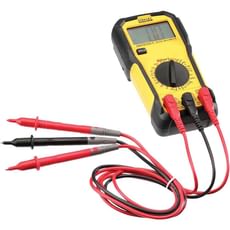
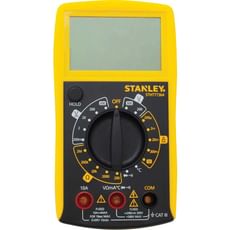
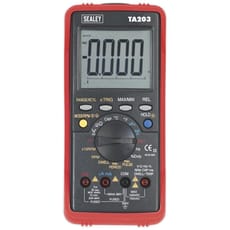
Voltage testers (also called voltage sticks or non-contact testers) simply indicate the presence of voltage through proximity detection—ideal for quick safety checks without touching conductors. Multimeters are comprehensive diagnostic instruments measuring voltage, current, resistance and typically continuity, with advanced models also measuring capacitance, frequency and temperature. Multimeters provide precise numerical readings essential for diagnostic work, fault-finding and compliance testing.
How deep can cable and pipe detectors scan into walls?
Detection depth varies considerably depending on device quality, material being detected and wall composition. Entry-level detectors typically locate objects up to 40-50mm deep, adequate for stud detection and shallow cable runs. Professional-grade multi-scanners can detect metal pipes and cables at depths exceeding 120mm in favourable conditions. Live 240v cables are generally easier to detect than dead cables or plastic pipes. Dense materials like concrete reduce detection depth compared to plasterboard or timber.
Can the same tester be used for domestic and commercial electrical work?
Provided testing equipment carries an appropriate CAT rating (typically CAT III for 240v installations), quality multimeters can be used across different environments. However, commercial and industrial installations often require additional testing capabilities such as earth loop impedance testing, RCD trip time measurement, insulation resistance testing and phase rotation checks which basic testers don't provide. Professional electricians performing certification work typically need multifunction installation testers meeting BS 7671 requirements.
How often should testing equipment be calibrated?
Whilst no legal requirement mandates specific calibration intervals for most hand-held testing tools, best practice suggests annual calibration for professional electrical test equipment, particularly when used for certification work or where accuracy affects compliance. Equipment from Tooled-Up should always be verified functioning correctly before use using proving units, and any device showing signs of damage, giving inconsistent readings or failing verification checks should be withdrawn from service immediately and replaced or professionally serviced.