

Jigsaws
Pay in 3 interest-free payments on purchases from £30-2000 with  . Learn more.
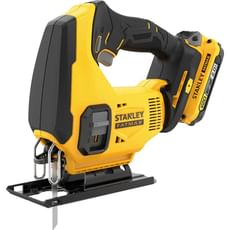
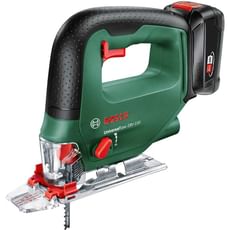
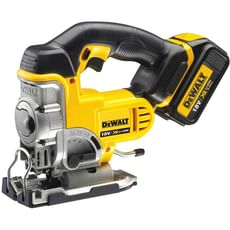
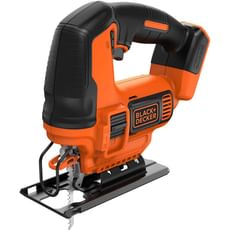
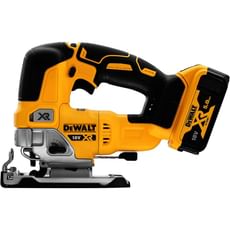
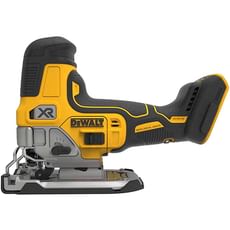
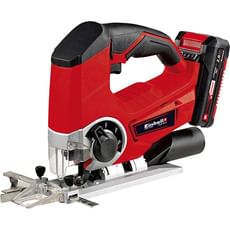
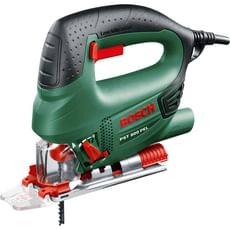
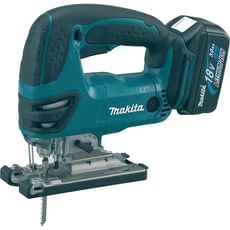
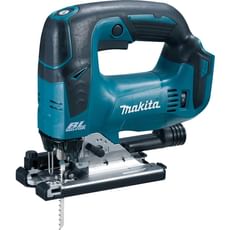
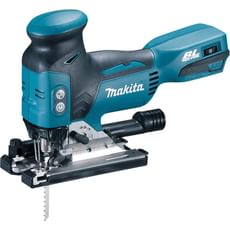
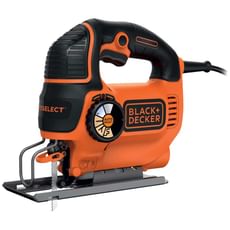
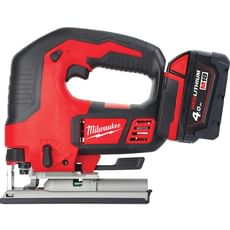
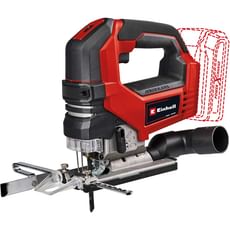
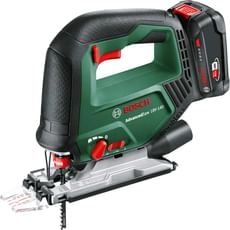
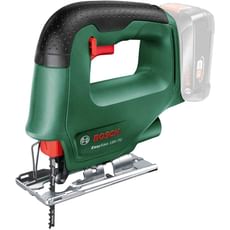
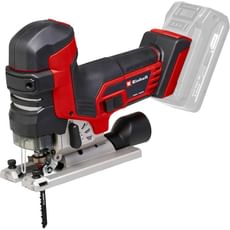
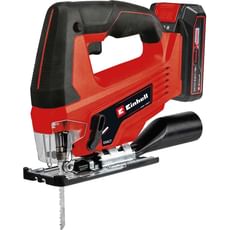
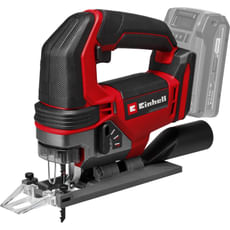
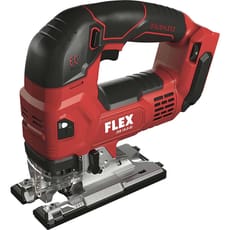
Einhell Professional TP-JST 18/135 Li BL 18v Cordless Brushless Jigsaw
in stock
 Loading...
End of content
Error - No more pages to load
About Jigsaws
The jigsaw is one of the most versatile cutting tools available to tradespeople and DIY enthusiasts alike. Renowned for its ability to cut intricate curves, circles and complex patterns in a variety of materials, the jigsaw is an essential addition to any toolkit. While circular saws excel at long straight cuts, the jigsaw's unique reciprocating blade action makes it the go-to choice for detailed work, cutouts for sinks and hobs, creating shaped edges, and following templates. From cutting worktops to crafting decorative woodwork, the jigsaw's adaptability makes it indispensable on site and in the workshop.
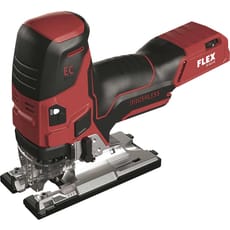
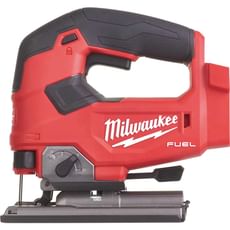
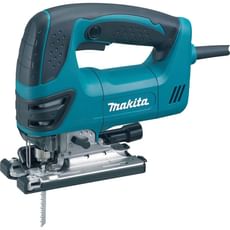
Modern jigsaws are available in both corded and cordless variants, with leading manufacturers like Makita, Bosch, DeWalt and Milwaukee offering models to suit every budget and application. Cordless 18V jigsaws have become increasingly popular, providing excellent mobility without sacrificing power, whilst professional 240v corded models deliver consistent performance for demanding daily use. Whether you opt for a D-handle design (resembling an iron grip, ideal for controlled straight cuts) or a barrel-grip body design (offering superior manoeuvrability for curves and overhead work), today's jigsaws feature pendulum action settings, tool-free blade changes, dust extraction ports and LED work lights.
With interchangeable blades designed for wood, metal, plastic, ceramics and composite materials, a single jigsaw can tackle an enormous range of cutting tasks. The selection available at Tooled-Up.com ranges from entry-level models perfect for home improvement projects through to professional-grade machines from brands like Festool and Bosch Professional, ensuring that whether you're completing rough carpentry cuts or precision cabinetry work, there's a jigsaw to match your requirements and budget.
Jargon Buster
- Pendulum Action: An adjustable setting that causes the blade to move forwards and backwards as well as up and down, increasing cutting speed in softer materials. Higher pendulum settings cut faster but less smoothly, whilst zero pendulum provides the cleanest cuts in metal and laminates.
- Stroke Length: The distance the blade travels up and down, typically measured in millimetres (commonly 18-26mm). Longer stroke lengths generally deliver faster cutting speeds and better performance in thicker materials.
- Strokes Per Minute (SPM): The speed at which the blade reciprocates, usually ranging from 500 to 3,000 SPM. Variable speed control allows you to match the cutting speed to the material being worked.
- Bevel Capacity: The ability to tilt the base plate to make angled cuts, typically adjustable from 0° to 45° (sometimes up to 45° in both directions for mitred cuts).
- Tool-Free Blade Change: A quick-release mechanism allowing blades to be changed without requiring allen keys or additional tools, significantly speeding up workflow when switching between materials.
- T-Shank Fitting: The industry-standard blade mounting system featuring a tang-shaped fitting that locks securely into tool-free blade clamps, offering better blade retention and faster changing than older U-shank designs.
Who Uses Jigsaws?
Jigsaws are utilised across a broad spectrum of trades and applications:
- Carpenters and joiners – for cutting curves, creating housing joints, and trimming architraves and skirting boards
- Kitchen fitters – essential for cutting worktop cutouts for sinks, hobs and breakfast bars
- Shop fitters and cabinet makers – precision cutting of laminates, veneered boards and decorative panels
- General builders – versatile cutting tool for various site work applications
- Plumbers and electricians – creating access holes and notches in joists, floorboards and panels
- Flooring installers – cutting laminate and engineered wood flooring around obstacles and architraves
- Window fitters – trimming sills, boards and finishing pieces
- DIY enthusiasts and home improvers – one of the safest and most approachable power saws for general home projects
- Craft workers and model makers – precision cutting of thin materials and intricate patterns
How to Choose the Right Jigsaw
Selecting the appropriate jigsaw depends on several key factors:
Power Source: Corded jigsaws typically range from 450W to 750W and provide consistent power for extended use, making them ideal for professional tradespeople working near mains electricity. Cordless 18V models offer excellent portability for site work and are now powerful enough for most professional applications, though 12V variants suit lighter DIY tasks. If you already use cordless tools, choosing a jigsaw compatible with your existing battery platform from Makita, DeWalt, Milwaukee or Bosch can deliver significant cost savings.
Handle Design: D-handle (top-handle) jigsaws are the most common in the UK, offering excellent control for straight cuts and comfortable extended use. Barrel-grip (body-grip) models provide superior manoeuvrability for curved cuts and can be easier to use in awkward positions or when working from underneath.
Cutting Capacity: Consider the maximum cutting depths required – professional models typically cut up to 135mm in wood and 10mm in steel, whilst lighter models may be limited to 65-80mm in timber. If you regularly work with thick materials or worktop-grade sheet goods, ensure your chosen model has adequate capacity.
Features and Adjustments: Look for variable speed control to match different materials, pendulum action with multiple settings for versatility, tool-free blade changes for efficiency, and a tilting base plate for bevel cuts. Dust extraction capability, LED work lights and anti-splinter inserts are valuable additions for professional results.
Brand and Build Quality: Professional-grade jigsaws from Makita, Bosch Professional, DeWalt, Milwaukee and Festool offer superior durability, precision and performance for daily trade use. Budget brands like Einhell, Black and Decker and Bosch Home and Garden provide excellent value for occasional users and home enthusiasts.
Popular Accessories
- Jigsaw Blades: Available in numerous types for wood, metal, plastic and specialist materials – T-shank blades are the current standard fitting
- Anti-Splinter Inserts: Replaceable plastic inserts that minimise tear-out on the upper surface of laminates and veneered materials
- Circle Cutting Guides: Trammel attachments for cutting perfect circles and arcs
- Parallel Guides: Fence attachments for maintaining consistent distance from an edge when making straight cuts
- Dust Extraction Hoses: Connect your jigsaw to a workshop vacuum for cleaner working and better cut line visibility
- Replacement Base Plates: Spare sole plates to maintain accuracy after wear
- Work Benches and Clamps: Secure workpieces properly for safer, more accurate cutting
- Safety Equipment: Eye protection, hearing defenders and dust masks suitable for the materials being cut
Safety Information
Jigsaws are generally considered one of the safest power saws available, but proper precautions are essential. Always wear appropriate personal protective equipment including safety glasses to protect against flying debris, and hearing protection when using corded models for extended periods. When cutting materials that produce fine dust (particularly MDF, treated timber or metal), respiratory protection meeting the appropriate HSE standards is essential. Consider COSHH regulations when working with treated materials or composites.
Ensure workpieces are securely clamped before cutting – never attempt to hold small pieces by hand. Keep hands well clear of the cutting line and blade path. Always disconnect the power supply or remove the battery before changing blades or making adjustments. Allow blades to come to a complete stop before setting the tool down.
Ensure adequate lighting and maintain clear visibility of the cutting line. When using 240v corded models, position cables safely to avoid tripping hazards and keep them away from the blade path. Regularly inspect blades for damage and replace bent or blunt blades immediately – forcing a worn blade increases the risk of kickback and poor results. Be aware that jigsaws can be difficult to control when breaking through the underside of materials – reduce pressure and speed as you approach the exit point to maintain control.
Frequently Asked Questions
What's the difference between T-shank and U-shank jigsaw blades?
T-shank blades have become the industry standard in the UK and Europe, featuring a tang-shaped fitting that locks securely into tool-free blade clamps for quick changes. U-shank (also called universal shank) blades are an older design requiring grub screws to secure them. Most modern jigsaws available from Tooled-Up.com use T-shank fittings exclusively, offering better blade retention and faster changing. Choose a jigsaw with T-shank compatibility for access to the widest range of quality blades.
Can I cut metal with a jigsaw?
Yes, jigsaws are excellent for cutting sheet metal, metal pipes, angle iron and various metal profiles when fitted with the appropriate blade. Use blades specifically designed for metal (with finer teeth and suitable materials) and reduce the cutting speed significantly – typically around 1,000 SPM for steel. Turn off the pendulum action completely for metal cutting to ensure smooth cuts and longer blade life. Apply cutting lubricant for cleaner cuts and reduced heat buildup when cutting thicker steel.
How do I get cleaner cuts with less splintering?
To minimise splintering on the top surface of materials like laminate or veneered boards, use a fine-toothed blade designed for clean cutting, reduce the pendulum action setting, and fit an anti-splinter insert if your jigsaw accepts them. You can also apply masking tape along the cut line. Remember that jigsaws cut on the upstroke, so the top surface typically experiences more tear-out – for critical visible surfaces, consider cutting with the good face down, or score the cut line with a knife before cutting.
What voltage cordless jigsaw should I choose?
For professional trade use and regular DIY projects, an 18V cordless jigsaw offers the best balance of power, runtime and portability. Modern 18V models from Makita, DeWalt, Bosch and Milwaukee deliver performance comparable to corded jigsaws for most applications. If you already use cordless tools from a particular brand, choosing a matching platform allows you to share batteries across your toolkit. For lighter occasional use, 12V models provide adequate performance for thinner materials whilst being more compact and lighter.
Do I need a jigsaw if I already own a circular saw?
Yes – whilst circular saws excel at straight cuts in sheet materials and timber, they cannot cut curves, circles or intricate patterns. Jigsaws are essential for cutting sink and hob openings in worktops, creating shaped edges, following templates, making internal cutouts, and any detailed work. The two saws complement each other perfectly in a complete toolkit, with the circular saw handling long straight cuts efficiently and the jigsaw tackling everything requiring curves or detailed control.