
Laminate & Wood Trimmers

Pay in 3 interest-free payments on purchases from £20-£3000 with  . Learn more.
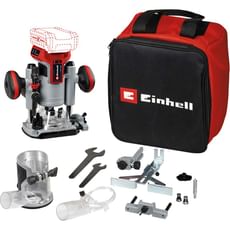
Einhell Professional TP-RO 18 Li BL 18v Cordless Brushless Plunge and Trim Router Kit
in stock
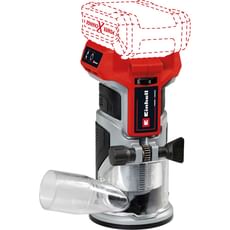
Einhell Professional TP-ET 18 Li BL 18v Cordless Brushless Trim Router
in stock
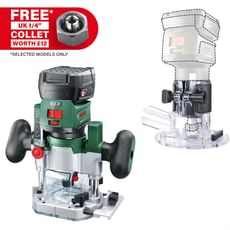
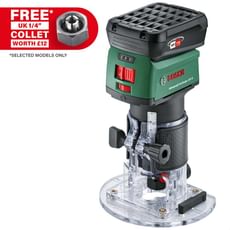
Bosch ADVANCEDTRIMROUTER 18V-8 P4A 18v Cordless Trim Router with Plunge Attachment
in stock
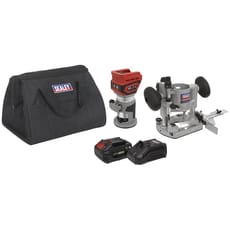
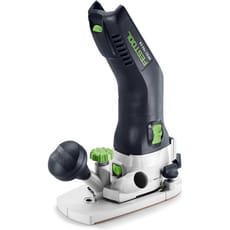
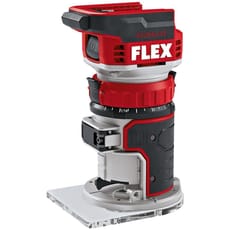
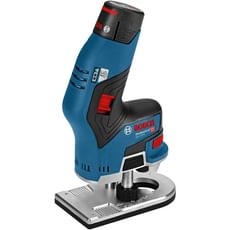
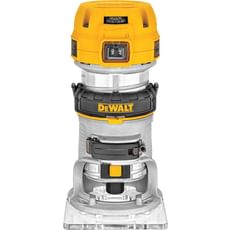
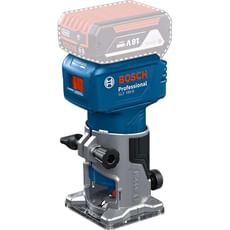
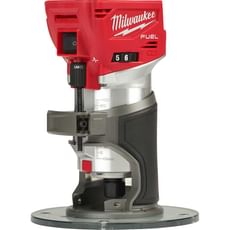
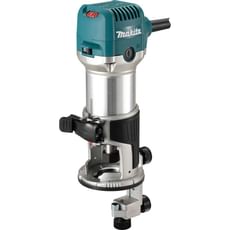
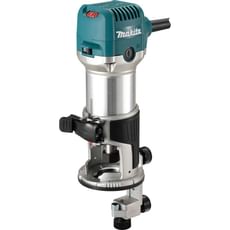
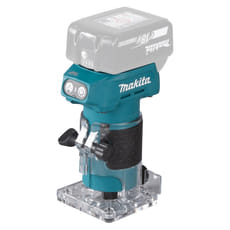
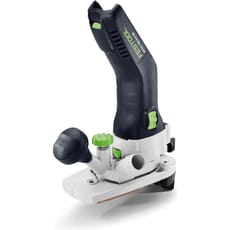
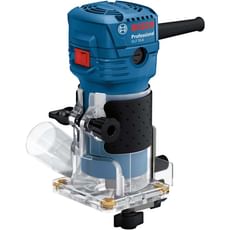
Loading...
End of content
Error - No more pages to load
About Laminate & Wood Trimmers
Laminate and wood trimmers represent a specialised category of routing tools that excel where precision and manoeuvrability are paramount. Unlike their plunge router cousins, these fixed base routers feature a static motor housing that maintains a constant cutting depth, making them ideal for edge work, laminate trimming, and intricate detail routing. Their compact, lightweight design—typically featuring a lower centre of gravity than plunge routers—enables better control when working on edges, curved surfaces, and detailed joinery applications.
The category encompasses both corded and cordless models, with power ratings generally ranging from 12V to 18V for battery-powered options, and 600W to 1200W for 240v mains-powered trimmers. Most models are supplied with 1/4" collets as standard, accommodating a wide range of router bits suitable for everything from flush trimming laminate worktops to creating decorative edge profiles on furniture projects. Leading manufacturers including Makita, Festool, Bosch Professional, DeWalt, and Milwaukee offer models ranging from compact palm routers perfect for light-duty work through to brushless cordless trimmers capable of tackling demanding professional applications.
Modern laminate and wood trimmers increasingly feature brushless motor technology, sophisticated depth adjustment systems with fine control down to fractions of a millimetre, LED work lights, and dust extraction ports compatible with workshop vacuum systems. Whether you're a kitchen fitter trimming laminate worktops, a cabinet maker creating perfect edge profiles, or a DIY enthusiast tackling home improvement projects, these versatile tools deliver the precision and control that larger routers simply cannot match.
Jargon Buster
- Fixed Base Router – A router design where the motor housing remains at a fixed height during operation, with depth adjusted before use rather than during cutting. This provides superior stability for edge work and precise depth control compared to plunge routers.
- Brushless Motor – An electronically controlled motor design that eliminates carbon brushes, resulting in greater efficiency, longer runtime on cordless models, extended tool life, and more consistent power delivery under load.
- Collet Size – The diameter of the shaft that holds router bits, measured in inches. Laminate trimmers typically use 1/4" collets, which accommodate smaller, more delicate cutting bits ideal for detailed work and edge profiling.
- RPM (Revolutions Per Minute) – The speed at which the router bit spins. Most trimmers operate between 16,000-30,000 RPM, with higher speeds generally producing finer finishes but requiring appropriate bit selection to stay within safe operating limits.
- Soft Start – A feature that gradually increases motor speed when switched on, reducing the initial torque reaction and making the tool easier to control, particularly important with more powerful models.
- Template Guide – A circular attachment that fits to the router base, allowing the tool to follow templates or patterns precisely for reproducing identical shapes and profiles across multiple workpieces.
Who Uses Laminate & Wood Trimmers?
Laminate and wood trimmers serve a diverse range of professionals and enthusiasts:
- Kitchen Fitters – trimming laminate worktops, flush-cutting edging strips, and creating precise joints between worktop sections
- Carpenters and Joiners – edge profiling, hinge recessing, inlay work, and detailed joinery on site and in the workshop
- Cabinet Makers – applying decorative edge profiles, flush trimming veneer and edge banding, and precision template work
- Shopfitters – trimming and profiling display units, shelving systems, and retail furniture installations
- Furniture Makers – creating decorative edges, template routing for repeated components, and fine detail work
- Flooring Specialists – trimming laminate flooring around door frames and awkward spaces
- Set Builders and Scenic Artists – creating architectural details and decorative elements for stage and screen
- DIY Enthusiasts – home improvements, furniture restoration, kitchen upgrades, and woodworking hobbies
- Boat Builders – trimming laminates and creating edge profiles on marine joinery work
How to Choose the Right Laminate & Wood Trimmers
Corded vs Cordless
Corded trimmers deliver consistent power for extended periods and achieve higher RPM speeds—typically 25,000-30,000 RPM—resulting in superior cut quality and finish. They're ideal for workshop use and high-volume applications. Cordless models, predominantly 18V platforms from manufacturers like Makita LXT, DeWalt XR, Milwaukee M18, and Festool, offer unmatched portability and are perfect for site work where mains power is limited or trailing cables would hinder manoeuvrability. However, routing is power-intensive, so consider battery capacity (Ah rating) and have spare batteries for larger projects.
Power and Performance
Entry-level trimmers typically offer 600-750W (corded) or 12V (cordless), suitable for occasional DIY use and light-duty applications. Mid-range models at 800-1000W or 18V deliver the performance most tradespeople require for daily professional use. Consider no-load speed specifications—18,000-25,000 RPM suits general trimming work, whilst 25,000-30,000 RPM provides finer finishes on hardwoods and laminates.
Depth Adjustment and Control
Precision depth control is crucial for trimming applications. Look for models with fine adjustment mechanisms offering increments of 0.1mm or less. Quick-release mechanisms allow rapid bit changes, whilst scale indicators with clear markings enable repeatable settings across multiple workpieces.
Build Quality and Features
Professional-grade models from Festool, Makita, and Bosch Professional feature aluminium housings, sophisticated dust extraction systems, LED work lights, and electronic speed control. Budget options from brands like Draper and Einhell provide adequate performance for occasional use. Consider ergonomics—palm-grip designs suit extended use, whilst body-grip styles offer better control for vertical applications.
Base Plate and Accessories
A clear sub-base or viewing window aids accuracy when following guidelines. Some models include tilting bases for angled work, whilst others offer plunge attachments that transform fixed-base trimmers into versatile multi-purpose routers. Template guide compatibility extends functionality for pattern work.
Popular Accessories
- Router Bit Sets – comprehensive collections of profile cutters, flush trim bits, chamfer bits, and roundover bits in 1/4" shank sizes for various edge treatments and applications
- Template Guides – precision guide bushings in various diameters for accurate pattern following and template routing work
- Guide Rails and Edge Guides – attachments that ensure perfectly straight cuts and consistent edge distances when trimming
- Dust Extraction Adaptors – connectors enabling attachment to workshop vacuum systems for healthier, cleaner working conditions
- Plunge Attachments – convert fixed base trimmers into plunge routers for starting cuts mid-surface and creating housings
- Router Tables – inverted mounting systems that transform handheld trimmers into compact bench-top routing stations
- Replacement Collets – spare collets and collet nuts maintain secure bit retention and enable different shank size compatibility with reducers
- Carrying Cases – protective storage solutions, often included with professional models, keeping tools and accessories organised on-site
Safety Information
Routers spin cutting tools at extremely high speeds—often exceeding 25,000 RPM—creating significant noise levels and potentially hazardous dust. Always wear appropriate PPE including safety glasses or goggles (to BS EN 166 standard), hearing protection rated for at least 85dB, and respiratory protection appropriate to the material being routed. Many woods, particularly MDF and hardwoods, produce dust subject to HSE workplace exposure limits under COSHH regulations. Connect to suitable dust extraction wherever possible.
Before operating any router, familiarise yourself with safe routing practices: always route in the correct direction (against the bit rotation), ensure workpieces are securely clamped, keep both hands on the tool, and never start the router with the bit in contact with the workpiece on fixed-base models. Ensure router bits are rated for the operating speed of your trimmer—exceeding safe speed limits can cause bit failure with serious consequences.
For corded models, inspect cables regularly for damage and ensure compliance with UK 240v electrical standards. Use 110V transformers on construction sites where required. Cordless users should follow manufacturer battery charging and storage guidelines. Always disconnect power or remove batteries before changing bits or making adjustments. Never wear loose clothing, jewellery, or leave long hair unrestrained when operating rotating machinery.
Frequently Asked Questions
What's the difference between a laminate trimmer and a plunge router?
Laminate trimmers are fixed-base routers where the motor height is set before use and remains constant during operation, making them ideal for edge work and applications requiring precise, consistent depth. Plunge routers feature spring-loaded bases allowing you to lower the bit into the workpiece during operation, better suited for mortising, grooving, and starting cuts away from edges. Trimmers are generally lighter, more compact, and easier to control for edge profiling and trimming applications.
Can I use a laminate trimmer in a router table?
Yes, many laminate trimmers work excellently in router tables due to their compact size and precise depth adjustment. Their fixed-base design actually makes them ideal for inverted table mounting. However, verify that your specific model has suitable mounting provisions and that the power switch can be safely accessed or controlled via an external switch when mounted. Smaller trimmers available from Tooled-Up are perfect for light-duty table work with smaller profile cutters.
What battery capacity do I need for cordless trimming work?
Routing is power-intensive, so opt for 4.0Ah batteries as a minimum, with 5.0Ah or 6.0Ah providing better runtime for professional applications. For occasional light trimming, 3.0Ah batteries may suffice, but expect limited runtime. Always have spare batteries charged when tackling larger projects. Runtime varies significantly based on material hardness, cutting depth, and feed rate—hardwoods and deeper cuts drain batteries considerably faster than softwoods and light trimming passes.
Do I need different router bits for laminate versus wood?
While many router bits work on both materials, dedicated laminate trimming bits feature specific geometries and cutting angles optimised for plastic laminates, often with downshear designs that prevent chipping on the laminate surface. For general woodworking, standard HSS or carbide-tipped bits in profiles like roundover, chamfer, and flush trim serve most purposes. Carbide-tipped bits last significantly longer, particularly when working with abrasive materials like MDF or chipboard.
How do I achieve a smooth finish when trimming?
Several factors influence finish quality: use sharp router bits appropriate to your material, operate at the correct speed (higher RPM generally produces smoother cuts), maintain a consistent feed rate—moving too slowly burns the material whilst too fast leaves tear-out—and make multiple shallow passes rather than one deep cut when removing significant material. Ensure your workpiece is properly supported and secured, and always route in the correct direction relative to bit rotation.