

Luggage, Recovery & Towing

Pay in 3 interest-free payments on purchases from £20-£3000 with  . Learn more.
 Loading...
End of content
Error - No more pages to load
About Luggage, Recovery & Towing
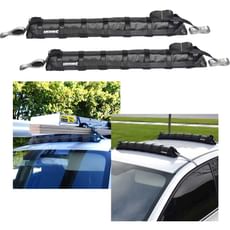
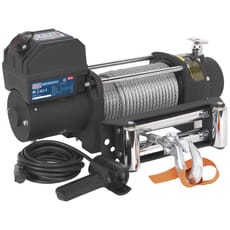
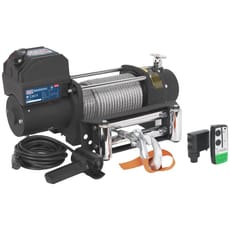
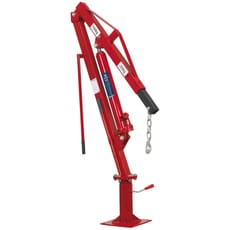
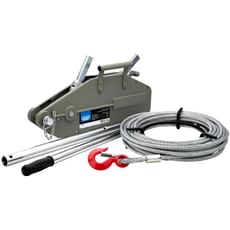
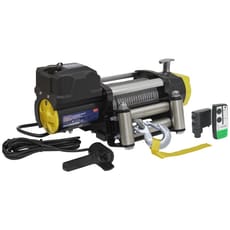
Whether you're a mobile tradesperson transporting tools between job sites, a recovery specialist dealing with roadside emergencies, or a contractor hauling equipment and materials, having the right luggage, recovery and towing equipment is essential for safe and efficient vehicle operations. This comprehensive category brings together everything needed to transport, secure, recover and tow vehicles and heavy loads, from robust roof bars and winches to essential safety equipment like warning triangles and towing signs.
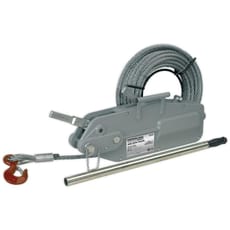
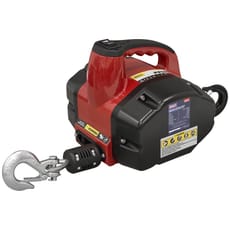
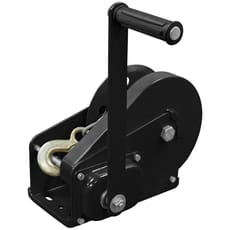
The range available at Tooled-Up.com encompasses professional-grade recovery equipment designed for breakdown services and agricultural contractors, alongside practical towing solutions for anyone who regularly moves trailers, caravans or equipment. From hand pullers capable of shifting vehicles in tight spaces to heavy-duty tow balls and hitches engineered to meet UK towing regulations, equipment that meets British and European safety standards is essential for compliance and peace of mind. For tradespeople who spend considerable time on the road, quality luggage solutions including roof bars and storage systems help maximise vehicle capacity whilst keeping tools and materials secure during transit.
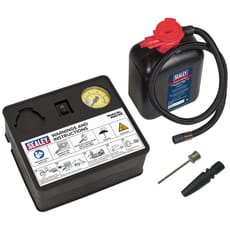
Safety remains paramount when dealing with vehicle recovery and towing operations. This category includes all the mandatory safety equipment required under UK road traffic regulations, including warning triangles, high-visibility towing signs, and puncture repair kits. Whether you're equipping a commercial recovery vehicle, preparing for off-road adventures, or simply ensuring your work van is properly prepared for roadside emergencies, professional-standard equipment built to withstand the demands of British weather and road conditions is crucial for reliable performance.
Jargon Buster
- Gross Train Weight (GTW): The maximum permissible combined weight of your towing vehicle and trailer when both are fully loaded. Exceeding this figure is illegal in the UK and invalidates insurance coverage.
- Nose Weight: The downward force exerted by the trailer coupling onto the tow ball. Typically ranges from 50-100kg depending on vehicle specifications, and must not exceed manufacturer limits to maintain safe handling and stability.
- Breaking Strain: The minimum load at which a tow rope or strap will fail under tension. Professional recovery equipment should have a breaking strain significantly higher than the weight being recovered, typically at least four times the vehicle weight for adequate safety margin.
- SWL (Safe Working Load): The maximum load that equipment such as winches, straps or hand pullers should be subjected to during normal operations. Always substantially lower than breaking strain to provide a crucial safety buffer.
- Jaw Coupling: A common type of trailer coupling featuring a pressed steel jaw mechanism that clamps onto the tow ball. Must comply with BS EN standards for use on UK roads and undergo regular inspection.
- Snatch Strap: An elastic recovery strap designed to stretch under load, using kinetic energy to recover stuck vehicles. Different from static tow ropes and requires specific training for safe use to prevent injury or equipment failure.
Who Uses Luggage, Recovery & Towing Equipment?
- Mobile Tradespeople: Electricians, plumbers, heating engineers and carpenters who need roof bars and secure storage for transporting tools between job sites
- Recovery Operators: Professional breakdown and recovery services requiring winches, tow ropes, hand pullers and safety signage
- Agricultural Contractors: Farmers and land managers moving machinery, livestock trailers and equipment across rural locations
- Groundworkers and Landscapers: Contractors towing plant equipment, mini diggers, dumpers and materials to construction sites
- Construction Site Managers: Those responsible for ensuring company vehicles are equipped with mandatory safety equipment including warning triangles and towing accessories
- Fleet Managers: Businesses maintaining commercial vehicle fleets requiring compliance with UK road safety regulations
- Off-Road Enthusiasts: 4x4 owners and green laners needing recovery equipment for challenging terrain
- Caravan and Motorhome Owners: Holiday makers requiring proper towing equipment, nose weight gauges and trailer accessories
- Plant Hire Companies: Businesses regularly transporting machinery and equipment on trailers between rental locations
How to Choose the Right Luggage, Recovery & Towing Equipment
Check Your Vehicle's Specifications: Before purchasing any towing equipment, consult your vehicle handbook to determine maximum towing capacity, nose weight limits and approved tow ball types. Exceeding these figures is illegal and dangerous on UK roads, potentially invalidating insurance and affecting vehicle warranty coverage.
Consider Your Load Requirements: Match equipment specifications to your actual needs. A hand puller rated for 750kg is adequate for positioning small trailers, whilst vehicle recovery demands winches with capacities of 2,000kg or more. For roof bars, calculate the total weight of tools and materials you'll regularly transport and select systems with appropriate load ratings.
Verify British and European Standards: Quality towing equipment should display BS EN certification marks confirming compliance with UK safety regulations. This is particularly important for tow balls, hitches and safety-critical components that undergo substantial stress during regular use. Look for clear markings indicating conformity with recognised standards.
Assess Build Quality and Durability: Professional-grade recovery equipment withstands harsh conditions and repeated use. Look for galvanised steel components that resist corrosion, reinforced mounting points, and weather-resistant materials suitable for year-round British weather. Investment in quality equipment reduces long-term replacement costs and enhances safety.
Include Essential Safety Equipment: UK law requires specific safety equipment when towing or conducting recovery operations. Ensure you have warning triangles, high-visibility towing signs, and appropriate reflective markings. Many professional users also carry puncture repair kits, spare towing pins and emergency lighting for enhanced roadside safety.
Plan for Storage and Accessibility: Recovery equipment must be quickly accessible during roadside emergencies. Consider how and where equipment will be stored in your vehicle, ensuring it's secure during transit but immediately available when needed. Dedicated storage boxes or mounting systems prevent equipment damage and maintain organisation.
Popular Accessories
- Towing Mirrors: Essential extensions for maintaining proper visibility when towing wide trailers or caravans, required by law in many circumstances
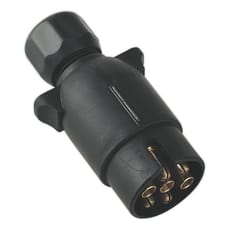
- Towing Electrics Testers: Devices for checking trailer light connections and identifying wiring faults before journeys
- Wheel Chocks: Prevent vehicle or trailer movement during loading, coupling and recovery operations on sloped surfaces
- Shackles and Connectors: Heavy-duty joining hardware for connecting tow ropes, straps and recovery points securely
- High-Visibility Vests: Mandatory PPE when conducting roadside recovery or towing operations on UK roads, conforming to EN ISO 20471
- Grease and Lubricants: Specialist formulations for maintaining tow balls, couplings and mechanical components to prevent wear and corrosion
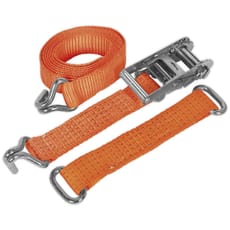
- Load Securing Straps: Ratchet straps and tie-downs for securing loads on roof bars or within trailers to comply with load security regulations
- Nose Weight Gauges: Measuring devices ensuring correct weight distribution on trailer couplings for optimal stability
- Stabiliser Legs: Support equipment for caravans and trailers when stationary, preventing movement during loading or unloading
- Recovery Gloves: Heavy-duty protective gloves for handling recovery straps, chains and towing equipment safely
Safety Information
Working Load Limits: Never exceed the stated Safe Working Load (SWL) of any recovery or towing equipment. Equipment should be regularly inspected for wear, corrosion or damage, and any compromised items must be withdrawn from service immediately. Maintain inspection records for commercial operations as required by HSE guidance.
Roadside Recovery Precautions: When conducting recovery operations on UK roads, always position warning triangles at appropriate distances (45 metres minimum on single carriageways, never use on motorways), wear high-visibility clothing conforming to EN ISO 20471, and ensure hazard lights remain activated. Consider additional lighting for night-time operations and position recovery vehicles to protect the work area.
Correct Attachment Points: Only use designated recovery points and towing eyes specified by vehicle manufacturers. Improvised attachment to suspension components, axles or chassis members can cause catastrophic failure and serious injury. Consult vehicle documentation to identify approved recovery points before attempting any recovery operation.
Towing Capacity Compliance: Exceeding your vehicle's maximum towing capacity or nose weight limits affects braking performance, stability and steering response. It also invalidates insurance and can result in prosecution under UK road traffic legislation. Always verify actual weights against manufacturer specifications before towing.
Equipment Inspection: Before each use, inspect tow ropes, straps, shackles and couplings for fraying, cracking, deformation or corrosion. Keep a written log of inspection dates for commercial operations, as required by HSE guidance for work equipment. Replace worn equipment immediately rather than risk failure under load.
Proper Training: Recovery operations, particularly using winches and kinetic recovery straps, require specific knowledge and technique. Seek professional training before attempting complex recovery scenarios, as incorrect procedures can result in equipment failure and serious injury. Many accidents occur through improper use of otherwise sound equipment.
Frequently Asked Questions
What weight tow ball do I need for my vehicle?
Most UK vehicles use either 50mm tow balls (the standard for modern cars and light commercials) or 2-inch agricultural-type hitches for heavier applications. Check your vehicle handbook and trailer coupling to ensure compatibility. The tow ball must meet BS EN standards and be rated for your vehicle's maximum towing capacity. Some vehicles have specific manufacturer-approved tow balls that must be used to maintain warranty coverage. Browse the selection at Tooled-Up.com to find tow balls with clear capacity ratings and certification marks.
Do I legally need a warning triangle in my van?
Whilst not mandatory for UK-registered vehicles operating solely in Britain, warning triangles are compulsory in many European countries and represent best practice for roadside safety. Professional tradespeople and fleet operators should carry warning triangles as part of their duty of care obligations, and they're essential when conducting any roadside recovery or towing operations on UK roads. Many employers now require them as standard equipment in all commercial vehicles.
Can I use any winch for vehicle recovery?
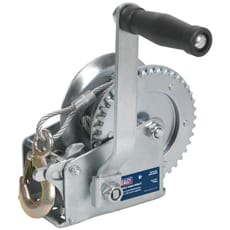
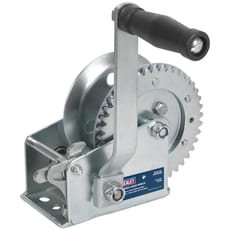
Vehicle recovery winches must have sufficient capacity - typically rated at least 1.5 times your vehicle's gross weight for adequate safety margin. Electric winches require adequate battery capacity and proper electrical installation with heavy-duty cabling and circuit protection compatible with 240v systems where applicable. Hand-operated winches and pullers offer reliable alternatives without electrical demands, though recovery speeds are slower. Always ensure your vehicle has suitable mounting points capable of withstanding winch forces.
How do I calculate the correct nose weight for my trailer?
Nose weight is measured using a dedicated gauge or bathroom scales positioned under the trailer coupling at tow ball height. Most cars have nose weight limits between 50-100kg - check your handbook for exact figures. Incorrect nose weight causes instability: too light creates trailer "snaking", whilst excessive weight overloads rear suspension and affects steering. Adjust by redistributing load within the trailer until nose weight falls within specified limits before every journey.
What's the difference between a tow rope and a recovery strap?
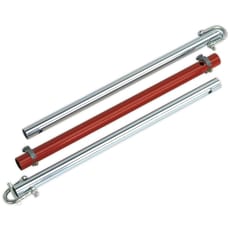
Tow ropes are designed for pulling free-rolling vehicles and should not be used for recovering stuck vehicles due to insufficient elasticity and strength. Recovery straps have higher strength ratings and some flexibility to absorb shock loads when extracting bogged-down vehicles. Kinetic recovery straps (snatch straps) deliberately stretch to build energy for difficult extractions but require specific training for safe use. Tooled-Up stocks both types clearly labelled with their intended applications and weight ratings - always match equipment type to your recovery scenario and never exceed rated capacities.