

Nail & Staple Guns
Pay in 3 interest-free payments on purchases from £30-2000 with  . Learn more.
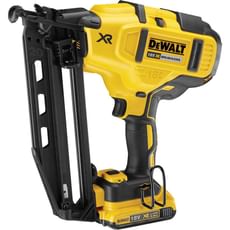
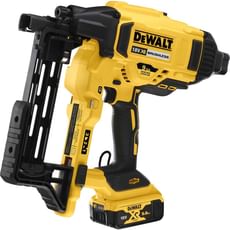
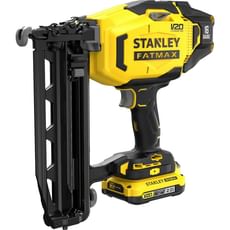
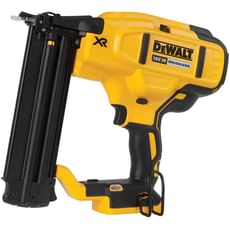
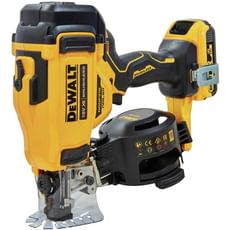
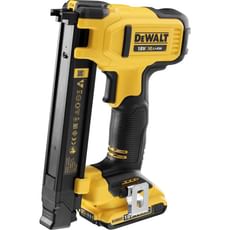
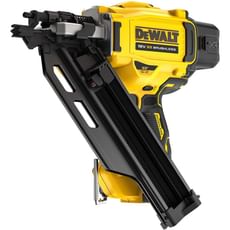
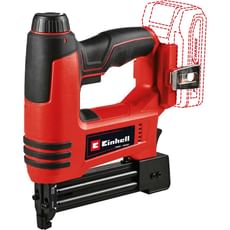
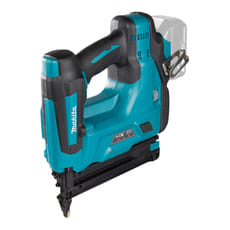
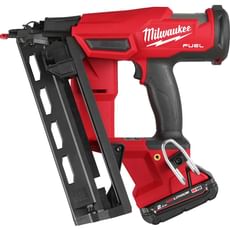
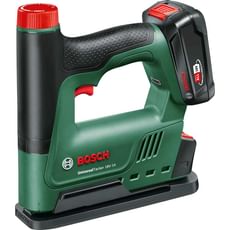
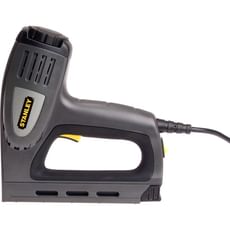
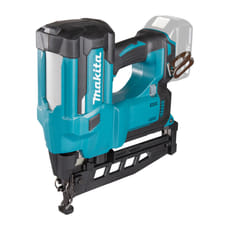
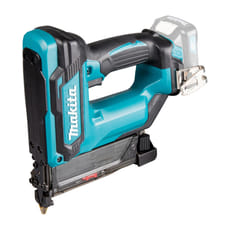
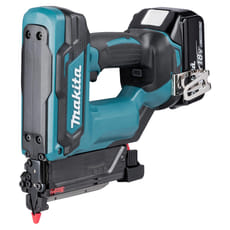
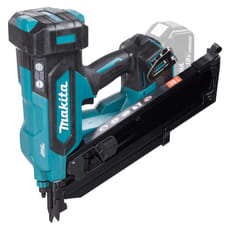
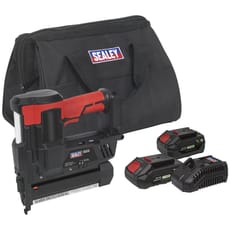
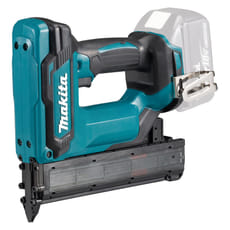
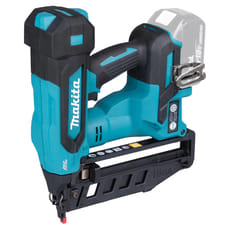
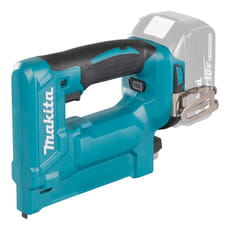
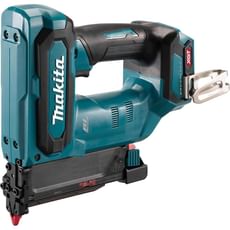
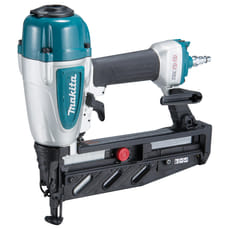
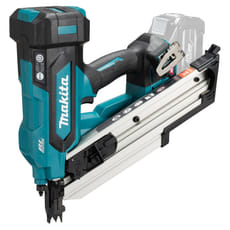
Makita DBN601 18v LXT Cordless Brushless 16 Gauge Stright Finishing Nailer
in stock
 Loading...
End of content
Error - No more pages to load
About Nail & Staple Guns
Nail and staple guns have revolutionised fixing and fastening work across construction, carpentry, upholstery and manufacturing industries. These power tools deliver nails or staples with speed and precision, eliminating the physical strain of manual hammering or stapling whilst significantly improving productivity on site. Whether you're framing a house extension, fitting skirting boards, assembling furniture or tackling upholstery projects, the right nailer or stapler makes all the difference between a professional finish and a time-consuming struggle.
The selection at Tooled-Up.com includes cordless battery-powered models, 240v electric nailers, and gas-powered options, each with distinct advantages depending on your application. Cordless nail guns powered by lithium-ion batteries offer unmatched portability and are ideal for site work where access to mains power proves difficult. Electric 240v models deliver consistent power for workshop environments and extended use, whilst gas-powered nailers combine cordless convenience with the driving force needed for heavy-duty structural work. For pneumatic air-powered options, you'll find these in the dedicated Air Nail & Staple Guns section.
From heavy-duty framing nailers that sink 90mm nails into structural timber, through to precision brad nailers for delicate trim work, and versatile combination tools that accept both nails and staples, this category encompasses the full spectrum of powered fixing solutions. Leading manufacturers including Makita, DeWalt, Milwaukee and Bosch provide professional-grade tools built to withstand the demands of daily trade use, alongside more budget-friendly options from brands like Einhell for occasional DIY applications.
Jargon Buster
- Brad Nails: Fine-gauge headless or near-headless nails, typically 18-gauge, that leave minimal marks in timber. Ideal for decorative mouldings, architraves and delicate trim where visible fixings would spoil the finish.
- Framing Nailer (First Fix): Heavy-duty nail gun designed for structural carpentry work, firing nails typically between 50-90mm in length. Used for building stud walls, roofing, decking and fence construction where holding strength matters more than appearance.
- Finishing Nailer (Second Fix): Medium-duty nailer firing 15 or 16-gauge nails, typically 32-64mm long. Designed for non-structural applications like skirting boards, door casings and cabinet installation where a neater finish is required than framing work.
- Sequential Trigger: A safety mechanism requiring the nose contact to be pressed against the workpiece before the trigger will fire. Offers maximum control and safety, preferred for precision work.
- Bump Fire (Contact Trip): Firing mode allowing rapid sequential firing by holding the trigger and bumping the nose against the work surface. Increases speed but requires experienced handling for safety.
- Magazine Capacity: The number of nails or staples the tool can hold before reloading. Typically ranges from 50 to 200+ fasteners depending on the tool type and application.
Who Uses Nail & Staple Guns?
- Carpenters and Joiners: For first and second fix carpentry, from structural framing through to architrave and skirting installation
- Builders and General Contractors: Site work including stud walls, roof battens, fencing and general construction tasks
- Cabinet Makers and Furniture Manufacturers: Assembly work, fixing backing panels, attaching trim and decorative elements
- Flooring Specialists: Installing hardwood floors, fixing underlay and securing flooring accessories
- Roofers: Fixing roofing felt, battens and trim work on pitched roofs
- Upholsterers: Attaching fabric, webbing and backing materials to furniture frames
- Shop Fitters and Shopfitters: Rapid installation of display units, wall panels and retail fixtures
- Decking Installers: Fixing decking boards, balustrades and fascia boards
- DIY Enthusiasts: Home improvement projects including fencing, garden structures and interior trim work
How to Choose the Right Nail & Staple Guns
Identify Your Primary Application: Different nailers suit different tasks. Framing nailers handle structural work with longer, thicker nails. Finishing nailers suit second-fix carpentry like skirting and architraves. Brad nailers excel at delicate trim and mouldings. Combination nail and staple guns offer versatility for lighter general fastening tasks.
Power Source Considerations: Battery-powered cordless models from manufacturers like Milwaukee, Makita and DeWalt provide ultimate portability for site work, though you'll need to monitor battery life on long jobs. Electric 240v nailers deliver consistent power for workshop use without battery concerns, but require mains access. Gas-powered tools combine cordless freedom with impressive driving force, though you'll need to factor in the ongoing cost of gas cartridges.
Fastener Size Range: Check the minimum and maximum nail or staple lengths the tool accepts. Ensure it covers your typical requirements with some flexibility either side. A finishing nailer accepting 32-64mm nails handles most second-fix tasks, whilst framing nailers typically accommodate 50-90mm nails.
Magazine Capacity and Loading: Higher capacity magazines mean fewer interruptions for reloading, crucial for production work. Consider whether the magazine loads from the rear, side or front – some positions prove more convenient in tight spaces. Tooled-Up stocks models with quick-release magazines for faster reloading.
Depth Adjustment: Tool-free depth adjustment allows quick changes between materials without hunting for Allen keys. This feature proves invaluable when working with varying timber densities or switching between applications throughout the day.
Weight and Ergonomics: If you're using the tool overhead or for extended periods, weight matters significantly. Cordless models tend to be heavier due to battery packs. Test the grip angle and trigger position if possible – what suits one tradesperson may cause fatigue for another.
Safety Features: Look for sequential or contact trip firing modes depending on your preference and experience level. Anti-dry fire mechanisms protect the driver blade when the magazine empties. Adjustable exhaust direction prevents dust and debris blowing towards your face.
Popular Accessories
- Nails and Staples: Stock various lengths and gauges appropriate to your nailer type – brad nails, finishing nails, framing nails or staples from brands like Timco
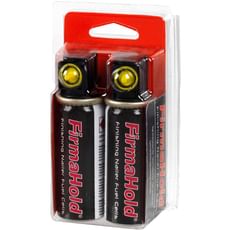
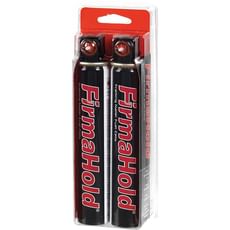
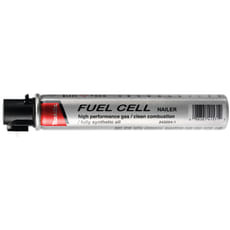
- Gas Cartridge Fuel Cells: Essential consumables for gas-powered nailers, available individually or in multipacks
- Spare Battery Packs: Keep work flowing with additional batteries for cordless models – particularly important on site without charging facilities
- Safety Glasses: Essential eye protection from flying debris and ricocheting fasteners – never operate a nail gun without them
- Hearing Protection: Repeated use of powerful nailers generates noise levels that warrant ear defenders or plugs
- Tool Belts and Holsters: Keep your nailer accessible whilst working at height or moving between fixing points
- Maintenance Kits: Lubricating oil and cleaning tools to keep pneumatic and gas nailers functioning reliably
- Carry Cases: Protect your investment during transport with purpose-designed cases, often accommodating fasteners and accessories
- No-Mar Tips: Rubber nose attachments that prevent surface damage when working with pre-finished materials
Safety Information
Nail guns rank among the most potentially dangerous power tools on any site, capable of causing severe injuries if misused. Never point a nailer at yourself or others, even when you believe it's unloaded. The HSE reports numerous incidents annually involving nail guns, many resulting from overriding safety mechanisms or accidental discharge.
Always wear safety glasses or a full face shield – ricocheting nails or flying debris can cause permanent eye damage. When working overhead, additional precautions including hard hats become essential. Disconnect the power source (remove battery, unplug from mains, or disconnect air hose) before clearing jams, adjusting settings or performing maintenance.
Familiarise yourself thoroughly with the specific safety features of your model. Understand the difference between sequential and bump firing modes, and select the appropriate mode for your task and experience level. Never defeat or override the nose contact safety mechanism – it exists to prevent accidental firing.
Keep your free hand well clear of the firing zone. Nails can deflect unpredictably when encountering knots, grain variations or hidden fixings. Check the work area for concealed pipes, cables or previous fasteners before firing. Be particularly cautious when working near edges or thin materials where nails might pass through completely.
Maintain your equipment properly. Worn or damaged nose contacts, faulty trigger mechanisms or jammed drivers all increase accident risk. Store nailers securely when not in use, away from children and unauthorised users, preferably with power sources disconnected.
Frequently Asked Questions
What's the difference between a brad nailer and a finishing nailer?
Brad nailers fire 18-gauge headless or near-headless nails that leave minimal marks, perfect for delicate trim work, beading and thin materials that might split with heavier fixings. Finishing nailers use thicker 15 or 16-gauge nails with small heads, providing stronger holding power for skirting boards, door casings and heavier trim work. Finishing nails leave slightly more visible holes that typically require filling, whilst brads often disappear once set below the surface.
Can I use any brand of nails in my nail gun?
Whilst many fasteners appear interchangeable, you should use nails specifically designed for your nailer's brand and model where possible. Different manufacturers use varying collation angles, head styles and adhesive or welding methods to join nail strips. Using incorrect fasteners can cause jamming, misfires or damage to the driver mechanism. Check your tool's manual for recommended fastener specifications including gauge, length range and collation angle.
Which is better for site work – battery or gas powered nail guns?
Both offer cordless convenience, but with different characteristics. Battery-powered models from Makita, Milwaukee and DeWalt provide consistent power throughout the charge, quieter operation, and no ongoing consumable costs beyond electricity. Gas-powered nailers deliver slightly more driving force for dense hardwoods and can feel lighter without a battery pack, but require regular gas cartridge purchases. Battery technology has advanced significantly, with modern lithium-ion packs offering ample runtime for most applications, making cordless electric nailers increasingly popular among tradespeople.
Do I need a compressor for all nail guns?
No – the nail guns in this category are cordless battery-powered, 240v electric or gas-powered models that don't require an air compressor. These offer greater portability and quicker setup than pneumatic alternatives. However, if you're interested in air-powered pneumatic nailers (which do require a compressor), these are found in the separate Air Nail & Staple Guns section at Tooled-Up.com. Pneumatic nailers remain popular in workshop environments where a compressor already exists for other tools, offering unlimited runtime and typically lower initial tool costs.
How many nails can I fire on a single battery charge?
This varies considerably depending on the battery capacity (measured in amp-hours), the nail length, timber density and specific model efficiency. As a general guide, expect 400-700 nails per charge for finishing nailers with a 4.0Ah battery, and 200-400 nails for more demanding framing nailers. Higher capacity 5.0Ah or 6.0Ah batteries extend this significantly. Dense hardwoods drain batteries faster than softwoods. Professional tradespeople typically keep spare batteries charged and ready, ensuring uninterrupted workflow throughout the day.