

Power Garden Saws
Pay in 3 interest-free payments on purchases from £30-2000 with  . Learn more.
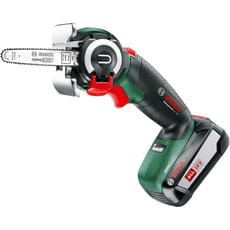
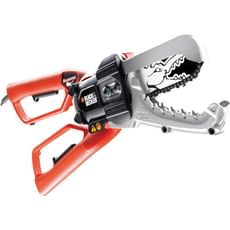
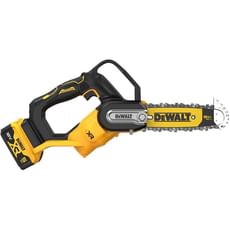
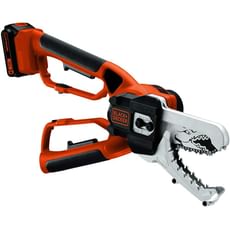

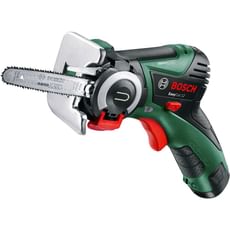
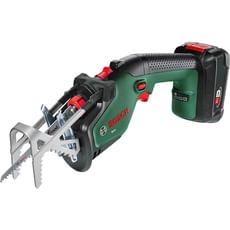

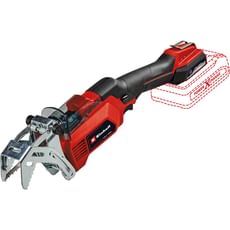
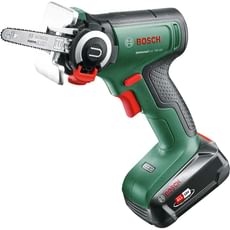
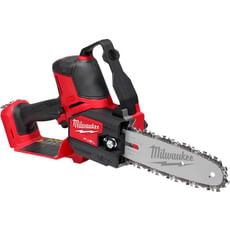
Milwaukee M18 FHS20 Fuel 18v Cordless Brushless Hatchet Pruning Saw 200mm
in stock
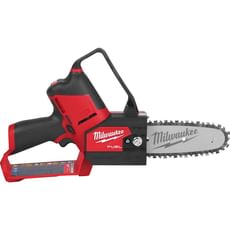
Milwaukee M12 FHS Fuel 12v Cordless Brushless Hatchet Pruning Saw 150mm
available
 Loading...
End of content
Error - No more pages to load
About Power Garden Saws
Power garden saws are specialised cutting tools designed to make light work of pruning, trimming and cutting tasks around the garden. Unlike traditional hand saws or full-sized chainsaws, these compact power tools strike an ideal balance between cutting performance and manoeuvrability, making them perfect for maintaining trees, shrubs, and processing garden waste. The selection at Tooled-Up.com includes cordless battery-powered models for unrestricted movement around the garden, as well as 240v corded options that deliver consistent power for more demanding applications.
Modern power garden saws come in several distinct formats, each suited to different tasks. Reciprocating pruning saws feature a back-and-forth blade action similar to a standard reciprocating saw but with blades optimised for wood cutting. Mini chainsaws and pruning chainsaws offer the aggressive cutting action of traditional chainsaws in a more compact, manageable format, whilst innovative designs like alligator loppers enclose the cutting mechanism between two protective guards for enhanced safety. Nanoblade technology, pioneered by manufacturers like Bosch, provides a middle ground with micro-chain cutting that's safer than conventional chainsaws yet highly effective on branches up to 65mm diameter.
The range spans voltage platforms from compact 10.8v/12v models perfect for light pruning and detail work, through to powerful 18v and 24v systems capable of cutting branches up to 200mm thick. Leading brands including Makita, Milwaukee, DeWalt, Bosch and Black & Decker offer models to suit every requirement, from occasional domestic use through to professional landscaping applications. Many feature brushless motors for improved efficiency and runtime, tool-free chain tensioning systems, and ergonomic designs that reduce fatigue during extended use.
Jargon Buster
- Nanoblade Technology: A cutting system using a micro-chain running on a small guide plate, offering safer operation than traditional chainsaws whilst maintaining excellent cutting performance on wood up to 65mm diameter.
- Bar Length: The measurement of the cutting blade or guide bar, typically ranging from 100mm to 200mm on garden pruning saws. Longer bars cut thicker branches but add weight and reduce manoeuvrability.
- Brushless Motor: An efficient motor design without carbon brushes, delivering more power, longer runtime per battery charge, extended tool life and reduced maintenance requirements compared to traditional brushed motors.
- Reciprocating Action: A back-and-forth blade movement similar to a hand saw, providing controlled cutting ideal for precision pruning work and accessible positions where chainsaws would be unwieldy.
- Chain Speed: Measured in metres per second (m/s), this indicates how quickly the chain moves around the guide bar. Higher chain speeds generally result in faster, cleaner cuts through wood.
- Kickback: A dangerous reaction where the saw suddenly jerks backwards or upwards, typically occurring when the tip of the bar contacts an object or when the wood pinches the blade. Safety features like chain brakes and guard designs help prevent kickback injuries.
Who Uses Power Garden Saws?
- Professional Landscapers maintaining gardens, parks and commercial grounds
- Tree Surgeons and Arborists requiring lightweight tools for working at height
- Groundskeepers responsible for estate and facilities maintenance
- Gardeners and Horticulturalists managing ornamental and productive gardens
- Estate Managers overseeing land and woodland management
- Farmers and Smallholders maintaining hedgerows, orchards and field boundaries
- Property Maintenance Contractors offering comprehensive grounds care services
- DIY Enthusiasts and Homeowners with mature gardens requiring regular pruning
- Allotment Holders managing fruit trees and established plantings
- Caravan and Campsite Operators maintaining wooded areas and site boundaries
How to Choose the Right Power Garden Saws
Power Source: Cordless models offer unrestricted movement around the garden and are ideal for properties without convenient outdoor power points. Battery platforms from 12v to 24v provide options from light pruning to serious cutting tasks. Corded 240v saws deliver unlimited runtime and consistent power for larger projects, though you'll need access to mains electricity or a generator.
Cutting Capacity: Consider the thickest branches you'll regularly encounter. Compact 100-150mm bar lengths suit routine pruning and maintenance, whilst 200mm models available from Tooled-Up handle more substantial branches and small tree trunks. Match the tool's capacity to your typical requirements rather than buying excessive capability you won't use.
Saw Type: Reciprocating pruning saws excel at controlled, precise cuts and working in tight spaces. Mini chainsaws provide traditional chainsaw performance in a compact package for general garden work. Alligator-style loppers offer the safest option with enclosed cutting mechanisms, perfect for users concerned about kickback risks. Nanoblade saws represent innovative middle ground with enhanced safety features.
Weight and Ergonomics: If you'll be working overhead or for extended periods, prioritise lighter models with balanced designs and comfortable grips. Compact 12v tools weigh significantly less than 18v equivalents but sacrifice some cutting power. Consider anti-vibration features and soft-grip handles for reduced fatigue.
Battery Compatibility: If you already own cordless tools, choosing a power garden saw from the same battery platform (Makita LXT, DeWalt XR, Milwaukee M18, etc.) provides excellent value by sharing existing batteries and chargers. This consideration alone can make a significant difference to overall investment costs.
Safety Features: Look for chain brakes, two-handed operation switches, blade guards, and anti-kickback designs. Transparent blade guards allow you to see the cutting line whilst providing protection. Tool-free chain tensioning makes maintenance safer and more convenient.
Popular Accessories
- Replacement Chains and Bars: Essential consumables that wear with use and require periodic replacement to maintain cutting performance
- Chain Oil: Specialised lubricant that reduces friction, prevents overheating and extends chain life during operation
- Safety Goggles and Face Shields: Critical eye and face protection against flying wood chips, sawdust and debris
- Protective Gloves: Cut-resistant gloves designed for chainsaw and power tool use, providing grip and protection
- Hearing Protection: Ear defenders or plugs to protect against prolonged exposure to tool noise
- Extension Poles: Convert some pruning saws into pole saws for reaching higher branches from ground level
- Spare Batteries and Chargers: Additional power packs ensure uninterrupted work on larger projects
- Carry Cases and Storage Bags: Protect your investment and keep accessories organised
- Sharpening Kits: Maintain chain sharpness between replacements for optimal cutting performance
- Outdoor Extension Leads: Heavy-duty weatherproof cables for 240v corded models
Safety Information
Power garden saws demand respect and proper safety precautions to prevent serious injury. Always wear appropriate personal protective equipment including safety goggles or a face shield to protect against flying debris, which represents the most common hazard. Cut-resistant gloves provide essential hand protection, whilst hearing protection should be worn during extended use.
Before starting work, inspect the saw chain for damage, ensure proper tension, and verify all guards are securely fitted. Never operate a power garden saw whilst up a ladder—use proper tree surgery equipment or extension poles for working at height. Maintain a firm two-handed grip at all times and position yourself with secure footing and clear escape routes should a branch fall unexpectedly.
Be constantly aware of kickback risks, which occur when the tip of the bar contacts an object or when wood pinches the chain. Never cut above shoulder height with a handheld saw, and avoid cutting with the tip of the bar. Ensure bystanders, children and pets remain at a safe distance—at least five metres from your working area. Follow HSE guidelines for professional use and always refer to the manufacturer's instructions for specific safety features and operating procedures.
For 240v corded models, use an RCD (residual current device) adapter to protect against electric shock, and inspect cables regularly for damage. Keep electrical connections away from water and wet conditions. Store power garden saws securely with chains covered or removed, out of reach of children, and never leave a battery-powered tool with the battery fitted when not in use.
Frequently Asked Questions
What's the difference between a power garden saw and a regular chainsaw?
Power garden saws are specifically designed for horticultural applications with lighter weight, shorter bars (typically 100-200mm), and enhanced safety features compared to traditional chainsaws. They prioritise manoeuvrability for pruning tasks and working around established plants, whereas standard chainsaws are optimised for felling trees and processing timber. Many garden saw designs like alligator loppers and nanoblade systems incorporate enclosed cutting mechanisms that significantly reduce kickback risks, making them safer for occasional users and overhead work.
Can I use a power garden saw for cutting firewood?
Whilst power garden saws can process branches and smaller logs into firewood-sized pieces, they're not designed for heavy-duty log cutting or processing large volumes of timber. The compact bar lengths limit the diameter of wood you can cut in a single pass, and the lighter construction isn't built for sustained heavy workloads. For serious firewood preparation, a full-sized chainsaw remains more appropriate, but garden saws work perfectly well for breaking down prunings and smaller branches for the wood burner or fire pit.
How long will a cordless power garden saw run on a single battery charge?
Runtime varies considerably depending on battery capacity (measured in amp-hours, Ah), the thickness and hardness of material being cut, and whether the tool features a brushless motor. As a general guide, a 4.0Ah battery might provide 30-60 minutes of intermittent cutting through typical garden pruning tasks. Higher capacity 5.0Ah or 6.0Ah batteries extend this significantly. For larger projects, investing in spare batteries ensures uninterrupted work, or consider a 240v corded model for unlimited runtime.
Do I need any qualifications to use a power garden saw professionally?
For professional use in the UK, specific training and certification requirements depend on the work context. Tree surgeons and arborists typically require CS38 (chainsaw maintenance and cross-cutting) and CS39 (chainsaw use from a rope and harness) certifications from NPTC or Lantra. Landscapers and groundskeepers should complete appropriate tool-specific training, and employers must ensure workers are competent under HSE regulations. For domestic homeowner use, no formal qualifications are required, though familiarising yourself thoroughly with the manufacturer's safety instructions is essential.
How do I maintain my power garden saw?
Regular maintenance ensures safe operation and extends tool life. After each use, remove sawdust and debris from the motor housing and chain area using a brush or compressed air. Check chain tension regularly—it should pull away slightly from the bar but not lift the drive links clear. Lubricate the chain before and during use with proper chain oil, never standard engine oil. Inspect the chain for damaged or dull teeth and sharpen or replace as needed. For 240v models, check cables for damage. Store the saw cleaned and dry, ideally with the chain removed or covered, and follow manufacturer guidelines for periodic servicing intervals.