

Pressure Washers

Pay in 3 interest-free payments on purchases from £20-£3000 with  . Learn more.
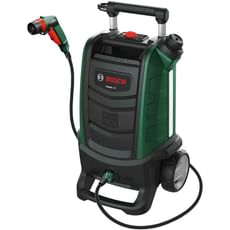
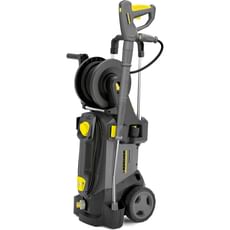
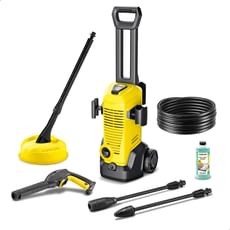
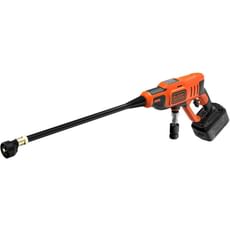
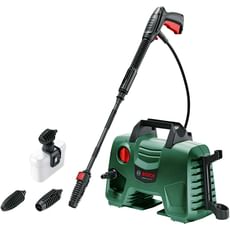
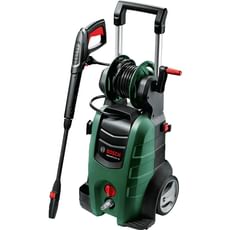
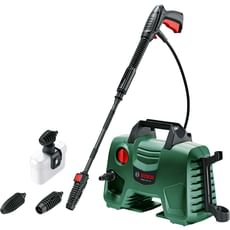
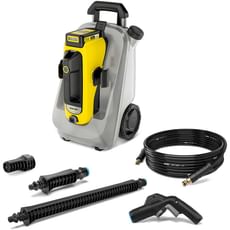
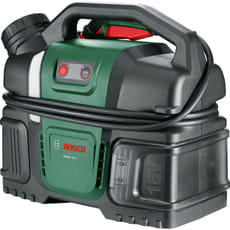
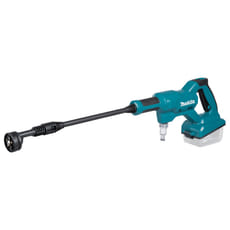
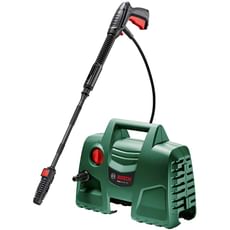
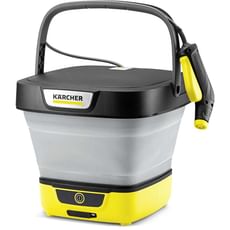
Bosch FONTUS 18V-6 P4A 18v Cordless Pressure Washer and Bicycle Cleaner
in stock
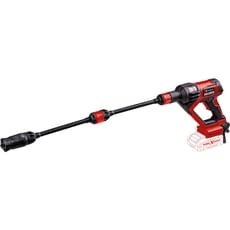
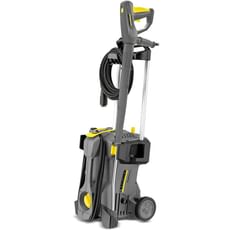
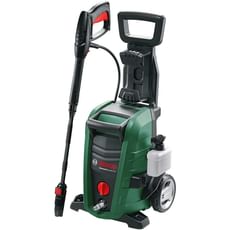
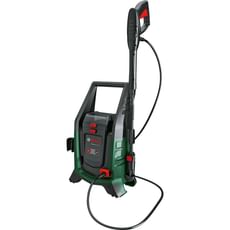
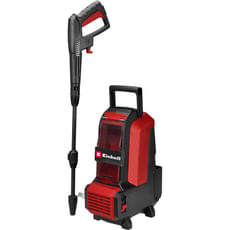
Einhell HYPRESSO 36/105 36v Cordless Brushless Pressure Washer 105 Bar
in stock
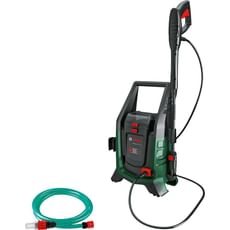
Bosch UNIVERSALAQUATAK 36V-100 36v Cordless Pressure Washer and Priming Kit
in stock
 Loading...
End of content
Error - No more pages to load
About Pressure Washers
Pressure washers are essential cleaning tools that use high-pressure water jets to remove dirt, grime, moss, algae, and stubborn stains from a wide variety of surfaces. From cleaning patios and driveways to washing vehicles, machinery, and building facades, these versatile machines deliver powerful cleaning performance that simply cannot be matched by traditional methods. Whether you're a professional tradesperson tackling commercial cleaning contracts or a homeowner maintaining your property, the right pressure washer can save considerable time and effort whilst achieving superior results.
The selection at Tooled-Up.com encompasses everything from compact domestic models suitable for occasional use around the home, to heavy-duty professional-grade machines designed for daily commercial applications. Available options include 240v mains-powered models from trusted brands like Kärcher Pro, Bosch Professional, and Draper, alongside innovative cordless battery-powered units from Bosch, DeWalt, and Greenworks that offer exceptional portability. Pressure washers are rated by their bar pressure and flow rate, with entry-level domestic models starting at around 100 bar, whilst professional machines can deliver 160 bar or more for tackling the most demanding cleaning tasks.
Modern pressure washers come equipped with various nozzles and attachments to adjust spray patterns and intensity, making them suitable for delicate surfaces like vehicle paintwork through to robust applications such as removing years of ingrained dirt from brickwork. Many models feature detergent tanks for applying cleaning solutions, adjustable pressure settings for versatility, and quick-connect systems for changing accessories efficiently on the job.
Jargon Buster
- Bar/PSI: The unit of measurement for water pressure. Bar is the metric standard (1 bar = 14.5 PSI). Higher bar ratings indicate more powerful cleaning capability, with domestic models typically ranging from 100-140 bar and professional units reaching 160 bar or more.
- Flow Rate (L/h or L/min): The volume of water delivered per hour or minute. Higher flow rates mean more water coverage and faster cleaning. Professional models often deliver 400-600 litres per hour.
- Induction Motor vs Universal Motor: Induction motors are quieter, more durable, and better suited to extended use in professional applications. Universal motors are lighter and more compact, making them ideal for domestic pressure washers.
- Quick-Connect System: A standardised fitting that allows rapid attachment and removal of lances, hoses, and accessories without tools, improving efficiency on site.
- Detergent Tank/Injection: A built-in reservoir or suction system that allows cleaning chemicals to be mixed with the water jet for enhanced cleaning performance on greasy or heavily soiled surfaces.
- Total Stop System (TSS): An automatic shut-off feature that stops the motor when the trigger is released, reducing energy consumption, motor wear, and noise levels during breaks in operation.
Who Uses Pressure Washers?
- Landscapers and Groundskeepers: Cleaning patios, decking, pathways, garden furniture, and removing algae from outdoor surfaces
- Window Cleaners: Washing building facades, conservatories, and preparing surfaces before traditional window cleaning
- Vehicle Valeters and Detailers: Washing cars, vans, lorries, and agricultural machinery efficiently
- Facilities Maintenance Teams: Maintaining cleanliness of commercial premises, car parks, bin stores, and external areas
- Building and Construction Contractors: Removing cement residue, paint splashes, and site debris from tools, equipment, and surfaces
- Rental Property Managers: Maintaining exterior areas between tenancies and preparing properties for viewings
- Agricultural Workers: Cleaning farm equipment, livestock housing, and yard areas
- Homeowners and DIY Enthusiasts: General maintenance of drives, patios, vehicles, and outdoor spaces
- Boat Owners and Marina Operators: Removing salt deposits, algae, and marine growth from vessels and jetties
How to Choose the Right Pressure Washer
Power Source: Decide between 240v mains-powered models, which offer unlimited runtime and consistent power for extended cleaning sessions, or cordless battery-powered units that provide exceptional portability and freedom to work in remote locations without access to electricity. Cordless models from brands like Bosch and DeWalt are ideal for mobile work but typically offer lower pressure ratings than mains equivalents.
Pressure Rating and Flow Rate: For light domestic use such as cleaning garden furniture and small patios, 100-120 bar models are sufficient. Medium-duty applications like washing vehicles and moderate-sized driveways require 125-140 bar. Professional users tackling commercial cleaning, heavy-grime removal, or large surface areas should consider 140-160+ bar models with higher flow rates for maximum productivity.
Motor Type and Durability: Universal motors are lighter and more affordable, making them suitable for occasional domestic use. If you're using your pressure washer regularly or professionally, invest in an induction motor model which runs cooler, quieter, and significantly longer. Professional ranges from Kärcher Pro and Bosch Professional feature robust construction designed to withstand daily site work.
Accessories and Attachments: Consider what comes included and what you may need to purchase separately. Useful accessories include variable spray lances, rotating dirt blasters for stubborn stains, patio cleaners for even surface coverage, extension hoses for increased reach, and specialist brushes for vehicles. Models with quick-connect systems make switching between attachments faster and more convenient.
Portability and Storage: Evaluate the weight, wheel size, and handle design if you'll be moving the machine frequently. Compact models with onboard storage for accessories and integrated hose reels make transportation and storage more convenient. For truly portable applications, battery-powered options can even draw water from buckets or water containers.
Features and Controls: Look for Total Stop Systems (TSS) which automatically shut off the motor when not in use, adjustable pressure settings for versatility across different surfaces, detergent tanks for applying cleaning solutions, and quick-release connections. Brands available at Tooled-Up such as Bosch and Kärcher offer intuitive controls and user-friendly designs across their ranges.
Popular Accessories
- Patio and Deck Cleaners: Large circular attachments that provide even cleaning coverage whilst containing spray, ideal for large flat surfaces
- Extension Hoses: Additional high-pressure hoses to increase working radius without moving the machine
- Rotary/Turbo Nozzles: Create a rotating jet pattern for intensive cleaning of stubborn dirt and grime
- Variable Spray Lances: Adjustable nozzles offering multiple spray patterns from pencil jet to wide fan
- Foam Lance Attachments: For applying thick detergent foam to vehicles and surfaces before washing
- Vehicle Washing Brushes: Soft-bristled rotating brushes safe for vehicle paintwork
- Drain and Pipe Cleaners: Specialist nozzles for clearing blockages in gutters and drainage systems
- Detergent and Cleaning Solutions: Purpose-formulated chemicals for different applications including vehicle shampoo, patio cleaner, and degreasers
- Replacement Nozzles and O-Rings: Spare parts for maintenance and different spray patterns
- Inlet Filters: Protect the pump from debris and sediment in the water supply
Safety Information
Electrical Safety: When using 240v mains-powered pressure washers, always use a residual current device (RCD) to protect against electric shock, particularly when working outdoors. Ensure the machine is properly earthed via a standard 13A plug and never use with damaged cables or in wet conditions without appropriate electrical protection.
Pressure Hazards: Never direct the high-pressure jet at people, animals, electrical equipment, or yourself. The water jet can cause serious injury, particularly at close range. Always wear appropriate PPE including safety glasses or goggles and sturdy footwear. Keep hands and feet away from the cleaning area and maintain a safe working distance from the surface being cleaned.
Surface Damage Prevention: Test pressure settings on an inconspicuous area first, as excessive pressure can damage soft materials, strip paint, or force water into structures. Use lower pressure settings or wider spray patterns on delicate surfaces like vehicle paintwork, timber, and soft masonry.
Chemical Safety: When using detergents or cleaning chemicals, follow manufacturer instructions and COSHH regulations. Wear appropriate protective gloves and ensure adequate ventilation. Never use bleach or other corrosive chemicals not specifically designed for pressure washer use, as these can damage internal components and create hazardous spray mist.
Operating Precautions: Never run the pump dry or operate without water supply connected, as this will cause immediate damage. Ensure all connections are secure before starting. Be aware of your surroundings, particularly ladder stability, slippery surfaces created by water spray, and debris that may become projectiles under high pressure.
Frequently Asked Questions
What bar pressure do I need for cleaning my driveway and patio?
For most domestic driveways and patios, a pressure washer rated between 120-140 bar with a decent flow rate (350-400 L/h) will provide excellent results. This pressure range is sufficient to remove ingrained dirt, moss, and algae without risking damage to most paving materials. For particularly stubborn stains or commercial applications, consider 140-160 bar models available from professional ranges at Tooled-Up.com.
Can I use a pressure washer to clean my car?
Yes, but it's important to use appropriate pressure settings and nozzles. Most vehicles should be cleaned using a wide fan spray pattern at lower pressure (typically 100-120 bar maximum) to avoid damaging paintwork, trim, or forcing water into seals. Use a foam lance attachment to pre-soak the vehicle with detergent, and consider a specialist vehicle brush attachment for gentle but effective cleaning.
What's the difference between domestic and professional pressure washers?
Professional models feature more robust construction with metal pump housings, brass fittings, and induction motors designed for continuous daily use. They typically offer higher pressure ratings, greater flow rates, longer warranties, and superior component quality. Domestic models use lighter materials and universal motors suitable for occasional use. If you're using a pressure washer regularly or commercially, professional ranges from Kärcher Pro or Bosch Professional offer significantly better longevity and performance.
Do cordless pressure washers have enough power for serious cleaning?
Battery-powered pressure washers typically operate at lower pressures (around 20-100 bar) compared to mains models, making them ideal for light-duty applications like cleaning garden furniture, bicycles, small patios, and vehicles. Their main advantage is exceptional portability and the ability to draw water from any source including buckets and water tanks. For heavy-duty cleaning tasks, a 240v mains-powered model will deliver superior performance and unlimited runtime.
How do I prevent damage when pressure washing?
Always start with the lowest pressure setting or widest spray pattern and test on an inconspicuous area first. Maintain a consistent distance from the surface (typically 30-40cm for most applications) and use sweeping motions rather than concentrating the jet in one spot. Avoid pressure washing soft woods, delicate render, painted surfaces at close range, or directing the jet upwards under roof tiles where it might force water into the structure. When in doubt, use lower pressure with more dwell time.