

Punches
Pay in 3 interest-free payments on purchases from £30-2000 with  . Learn more.
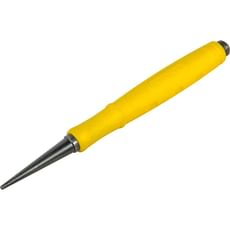
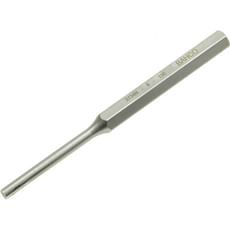
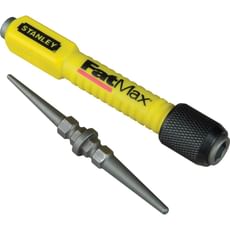
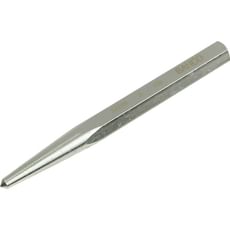
 Loading...
End of content
Error - No more pages to load
About Punches
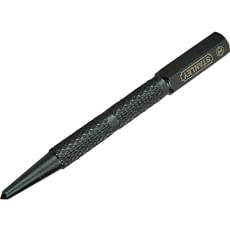
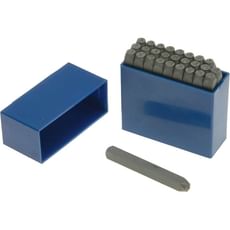
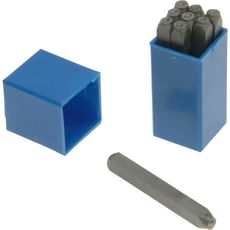
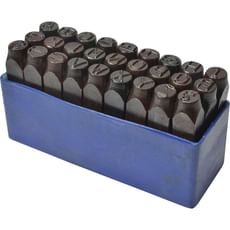
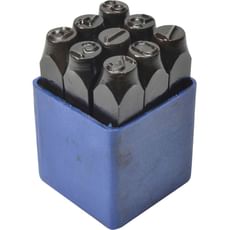
Punches are essential precision hand tools used across countless trades and industries for marking, aligning, driving and creating holes in a wide variety of materials. From metalworking and engineering to carpentry and leatherwork, punches provide the controlled force needed to displace material without the risk of splitting, cracking or damaging the workpiece. The range available at Tooled-Up.com encompasses specialist designs for different applications, including centre punches for marking drilling positions, pin punches for removing fasteners, nail punches for countersinking fixings, and letter and number punches for permanent identification marking.
Quality punches are manufactured from hardened and tempered tool steel, ensuring they can withstand repeated hammer strikes whilst maintaining their tip geometry and structural integrity. Professional-grade punches feature precisely ground tips, knurled grips for control, and heat-treated striking surfaces that resist mushrooming and spalling. Whether you're working in fabrication, automotive repair, joinery or general maintenance, having the correct punch type and size prevents damage to both the workpiece and surrounding components.
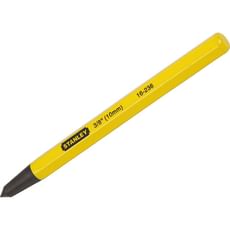
The variety of punch designs reflects the diverse applications they serve. Parallel punches maintain consistent diameter throughout their length for driving out pins and bearings, whilst taper punches feature a gradual taper ideal for initial pin removal. Belt and wad punches create clean circular holes in softer materials like leather, rubber and gasket material, whilst centre punches create precise starting dimples that prevent drill bits from wandering. Understanding which punch type suits your specific task ensures cleaner results, reduced material waste and improved working efficiency.
Jargon Buster
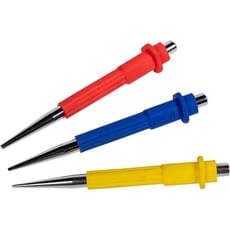
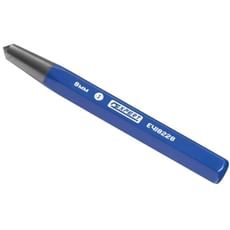
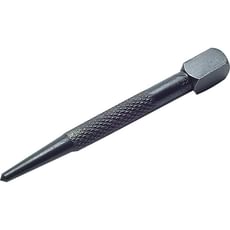
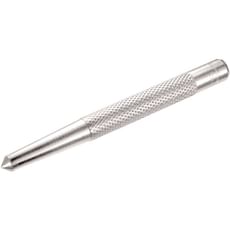
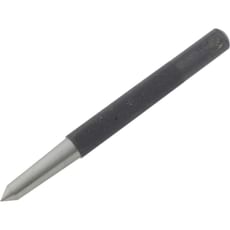
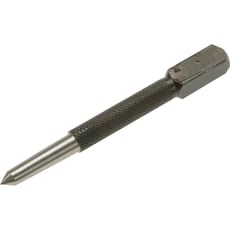
- Centre Punch: A punch with a conical tip typically ground to 90 degrees, used to create a small indentation in metal that provides a starting point for drilling, preventing drill bit wander and ensuring accurate hole positioning.
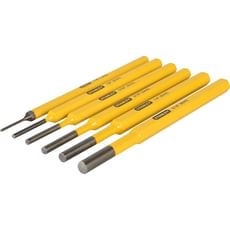
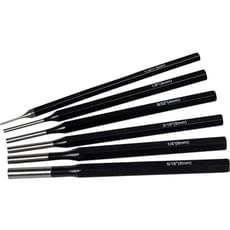
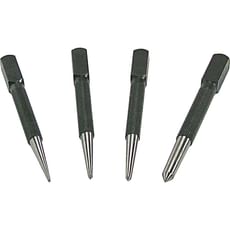
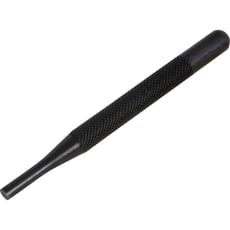
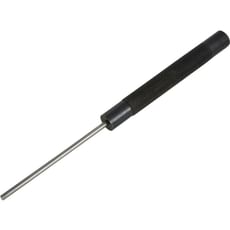
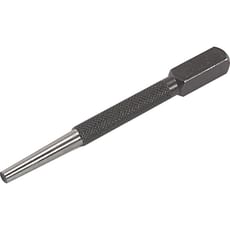
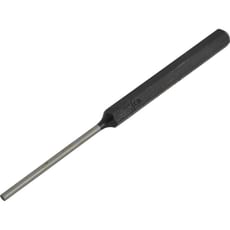
- Pin Punch: A parallel-sided punch with a straight shaft of constant diameter, designed for driving pins, dowels and roll pins completely through their housings without the tip binding or becoming stuck.
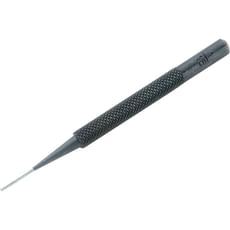
- Taper Punch: A punch featuring a gradual taper from tip to shaft, ideal for initial loosening and alignment of pins and fasteners before final removal with a parallel pin punch.
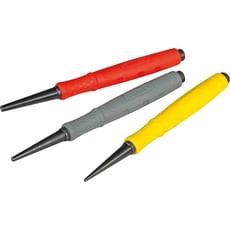
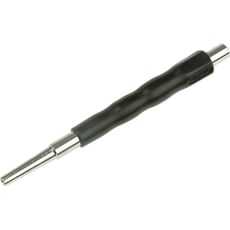
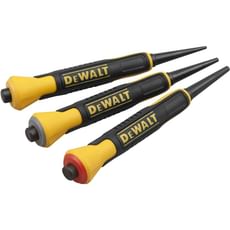
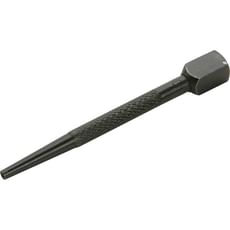
- Nail Punch (Nail Set): A slender punch with a small, slightly cupped tip designed to drive nail heads below the timber surface without damaging surrounding wood, allowing for filling and finishing.
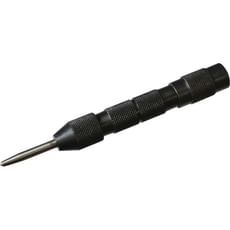
- Automatic Centre Punch: A spring-loaded punch that delivers a controlled striking force when pressed against the workpiece, eliminating the need for a hammer and providing consistent marking depth.
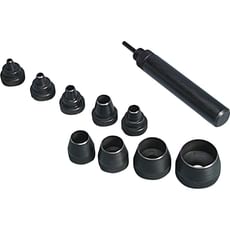
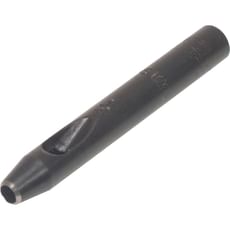
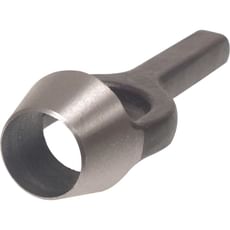
- Wad Punch: A hollow cylindrical punch used to cut clean circular holes through softer materials including leather, rubber, plastic sheeting, gaskets and paper, available in various diameter sizes.
Who Uses Punches?
- Engineers and Machinists: For precision marking, pin removal and alignment work in fabrication and machine maintenance
- Motor Mechanics and Vehicle Technicians: For removing bearings, bushings, suspension pins and marking drilling positions during automotive repair
- Metalworkers and Fabricators: For marking cut lines, drilling positions and general metalworking applications
- Carpenters and Joiners: For countersinking nail heads and marking accurate drilling positions in timber
- Maintenance Engineers: For general workshop tasks including pin removal, alignment and equipment repair
- Leatherworkers and Upholsterers: For creating clean holes in leather, fabric and other soft materials using wad punches
- Sheet Metal Workers: For marking and creating pilot holes in metal sheeting and ductwork
- DIY Enthusiasts: For home workshop projects requiring precise marking, fixing countersinking and general assembly work
- Agricultural and Plant Mechanics: For heavy machinery maintenance including pin and bearing removal
How to Choose the Right Punches
Identify Your Primary Application: Different punch types serve distinct purposes. Centre punches are essential for marking drilling positions, pin punches for fastener removal, nail punches for finishing carpentry, and wad punches for creating holes in soft materials. Match the punch type to your most frequent tasks, or build a comprehensive set covering multiple applications.
Material Quality and Construction: Professional punches from brands like Stanley, Bahco and Draper feature hardened and tempered carbon steel construction that resists tip damage and maintains accuracy over thousands of strikes. Check for properly heat-treated striking heads that won't mushroom, and precisely ground tips that maintain their geometry.
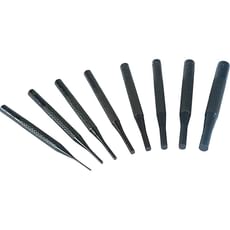
Size Range and Diameter: Pin and taper punches are available in various diameters to match common pin and dowel sizes. For metalworking applications, sets typically range from 2mm to 12mm. Wad punches for leatherwork commonly span 3mm to 25mm or larger. Consider your typical workpiece requirements when selecting sizes.
Handle Design and Grip: Knurled or textured grips prevent the punch rotating during use, whilst appropriate shaft length provides clearance in recessed applications. Longer punches offer better reach into deep housings, whilst shorter designs provide better control for delicate marking work.
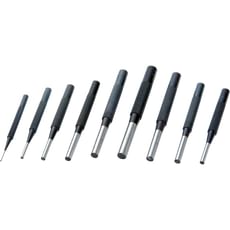
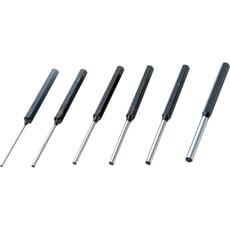
Set versus Individual Purchase: Tooled-Up stocks both comprehensive punch sets and individual pieces. Sets offer better value for equipping workshops or tool kits, providing multiple sizes in protective storage cases. Individual punches suit replacing worn tools or adding specialist sizes to existing collections.
Automatic or Traditional: Automatic centre punches provide consistent marking without requiring a hammer, ideal for frequent repetitive marking or working in confined spaces. Traditional punches offer more control over strike force and are preferred for heavy-duty applications or varied material thicknesses.
Popular Accessories
- Engineers' Hammers: Ball pein and cross pein hammers designed for striking punches without damaging tools
- Cutting Mats: Self-healing mats provide a suitable backing surface when using wad punches on leather and soft materials
- Centre Drill Bits: Complementary to centre punches, these create precise starting points for larger drilling operations
- Pin Punch Holders: Magnetic holders for safely storing and organising pin punch sets
- Scribes and Marking Tools: For layout work alongside punch marking operations
- Safety Glasses: Essential eye protection when striking punches to guard against metal fragments
- Soft-Face Mallets: For use with automatic punches or delicate marking applications
- Engineer's Vice: Securely holds workpieces during punching operations
- Penetrating Oil: Helps loosen seized pins before removal with taper and pin punches
Safety Information
Personal Protective Equipment: Always wear safety glasses or goggles when using punches, as hammer strikes can generate metal fragments and chips that pose serious eye injury risks. Gloves may reduce grip control and aren't generally recommended except when handling workpieces with sharp edges.
Tool Condition: Regularly inspect punches for mushroomed striking heads, which should be ground smooth to prevent dangerous metal fragments breaking free during use. Damaged or cracked punch bodies should be withdrawn from service immediately, as they may shatter under impact. Check tips remain properly ground and free from chips or deformation.
Proper Striking Technique: Use appropriate hammers for punch work—ball pein or engineers' hammers rather than claw hammers designed for nails. Strike squarely on the punch head to prevent glancing blows that can cause the punch to slip or bend. Ensure workpieces are securely held or supported to prevent movement during striking.
Workshop Environment: Maintain clear working areas free from slip and trip hazards, as punch work often requires controlled hammer strikes where balance is essential. Adequate lighting ensures accurate punch positioning and reduces the risk of striking errors. Follow HSE guidance for hand tool use in professional environments.
Frequently Asked Questions
What's the difference between a taper punch and a pin punch?
Taper punches feature a gradual taper from tip to shaft, making them ideal for initially loosening pins and fasteners without the risk of binding. Once the pin is partially removed, a pin punch with parallel sides is used to drive it completely out without getting stuck in the hole. Using both types in sequence prevents damage and makes pin removal significantly easier, particularly with tight-fitting or corroded fasteners.
How do I prevent nail punches from slipping off nail heads?
Quality nail punches feature a slightly cupped or concave tip that centres on the nail head and prevents slipping. Ensure you're using the correct size punch for your nail diameter—too large and it may mark surrounding timber, too small and it won't sit securely on the head. Hold the punch perpendicular to the work surface and use controlled strikes rather than heavy blows, which are more likely to cause slippage.
Can I use the same centre punch for both metal and woodwork?
Whilst technically possible, dedicated punches for each material deliver better results. Metal centre punches typically feature a 90-degree point angle for creating defined dimples in hard materials, whilst woodworking applications often benefit from sharper angles that penetrate timber fibres more cleanly. For serious work in both materials, maintaining separate punches prevents cross-contamination of metal particles into timber and preserves optimal tip geometry for each application.
Why do punch heads mushroom and how do I fix them?
Repeated hammer strikes gradually displace metal at the striking surface, creating a mushroomed appearance. This occurs faster with softer punches or when using excessively hard hammers. Mushroomed heads are dangerous as metal fragments can break free during use. Carefully grind or file the head flat, maintaining the original diameter, and chamfer the edge slightly. Investing in quality hardened punches from the Tooled-Up range significantly reduces mushrooming and extends tool life.
What size wad punch set do I need for leatherwork?
Most leatherworkers find sets ranging from 3mm to 15mm cover common applications including belt holes, strap fixing points and decorative details. Larger diameters up to 25mm suit bag-making and upholstery work. Consider the typical leather thickness you work with—heavier gauge leather requires more robust punches with reinforced cutting edges. Sets provide better value than individual purchases and ensure you have the right size for varied projects without keeping excessive stock.