

Recipro Saws

Pay in 3 interest-free payments on purchases from £20-£3000 with  . Learn more.
 Loading...
End of content
Error - No more pages to load
About Recipro Saws
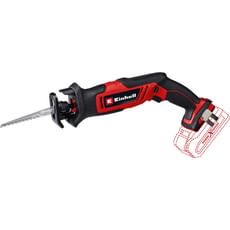
Reciprocating saws, commonly known as recipro saws or recip saws, are versatile power tools characterised by their aggressive push-and-pull cutting action. This reciprocating blade motion allows them to power through timber, metal, plastic, plasterboard and various construction materials with remarkable speed and efficiency. Whilst they're primarily associated with demolition work and site clearance, recipro saws are equally valuable for renovation tasks, emergency rescue operations, and even garden maintenance such as pruning thick branches and cutting back overgrown vegetation.
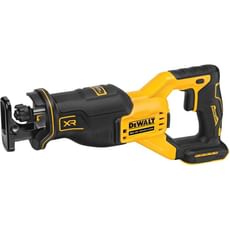
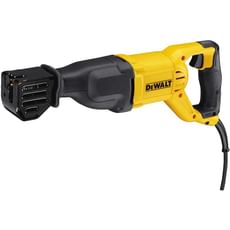
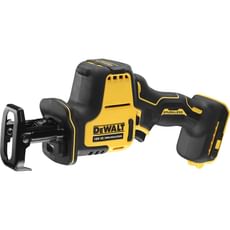
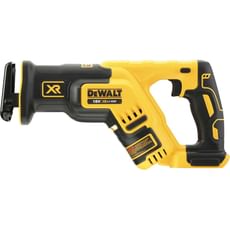
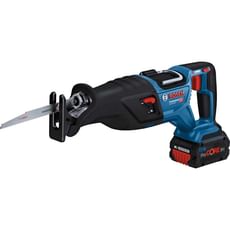
The selection at Tooled-Up.com includes traditional reciprocating saws alongside specialist variations that fulfil similar cutting roles. You'll find corded 240v models offering unlimited runtime for intensive demolition projects, as well as cordless 18v and 12v variants that provide excellent portability for site work and outdoor applications. Leading manufacturers such as Makita, DeWalt, Bosch Professional and Festool offer models ranging from compact pocket recipro saws for confined spaces through to heavy-duty professional machines designed for all-day use on demanding construction sites.
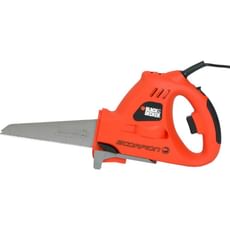
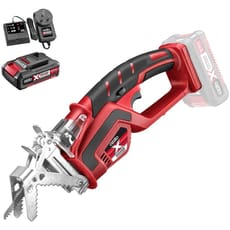
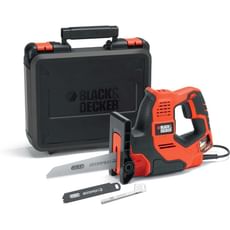
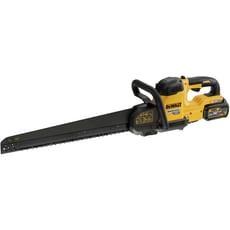
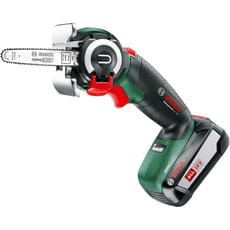
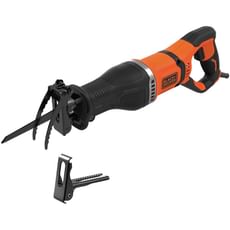
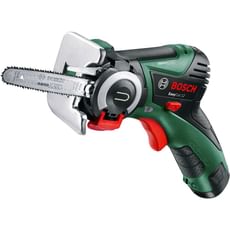
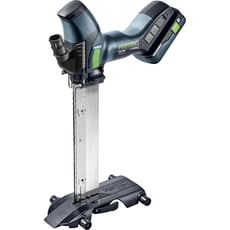
Beyond standard reciprocating saws, this category also encompasses Black & Decker's innovative Scorpion saws with adjustable shoe designs, Bosch's Nanoblade miniature chainsaw technology, and alligator saws with specialised elongated blades for cutting through deep sections of insulation and aerated concrete. Whether you're a professional tradesperson requiring a robust demolition tool or a DIY enthusiast tackling home improvement projects, there's a recipro saw suited to your specific cutting requirements.
Jargon Buster
- Stroke Length: The distance the blade travels during each cutting cycle, typically measured in millimetres. Longer stroke lengths (28-32mm) remove material faster and suit demolition work, whilst shorter strokes provide greater control for precision cuts.
- Strokes Per Minute (SPM): The speed at which the blade reciprocates, usually ranging from 0-3,000 SPM. Variable speed control allows you to match cutting speed to the material – slower for metals, faster for timber.
- Tool-Free Blade Change: A quick-release mechanism allowing blade replacement without additional tools, saving valuable time when switching between materials or replacing worn blades.
- Orbital Action: An additional elliptical blade movement that increases cutting aggression and speed, particularly effective in timber but generally disabled when cutting metal to prevent premature blade wear.
- Pivoting/Adjustable Shoe: The metal plate that rests against the workpiece can be adjusted or rotated to various positions, maximising blade life and providing stable support at different cutting angles.
- Brushless Motor: Modern motor technology that eliminates carbon brushes, delivering increased runtime, longer tool life, reduced maintenance requirements and improved power efficiency in cordless models.
Who Uses Recipro Saws?
- Demolition Contractors: For rapid dismantling of structures, cutting through studwork, removing window frames and breaking down mixed materials
- Carpenters and Joiners: Site carpentry tasks including cutting joists, trimming timber in situ and removing old woodwork during renovation projects
- Plumbers: Cutting copper and plastic pipework, removing sections of flooring to access pipework and modifying existing installations
- Electricians: Creating cable runs through timber studwork, cutting trunking and removing sections of material to install electrical infrastructure
- Roofers: Cutting roof timbers, removing fascias and soffits, and trimming materials during roof repairs and installations
- Landscapers and Tree Surgeons: Pruning trees and shrubs, cutting thick branches and clearing overgrown vegetation
- Emergency Services: Rescue operations requiring rapid cutting through vehicle bodywork, building materials and other obstacles
- General Builders: All-round cutting tasks on construction sites, renovation work and general building maintenance
- DIY Enthusiasts: Home improvement projects, garden maintenance and various cutting applications around the property
How to Choose the Right Recipro Saw
Power Source: Decide between corded 240v models offering unlimited runtime for workshop-based or intensive demolition work, versus cordless variants providing excellent mobility for site work and locations without mains power. Consider whether you already have batteries from a particular manufacturer's platform, as investing in bare units can offer significant savings.
Motor Power and Performance: Corded models typically range from 700W to 1,300W, with higher wattage providing more cutting power for demanding applications. For cordless recipro saws, consider voltage (12v for compact jobs, 18v for professional applications) and whether brushless motor technology is important for extended runtime and durability.
Stroke Length and Speed: Professional models generally feature stroke lengths between 28-32mm and speeds up to 3,000 SPM. Longer strokes and higher speeds suit aggressive demolition work, whilst variable speed control is essential for cutting different materials effectively. Look for orbital action if you'll frequently cut timber.
Ergonomics and Handling: Consider the tool's weight, balance and grip design, particularly if you'll be using it overhead or for extended periods. Anti-vibration features significantly reduce user fatigue during prolonged use. Some models offered at Tooled-Up include both D-handle and barrel-grip designs to suit different working positions.
Blade Changing System: Tool-free blade change mechanisms save considerable time and frustration when switching blades frequently. Check the blade fitting system is compatible with standard reciprocating saw blades, noting that some specialist saws like Scorpion and Nanoblade models use proprietary blades.
Additional Features: LED work lights illuminate cutting lines in poorly lit conditions, adjustable shoes extend blade life and improve stability, and intelligent electronics protect the motor from overload. Electronic speed control maintains consistent cutting speed under load, particularly valuable in professional applications.
Popular Accessories
- Reciprocating Saw Blades: Essential consumables available in various lengths and tooth configurations for wood, metal, plastics, masonry and bi-metal applications
- Blade Sets: Multi-material blade assortments providing versatility for different cutting tasks without purchasing individual blades
- Replacement Batteries and Chargers: Additional battery packs for extended cordless operation and rapid chargers to minimise downtime
- Carrying Cases: Protective storage solutions including branded plastic cases and TSTAK/PACKOUT modular systems
- Safety Goggles and Face Shields: Essential eye protection against flying debris and dust generated during cutting operations
- Hearing Protection: Ear defenders or plugs to protect against prolonged exposure to tool noise
- Work Gloves: Anti-vibration gloves reduce hand fatigue and provide protection when handling materials
- Dust Extraction Accessories: Vacuum adaptors where available to minimise airborne dust in confined spaces
Safety Information
Reciprocating saws are powerful cutting tools capable of causing serious injury if operated incorrectly. Always wear appropriate personal protective equipment including safety goggles or face shields to protect against flying debris, hearing protection to guard against prolonged noise exposure, and suitable work gloves. Respiratory protection is essential when cutting materials that generate harmful dust, particularly when working with treated timber, masonry or fibrous materials.
Before commencing work, ensure the workpiece is securely clamped or supported to prevent movement during cutting. Always check for hidden services including electrical cables, gas pipes and water supply lines before cutting into walls, floors or other structures – use a cable detector to identify potential hazards. Maintain a firm two-handed grip on the tool and position yourself to avoid the blade's path should kickback occur.
Allow the blade to reach full speed before contacting the workpiece and avoid forcing the tool – let the blade do the work. Never attempt to slow or stop the blade by hand after releasing the trigger. Disconnect corded tools from the mains supply or remove batteries from cordless models before changing blades or performing any maintenance. Follow HSE guidance on vibration exposure limits if using reciprocating saws extensively, and take regular breaks to reduce hand-arm vibration syndrome risks.
Ensure blades are appropriate for the material being cut and are sharp and undamaged. Worn or incorrect blades increase the likelihood of kickback and produce poor cutting results. Always refer to the manufacturer's instruction manual for specific safety guidance and operational procedures for your particular model.
Frequently Asked Questions
What's the difference between a reciprocating saw and a jigsaw?
Whilst both use a reciprocating blade action, recipro saws feature a straight push-pull motion ideal for aggressive, rapid cuts in demolition and rough carpentry. Jigsaws move the blade in a more controlled vertical action, producing finer, more precise cuts including curves. Reciprocating saws excel at demolition and cutting materials in situ, whereas jigsaws are better suited to detailed cutting work on sheet materials.
Can I use a reciprocating saw to cut metal?
Yes, reciprocating saws are highly effective for cutting various metals when fitted with appropriate bi-metal or metal-cutting blades. Use slower speeds and disable orbital action when cutting metal to prevent premature blade wear. They're commonly used for cutting pipes, metal studwork, corrugated sheeting and even vehicle bodywork during rescue operations.
How long do reciprocating saw blades last?
Blade life varies considerably depending on the material being cut, blade quality, and cutting technique. You might achieve numerous cuts in softwood with a good-quality blade, but abrasive materials like nail-embedded timber or masonry will dull blades much more rapidly. Professional tradespeople typically keep multiple blades to hand and replace them as soon as cutting efficiency decreases.
Are cordless reciprocating saws powerful enough for professional use?
Modern 18v cordless reciprocating saws, particularly those with brushless motor technology from manufacturers like Makita, DeWalt and Bosch Professional, deliver performance comparable to corded models for the vast majority of applications. High-capacity batteries provide sufficient runtime for most tasks, though intensive all-day demolition work may still favour corded models or require multiple battery packs.
What safety features should I look for in a reciprocating saw?
Priority safety features include electric brakes that stop the blade quickly after releasing the trigger, anti-vibration systems to reduce hand fatigue and vibration-related injuries, and blade guards to protect against accidental contact. Tool-free blade change systems reduce the risk of cuts when replacing blades, whilst electronic motor protection prevents overheating during prolonged use. Some professional models also feature soft-start functions that reduce sudden jerking movements when powering up.