

Sanding Accessories

Pay in 3 interest-free payments on purchases from £20-£3000 with  . Learn more.
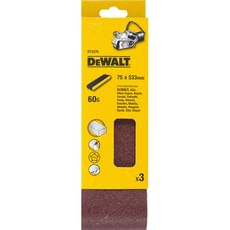
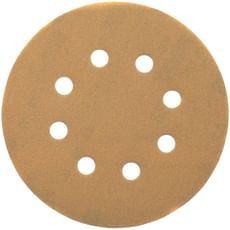
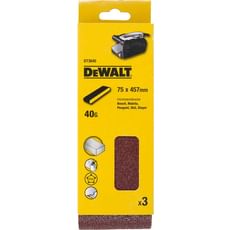
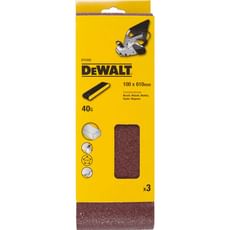
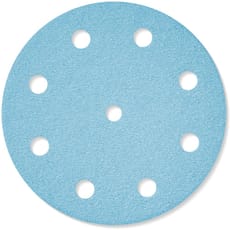
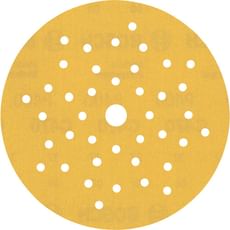
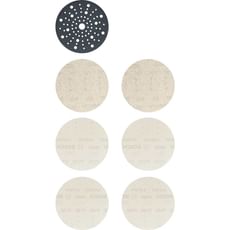
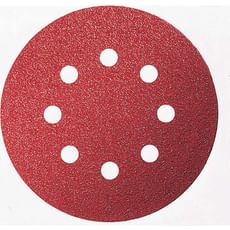
Bosch EXPERT C470 Hook and Loop Sandpaper for Random Orbital Sanders 125mm
in stock
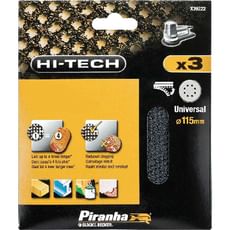
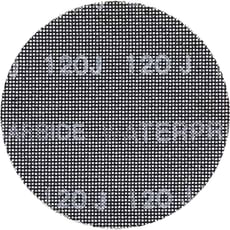
Black and Decker Piranha Hi Tech Quick Fit Mesh ROS Sanding Sheets 115mm
in stock
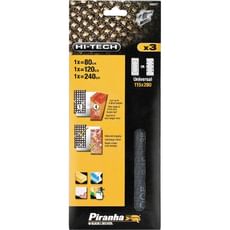
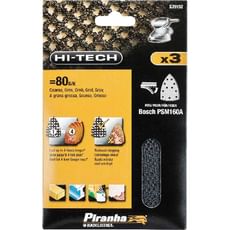

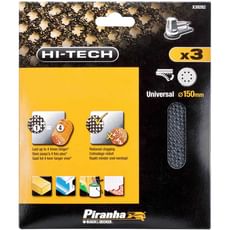
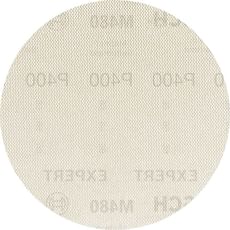
Black and Decker Piranha Hi Tech Quick Fit Mesh ROS Sanding Sheets 150mm
in stock
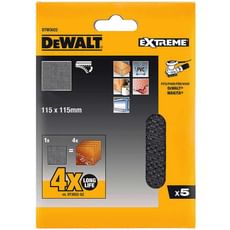

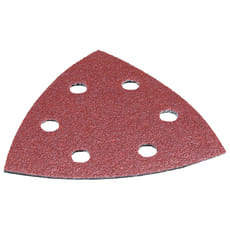
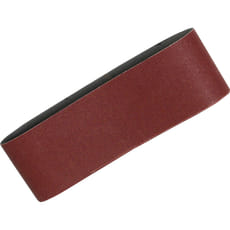
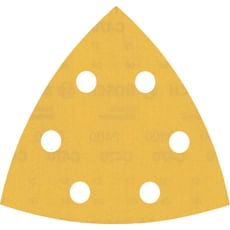
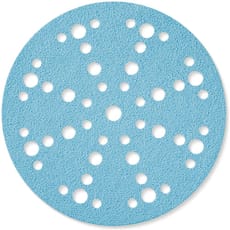
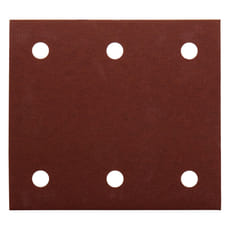
Bosch EXPERT C470 Punched Quick Fit Delta Sanding Sheets for Paint and Wood
in stock
 Loading...
End of content
Error - No more pages to load
About Sanding Accessories
Sanding accessories are essential consumables and attachments designed to work with powered sanders and manual sanding tools, enabling efficient material removal, surface preparation, and finishing across wood, metal, plastics, and composite materials. From coarse-grit sanding belts that strip paint and level rough timber to ultra-fine sanding discs that create glass-smooth finishes on automotive bodywork, these accessories determine the quality and speed of every sanding operation. Whether you're a joiner preparing furniture for varnishing, a decorator smoothing walls between coats, or a metal fabricator deburring welds, having the correct sanding accessory for your tool and material is fundamental to achieving professional results.
The range available at Tooled-Up.com encompasses everything needed to keep orbital sanders, belt sanders, detail sanders, drum sanders, and specialty sanding equipment operating at peak performance. Sanding belts in various sizes and grits suit heavy-duty stock removal on belt sanders, while hook-and-loop or adhesive-backed sanding discs fit random orbital and disc sanders for versatile finishing work. Sanding sheets can be cut to size for manual sanding blocks or fitted to palm sanders, whilst sanding drums and flap wheels attach to bench grinders, drill presses, or power drills for curved surface work and intricate shaping tasks.
Beyond the abrasive media itself, Tooled-Up stocks complementary accessories including sander base plates that protect your tool's platen whilst providing optimal pad attachment, sanding guides that ensure consistent pressure and stroke patterns, and sanding roller accessories for specialized applications. This comprehensive selection ensures tradespeople and DIY enthusiasts can source everything required for their sanding operations from a single trusted supplier, with products from leading manufacturers including Makita, Bosch, Festool, and DeWalt alongside specialist abrasives brands.
Jargon Buster
- Grit Number: The measure of abrasive particle size on sanding accessories, with lower numbers (40-60 grit) indicating coarse abrasives for aggressive material removal, and higher numbers (180-400+ grit) representing fine abrasives for finishing and polishing. The grit scale follows standardised grading systems such as FEPA (European) or CAMI (American).
- Hook-and-Loop Backing: A fastening system using velcro-like material that allows quick attachment and removal of sanding discs and sheets to compatible sanders. This backing type enables rapid grit changes and repositioning to use unworn sections of the abrasive, extending product life.
- Abrasive Material: The cutting particles bonded to the backing material, commonly aluminium oxide (versatile, suitable for wood and metal), silicon carbide (ideal for harder materials and between-coat sanding), zirconia alumina (aggressive, long-lasting for heavy stock removal), or ceramic (premium, heat-resistant option for demanding applications).
- Open Coat vs Closed Coat: Open coat sanding accessories have abrasive particles covering 50-70% of the surface with gaps between grains, reducing clogging when sanding softwoods, paint, or resinous materials. Closed coat products have 100% coverage for maximum cutting efficiency on hardwoods and metals.
- Anti-Clog Coating: A stearate or other specialized treatment applied to sanding accessories that prevents dust and material from adhering to the abrasive surface, significantly extending product life when working with paint, varnish, soft metals, or resinous timbers.
- Backing Weight: The thickness and flexibility of the cloth, paper, or film substrate supporting the abrasive particles, designated by letters (A=lightest paper for hand sanding, through to F=heavy cloth for aggressive machine sanding). Heavier backings provide durability for power tool use, whilst lighter backings offer conformability for contoured surfaces.
Who Uses Sanding Accessories?
- Joiners and Cabinet Makers: Preparing timber components, smoothing joints, and achieving furniture-grade finishes before applying stains, oils, or lacquers
- Painters and Decorators: Abrading surfaces between primer and topcoat applications, removing old paint layers, and creating mechanical keys for optimal paint adhesion
- Motor Vehicle Body Repair Technicians: Flatting paintwork, feathering repair areas, removing rust, and achieving ultra-smooth surfaces before priming and painting
- Metalworkers and Fabricators: Deburring cut edges, preparing surfaces for welding, removing corrosion, blending welds, and creating brushed or polished metal finishes
- Floor Fitters and Restoration Specialists: Levelling timber flooring, removing old finishes, and preparing surfaces for sealing or oiling using drum and belt sanders
- Boat Builders and Marine Engineers: Fairing fibreglass and composite materials, preparing gel coat surfaces, and maintaining wooden vessels
- Shopfitters and Carpenters: Site preparation work, smoothing architectural joinery, and finishing bespoke timber installations
- DIY Enthusiasts and Home Improvers: Furniture restoration projects, preparing surfaces for decoration, and general woodworking and renovation tasks
How to Choose the Right Sanding Accessories
Match Size and Fitting to Your Tool: Sanding accessories must correspond precisely to your sander's specifications. Belt sanders require belts of exact width and length dimensions, orbital sanders need discs with the correct diameter and hole pattern for dust extraction, and detail sanders demand specific triangular or multi-tool fitting configurations. Always check your tool's manual or existing accessories before purchasing replacements.
Select Appropriate Grit Progression: Successful sanding involves progressing through grit grades rather than attempting to finish in one step. Begin with 40-80 grit for heavy stock removal or paint stripping, move to 100-120 grit for initial smoothing, then progress through 150, 180, and 220 grit for increasingly refined finishes. Never skip more than one grit grade, as scratches from coarser abrasives won't be eliminated by the finer grades.
Choose Abrasive Type for Material: Aluminium oxide offers excellent all-round performance on wood and metal at economical prices. Silicon carbide suits harder materials, non-ferrous metals, and wet sanding applications. Zirconia alumina provides aggressive cutting action and extended life for professional metalworking. Ceramic abrasives deliver superior performance and longevity for demanding production environments, justifying their premium cost through reduced changeover frequency.
Consider Backing and Coating Features: Cloth-backed products provide flexibility and tear resistance for edge work and contoured surfaces, whilst paper-backed options suit flat surface finishing. Film-backed accessories offer ultra-fine finishing capabilities. For resinous woods, painted surfaces, or soft metals, specify anti-clog or stearate-coated products to prevent loading and extend working life. Self-adhesive backing (PSA) provides secure attachment but single-use application, whereas hook-and-loop backing allows multiple repositioning and reattachment.
Balance Quality Against Application Frequency: Professional tradespeople using sanding accessories daily will benefit from premium products offering longer life, more consistent cutting action, and reduced dust generation. Occasional users may find mid-range products deliver adequate performance at better value. However, extremely cheap abrasives often prove false economy through rapid wear, inconsistent finishes, and excessive dust production.
Popular Accessories
- Dust Extraction Hoses and Adaptors: Connect sanders to workshop vacuums or integrated dust management systems for healthier working environments
- Sanding Blocks and Hand Pads: Manual sanding tools for detailed work, edges, and areas inaccessible to powered sanders
- Interface Pads: Cushioning layers between sander base plates and abrasive discs that improve surface conformity and finish quality on contoured workpieces
- Backing Pads and Platens: Replacement bases for sanders that wear over time, ensuring optimal abrasive performance and dust extraction efficiency
- Abrasive Sponges: Flexible sanding media ideal for curved surfaces, corners, and between-coat scuffing where traditional sheets cannot conform
- Sanding Frames and Pole Sanders: Extension tools for reaching ceilings, walls, and large flat surfaces without ladders or scaffolding
- Detail Attachments: Specialized profile sanding accessories for mouldings, turned components, and intricate joinery details
- Storage and Organisation Systems: Cases, racks, and compartmented boxes for keeping various grit grades and sizes systematically arranged on site or in the workshop
Safety Information
Respiratory Protection: Sanding generates hazardous fine dust particles that can cause respiratory conditions including occupational asthma and silicosis. Always use appropriate dust extraction connected to your sander, and wear HSE-approved RPE (Respiratory Protective Equipment) rated FFP2 or FFP3 when sanding materials producing toxic dust such as MDF, lead-based paints, or tropical hardwoods. Ensure adequate workshop ventilation and consider COSHH assessments for professional environments.
Personal Protective Equipment: Wear safety glasses or a face shield to protect against flying debris and dust. Use hearing protection when operating powered sanders for extended periods, as many exceed 85dB. Disposable gloves prevent dermatitis from dust and chemical residues, whilst close-fitting work clothing reduces dust accumulation in fabric folds.
Tool and Accessory Condition: Inspect sanding accessories before use for tears, contamination, or detachment from backing materials. Damaged abrasives can disintegrate during operation, causing injury or damaging workpieces. Ensure accessories are correctly fitted to sanders with appropriate tightness—loose belts or discs create control hazards, whilst overtightened components stress tool bearings. Never exceed the maximum RPM rating marked on disc-type accessories.
Fire Risk Management: Fine dust from sanding operations is highly combustible and can create explosive atmospheres. Sparks from metal sanding may ignite accumulated wood dust. Empty dust collection systems frequently, store only in metal containers with tight-fitting lids, and keep fire extinguishers accessible. Avoid sanding near ignition sources and ensure electrical equipment meets safety standards for dusty environments.
Frequently Asked Questions
What's the difference between sanding discs for random orbital sanders and regular orbital sanders?
Random orbital sander discs typically feature a specific hole pattern (commonly 6 or 8 holes) arranged in a circle for dust extraction, and they attach via hook-and-loop backing to a pad that both rotates and oscillates. Regular orbital (also called palm or sheet) sanders use either quarter, half, or full sheets of sandpaper that clamp at both ends or attach via hook-and-loop to a rectangular pad that only oscillates in small circles. The disc diameter and hole pattern must match your specific sander model to ensure proper dust extraction and secure attachment.
How long should sanding belts, discs, and sheets last before replacement?
Lifespan varies dramatically based on abrasive quality, material being sanded, pressure applied, and whether dust extraction is used. Professional-grade ceramic or zirconia products might sand several square metres of hardwood, whilst economy aluminium oxide belts may require replacement after much less work. Replace sanding accessories when they stop cutting efficiently (requiring excessive pressure), when abrasive particles have visibly worn away exposing backing material, when the surface has loaded with material despite cleaning attempts, or when tears and rips develop. Continuing with worn abrasives wastes time, creates poor finishes, and can damage workpieces through excessive heat generation.
Can I use the same grit sanding accessories on wood and metal?
Whilst aluminium oxide abrasives work adequately on both materials, optimal results come from material-specific choices. Silicon carbide suits metals better, particularly for non-ferrous materials like aluminium, brass, and copper. Zirconia and ceramic abrasives excel on steel and ferrous metals. The primary concern is cross-contamination—metal particles embedded in wood sanding accessories will cause rust staining if used subsequently on timber, particularly oak and other tannic woods. Maintain separate sets of sanding accessories for metalwork and woodwork, clearly labelling storage to prevent mixing.
Do I need different sanding accessories for wet versus dry sanding applications?
Yes, absolutely. Standard sanding accessories use adhesives and backing materials that deteriorate when wet, causing premature failure and potential safety hazards if discs or belts disintegrate during use. Wet sanding requires waterproof silicon carbide abrasives on waterproof paper or film backing with waterproof adhesive systems, clearly marked as suitable for wet applications. Wet sanding produces superior finishes on automotive paintwork, creates less dust when working with materials like plaster or filler, and prevents heat buildup on temperature-sensitive materials. Never use standard dry sanding accessories with water or cutting lubricants.
What grit should I use for different stages of a typical woodworking project?
For raw timber preparation, start with 80 grit to remove mill marks and level surfaces, then progress to 120 grit for general smoothing. Most projects then move to 150 or 180 grit before applying stain or finish—this provides adequate smoothness whilst maintaining sufficient surface texture for good finish adhesion. For ultra-smooth furniture finishes, sand to 220 grit before the first coat, then use 320 or 400 grit for gentle denibbing between subsequent finish coats. Hardwoods generally benefit from finer final grits (220+) than softwoods, where excessive fine sanding can burnish the surface and prevent proper finish penetration. Always sand with the grain direction in final passes to avoid cross-grain scratches.