

Sheet Sanders

Pay in 3 interest-free payments on purchases from £20-£3000 with  . Learn more.
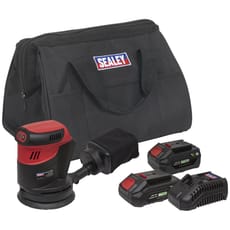
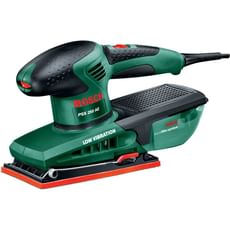
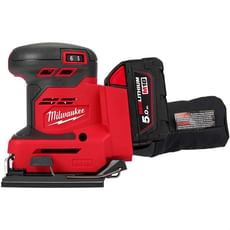
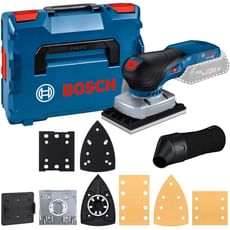
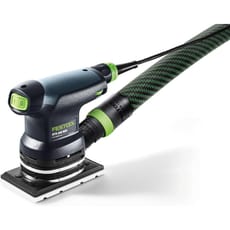
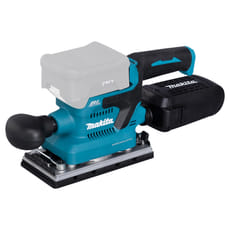
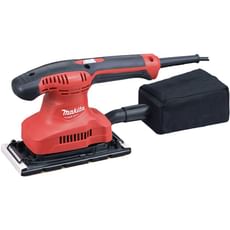
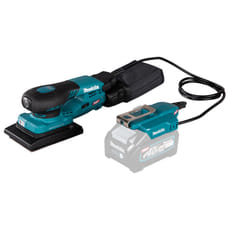
 Loading...
End of content
Error - No more pages to load
About Sheet Sanders
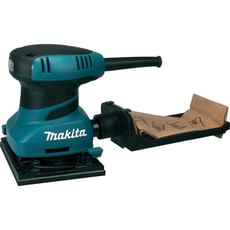
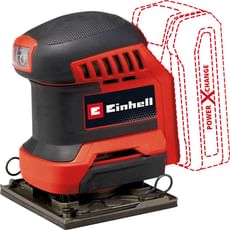
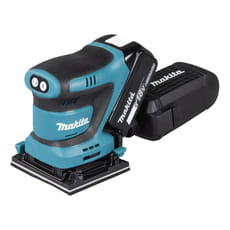
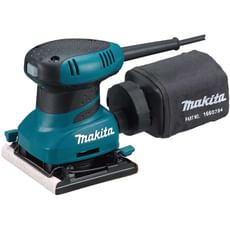
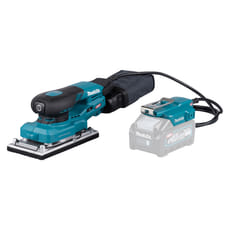
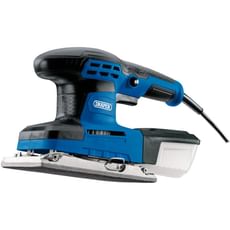
Sheet sanders, also known as finishing sanders or orbital sanders, are essential power tools designed to deliver smooth, professional surface finishes on wood, metal, painted surfaces and composites. Unlike random orbital sanders that use circular sanding discs, sheet sanders feature a rectangular sanding pad that moves in small orbital circles or back-and-forth patterns, making them particularly effective for working into corners, along edges, and up against solid borders where other sanding tools simply cannot reach. The rectangular design is based around standard sandpaper sheet dimensions, offering excellent control and precision for detailed finishing work.
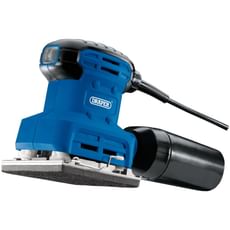
These versatile machines are typically categorised by the fraction of a standard sandpaper sheet they accommodate: 1/2 sheet, 1/3 sheet, or 1/4 sheet sanders. A 1/2 sheet sander offers the largest sanding surface and is ideal for tackling bigger areas like tabletops, doors and wall panels, though it tends to be heavier and less manoeuvrable. Compact 1/4 sheet palm sanders fit comfortably in one hand and excel at detailed work, tight spaces and smaller projects. The mid-sized 1/3 sheet models strike a practical balance between coverage and control, making them popular all-rounders for both site work and workshop applications.
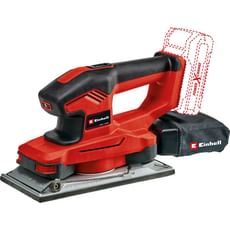
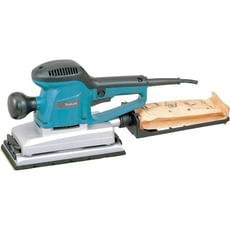
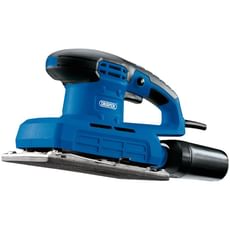
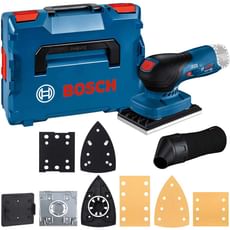
Modern sheet sanders are available in both corded 240v and cordless configurations. Tooled-Up.com stocks models from leading manufacturers including Makita, DeWalt, Bosch Professional, Festool, Milwaukee, and Einhell, offering options across various power and specification levels. Cordless 18V platforms have become increasingly popular, providing excellent freedom of movement on site without sacrificing performance. Premium models often include features such as brushless motors for extended runtime, variable speed control, efficient dust extraction systems, and quick-release paper changing mechanisms that streamline workflow and improve results.
Jargon Buster
- Orbital Action: The small circular motion of the sanding pad, typically 2-3mm in diameter, which prevents scratching by ensuring the abrasive moves in multiple directions rather than following a single linear path across the workpiece.
- OPM (Orbits Per Minute): The speed measurement for sheet sanders, indicating how many orbital cycles the sanding pad completes each minute. Higher OPM numbers generally mean faster material removal, with typical ranges between 10,000-24,000 OPM.
- Brushless Motor: An electronically controlled motor design without carbon brushes, offering greater efficiency, longer runtime on cordless models, reduced maintenance requirements, and extended tool lifespan compared to traditional brushed motors.
- Micro-filtration Dust Extraction: Advanced dust collection systems that capture fine particles through integrated filter bags or when connected to extraction vacuums, essential for maintaining clear visibility and meeting HSE workplace dust control requirements.
- Hook-and-Loop System: An alternative to traditional paper clamping, where pre-punched abrasive sheets attach directly to the sanding pad via hook-and-loop fasteners, enabling quick changes and consistent pad coverage.
- Variable Speed Control: Electronic adjustment that allows operators to match sanding speed to material type and task requirements, with lower speeds for delicate finishes and higher speeds for aggressive stock removal.
Who Uses Sheet Sanders?
Sheet sanders are indispensable tools across numerous trades and applications:
- Carpenters and Joiners: Essential for finishing furniture, fitting kitchens, preparing timber for staining or varnishing, and achieving smooth surfaces on bespoke joinery projects.
- Decorators and Painters: Vital for preparing surfaces between coats, removing old paint, smoothing filler, flatting walls and woodwork, and achieving the perfect base for high-quality paint finishes.
- Cabinet Makers: Precision finishing of drawer fronts, cabinet doors, face frames and intricate millwork where rectangular pads excel at reaching into rebates and corners.
- Shop Fitters: Surface preparation and finishing on retail installations, display units, counters and fitted commercial joinery.
- Renovation Specialists: Restoration work on period properties, stripping painted surfaces, preparing sash windows, and refinishing architectural woodwork.
- Floor Layers: Edge sanding around room perimeters where larger floor sanders cannot reach, particularly useful for finishing parquet and hardwood installations.
- DIY Enthusiasts and Homeowners: Furniture restoration, upcycling projects, home improvements, preparing woodwork for decoration, and general workshop tasks.
- Maintenance Teams: Property maintenance, facilities management, and general repair work requiring surface preparation and finishing.
How to Choose the Right Sheet Sanders
Size and Application: Consider the typical scale of your projects. Quarter-sheet palm sanders suit detail work, furniture restoration and confined spaces. Third-sheet models offer versatility for general-purpose work, whilst half-sheet sanders tackle larger surface areas efficiently but require more effort to control.
Power Source: Corded models provide consistent power for extended periods and suit workshop environments with ready access to 240v mains supply. Cordless 18V sanders offer superior mobility for site work, first-fix carpentry and locations without power access. If you already use a particular battery platform (Makita, DeWalt, Milwaukee, etc.), staying within that system maximises battery investment and reduces charging infrastructure.
Motor Type and Performance: Brushless motors deliver approximately 25-30% longer runtime on cordless models, require no carbon brush replacement, and provide more consistent power under load. Check the OPM rating – higher speeds remove material faster but lower speeds suit fine finishing. Variable speed control adds versatility across different materials and grit grades.
Dust Extraction: Effective dust collection isn't just about cleanliness; it's essential for visibility, tool longevity and meeting COSHH regulations on professional sites. Look for models with efficient micro-filtration systems and standardised vacuum hose connectors (typically 35mm diameter) for use with extraction units. Some premium models achieve 95% dust capture rates.
Paper Fitting System: Traditional clamp systems accommodate standard sandpaper sheets cut to size, offering economy and flexibility. Hook-and-loop systems cost more per sheet but enable lightning-fast changes and consistent results – valuable time-savers on commercial work. Some models accommodate both systems.
Build Quality and Brand: Professional-grade models from Makita, Festool, Bosch Professional and DeWalt deliver superior durability, better dust sealing, precision-machined flat sanding pads, and comprehensive warranties. Budget options from Einhell, Draper and Black & Decker suit occasional use and light-duty applications. Consider total cost of ownership including consumables, service availability and resale value.
Ergonomics and Comfort: For extended use, weight distribution, grip design, vibration levels and noise output significantly impact operator fatigue. Where possible, handle tools before purchasing to assess comfort and balance, particularly important for all-day professional use.
Popular Accessories
- Sandpaper Assortments: Various grit grades from coarse (40-60 grit) for heavy stock removal through medium (80-120 grit) for general preparation to fine (180-240 grit) for finishing. Available pre-cut for specific sheet sizes or in standard sheets for economy.
- Hook-and-Loop Abrasive Sheets: Pre-punched sheets with backing for quick-change systems, available in comprehensive grit ranges and specialised abrasives for different materials including wood, metal, paint and composites.
- Dust Extraction Bags: Replacement filter bags and collection units that maintain suction efficiency and contain fine particles, requiring regular replacement for optimal performance.
- Extraction Hoses and Adaptors: Connection systems linking sanders to workshop vacuum extractors or specialist dust extraction units, essential for professional compliance with HSE workplace exposure limits.
- Replacement Sanding Pads: Spare backing pads that wear over time, particularly on hook-and-loop systems, ensuring consistent sanding performance and proper abrasive contact.
- Protective Carry Cases: Purpose-designed storage solutions protecting tools during transport and site storage whilst keeping accessories organised and readily accessible.
- Additional Battery Packs and Chargers: For cordless platforms, spare battery capacity ensures continuous operation, with rapid chargers minimising downtime on demanding projects.
Safety Information
Respiratory Protection: Fine dust from sanding operations poses serious health risks, particularly from MDF, treated timbers, old paint containing lead, and materials potentially containing asbestos in pre-2000 properties. Always use appropriate respiratory protection meeting HSE standards, ideally FFP3-rated masks for fine dust, and ensure adequate ventilation. Connect dust extraction wherever possible to minimise airborne particles.
Eye Protection: Wear safety glasses or goggles meeting BS EN 166 standards to protect against dust particles and debris, particularly when working overhead or in confined spaces where extraction may be less effective.
Hearing Protection: Whilst sheet sanders are generally quieter than other power tools, prolonged exposure to noise levels above 85dB requires hearing protection. Consider ear defenders for extended professional use.
Material Hazards: Before commencing work on older properties or previously finished surfaces, assess for hazardous materials including lead paint (common in pre-1970s buildings), asbestos-containing materials, and treated timbers. Follow COSHH regulations for hazardous substance control and consider professional testing if uncertain.
Electrical Safety: Inspect power cables regularly for damage, use RCD protection (residual current devices) when working with 240v corded tools on site, and never use damaged equipment. Ensure cordless tools use genuine manufacturer batteries with integrated safety protection.
Secure Workpieces: Always clamp or secure materials being sanded to prevent movement, maintaining full control of the tool and reducing accident risk from slipping workpieces.
Frequently Asked Questions
What's the difference between a sheet sander and a random orbital sander?
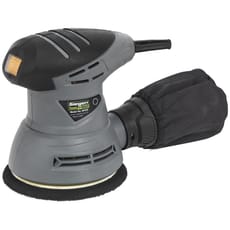
Sheet sanders use rectangular sanding pads with orbital motion, excelling at corners, edges and working up against borders due to their straight edges. Random orbital sanders use circular discs with randomised rotation patterns, providing faster material removal and swirl-free finishes on open surfaces. Sheet sanders are preferred for precision work, fitted joinery and areas requiring edge control, whilst random orbitals suit larger open surfaces and curved work.
Can I use regular sandpaper sheets from the hardware shop?
Yes, standard sandpaper sheets can be cut to fit traditional clamp-style sheet sanders, offering economical abrasive supply. However, pre-cut sheets designed for your specific sander size ensure proper fit and often feature better dust extraction holes that align with the sanding pad. Hook-and-loop systems require purpose-made pre-punched sheets with backing material and cannot accommodate standard sandpaper.
Why does my sheet sander leave swirl marks on the wood?
Swirl marks typically result from using too coarse an abrasive grit, applying excessive pressure, or insufficient progression through grit grades. Always work systematically through grits (e.g., 80-120-180-240), allow the tool's weight to do the work without forcing, and ensure the sanding pad is flat and undamaged. Keep the sander moving steadily across the surface and always sand with the grain for final finishing passes.
Do I need dust extraction or is the dust bag sufficient?
For occasional DIY use, integrated dust bags capture reasonable amounts of coarse dust. However, professional users should connect to proper extraction systems meeting HSE workplace exposure limit requirements, particularly when sanding MDF, treated timber or creating large volumes of fine dust. Extraction systems improve visibility, extend tool life by preventing dust ingress, and significantly reduce health risks associated with prolonged dust exposure.
Are cordless sheet sanders powerful enough for professional use?
Modern 18V cordless sheet sanders from professional manufacturers like Makita, DeWalt, Milwaukee and Festool deliver performance comparable to corded equivalents, particularly models with brushless motors. Available from Tooled-Up, these sanders excel on site work, first-fix applications and locations without mains power. Battery capacity (Ah rating) determines runtime – 4.0Ah or 5.0Ah batteries provide sufficient capacity for most daily applications, whilst 6.0Ah or higher suits intensive all-day use. Keep spare batteries charged for uninterrupted operation.