

Tree Saws
Pay in 3 interest-free payments on purchases from £30-2000 with  . Learn more.
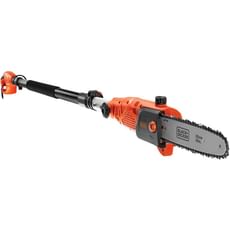
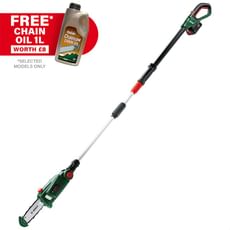
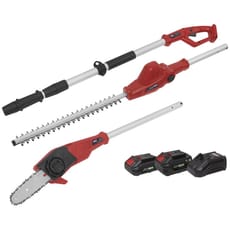
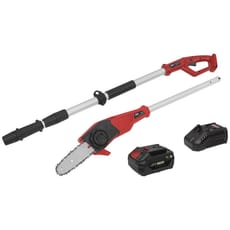
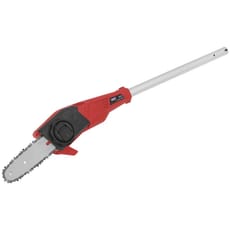
Bosch UNIVERSALCHAINPOLE P4A 18v Cordless Telescopic Pole Tree Pruner 200mm
in stock

 Loading...
End of content
Error - No more pages to load
About Tree Saws
Tree saws are specialised cutting tools designed for pruning, trimming and maintaining trees and tall shrubs. Unlike standard handsaws, tree saws feature curved or straight blades optimised for cutting live wood, often with aggressive tooth patterns that cut efficiently through branches whilst minimising binding. Available in both manual and powered formats, tree saws range from compact folding models for light pruning work to telescopic pole saws that extend reach to heights of several metres, eliminating the need for ladders in many situations.
The selection at Tooled-Up.com encompasses everything from professional-grade pole saw systems with interchangeable heads to cordless powered pruners and traditional hand saws. Manual tree saws typically feature TURBOCUT or similar tooth geometries that provide fast, clean cuts through green wood, whilst powered options utilise compact chainsaw-style cutting bars mounted on extending poles. Leading brands such as ARS, Gardena, Bosch, and Black and Decker offer solutions for both professional arborists and domestic gardeners, with features including telescopic extension poles, ratchet mechanisms for thick branches, and quick-change blade systems.
Modern tree saw systems often comprise modular components, allowing users to configure tools for specific tasks. Premium Japanese brands like ARS provide separate pole sections, blade heads, and grips that can be combined to create custom setups, whilst cordless electric models from manufacturers including Greenworks and Einhell deliver the convenience of powered cutting without trailing cables when working at height.
Jargon Buster
- TURBOCUT Teeth: A specialised tooth pattern featuring aggressive cutting geometry with impulse-hardened edges, designed specifically for cutting live wood efficiently with reduced friction and minimal blade binding.
- Pole Saw Blade Head: The detachable cutting component of a modular pole saw system that mounts onto extension poles, available in various blade lengths and curvatures for different cutting applications.
- Impulse Hardening: A heat treatment process applied to saw teeth that hardens the cutting edges whilst leaving the blade body flexible, significantly extending tooth sharpness and blade life.
- Telescopic Extension: Multi-section poles that extend and lock at various lengths, typically ranging from 2 metres to over 4 metres, allowing users to reach high branches whilst maintaining control from ground level.
- Ratchet Mechanism: A mechanical system that applies cutting force in stages through multiple pump actions, enabling users to cut through thick branches that would be difficult to sever in a single cutting motion.
- Curved Blade Geometry: The characteristic arc shape of professional tree saw blades that positions teeth at optimal angles for efficient cutting and prevents the saw from slipping off branches during use.
Who Uses Tree Saws?
- Professional Arborists and Tree Surgeons: Daily use for tree maintenance, crown reduction, and branch removal across commercial and residential properties
- Landscape Gardeners: Regular pruning and maintenance of ornamental trees, hedges and shrubs on client sites
- Groundskeepers and Estate Managers: Ongoing tree care across parks, sports grounds, stately homes and large private estates
- Local Authority Parks Departments: Maintenance of public green spaces, street trees and woodland areas
- Utility Companies: Vegetation management along power lines, roads and infrastructure corridors
- Fruit Growers and Orchardists: Pruning and shaping fruit trees to maintain productivity and tree health
- Forestry Workers: Woodland management, thinning operations and selective tree maintenance
- Domestic Gardeners and Homeowners: Seasonal pruning of garden trees, maintenance of mature shrubs and general property upkeep
- Facilities Management Teams: Tree care across business parks, hospital grounds, educational campuses and commercial properties
How to Choose the Right Tree Saws
Manual vs Powered: Consider the volume and frequency of work. Manual saws offer precision control, require no power source, and suit occasional pruning tasks. Cordless powered pole saws significantly reduce physical effort for regular or extensive cutting but require battery management and represent a larger investment.
Reach Requirements: Assess the typical height of branches you'll be cutting. Telescopic pole saws extend from approximately 2 metres to over 4 metres, potentially eliminating ladder work. Fixed-length saws provide greater rigidity for heavy cutting but limit versatility. Tooled-Up stocks both fixed and telescopic options across multiple reach categories.
Blade Length and Tooth Pattern: Blade lengths typically range from 270mm to 470mm. Longer blades cut larger diameter branches but may prove unwieldy in dense canopies. TURBOCUT and similar aggressive tooth patterns cut green wood efficiently, whilst finer teeth suit dead or seasoned wood. Match tooth pitch (typically 3mm-5mm) to typical branch diameter.
Modular vs Integrated Systems: Modular systems from brands like ARS allow users to interchange blade heads, grips and pole sections, offering flexibility and the ability to replace worn components economically. Integrated designs provide simplicity but require complete replacement if any component fails.
Weight and Balance: When working at full extension overhead, every gram matters. Professional-grade aluminium and carbon fibre poles significantly reduce fatigue compared to heavier alternatives. Check the complete system weight, not just the pole or blade head independently.
Power Source for Cordless Models: If selecting powered options, consider whether you already use a particular battery platform. Many 18v cordless pole saws accept standard tool batteries, potentially eliminating additional battery purchases if you're already invested in a brand ecosystem.
Popular Accessories
- Replacement Blade Heads: Spare cutting heads for modular pole saw systems, available in various lengths and tooth configurations
- Extension Poles: Additional pole sections to increase reach, typically available in 1-2 metre lengths that connect to existing systems
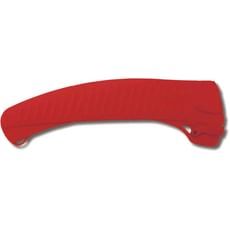
- Protective Sheaths and Blade Covers: Safety covers for transporting saws and protecting blade edges during storage
- Blade Grips and Adaptors: Universal mounting hardware for attaching different blade heads to various pole types and diameters
- Replacement Batteries and Chargers: Spare power packs for cordless models to maintain productivity throughout the working day
- Pruning Lopper Heads: Interchangeable cutting heads that mount on the same poles for cutting thicker branches with ratchet or anvil mechanisms
- Carrying Cases and Tool Rolls: Purpose-designed storage solutions for transporting pole saw components safely between sites
- Sharpening Files and Maintenance Kits: Specialist files matching specific tooth patterns to maintain optimal cutting performance
- Safety Eyewear and Gloves: PPE suitable for overhead cutting work, protecting against falling debris and providing secure grip
Safety Information
Working at Height: Always maintain stable footing when using pole saws. Avoid overreaching or working from ladders when possible, as telescopic poles are designed to eliminate this requirement. Be aware of your surroundings and ensure adequate clearance for the pole to operate safely.
Falling Branches: Never work directly beneath branches being cut. Always wear appropriate PPE including safety glasses or goggles, as sawdust and small debris will fall during cutting. Hard hats are advisable when working beneath large branches or in commercial forestry environments.
Electrical Hazards: Exercise extreme caution when working near overhead power lines. Maintain safe clearance distances as specified by HSE guidelines. Conductive poles, particularly when wet, can create serious electrical hazards if they contact live cables.
Blade Handling: Tree saw blades are extremely sharp. Always fit protective sheaths when transporting or storing saws. When changing blade heads on modular systems, follow manufacturer instructions carefully to ensure secure mounting before use.
Powered Saw Operation: For cordless pole pruners, remove batteries before performing any maintenance or blade inspection. Ensure chain brakes function correctly and that guards are properly fitted. Familiarise yourself with emergency stop procedures before commencing cutting operations.
Weather Conditions: Avoid using tree saws in high winds when branches may move unexpectedly. Wet conditions reduce grip security and increase slip hazards. Lightning during storms presents serious risk when holding conductive poles.
Frequently Asked Questions
What length pole saw do I need for typical garden trees?
For most domestic gardens, a telescopic pole saw extending to 3-4 metres provides adequate reach for pruning standard ornamental trees whilst remaining manageable. This typically allows cutting of branches up to 5 metres from ground level when accounting for arm reach and blade length. Professional arborists often require longer configurations up to 6 metres for mature tree work.
Can I use a tree saw for cutting seasoned firewood?
Tree saws are optimised for cutting live, green wood and may perform poorly on seasoned timber. The aggressive tooth patterns designed for fresh wood can bind or skip on dry, hard wood. A conventional bowsaw or bucksaw with finer teeth proves more suitable for cutting seasoned firewood efficiently.
How often should tree saw blades be sharpened?
Professional users typically sharpen blades after approximately 8-10 hours of active cutting, though this varies considerably based on wood type and cutting volume. Impulse-hardened teeth maintain sharpness significantly longer than standard blades. Signs requiring sharpening include increased effort when cutting, rough cut surfaces, and the blade producing fine dust rather than chips.
Are cordless pole pruners powerful enough for professional use?
Modern 18v cordless pole pruners from established brands deliver adequate power for professional applications, typically cutting branches up to 150mm diameter. Battery runtime of 30-60 minutes per charge suits most half-day pruning sessions. Professionals often maintain multiple batteries to ensure continuous operation throughout the working day.
What's the advantage of curved blades over straight ones?
Curved blades naturally hook around branches, preventing the saw from slipping during cutting strokes and positioning teeth at optimal angles throughout the cut. This geometry proves particularly advantageous when cutting overhead where maintaining blade contact with the branch is challenging. Straight blades offer advantages in tight spaces where blade curvature might catch on surrounding foliage.