

Winches

Pay in 3 interest-free payments on purchases from £20-£3000 with  . Learn more.
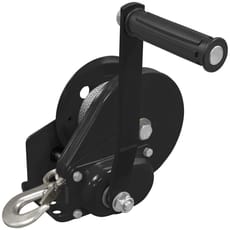
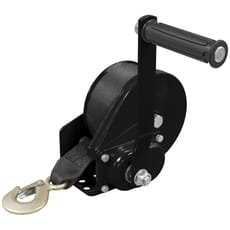
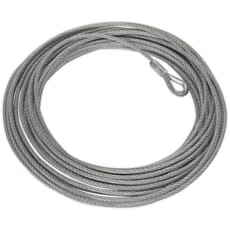
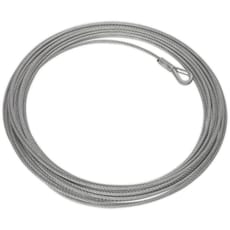
 Loading...
End of content
Error - No more pages to load
About Winches
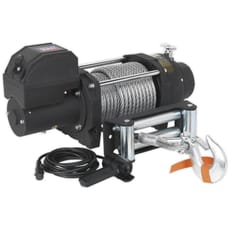
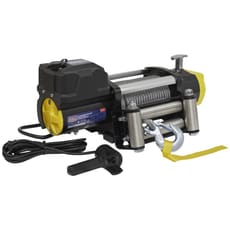
Winches are indispensable mechanical devices engineered to pull, lift, or haul heavy loads using a wound cable, rope, or webbing strap. Whether you're recovering a vehicle stuck in challenging terrain, repositioning heavy machinery on a construction site, or handling materials in a workshop environment, winches deliver the mechanical advantage required to move substantial weights safely and efficiently. The range available at Tooled-Up.com encompasses both electric and manual options, with pulling capacities from 500kg through to over 4000kg, catering to everything from light-duty workshop tasks to demanding professional vehicle recovery operations.
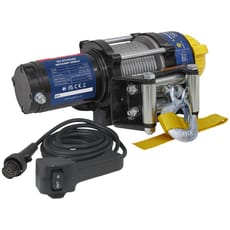
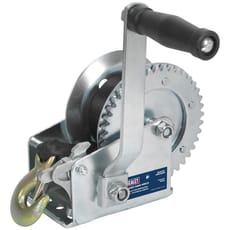
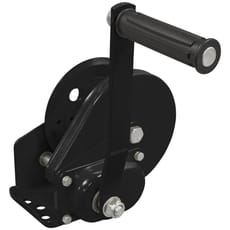
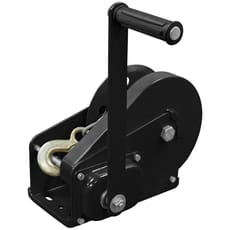
The collection features predominantly Sealey and Draper winches, two established British brands recognised throughout the trade for reliability and robust construction. Electric recovery winches, including 12V models specifically designed for mounting on 4x4s, ATVs, and quad bikes, offer powerful pulling capacities ideal for off-road enthusiasts, agricultural workers, and professional recovery services. For remote locations without electrical supply, manual geared hand winches provide portable, mechanical solutions that require no power source yet deliver impressive pulling force through clever gear ratios and leverage systems.
Modern winches incorporate advanced safety features including automatic braking mechanisms, overload protection, and wireless remote controls on selected electric models for safer operation from a distance. Many products come supplied as complete kits with wire rope or Dyneema synthetic rope, mounting hardware, and remote controls, ensuring you have everything needed for immediate deployment. Whether you need a compact wire rope puller for workshop tensioning tasks or a heavy-duty self-recovery winch for serious off-road work, Tooled-Up stocks options suitable for both professional tradespeople and committed DIY enthusiasts.
Jargon Buster
- Pulling Capacity (Line Pull)
- The maximum weight a winch can pull, measured in kilograms or tonnes. This rating applies to the first layer of cable wound on the drum; actual capacity decreases as additional cable layers build up, so always allow a safety margin when selecting capacity.
- Gear Ratio
- The relationship between handle turns (on manual winches) or motor speed and drum rotation. Higher gear ratios provide greater pulling power but slower line speed, making them ideal for heavy loads, whilst lower ratios offer faster retrieval with reduced pulling force.
- Dyneema Rope
- A high-strength synthetic alternative to traditional steel wire rope, offering comparable strength with significantly reduced weight and safer handling characteristics. Dyneema won't develop sharp metal burrs, floats on water, and is easier to store and handle, though it requires protection from sharp edges.
- Self-Recovery Winch
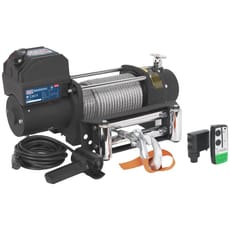
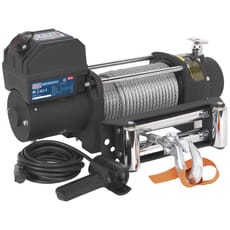
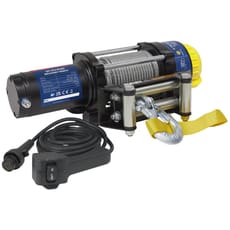
- An electric winch designed for permanent mounting on vehicles, enabling them to extract themselves from difficult terrain. Commonly fitted to 4x4s, ATVs, agricultural vehicles, and recovery trucks, these typically operate on 12V from the vehicle's electrical system.
- Automatic Brake
- A crucial safety mechanism that prevents the drum from unwinding under load when the handle or motor stops. Essential for maintaining precise control during lifting operations and preventing dangerous uncontrolled cable release.
- Wire Rope Puller (Come-Along)
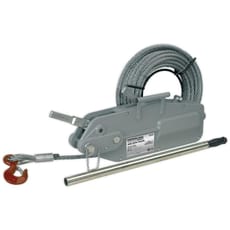
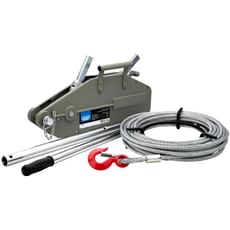
- A portable, ratchet-operated winch that uses intermittent pulling action rather than continuous winding. Ideal for tensioning, pulling, and positioning tasks where a permanently mounted winch isn't practical.
Who Uses Winches?
- Farmers and Agricultural Workers: For recovering stuck tractors and machinery, moving equipment across difficult terrain, and general farm operations including gate installation and fence tensioning
- Off-Road Enthusiasts and 4x4 Owners: Essential equipment for self-recovery during green laning, pay-and-play days, and expedition driving
- Construction Site Operatives: Moving materials, positioning heavy equipment, temporary lifting tasks, and manoeuvring machinery in confined spaces
- Plant and Machinery Operators: Loading and unloading equipment onto trailers and transporters, positioning plant machinery, and recovery operations
- Landscapers and Groundworkers: Removing tree stumps, moving heavy materials like natural stone, positioning landscape features, and equipment recovery from soft ground
- Garage and Workshop Mechanics: Pulling engines, positioning heavy components, vehicle movement within workshops, and general workshop lifting applications
- Marine and Boat Owners: Launching and recovering boats on slipways, beach launching, and marina operations
- Forestry Workers: Extracting timber, moving logs in woodland environments, and positioning felled trees for processing
- Recovery and Breakdown Services: Professional vehicle recovery from ditches, mud, embankments, and challenging terrain
- Event and Exhibition Contractors: Moving heavy staging equipment, tensioning marquee guy ropes, and positioning structures
How to Choose the Right Winches
Power Source
Electric 12V winches offer convenience and substantial pulling power for vehicle-mounted applications, drawing current directly from your vehicle's battery system. These are ideal for regular use and heavy-duty recovery where power is available. Manual geared hand winches provide complete portability and function anywhere without electrical supply, making them perfect for remote locations, emergency backup, or situations where mounting an electric winch isn't practical.
Pulling Capacity
Always select a winch with pulling capacity at least 1.5 times the weight you need to move. For vehicle recovery, choose a winch rated at 1.5 to 2 times your vehicle's gross weight to account for suction in mud, gradient resistance, and friction. A typical 2000kg 4x4 requires a 3000-4000kg winch, whilst ATVs and quad bikes typically work well with 1135-2040kg capacity models. Remember that capacity decreases as cable layers build up on the drum.
Cable Type and Length
Steel wire rope offers excellent durability and heat resistance, making it suitable for regular professional use, but requires careful handling due to sharp burrs that can develop. Dyneema synthetic rope is significantly lighter, safer to handle, easier to store, and won't cause injury if it breaks under tension, though it can be damaged by sharp edges and requires UV protection. Consider whether the supplied cable length (typically ranging from 9 to 20 metres) suits your intended applications—vehicle recovery often benefits from longer cables.
Mounting Requirements
Electric recovery winches require secure mounting points capable of withstanding the full pulling capacity. Some models come with complete mounting kits including brackets and hardware, whilst others require vehicle-specific mounting plates purchased separately. For portable applications, manual winches can be secured to temporary anchor points or purpose-made frames. Ensure mounting points are structurally sound and rated appropriately.
Control Options
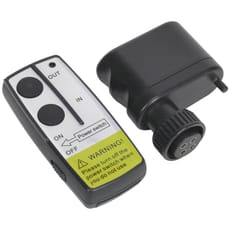
Basic electric winches feature wired remote controls with typical cable lengths of 3-4 metres, allowing operation from beside the vehicle. Premium models offer wireless remote operation for safer use from greater distances, particularly valuable during recovery operations where maintaining clear of the vehicle is important. Manual winches may incorporate ratchet mechanisms for intermittent pulling or continuous winding handles depending on the application.
Braking System
Automatic brakes are essential safety features that prevent uncontrolled unwinding under load. This is particularly critical for lifting applications where maintaining precise load control is vital. Check that any winch you're considering includes automatic braking—this should be standard on quality models from brands like Sealey and Draper.
Popular Accessories
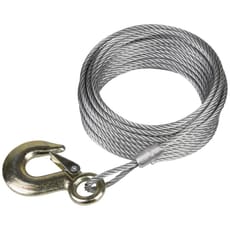
- Replacement Wire Rope and Synthetic Rope: Spare cables and Dyneema rope for routine maintenance or upgrading existing winches to safer synthetic alternatives
- Recovery Straps and Tree Protectors: Essential for creating secure anchor points without damaging trees or vehicle mounting points, typically rated for specific loads
- Winch Mounting Plates and Brackets: Vehicle-specific or universal mounting solutions for secure installation on 4x4s, ATVs, and trailers
- Snatch Blocks and Pulleys: Double your effective pulling power or change the direction of pull using redirect blocks—essential for complex recovery situations
- Winch Covers: Weather-resistant protective covers to shield your investment from mud, salt, corrosion, and UV damage when not in use
- Heavy-Duty Work Gloves: Essential PPE rated for handling wire rope safely, protecting hands from sharp burrs and providing grip during operations
- Rated Shackles and Hooks: High-strength connection hardware properly rated for winching loads—never use standard hardware for winching operations
- Winch Dampeners: Purpose-made devices that drape over tensioned cable to absorb energy in case of cable failure, significantly improving safety
- Battery Chargers and Jump Starters: Maintain your vehicle battery when using electric winches for extended periods or multiple pulls
Safety Information
Always conduct a thorough risk assessment before commencing winching operations. Never exceed the rated capacity of your winch, and remember that actual capacities decrease significantly as cable layers build up on the drum—the rated capacity applies only to the first layer. Inspect wire rope regularly and systematically for broken strands, kinks, crushing damage, or corrosion, replacing damaged cables immediately to prevent catastrophic failure under load.
When operating electric winches, ensure your vehicle engine is running to prevent battery drain and maintain adequate voltage—winches can draw 200-400 amps under heavy load. Never straddle or step over a cable under tension—if a cable breaks or a connection fails, it can recoil with devastating force capable of causing serious injury or death. Always use a winch dampener (a heavy blanket, coat, or purpose-made dampener) draped over the cable midpoint to absorb energy in case of failure.
Wear appropriate PPE including heavy-duty gloves specifically rated for wire rope handling, safety boots with steel toecaps, and eye protection. Keep all bystanders well clear of the winching area, establishing an exclusion zone at least 1.5 times the cable length to either side of the cable path. For vehicle recovery, ensure the vehicle being recovered is in neutral with the handbrake released to prevent transmission or brake damage.
Regular maintenance is essential for safe operation—lubricate steel cables according to manufacturer specifications (typically every few months), check all electrical connections for corrosion, test brake mechanisms before each use, and inspect mounting points for security. Follow HSE guidelines for lifting operations where applicable, and never use a winch to lift loads over people or in any manner that could cause injury if control is lost. If you're new to winching, consider attending a vehicle recovery course to learn proper techniques.
Frequently Asked Questions
What size winch do I need for my 4x4 or ATV?
For vehicle recovery applications, select a winch with a pulling capacity of 1.5 to 2 times your vehicle's gross weight (not unladen weight). For a typical 2000kg 4x4, a winch rated at 3000-4000kg provides adequate capacity for realistic recovery scenarios including mud suction and gradient. ATVs and quad bikes typically require 1135-2040kg capacity winches, which are specifically designed for these lighter vehicles and can be mounted using ATV-specific brackets available from manufacturers like Sealey.
Can I use an electric winch without the vehicle engine running?
Whilst technically possible for very brief, light-load operations, it's strongly recommended to keep your engine running when using any 12V electric winch. Winches draw substantial current—often 200-400 amps under heavy load—which can flatten a battery in minutes. Running the engine ensures the alternator provides continuous power and maintains battery charge. If you must winch with the engine off, ensure the battery is fully charged and limit operations to short pulls.
What's the difference between a hand winch and a wire rope puller?
Hand winches feature a drum that winds cable or webbing and typically offer continuous pulling with a rotating handle, making them suitable for controlled lifting and precise positioning tasks. Wire rope pullers (sometimes called come-alongs) use a ratchet mechanism for intermittent pulling action and are more compact and portable, making them ideal for tensioning operations, temporary pulling tasks, and situations where a mounted winch isn't practical. Both have their place—choose based on whether you need continuous winding or ratcheted pulling.
How do I maintain my winch cable or rope?
Steel wire rope should be cleaned after each use, especially after exposure to mud, saltwater, or chemicals, then lubricated with appropriate wire rope dressing every few months or more frequently in harsh conditions. Inspect thoroughly for broken strands, kinks, bird-caging, or crushing damage before every use. Dyneema synthetic rope should be rinsed with fresh water after use, allowed to dry completely, and stored away from direct UV light and sharp edges. Replace any rope showing signs of abrasion, cuts, melting, or significant discolouration—compromised rope can fail without warning under load.
Do I need special mounting equipment for a recovery winch?
Yes, most vehicles require a specific winch mounting plate or reinforced bumper designed to accept a winch and distribute loads properly through the vehicle's chassis. Some winch kits available at Tooled-Up include mounting brackets, whilst others require separate purchase of vehicle-specific plates. The mounting point must be structurally sound and rated for the winch's pulling capacity—never mount a winch to standard bumpers or unrated points. For ATVs and quad bikes, specific mounting kits are available that attach securely to the frame using existing bolt holes or reinforced mounting points.