

Air Compressors
Pay in 3 interest-free payments on purchases from £30-2000 with  . Learn more.
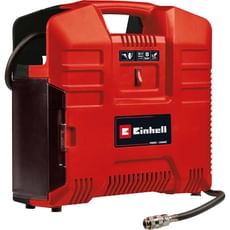
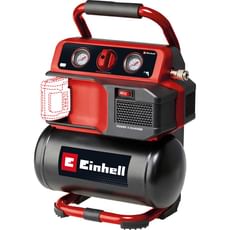
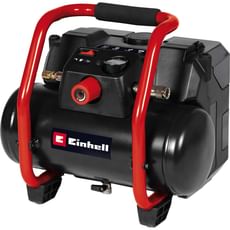
Einhell TE-AC 18/75 Li OF 18v Cordless Oil Free Air Compressor 5 Litre
in stock
 Loading...
End of content
Error - No more pages to load
About Air Compressors
Air compressors are indispensable workshop equipment that convert electrical power into stored energy in the form of pressurised air. This compressed air powers an extensive range of pneumatic tools including impact wrenches, spray guns, nail guns, sanders, grinders, and inflators. Whether you're operating a professional garage, working on construction sites, or maintaining a well-equipped home workshop, a reliable air compressor delivers consistent power for demanding applications where corded electric tools may prove impractical or insufficient.
The selection at Tooled-Up.com spans portable cordless models from DeWalt and Draper for maximum mobility on site, compact oil-free compressors ideal for lighter tasks and indoor use, and powerful belt-driven units from Sealey and Draper with tank capacities ranging from 50 to 200 litres for industrial applications. Leading manufacturers including Makita, Milwaukee, and Einhell offer proven reliability for both professional tradespeople and serious DIY enthusiasts. Tank sizes range from portable 6-litre units perfect for inflation work through to substantial 200-litre stationary models capable of running multiple air tools simultaneously on busy workshop floors.
Modern air compressors feature improved energy efficiency, reduced noise levels, and enhanced durability compared to older generations. Many contemporary models incorporate direct drive or belt drive mechanisms, thermal overload protection, quick-release couplings for faster tool changes, and pressure regulation systems. Whether you need a lightweight cordless unit for site work, a mid-sized 240v compressor for a home workshop, or a heavy-duty three-phase industrial compressor for continuous commercial use, selecting the right specification ensures optimal performance and longevity for your specific applications.
Jargon Buster
- CFM (Cubic Feet per Minute): The volume of air the compressor can deliver at a specific pressure (PSI). Higher CFM ratings mean the compressor can power larger tools or multiple tools simultaneously. This is one of the most critical specifications when matching a compressor to your pneumatic tools.
- PSI (Pounds per Square Inch): The pressure at which air is delivered from the compressor. Most pneumatic tools require between 90-120 PSI to operate effectively. Professional compressors typically deliver maximum pressures of 115-150 PSI to accommodate various tool requirements.
- Oil-Free vs Oil-Lubricated: Oil-free compressors require minimal maintenance and are suitable for indoor use and applications requiring clean air output. Oil-lubricated models are more durable for heavy-duty continuous use but require regular oil changes and ongoing maintenance schedules.
- Direct Drive vs Belt Drive: Direct drive compressors connect the motor directly to the pump, making them more compact and affordable. Belt-driven models run cooler and quieter, last significantly longer, and are preferred for professional workshops with extended daily run times.
- Duty Cycle: The percentage of time a compressor can run within a given period before needing to cool down. A 50% duty cycle means the unit should rest for half the time it operates to prevent overheating and premature wear.
- Tank Capacity: Measured in litres, this determines how much compressed air can be stored. Larger tanks provide more consistent pressure delivery and reduce motor cycling frequency, extending overall compressor lifespan and reducing electricity consumption.
Who Uses Air Compressors?
- Vehicle Mechanics and Auto Electricians: Running impact wrenches, air ratchets, tyre inflators, and spray guns in garages and mobile repair services
- Construction Workers and General Builders: Operating nail guns, staplers, and demolition tools on building sites and renovation projects
- Painters and Decorators: Powering spray guns for automotive refinishing, furniture spraying, and large-scale painting projects
- Carpenters and Joiners: Using pneumatic nailers, staplers, and sanders for joinery work and site installations
- Fabricators and Metalworkers: Running angle grinders, die grinders, and plasma cutters in fabrication shops and engineering facilities
- Maintenance Engineers: Performing equipment servicing and repairs across industrial facilities and manufacturing plants
- Agricultural Workers: Operating farm machinery, tyre maintenance, and general workshop tasks in rural settings
- Vehicle Body Shops: Running spray painting equipment, panel tools, and finishing equipment for automotive repair work
- DIY Enthusiasts: Inflating tyres, powering hobby tools, and tackling home improvement projects
How to Choose the Right Air Compressors
Determine Your Air Requirements: Calculate the total CFM required by adding up all tools you might run simultaneously, then add 30% for a safety margin. Check your most demanding tool's CFM rating – this becomes your minimum requirement. Most spray guns need 10-15 CFM, whilst impact wrenches typically require 4-6 CFM at 90 PSI. Air sanders and grinders often demand 6-8 CFM for consistent performance.
Select Appropriate Tank Size: For intermittent use like tyre inflation or brad nailing, 6-24 litre tanks suffice. Workshop applications running sanders or spray guns benefit from 50-100 litre tanks to maintain consistent pressure. Industrial settings with multiple users or continuous operation require 150-200 litre capacity to minimise pressure drops and reduce motor cycling, which extends compressor lifespan considerably.
Consider Power Source: Mains-powered 240v models suit domestic workshops and light commercial applications, providing unlimited runtime but limited portability. Three-phase 415v compressors suit industrial sites with heavy-duty requirements. Cordless 18v models from DeWalt and Draper offer exceptional mobility for site work, tyre inflation, and applications without mains access, though with smaller tank capacities and lower CFM ratings compared to mains-powered alternatives.
Oil-Free or Lubricated: Oil-free compressors require minimal maintenance and suit light-to-medium duty applications, particularly where air cleanliness matters for spray painting or food preparation environments. Oil-lubricated models deliver superior longevity and performance for professional workshops with regular daily use, though they need routine oil changes following manufacturer schedules to maintain warranty coverage and optimal performance.
Noise and Location Considerations: Check decibel ratings if working in noise-sensitive environments or residential areas. Belt-driven compressors run considerably quieter than direct-drive models. Consider whether you need a portable unit on wheels for moving between workstations or a stationary installation with fixed mounting for permanent workshop positioning.
Brand and Build Quality: Professional-grade compressors from Sealey, Draper, Makita, DeWalt, and Milwaukee offer superior reliability and comprehensive after-sales support. Einhell provides excellent value for serious DIY and light trade use. Always check warranty terms and parts availability for long-term peace of mind and service support.
Popular Accessories
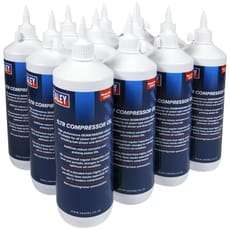
- Air Compressor Oil: Essential maintenance item for lubricated models, requiring regular changes to ensure longevity and optimal performance
- Air Compressor Wheels: Upgrade stationary units with wheel kits for improved workshop mobility and positioning flexibility
- Air Hoses: Various lengths and diameters in PVC, rubber, or hybrid materials with quick-release fittings for different applications
- Pressure Regulators and Gauges: Precise pressure control for different tools and applications, preventing tool damage from excessive pressure
- Air Line Filters and Lubricators: Moisture separation and tool lubrication systems for extended pneumatic tool life and consistent performance
- Quick-Release Couplings: Fast tool changes with various fitting types (PCL, Euro, Orion) for efficient workflow
- Pneumatic Tool Sets: Impact wrenches, air ratchets, blow guns, tyre inflators, and comprehensive accessory kits
- Storage Solutions: Hose reels, wall brackets, and organisation solutions for tidy workshops and protected equipment
- Airline Installation Kits: Piping, fittings, and outlets for permanent workshop airline systems and multiple drop-points
Safety Information
Operating Precautions: Always wear appropriate PPE including safety glasses when using compressed air, as debris and particles can be propelled at dangerous velocities causing serious eye injuries. Never exceed the manufacturer's maximum PSI rating, and ensure pressure relief valves are functioning correctly. Compressed air should never be directed at skin or used for cleaning clothing whilst being worn, as it can cause serious injury including air embolism. Always disconnect the air supply before changing tools or performing maintenance.
Installation and Ventilation: Position compressors in well-ventilated areas away from flammable materials and ensure adequate clearance around the unit for cooling airflow – typically 30cm minimum on all sides. Electric compressors must be properly earthed and connected to appropriately rated circuits. 240v domestic models require standard 13A supplies, whilst larger industrial compressors may need dedicated circuits. Consult a qualified electrician if upgrading workshop electrical supplies to accommodate three-phase equipment.
Maintenance Requirements: Drain condensation from tanks daily to prevent internal corrosion and rust perforation. Check oil levels regularly on lubricated models and change oil according to manufacturer schedules – typically every 3-6 months depending on usage intensity. Inspect hoses for wear, cracks, or damage before each use, replacing any degraded components immediately. Follow HSE guidelines for workplace air compressor installations, including periodic inspections as required under Pressure Systems Safety Regulations 2000.
Noise Exposure: Prolonged exposure to compressor noise can cause permanent hearing damage. Use hearing protection in accordance with Control of Noise at Work Regulations 2005, particularly with older or high-capacity industrial models that may exceed 85dB during operation. Position compressors away from regular working areas where possible, or consider acoustic enclosures for noise reduction in shared workshop environments.
Frequently Asked Questions
What size air compressor do I need for spray painting?
For automotive spray guns, you'll need a minimum 50-100 litre tank with at least 10-15 CFM delivery at 90 PSI. HVLP (High Volume Low Pressure) spray guns are more efficient and can work with smaller compressors around 50 litres, whilst conventional spray guns demand higher CFM ratings and larger tanks. Always check your specific spray gun's requirements in the manufacturer's specifications, as inadequate air supply causes inconsistent finishes, orange peel effect, and excessive overspray wastage.
Can I run multiple air tools from one compressor simultaneously?
Yes, provided your compressor's CFM rating exceeds the combined requirements of all tools being used concurrently. Add each tool's CFM requirement together, then add 30% safety margin for optimal performance. For example, running an impact wrench (5 CFM) and die grinder (4 CFM) simultaneously requires at least 12 CFM capacity. Insufficient CFM causes pressure drops, reduced tool performance, overheating, and excessive compressor cycling which shortens equipment lifespan.
What's the difference between direct drive and belt drive compressors?
Direct drive compressors connect the motor directly to the pump, making them compact, affordable, and maintenance-free regarding belts. They're ideal for light-to-medium duty use and occasional applications. Belt-driven models run significantly cooler and quieter, deliver longer service life (often double or triple), and handle continuous professional use better. The belt absorbs vibration and allows the pump to run at optimal speed regardless of motor speed, improving efficiency and durability for workshop environments.
How often should I drain water from my air compressor tank?
Drain condensation from the tank daily after use, or more frequently in humid conditions or during extended use. Moisture accumulates naturally as hot compressed air cools inside the tank, and this water causes internal corrosion, rust, and eventual tank failure if left unchecked. Most compressors feature a drain valve at the tank bottom – open it fully until only air escapes. Installing an inline moisture trap further protects pneumatic tools from water damage and corrosion.
Do I need a cordless air compressor or a 240v mains-powered model?
Cordless 18v compressors from DeWalt, Milwaukee, and Draper excel for mobile applications like tyre inflation, site work without power supplies, roadside emergencies, and remote locations. However, they offer limited tank capacity (typically 4-6 litres) and lower CFM ratings unsuitable for demanding tools like spray guns or sanders. Mains-powered 240v models suit workshop environments requiring sustained air delivery for multiple users or continuous operation, providing unlimited runtime and substantially higher performance for professional applications.