

Moore and Wright Measuring Tools
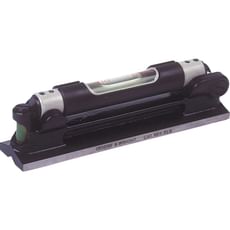
 Loading...
End of content
Error - No more pages to load
Moore and Wright Measuring Tools at Tooled-Up.com
Moore and Wright stands as one of Britain's most respected manufacturers of precision measuring instruments, with a heritage dating back to 1906. Renowned throughout the engineering and manufacturing sectors for exceptional accuracy and build quality, Moore and Wright measuring tools represent the benchmark by which others are judged. The Moore and Wright range available from Tooled-Up includes an extensive selection of precision instruments designed to meet the exacting standards of professional engineers, toolmakers, quality inspectors, and discerning tradespeople who demand absolute reliability in their measurement equipment.
From micrometers and vernier callipers to engineer's squares, depth gauges, and dial indicators, Moore and Wright measuring tools combine traditional British engineering excellence with modern manufacturing techniques. Each instrument is manufactured to stringent tolerances and undergoes rigorous quality control procedures to ensure it delivers the precision and repeatability that professionals depend upon. Whether you're working in metrology, precision machining, quality assurance, or general engineering, Moore and Wright provides the measurement solutions that deliver confidence in every reading.
The commitment to precision that defines Moore and Wright extends beyond the products themselves to encompass comprehensive calibration services, technical support, and a range of accessories that ensure your measuring equipment maintains its accuracy throughout its working life. Tooled-Up.com stocks a comprehensive selection of Moore and Wright measuring instruments suitable for workshop environments, inspection departments, and field applications where precision measurement is non-negotiable.
Why Choose Moore and Wright Measuring Tools?
Moore and Wright's reputation has been built over more than a century of continuous innovation and unwavering commitment to measurement accuracy. Every Moore and Wright instrument is designed and manufactured to provide exceptional precision, with many products traceable to national standards through comprehensive calibration certificates. This traceability is essential for businesses operating quality management systems to ISO 9001 and similar standards where documented measurement accuracy is a requirement.
The build quality of Moore and Wright measuring tools sets them apart from economy alternatives. Precision-ground measuring faces, hardened and stabilised components, and robust construction ensure these instruments can withstand the demands of daily professional use whilst maintaining their accuracy. Many Moore and Wright products feature satin chrome finishes that resist corrosion and reduce glare, making readings easier to take in various lighting conditions. The ergonomic design of Moore and Wright instruments reflects decades of user feedback, resulting in tools that are comfortable to use during extended measurement sessions.
Investment in Moore and Wright measuring equipment represents genuine long-term value. These precision instruments, when properly maintained, can provide decades of reliable service, making them significantly more cost-effective than repeatedly replacing cheaper alternatives. The availability of spare parts, repair services, and recalibration options further extends the working life of Moore and Wright tools, reducing waste and supporting sustainable workshop practices.
Who Uses Moore and Wright Measuring Tools?
Moore and Wright measuring tools are the first choice for professionals across numerous precision-focused trades and industries:
- Precision Engineers – relying on micrometers, vernier callipers, and height gauges for accurate component measurement
- Toolmakers – using dial indicators, gauge blocks, and precision squares for tool manufacture and verification
- Quality Inspectors – employing a full range of measuring instruments for dimensional verification and quality control
- CNC Machinists – utilising digital and analogue measuring tools for workpiece setup and finished component inspection
- Fabricators and Welders – depending on engineer's squares, straight edges, and rules for accurate marking out
- Maintenance Engineers – using measuring equipment for machinery inspection, alignment, and condition monitoring
- Automotive Technicians – employing precision measuring tools for engine rebuilds and component verification
- Apprentices and Engineering Students – learning proper measurement techniques with industry-standard equipment
- Metrology Departments – maintaining calibrated reference standards and inspection equipment
- Model Engineers and Hobbyists – demanding professional-grade accuracy for precision projects
Key Features of Moore and Wright Measuring Tools
Moore and Wright measuring instruments incorporate numerous features that distinguish them as premium precision tools. Hardened and ground measuring faces provide exceptional wear resistance and measurement accuracy, whilst carbide-tipped variants offer even greater durability in demanding production environments. Many Moore and Wright callipers and micrometers feature smooth, precise adjustment mechanisms with ratchet stops or friction thimbles that help users achieve consistent measuring pressure, reducing the risk of over-tightening and ensuring repeatable results.
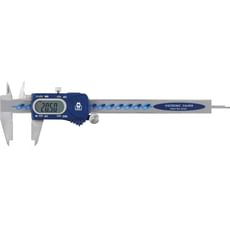
The graduated scales on Moore and Wright instruments are laser-etched or precision-engraved to ensure clarity and longevity, with many products offering both metric and imperial readings. Digital models incorporate high-resolution LCD displays with multiple measurement modes, zero-setting capabilities, and data output functions for statistical process control applications. Protective cases are supplied with most Moore and Wright precision instruments, safeguarding them from workshop environments and maintaining their calibration during storage and transport.
Moore and Wright's attention to ergonomic design ensures comfortable handling during extended use, with features such as shaped frames, thumb-operated adjustments, and balanced weight distribution. The satin chrome finish applied to many products not only provides corrosion resistance but also reduces reflective glare that can make scale reading difficult under artificial lighting. Locking mechanisms on measuring tools prevent accidental adjustment, allowing measurements to be transferred or verified without loss of setting.
Popular Moore and Wright Measuring Tools
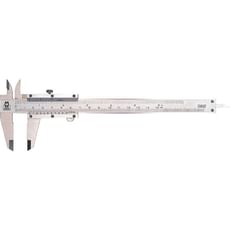
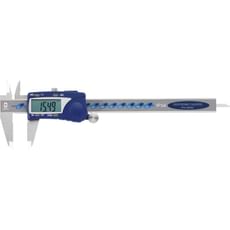
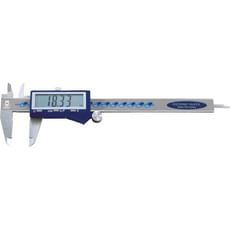
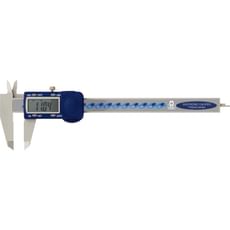
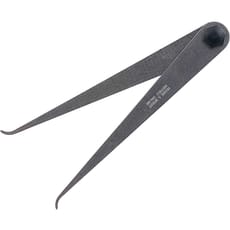
The Moore and Wright measuring tool portfolio encompasses an extensive range of precision instruments suited to diverse applications. Vernier callipers remain among the most versatile measuring tools, available in analogue and digital formats with various jaw configurations for internal, external, depth, and step measurements. Moore and Wright offers callipers in multiple size ranges, from compact 150mm models for general workshop use to 600mm and longer versions for larger component inspection.
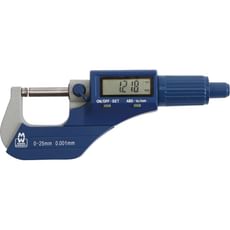
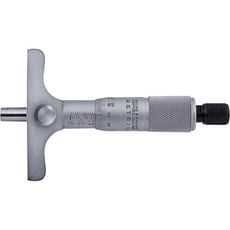
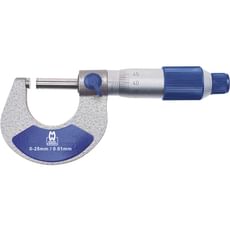
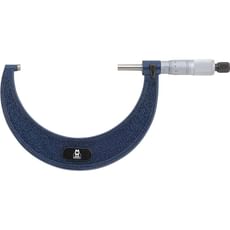
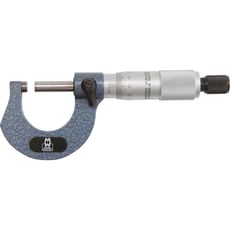
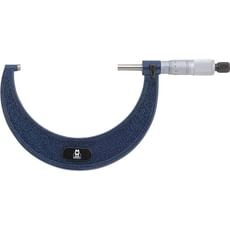
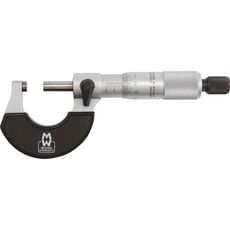
Micrometers represent another cornerstone of the Moore and Wright range, with external, internal, and depth micrometers available in analogue and digital variants. These precision instruments offer measurement resolution to 0.01mm or 0.001", making them indispensable for applications requiring exceptional accuracy. Moore and Wright micrometer sets provide comprehensive measurement capabilities across extended ranges, supplied in fitted cases for organised storage.
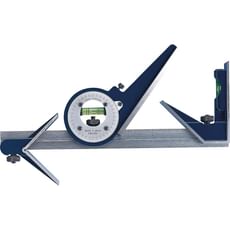
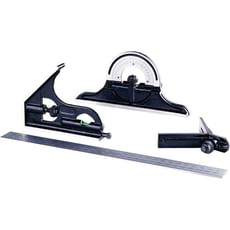
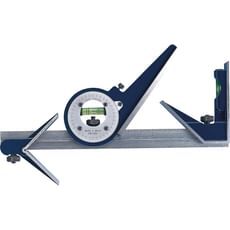
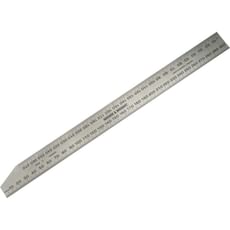
Engineer's squares, straight edges, and steel rules form the foundation of accurate marking out and inspection work. Moore and Wright produces these fundamental tools to exacting flatness and squareness tolerances, often with ground reference edges and clear, permanent graduations. Dial indicators, DTIs (dial test indicators), and magnetic bases from Moore and Wright enable precise measurement of run-out, alignment, and surface variation in machinery setup and inspection applications. Height gauges, depth gauges, bore gauges, and radius gauges complete the comprehensive Moore and Wright measuring tool selection at Tooled-Up, providing solutions for virtually any precision measurement challenge.
Safety and Compliance
Whilst precision measuring instruments don't present the direct hazards associated with power tools, proper handling and storage practices are essential to maintain accuracy and ensure workplace safety. Moore and Wright measuring tools should be stored in their protective cases when not in use, protecting delicate measuring faces from damage and preventing injury from sharp edges. Measuring faces and sliding surfaces should be kept clean and lightly oiled to prevent corrosion, which can affect accuracy and potentially cause skin irritation when handling.
Many Moore and Wright measuring instruments can be supplied with calibration certificates traceable to UKAS (United Kingdom Accreditation Service) standards, ensuring compliance with quality management systems and regulatory requirements in industries such as aerospace, medical devices, and automotive manufacturing. Regular calibration intervals should be established based on usage frequency and the criticality of measurements, with Moore and Wright and independent calibration laboratories offering re-certification services.
When using measuring tools, appropriate personal protective equipment should be worn as required by the work environment. Eye protection is advisable when measuring components on machinery, and care should be taken to ensure measuring instruments don't become entangled with rotating equipment. Proper training in measurement techniques ensures accurate results and prevents damage to precision instruments through misuse or excessive force.
Frequently Asked Questions
How often should Moore and Wright measuring tools be calibrated?
Calibration frequency depends on usage intensity and the criticality of measurements. For quality-critical applications, annual calibration is typical, though high-use environments may require more frequent verification. Moore and Wright precision instruments can be calibrated by the manufacturer, independent UKAS-accredited laboratories, or through in-house comparison against certified reference standards. Maintaining calibration records demonstrates compliance with quality management systems and provides confidence in measurement accuracy.
What's the difference between analogue and digital Moore and Wright measuring tools?
Analogue Moore and Wright instruments feature traditional graduated scales read using vernier principles or dial indicators, offering excellent reliability without battery dependence. Digital models provide instant decimal readout on LCD displays, eliminating reading errors and often incorporating functions such as zero-setting at any position, data output for quality recording, and switchable metric/imperial units. Both types deliver equivalent accuracy when properly used, with the choice often depending on personal preference and specific application requirements.
Can Moore and Wright measuring tools be repaired if damaged?
Many Moore and Wright precision instruments can be repaired or refurbished if damaged, though economic viability depends on the extent of damage and the tool's value. Common repairs include replacing worn measuring faces, servicing adjustment mechanisms, and re-graduating scales. Moore and Wright and specialist metrology service providers offer repair and refurbishment services, often including re-calibration. Preventive care through proper storage, handling, and regular cleaning significantly extends tool life and reduces repair needs.
Are Moore and Wright measuring tools suitable for workshop environments?
Moore and Wright measuring instruments are designed for professional use in typical workshop conditions, featuring robust construction and protective finishes. However, precision measuring tools should be protected from excessive dust, moisture, coolant, and temperature extremes that can affect accuracy. Storage in protective cases between measurements, regular cleaning, and light oiling of sliding surfaces ensures long-term accuracy in working environments. For permanently harsh conditions, consider digital models with enhanced sealing or workshop-grade instruments specifically designed for production environments.
What maintenance do Moore and Wright measuring tools require?
Regular maintenance preserves accuracy and extends tool life considerably. Clean measuring faces and sliding surfaces after each use with a lint-free cloth, removing swarf, dust, and fingerprints. Apply a thin film of light oil or specialist instrument lubricant to prevent corrosion, particularly important in humid workshops. Store instruments in their cases to protect against impacts and environmental contamination. Periodically verify accuracy using gauge blocks or certified reference standards, and arrange professional calibration at established intervals. Never use measuring tools as scribing implements or subject them to excessive force, which can permanently affect accuracy.