

Stanley Saw Blades & Holesaws

 Loading...
End of content
Error - No more pages to load
Stanley Saw Blades & Holesaws at Tooled-Up.com
Stanley has been a trusted name in cutting tools for over 175 years, and their range of saw blades and holesaws continues this proud tradition of quality and innovation. The Stanley cutting tool collection combines time-tested design principles with modern materials technology, delivering reliable performance across a comprehensive range of applications. From precision holesaws for clean penetrations in wood, metal and plastic, to durable reciprocating saw blades built for demanding demolition work, Stanley offers cutting solutions that meet the exacting standards of professional tradespeople.
The Stanley saw blade and holesaw range at Tooled-Up encompasses everything from bi-metal holesaws with hardened high-speed steel cutting edges to multi-purpose reciprocating blades designed for fast, aggressive cutting. Stanley's engineering expertise ensures that each blade is manufactured to deliver optimal cutting performance whilst maintaining edge retention over extended use. Whether you're working with timber, metal conduit, plastic piping or composite materials, Stanley provides purpose-designed cutting tools that deliver clean, accurate results with minimal effort.
Professional tradespeople appreciate Stanley's commitment to practical innovation – features like colour-coded blade identification systems, quick-change arbors and clearly marked depth indicators make job site work faster and more efficient. Tooled-Up stocks the complete Stanley cutting tool range, ensuring that contractors, maintenance engineers and serious DIY enthusiasts have access to the saw blades and holesaws they need for any project.
Why Choose Stanley Saw Blades & Holesaws?
Stanley's reputation for dependability extends throughout their saw blade and holesaw range, with each product engineered to deliver consistent performance under real-world working conditions. The brand's bi-metal holesaw construction – featuring high-speed steel cutting edges electron-beam welded to flexible alloy bodies – provides exceptional durability and resistance to tooth strippage, even when cutting through demanding materials like stainless steel or cast iron.
Value for money is another Stanley hallmark. Whilst premium-priced when compared to budget alternatives, Stanley saw blades and holesaws deliver significantly longer service life, reducing the frequency of blade changes and lowering cost-per-cut over time. This makes them particularly economical for professional users who rely on their cutting tools daily. Stanley's quality control processes ensure consistent manufacturing standards, so tradespeople can depend on predictable performance from blade to blade.
The breadth of Stanley's cutting tool range means you'll find the right blade for virtually any application. From fine-tooth blades for clean cuts in finished materials to aggressive tooth configurations for rapid stock removal, Stanley offers specialised solutions rather than one-size-fits-all compromises. This application-specific approach ensures optimal results whether you're cutting ferrous metals, non-ferrous materials, timber, or modern composite products.
Who Uses Stanley Saw Blades & Holesaws?
- Electricians – drilling clean holes through joists, studs and panels for cable runs and back boxes
- Plumbers and heating engineers – cutting precise penetrations for pipework in timber, plasterboard and metal
- Carpenters and joiners – creating accurate holes for door furniture, locks and services
- Maintenance fitters – general cutting and drilling tasks across facilities management applications
- HVAC installers – drilling ventilation ductwork penetrations through various building materials
- Demolition contractors – heavy-duty reciprocating saw blades for rapid material removal
- Shop fitters and kitchen installers – precision holes for sink cut-outs, appliance services and fixtures
- DIY enthusiasts – home improvement projects requiring reliable, professional-quality cutting tools
Key Features of Stanley Saw Blades & Holesaws
Bi-Metal Construction: Stanley holesaws feature electron-beam welded high-speed steel cutting edges bonded to spring steel bodies, providing flexibility to resist fracturing whilst maintaining sharp, hard-wearing teeth that stay sharper for longer.
Variable Tooth Patterns: Different tooth configurations optimise cutting performance for specific materials – fine teeth for thin metals and plastics, coarse teeth for timber and aggressive stock removal, and variable pitch designs that reduce vibration when cutting.
Quick-Change Systems: Stanley's arbor systems enable rapid blade changes without tools, minimising downtime on site. Standard thread patterns ensure compatibility with existing equipment, whilst secure locking mechanisms prevent blade slippage during operation.
Depth Markers: Many Stanley holesaws incorporate clearly visible depth markings that help users gauge penetration depth, particularly useful when avoiding damage to surfaces behind the workpiece or ensuring adequate clearance for services.
Anti-Kickback Design: Reciprocating saw blades feature carefully engineered tooth geometries that reduce grabbing and kickback, improving control and safety during aggressive cutting operations in demanding demolition applications.
Material-Specific Solutions: Stanley produces purpose-designed blades for wood, metal, masonry and multi-material applications, with tooth hardness, set and gullet depth optimised for each material type to maximise cutting efficiency and blade longevity.
Popular Stanley Saw Blades & Holesaws
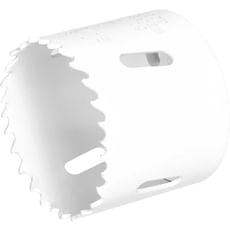
Bi-Metal Holesaws: The backbone of Stanley's drilling range, these holesaws combine durability with cutting performance across diameters from 14mm to 152mm. Popular sizes for electrical and plumbing work include 25mm, 32mm, 54mm and 65mm variants, all featuring hardened HSS teeth for extended service life.
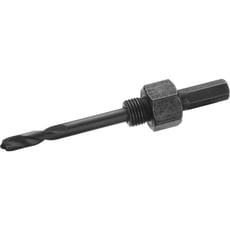
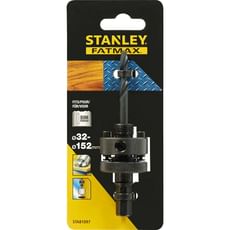
Holesaw Sets: Stanley offers convenient multi-piece holesaw sets that provide commonly used sizes in protective cases, ideal for mobile tradespeople who need comprehensive coverage without carrying individual holesaws. These sets typically include arbors and pilot bits for immediate use.
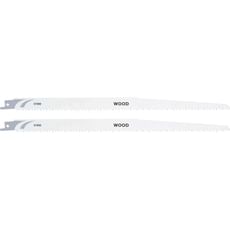
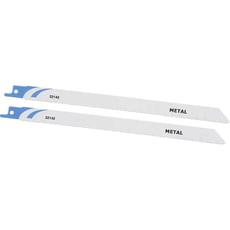
Reciprocating Saw Blades: Available in multiple lengths and tooth configurations, Stanley's recip saw blades handle demolition, pruning and general cutting tasks. Heavy-duty variants feature thicker blade bodies for straight cuts in demanding materials, whilst flexible blades excel at flush-cutting applications.
Multi-Purpose Holesaws: Stanley's multi-material holesaws tackle wood, plastic, plasterboard and thin metals with a single blade, reducing the number of specialised tools required on site and simplifying blade selection for varied applications.
Safety and Compliance
All Stanley saw blades and holesaws meet relevant UK and European safety standards, including conformity with BS EN specifications for cutting tools. When using Stanley cutting products, always wear appropriate personal protective equipment including safety glasses to protect against flying debris, and gloves to guard against sharp edges. Ensure workpieces are securely clamped before cutting to prevent movement, and never force blades through materials – allow the cutting edges to work at their designed rate.
When drilling with holesaws, be aware of potential kickback when the blade breaks through the material. Maintain firm control of power tools and position yourself to avoid injury if the tool suddenly grabs. Always disconnect power tools from their power source before changing blades or making adjustments. Inspect Stanley blades before use for damage such as missing teeth, cracks or excessive wear, and replace compromised blades immediately.
For professional users, ensure compliance with HSE guidelines regarding powered hand tools, and follow COSHH requirements when cutting materials that may produce hazardous dust. Stanley recommends using appropriate dust extraction equipment when cutting materials like treated timber, metals or manufactured boards that generate fine particulates.
Frequently Asked Questions
What materials can Stanley bi-metal holesaws cut through?
Stanley bi-metal holesaws are designed to cut wood, plywood, chipboard, MDF, plastic, plasterboard, and metals including aluminium, copper, brass, mild steel and stainless steel up to 3mm thickness. For thicker metal sections or harder materials like cast iron, use appropriate cutting speeds and lubrication to maximise blade life.
How do I choose the right Stanley reciprocating saw blade?
Select blades based on material and application. For wood demolition, choose coarse-tooth blades (5-6 TPI) for fast cutting. Metal cutting requires fine-tooth blades (14-24 TPI) with bi-metal construction. Blade length should exceed material thickness by at least 75mm. Stanley's packaging typically indicates optimal applications for each blade type.
Can I use Stanley holesaws with any power drill?
Stanley holesaws work with any drill that accepts standard arbors, but larger diameter holesaws (above 32mm) require substantial torque and are best used with 750W+ corded drills or high-capacity cordless models. Smaller holesaws suit standard combi drills. Always ensure your drill has sufficient power and use the side handle for larger holesaws to maintain control.
How can I extend the life of my Stanley saw blades and holesaws?
Use appropriate cutting speeds – slower speeds for metal, faster for wood. Apply cutting lubricant when drilling metal to reduce heat and friction. Avoid forcing blades through materials; let the teeth do the work. Clear chips regularly from holesaw gullets during deep cuts. Store blades in protective cases to prevent tooth damage, and clean blades after use to remove resin and debris.
Are Stanley holesaws suitable for ceramic tiles or masonry?
Standard Stanley bi-metal holesaws are not designed for ceramic tiles, porcelain or masonry materials. These applications require specialised diamond-grit or tungsten carbide holesaws. Using bi-metal holesaws on these hard, abrasive materials will rapidly destroy the cutting teeth. Stanley's range includes purpose-designed solutions for these demanding applications available from Tooled-Up.