

Chainsaws & Accessories
Pay in 3 interest-free payments on purchases from £30-2000 with  . Learn more.
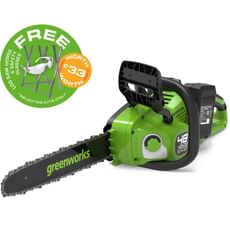
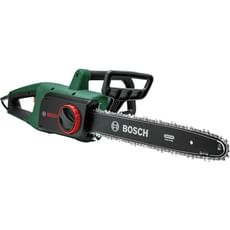
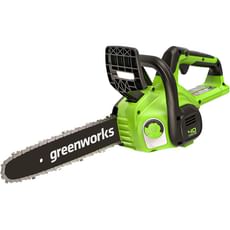
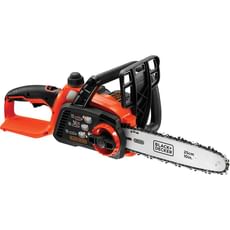
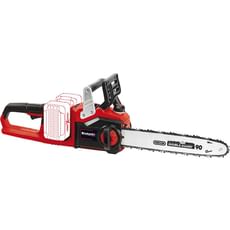
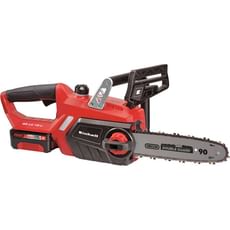
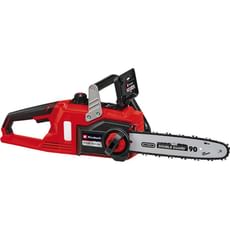
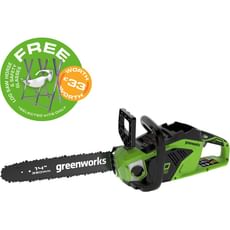
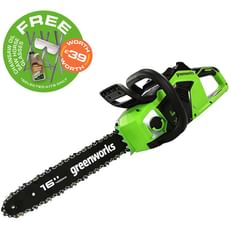
Einhell Professional GE-LC 36/35 Li 36v Cordless Brushless Chainsaw 350mm
in stock
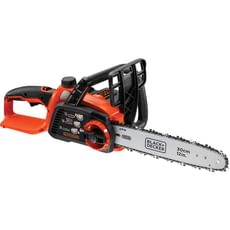
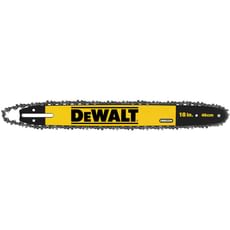
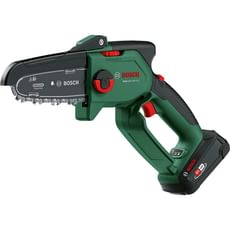
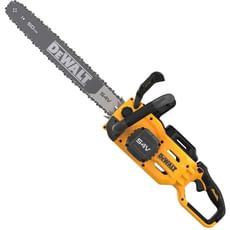
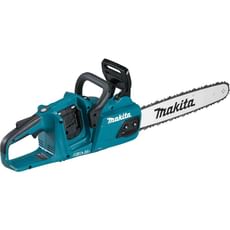
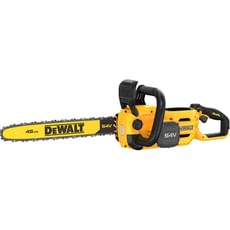
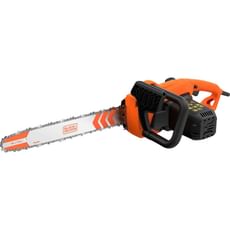
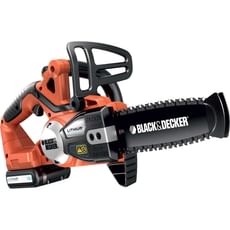
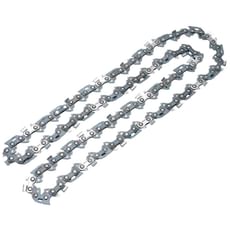
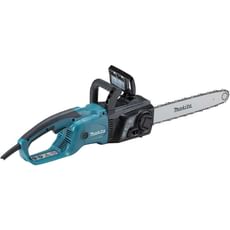

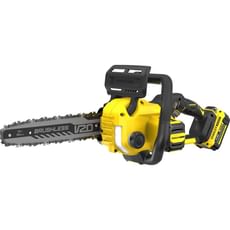
 Loading...
End of content
Error - No more pages to load
About Chainsaws & Accessories
Whether you're a professional arborist, forestry worker, or countryside property owner, having the right chainsaw and accessories is essential for safe and efficient cutting work. Tooled-Up.com stocks a comprehensive range of chainsaws and accessories including petrol and electric chainsaws, cordless battery-powered models, replacement chains, guide bars, specialist oils, and sharpening equipment. The selection features trusted brands including Makita, DeWalt, Bosch, and Einhell, ensuring access to professional-quality equipment that meets the demanding requirements of UK trade professionals and serious DIY enthusiasts.
Chainsaws are powerful tools designed for felling trees, cutting logs, pruning branches, and processing timber. Modern chainsaws come in various power configurations including petrol-powered models for heavy-duty site work and remote locations, corded electric versions offering consistent 240v power for domestic use, and cordless battery-powered options providing portability without emissions. Each type has its place, and choosing the right chainsaw depends on the scale of work, access to power sources, and whether you're working in noise-sensitive areas or sites with emissions restrictions.
Maintaining your chainsaw with proper accessories is crucial for performance, safety, and longevity. Regular chain sharpening, correct lubrication with quality chainsaw oil, and replacing worn bars and chains ensures equipment operates safely and efficiently. The range of chainsaw accessories available from Tooled-Up provides everything needed to keep equipment in peak condition, reducing downtime and ensuring compliance with HSE guidelines for workplace equipment maintenance.
Jargon Buster
- Guide Bar
- The elongated metal arm around which the chainsaw chain travels. Available in various lengths typically from 300mm to 500mm, with longer bars for felling larger trees and shorter bars for pruning and precision work.
- Chain Pitch
- The distance between drive links on the chain, measured in inches. Common pitches include 1/4", .325", 3/8", and .404". The pitch must match both the guide bar and drive sprocket for proper operation.
- Chain Gauge
- The thickness of the drive links that fit into the guide bar groove, typically measured in millimetres or inches (1.3mm, 1.5mm, 1.6mm). Using the correct gauge ensures the chain fits securely in the bar.
- Kickback
- A dangerous reaction that occurs when the nose or tip of the guide bar touches an object, causing the chainsaw to suddenly jerk backwards towards the operator. Modern chainsaws feature chain brakes and low-kickback chains to minimise this risk.
- Bar Oil
- Specialist lubricating oil designed to reduce friction between the chain and guide bar. Chainsaw bar oil has high adhesion properties to stay on the chain during high-speed rotation, preventing premature wear and overheating.
- Drive Links
- The teeth on the bottom of the chain that fit into the guide bar groove and engage with the drive sprocket. The number of drive links determines the chain length for a specific bar size.
Who Uses Chainsaws & Accessories?
Chainsaws and their associated accessories are essential equipment for a diverse range of professionals and users:
- Arborists and tree surgeons - for felling, pruning, and removing trees safely
- Forestry workers - processing timber and managing woodland
- Groundskeepers and gardeners - maintaining parks, estates, and large gardens
- Landscape contractors - site clearance and preparing ground for landscaping projects
- Farmers and agricultural workers - hedge maintenance, fallen tree removal, and firewood preparation
- Local authority maintenance teams - managing public spaces, parks, and roadside vegetation
- Property maintenance companies - routine grounds maintenance and storm damage clearance
- Countryside property owners - managing woodland, preparing firewood, and general land maintenance
- DIY enthusiasts - home garden maintenance, log cutting, and woodworking projects
How to Choose the Right Chainsaws & Accessories
Selecting the appropriate chainsaw and accessories requires careful consideration of several key factors:
Power Source: Petrol chainsaws offer maximum power and portability for professional forestry work and remote locations. Electric corded models provide consistent 240v power for domestic use near power sources, whilst cordless battery chainsaws from Makita, DeWalt, and Milwaukee offer emission-free operation ideal for noise-sensitive residential areas and meet increasingly stringent site regulations.
Bar Length: Choose a guide bar length appropriate to your typical cutting tasks. Bars of 300-350mm suit pruning and light cutting work, 400-450mm handles most general purpose tasks including medium tree felling, whilst 500mm and above is reserved for professional forestry and large tree work. Remember that longer bars require more power and are heavier to manoeuvre.
Chain Type: Standard cutting chains suit most applications, whilst low-kickback chains offer enhanced safety features particularly important for less experienced users. Consider semi-chisel chains for general use and durability, or full-chisel chains for professional applications requiring the fastest cutting performance in clean softwood.
Safety Features: Look for chainsaws with chain brakes, anti-vibration systems, and throttle locks. These features are essential for operator safety and reducing fatigue during extended use, ensuring compliance with HSE requirements for workplace equipment.
Maintenance Requirements: Consider the availability and cost of replacement chains, bars, and other consumables. Tool-free chain tensioning systems simplify maintenance, whilst automatic chain oiling systems ensure proper lubrication. Keep spare chains sharpened and ready to maintain productivity on site.
Popular Accessories
- Replacement chainsaw chains - keep spare chains sharpened for quick changeovers and continuous productivity
- Guide bars - replace worn bars or change lengths for different applications
- Chainsaw bar oil - essential lubricant to prevent chain and bar wear, available in various viscosities for different conditions
- Chain sharpeners - manual files, electric, and bench-mounted sharpening systems to maintain cutting performance
- Depth gauge tools - ensure correct depth gauge settings for optimal cutting performance and safety
- Protective chainsaw trousers and chaps - PPE with protective fibres that jam the chain in case of contact
- Safety helmets with visor and ear defenders - integrated head, face, and hearing protection meeting EN standards
- Kevlar gloves - cut-resistant hand protection for chainsaw operation
- Fuel containers - approved jerry cans for safe petrol and two-stroke mixture storage and transportation
- Carry cases - protect your investment and safely transport chainsaws to different work sites
Safety Information
Chainsaws are amongst the most dangerous power tools and require proper training and safety precautions. All operators should receive appropriate training in safe chainsaw use, ideally through accredited courses meeting HSE standards. Never operate a chainsaw without proper instruction, and always follow manufacturer guidelines.
Personal protective equipment is essential and non-negotiable. Always wear approved chainsaw protective trousers or chaps, safety boots with steel toecaps and chainsaw protection, a safety helmet with integrated visor and ear defenders, and cut-resistant gloves. Standard workwear offers no protection against chainsaw contact.
Before starting work, inspect your chainsaw for damage, ensure the chain is properly tensioned and sharpened, and verify that safety features including the chain brake function correctly. Work in a clear area with secure footing, maintain awareness of your surroundings, and never work alone in remote locations. Keep bystanders at least two tree-lengths away from felling operations.
Regular maintenance is crucial for safe operation. Clean the guide bar groove, check chain tension regularly during use, and ensure adequate bar oil supply. A poorly maintained chainsaw is dangerous and inefficient. Follow the manufacturer's maintenance schedule and replace worn components promptly. Store fuel safely in approved containers away from heat sources and living spaces.
Frequently Asked Questions
How often should I sharpen my chainsaw chain?
Sharpen your chain whenever you notice reduced cutting performance, the chainsaw producing dust rather than chips, or when you need to apply pressure to make cuts. Professional users often sharpen chains several times daily during intensive work. It's good practice to sharpen after every two to three fuel tanks or whenever the chain contacts soil, which rapidly dulls the cutters.
What's the difference between petrol and battery chainsaws?
Petrol chainsaws offer maximum power and runtime without requiring electrical infrastructure, making them ideal for professional forestry work and remote locations. Battery chainsaws from Makita, DeWalt, and Milwaukee provide emission-free, quieter operation perfect for residential areas and sites with emissions restrictions. Modern high-voltage battery platforms (36V-54V) deliver impressive power approaching petrol performance for most general applications.
Can I use vegetable oil instead of proper chainsaw bar oil?
Whilst vegetable oil can technically lubricate a chain, it's not recommended. Purpose-designed bar oil contains tackifiers that make it adhere to the chain during high-speed rotation, preventing it from being flung off. It also includes anti-wear additives and performs across a wider temperature range. Using inappropriate lubricants leads to accelerated wear, potential damage, and may void your warranty.
What size chainsaw do I need for cutting firewood?
For cutting firewood from logs up to 300mm diameter, a chainsaw with a 400mm (16-inch) guide bar is ideal for most users. This size provides a good balance of manoeuvrability and cutting capacity. Electric or battery models are sufficient for processing pre-cut logs, whilst a petrol chainsaw offers more flexibility if you're also felling trees or cutting larger diameter timber.
Do I need training to use a chainsaw professionally?
Yes, if you're using a chainsaw as part of your work, you must receive appropriate training. The HSE recommends certification through schemes such as NPTC (National Proficiency Tests Council) or Lantra Awards. Different certificates cover various aspects including basic chainsaw maintenance and cross-cutting, felling small trees, and using chainsaws from ladders or ropes. Many clients and insurance companies require proof of certification before allowing chainsaw work on their sites.