

Chainsaws
Pay in 3 interest-free payments on purchases from £30-2000 with  . Learn more.

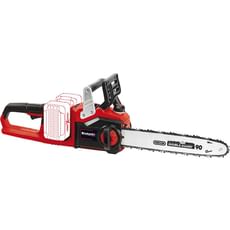
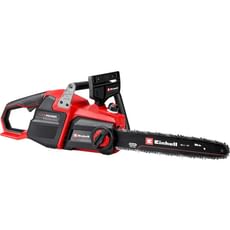
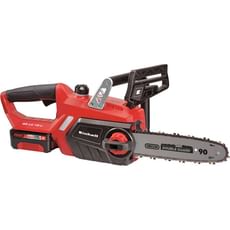
Einhell Professional GE-LC 36/35 Li 36v Cordless Brushless Chainsaw 350mm
in stock
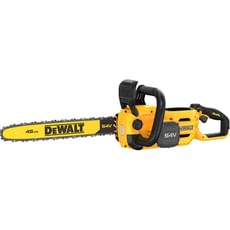
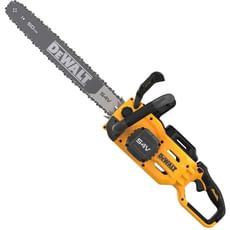
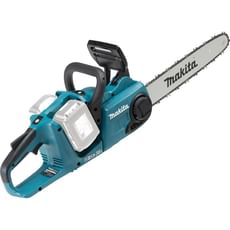
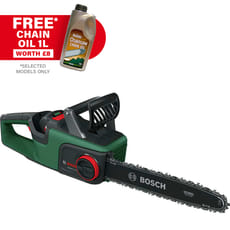
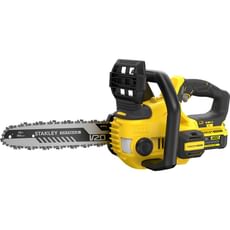
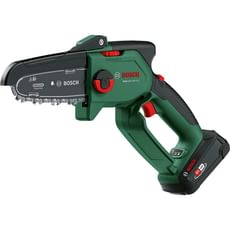
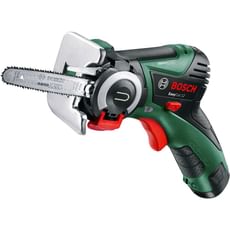

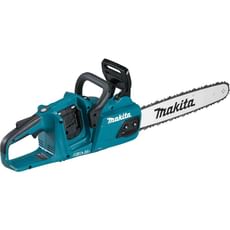
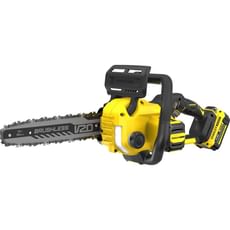
Einhell Professional GP-LC 36/40 Li BL 36v Cordless Brushless Chainsaw 400mm
in stock
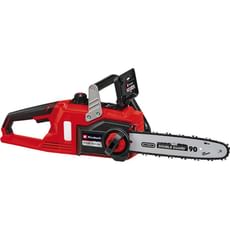
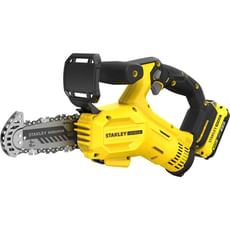
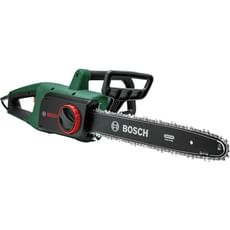
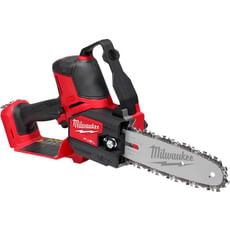
Milwaukee M18 FHS20 Fuel 18v Cordless Brushless Hatchet Pruning Saw 200mm
in stock
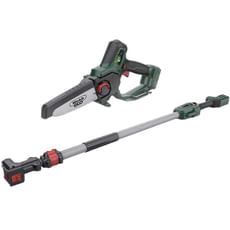
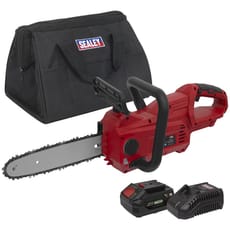
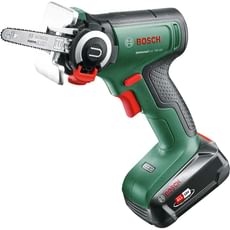
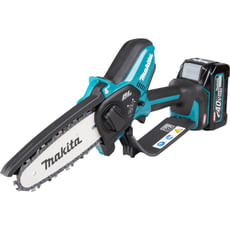

 Loading...
End of content
Error - No more pages to load
About Chainsaws
Chainsaws are powerful cutting tools designed to make light work of demanding tree surgery, forestry work, and garden maintenance tasks. Whether felling large trees, pruning branches, sectioning timber, or preparing firewood, these versatile machines deliver the speed and efficiency that hand saws simply cannot match. The chainsaw consists of a motorised engine or motor that drives a rotating chain fitted with cutting teeth around a guide bar, creating a continuous cutting action that slices through wood with remarkable ease.
Modern chainsaws are available in three main power configurations, each suited to different applications and user requirements. Petrol chainsaws remain the preferred choice for professional forestry workers and arborists tackling heavy-duty tasks, offering superior power and unrestricted mobility for remote site work. Corded electric chainsaws provide a cleaner, quieter alternative for domestic users working close to 240v mains power, ideal for garden maintenance and smaller pruning jobs. Battery-powered cordless chainsaws have advanced significantly in recent years, with lithium-ion technology delivering impressive cutting performance combined with excellent portability and instant start convenience.
The chainsaw category at Tooled-Up.com includes models from leading manufacturers such as Makita, DeWalt, Bosch, Einhell, and Greenworks, with guide bar lengths typically ranging from 150mm for compact pruning saws up to 500mm for professional forestry applications. Understanding the differences between petrol, electric, and cordless models is essential when selecting the right tool for your specific cutting requirements and working environment.
Jargon Buster
- Guide Bar - The elongated metal blade around which the cutting chain rotates. Guide bar length (measured in millimetres) determines the maximum cutting capacity of the chainsaw.
- Chain Pitch - The distance between drive links on the chain, typically measured in inches (such as 3/8" or .325"). The pitch must match both the guide bar and drive sprocket for safe operation.
- Chain Tension - The tightness of the cutting chain around the guide bar. Proper chain tension is critical for cutting performance and safety, with many modern chainsaws featuring tool-free tensioning systems for quick adjustments.
- Kickback - A dangerous reaction that can occur when the nose or tip of the guide bar contacts an object, causing the chainsaw to suddenly jerk backwards towards the operator. Modern chainsaws include kickback brakes and reduced-kickback chains as safety features.
- Bar Oil - Specialised lubricating oil that flows automatically onto the guide bar and chain during operation to reduce friction and prevent premature wear. Chainsaws feature dedicated oil reservoirs that require regular refilling.
- cc Rating - Engine displacement measured in cubic centimetres for petrol chainsaws, indicating power output. Larger cc ratings generally deliver more cutting power for demanding applications.
Who Uses Chainsaws?
- Tree Surgeons and Arborists - Professional specialists performing tree felling, crown reduction, and surgical pruning work
- Forestry Workers - Loggers and woodland management professionals harvesting timber and managing forest resources
- Groundskeepers and Landscapers - Maintaining parks, estates, golf courses, and commercial landscapes
- Farmers and Estate Managers - Managing hedgerows, clearing land, and maintaining rural properties
- Local Authority Workers - Council workers maintaining public spaces, parks, and roadside trees
- Builders and Tradesmen - Construction professionals requiring timber cutting and site clearance capabilities
- DIY Enthusiasts and Homeowners - Gardeners maintaining their own properties, preparing firewood, and undertaking seasonal pruning tasks
- Utility Companies - Maintaining clear access to power lines, pipelines, and infrastructure corridors
How to Choose the Right Chainsaws
Power Source Selection: Consider your working environment and typical tasks. Petrol chainsaws offer maximum power and unlimited runtime for professional forestry work but require fuel storage and regular maintenance. Corded electric models suit domestic users with access to 240v power sockets, offering instant starts and lower maintenance. Cordless chainsaws provide excellent mobility without fuel concerns, though battery runtime limits continuous use.
Guide Bar Length: Match the guide bar to your typical cutting diameter. Compact 150-250mm bars suit light pruning and small branches. Medium 300-400mm bars handle general garden maintenance and moderate tree work. Professional 450-500mm bars are designed for serious forestry applications and large tree felling.
Power Rating: For petrol models, consider engine displacement (cc rating) - higher values deliver more cutting power. Electric chainsaws typically range from 1800-2400 watts, whilst cordless models operate at 18v, 36v, or 54v, with higher voltages delivering superior cutting performance.
Safety Features: Look for chain brakes that stop the chain instantly during kickback events, chain catchers to prevent injury if the chain derails, anti-vibration systems for operator comfort, and throttle locks to prevent accidental starts.
Weight and Handling: Consider the tool weight, particularly for overhead pruning work or extended use. Lighter cordless and electric models reduce operator fatigue compared to heavier petrol machines.
Maintenance Requirements: Petrol chainsaws demand regular engine maintenance, fuel mixing, and seasonal storage preparation. Electric and cordless models require minimal maintenance beyond chain sharpening and bar oil replenishment.
Popular Accessories
- Replacement Chains - Spare cutting chains matched to your chainsaw's pitch and gauge specifications
- Guide Bars - Replacement or alternative length bars for different cutting applications
- Chain Sharpening Kits - Files, guides, and sharpening tools to maintain optimal cutting performance
- Bar and Chain Oil - Essential lubricating oil to reduce friction and extend component life
- Fuel Containers - Approved petrol cans for safe fuel storage and transport
- Carrying Cases - Protective storage solutions for safe transportation
- Spare Batteries and Chargers - Additional power packs for extended cordless runtime
- Chain Tension Tools - Scrench (combination screwdriver/spanner) for chain adjustment
- Felling Wedges - Plastic or aluminium wedges to control tree fall direction
Safety Information
Chainsaws are classified as high-risk power tools and demand strict safety protocols during operation. The HSE requires proper training and protective equipment for all professional chainsaw users, with specific qualifications necessary for tree work and forestry applications.
Essential PPE requirements include: chainsaw safety boots or wellingtons with steel toecaps and cut-resistant protection, chainsaw trousers or chaps incorporating multiple layers of protective fibres that jam the chain upon contact, cut-resistant gloves, safety helmet with integrated visor and ear defenders, and high-visibility clothing for site work.
Operational Safety: Always maintain proper footing and balance whilst cutting. Never operate chainsaws above shoulder height without appropriate training. Keep bystanders at least two tree-lengths away from felling operations. Inspect the chain tension, chain sharpness, and bar oil levels before each use. Never attempt to catch a falling chainsaw - step clear and allow it to fall safely.
Kickback Prevention: Understand kickback danger zones and avoid contact between the guide bar nose and any object. Use chainsaws equipped with chain brakes and low-kickback chains. Maintain a firm two-handed grip with thumbs wrapped around handles during all cutting operations.
Electrical Safety: When using 240v corded chainsaws, always connect through an RCD (residual current device) to protect against electric shock. Keep extension leads clear of the cutting area and inspect regularly for damage. Never use electric chainsaws in wet conditions or during rainfall.
Frequently Asked Questions
What size chainsaw do I need for typical garden maintenance?
For general domestic use including pruning branches up to 200mm diameter and cutting firewood, a cordless or electric chainsaw with a 300-350mm guide bar provides excellent versatility. This size handles most common garden tasks whilst remaining manageable for occasional users. The range available from Tooled-Up includes numerous models in this category from Makita, Bosch, and Einhell suitable for homeowners.
How often should I sharpen my chainsaw chain?
Chain sharpness dramatically affects cutting performance and safety. Sharpen the chain whenever you notice reduced cutting speed, the saw producing fine sawdust instead of chip-like shavings, or the chainsaw pulling to one side during cuts. Professional users typically sharpen chains after 2-3 hours of cutting, though frequency depends on wood type and ground contact. Many users maintain several chains, rotating sharp chains whilst sharpening dulled ones.
Can I use any bar oil in my chainsaw?
Always use proper chainsaw bar and chain oil specifically formulated for this application. These oils feature tackiness additives that help them adhere to the fast-moving chain rather than flinging off immediately. Using substitute oils like engine oil or vegetable oil provides inadequate lubrication, leading to premature wear, overheating, and potential chain or bar failure. Bar oil is inexpensive compared to replacement components.
Do I need certification to use a chainsaw professionally?
Professional chainsaw operators in the UK typically require appropriate City & Guilds NPTC (National Proficiency Tests Council) certification relevant to their specific work activities. CS30 covers basic chainsaw maintenance and cross-cutting, CS31 addresses felling small trees, and CS38 covers aerial tree work from ropes and harnesses. Many employers and insurance providers mandate proper certification, and the HSE expects demonstrable competence for commercial chainsaw use.
What's the difference between Nanoblade and traditional chainsaws?
Nanoblade technology, featured in several Bosch models, uses a miniature chain running at exceptionally high speed on a compact guide bar, creating a cutting action more similar to a reciprocating saw. These tools excel at precision cuts in wood, plastic, and lightweight materials, offering excellent control for detailed work. Traditional chainsaws with standard chains and longer bars deliver superior performance for larger timber, tree felling, and heavy-duty forestry applications where aggressive cutting speed matters most.