

Disc Sanders

Pay in 3 interest-free payments on purchases from £20-£3000 with  . Learn more.
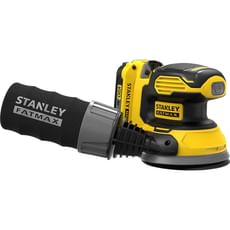
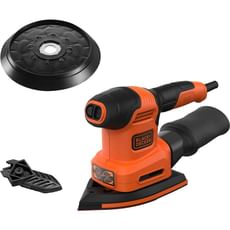
Stanley Fatmax V20 SFMCW220 18v Cordless Random Orbit Disc Sander 125mm
in stock
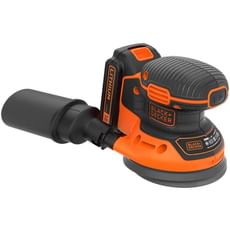
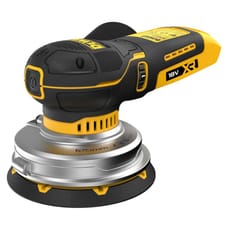
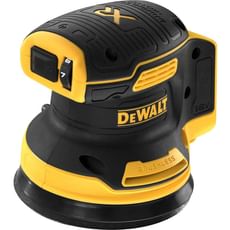
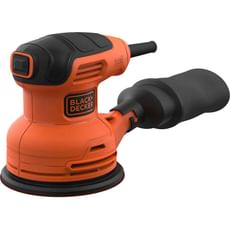
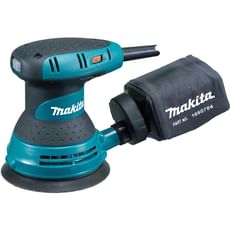
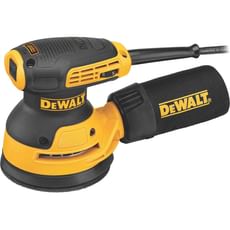
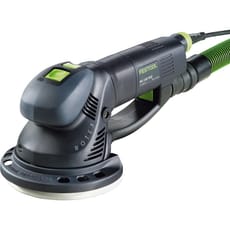
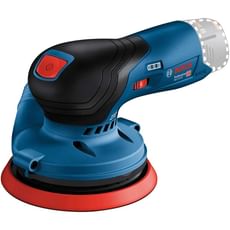
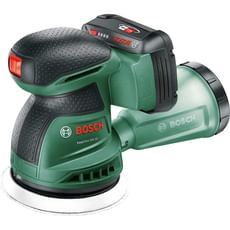
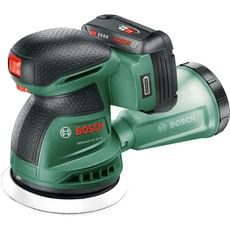
Bosch GEX 12V-125 12v Cordless Brushless Random Orbital Disc Sander 125mm
in stock
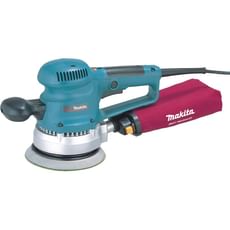
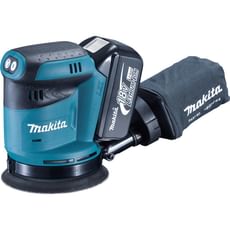
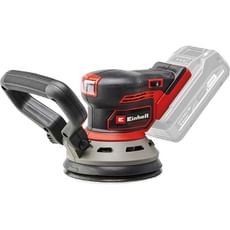
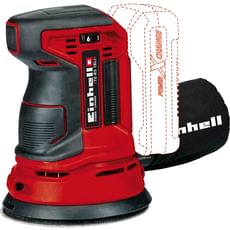
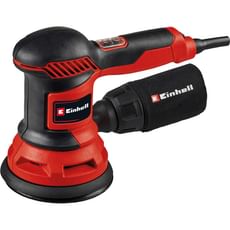
Einhell Professional TP-RS 18/32 Li BL 18v Cordless Brushless Disc Sander 125mm
in stock
 Loading...
End of content
Error - No more pages to load
About Disc Sanders
Disc sanders are indispensable power tools for achieving professional-quality surface finishes across wood, metal, plastics, and composite materials. Characterised by their circular abrasive discs that rotate at high speed, these versatile machines excel at material removal, surface preparation, and fine finishing work. The most prevalent types include random orbital sanders, which deliver swirl-free finishes perfect for woodworking projects, and standard orbital disc sanders for more aggressive stock removal. Tooled-Up.com stocks a comprehensive range of disc sanders from leading manufacturers including Festool, Bosch Professional, Makita, and DeWalt, catering to both professional tradespeople and serious DIY enthusiasts.
Available in corded 240v mains-powered configurations and cordless battery-operated models (typically 12v and 18v platforms), disc sanders are classified by their sanding disc diameter. The 125mm size represents the most popular choice for general-purpose applications, offering excellent manoeuvrability and control, whilst 150mm models provide faster coverage for larger surface areas. Compact spot repair sanders with 32mm to 77mm discs excel in confined spaces and detailed work. Modern disc sanders feature hook and loop (Velcro-style) fastening systems that enable rapid, tool-free disc changes, significantly reducing downtime on site or in the workshop.
Contemporary disc sanders incorporate advanced features that enhance both performance and user experience. Brushless motor technology delivers extended runtime on cordless models alongside improved efficiency and longevity. Variable speed control allows operators to match sanding speeds to specific materials and applications, whilst integrated dust extraction systems connected to workshop vacuums maintain cleaner, healthier working environments and ensure compliance with HSE regulations. Whether preparing timber for finishing, smoothing filler on plasterwork, removing paint from metalwork, or achieving mirror-smooth surfaces on furniture projects, the selection at Tooled-Up includes disc sanders engineered for every conceivable task.
Jargon Buster
- Random Orbital Action: A sophisticated sanding motion combining rotation with an eccentric (off-centre) orbit that prevents swirl marks and circular scratch patterns. This dual-action movement creates a random scratch pattern virtually invisible to the eye, making it the preferred choice for fine woodworking and surfaces destined for clear finishes or paint.
- Hook and Loop Fastening: A Velcro-style attachment system enabling quick, tool-free changing of sanding discs. Simply peel off the worn disc and press on a fresh one, saving considerable time during multi-stage sanding projects and eliminating the need for spanners or Allen keys.
- Brushless Motor: Modern motor technology that eliminates carbon brushes, resulting in significantly longer tool life, improved energy efficiency, extended battery runtime on cordless platforms, reduced maintenance requirements, and more compact tool designs due to enhanced power-to-weight ratios.
- Stroke Rate (OPM): Orbits Per Minute – the measurement indicating how many orbital cycles the sanding pad completes in 60 seconds. Higher OPM values generally mean faster material removal but may require greater operator skill for achieving fine finishes. Variable speed models allow adjustment between aggressive cutting and delicate finishing.
- Through-Pad Extraction: Dust extraction holes that pass directly through both the sanding pad and abrasive disc, capturing dust at its source for maximum extraction efficiency. Far more effective than peripheral extraction systems, through-pad technology is essential for compliance with workplace exposure limits for respirable wood dust.
- Eccentric Sander: Another term for a random orbital sander, referring to the off-centre mounting of the sanding pad which creates the characteristic orbital action. The eccentric offset typically ranges from 2.5mm to 5mm, with larger offsets providing more aggressive material removal.
Who Uses Disc Sanders?
Disc sanders are essential equipment across numerous trades and applications:
- Carpenters and Joiners: For smoothing timber components, achieving flush joints on cabinetry, preparing surfaces for finishing, and refining furniture assemblies
- Decorators and Painters: Essential for surface preparation, keying existing painted finishes, smoothing filler on walls and woodwork, and achieving perfectly flat surfaces before redecoration
- Kitchen and Bathroom Fitters: For on-site adjustments to timber and composite panels, finishing worktop edges, and preparing surfaces for adhesive bonding or sealing
- Floor Layers and Refinishers: Larger disc sanders help prepare existing timber floors and achieve smooth, level finishes on newly installed flooring before sealing
- Restoration Specialists: Invaluable for sympathetically removing old finishes from period features, preparing antique furniture for refinishing, and preserving historic joinery
- Metal Fabricators and Welders: Using more aggressive disc sanders to remove rust and mill scale, smooth weld seams, and prepare metal surfaces for coating or powder coating
- Automotive Body Shops: For preparing panels before painting, removing existing finishes, feathering repair edges, and achieving perfectly smooth bodywork surfaces
- Plasterers and Drywall Installers: Specialised wall and ceiling disc sanders make light work of smoothing large plasterboard installations and achieving flat surfaces ready for decoration
- Boat Builders and Marine Engineers: For preparing fibreglass and composite surfaces, smoothing gelcoat repairs, and maintaining wooden deck areas
- DIY Enthusiasts: For furniture restoration projects, garden woodwork finishing, home improvement tasks, and achieving professional-quality results on domestic projects
- Model Makers and Hobbyists: Compact disc sanders provide precision finishing for detailed craft work, model construction, and small-scale projects
How to Choose the Right Disc Sanders
Power Source and Voltage
Decide between corded and cordless operation based on your typical working environment. Corded 240v models offer consistent, uninterrupted power ideal for workshop use and extended sanding sessions where material removal is paramount. They never require recharging and generally provide higher power outputs. Cordless units running on 12v or 18v lithium-ion battery platforms deliver excellent mobility for site work, construction environments, and locations where mains power isn't readily accessible. Modern battery technology provides impressive runtime, though professional users should invest in multiple batteries to maintain productivity throughout the working day.
Disc Diameter Selection
125mm disc sanders represent the most versatile choice for general-purpose applications, offering an excellent balance between coverage area, manoeuvrability, and operator control. Their lighter weight reduces fatigue during extended use and they're easier to handle on vertical surfaces and awkward angles. 150mm models remove material faster and cover larger areas more efficiently, making them preferable for substantial projects like floor sanding or large furniture pieces, though they're heavier and demand more operator strength. Compact spot repair sanders (32mm-77mm diameter) excel in confined spaces, corners, and detailed work where larger machines cannot reach.
Sanding Action Type
Random orbital sanders are the most popular choice for woodworking and general surface preparation, delivering virtually swirl-free finishes suitable for clear varnishes and fine work. Standard orbital sanders (sometimes called palm sanders) provide more aggressive material removal but may leave visible scratch patterns. Quarter-sheet orbital sanders use rectangular sandpaper and excel at getting into corners. For metalworking applications, disc/angle sanders resembling angle grinders offer aggressive material removal but typically lack dust extraction systems.
Speed Control Features
Variable speed control allows precise matching of sanding speed to different materials and project stages. Lower speeds suit delicate finishes, heat-sensitive materials like plastics, and final finishing passes where control is paramount. Higher speeds maximise material removal during initial preparation stages. This versatility proves particularly valuable for professionals working across varied materials and applications. Fixed-speed models are adequate for dedicated applications but lack this adaptability.
Dust Extraction Capabilities
Integrated dust extraction is absolutely essential for maintaining clean, safe working environments and complying with HSE regulations regarding workplace exposure limits for respirable wood dust. Look for models with efficient through-pad extraction systems where dust holes pass through both the backing pad and abrasive disc. Check compatibility with standard vacuum hose diameters (typically 27mm, 32mm, or 35mm) and your existing workshop extraction equipment. This feature is mandatory for professional use and strongly recommended for regular DIY applications, particularly when working with MDF or hardwoods which produce hazardous dust.
Build Quality and Brand Reputation
Professional-grade brands like Festool, Bosch Professional, Makita, DeWalt, and Flex offer superior durability, consistent performance, comprehensive warranty support, and readily available spare parts for daily commercial use. These tools are engineered to withstand demanding site conditions and maintain performance over thousands of hours. Mid-range options from Bosch Home and Garden, Einhell Professional, and Draper provide excellent value for frequent DIY use and light professional applications. Budget brands suit occasional home projects where usage intensity is low. Consider your anticipated usage patterns and invest accordingly – a quality professional tool will outlast several budget alternatives and maintain consistent performance throughout its life.
Ergonomics and Vibration Control
If you'll be operating the sander for extended periods, prioritise ergonomic design with comfortable rubberised grips, well-balanced weight distribution, and manageable overall mass. Vibration reduction features incorporating counterweights and damped handles help minimise hand-arm vibration syndrome (HAVS), a serious occupational health concern for professional users who must comply with the Control of Vibration at Work Regulations 2005. Check published vibration emission values and compare between models – lower values indicate better vibration control and reduced health risks during prolonged use.
Popular Accessories
- Sanding Discs: Available in grits ranging from very coarse (40-60 grit) for aggressive material removal and paint stripping, through medium grits (80-120) for general smoothing, to very fine (240-400+ grit) for final finishing before clear coatings. Stock a comprehensive range to progress through sanding stages. Premium brands like Festool, Bosch, Mirka, and Abranet offer superior cutting performance, longer life, and better dust extraction through precisely punched hole patterns.
- Backing Pads: Replacement sanding pads available in varying hardness levels – soft pads conform to contoured surfaces and curved profiles whilst hard pads maintain flat surfaces and sharp edges. Medium pads offer versatility for general use. Essential spares as pads wear over time and lose their cushioning properties.
- Dust Extraction Hoses and Adapters: Connect your sander to workshop vacuums or dedicated dust extractors for effective dust control. Anti-static hoses prevent dust clinging inside the hose. Various stepped adapters and reducers ensure compatibility between different sander outlet sizes and vacuum hose diameters.
- Dust Collection Bags: Portable dust collection solution when a vacuum system isn't available or practical for site work, though significantly less effective than direct extraction for capturing fine dust particles. Reusable bags are more economical and environmentally friendly than disposable versions.
- Additional Batteries and Chargers: For cordless models, spare batteries ensure uninterrupted workflow throughout the working day, whilst rapid chargers minimise downtime between charges. Consider investing in higher-capacity battery packs (4Ah, 5Ah, or 6Ah) for extended runtime.
- Carrying Cases and Storage: Purpose-designed cases protect your investment during transport and storage, particularly important for site work where tools face rougher handling. Systainer and stackable case systems from manufacturers like Festool, Makita MakPac, and DeWalt TSTAK offer organised storage that integrates with complete tool systems.
- Anti-Vibration Gloves: Specialised gloves with gel padding reduce vibration transmission to hands and help prevent HAVS during extended sanding sessions. Ensure gloves maintain adequate dexterity for safe tool control.
- Polishing Accessories: Foam polishing pads in various densities and polishing compounds transform your disc sander into a polishing tool for automotive paintwork, furniture finishing, or gelcoat applications. Lambswool bonnets suit final polishing stages.
- Interface Pads: Thin foam pads that sit between the backing pad and abrasive disc, providing additional cushioning for curved surfaces and reducing the risk of sanding through edges on veneered or laminated materials.
Safety Information
Safe operation of disc sanders requires strict adherence to proper working practices and appropriate personal protective equipment:
- Respiratory Protection: Always wear appropriate dust masks or respirators rated minimum FFP2 (ideally FFP3 for fine dusts) when sanding, particularly when working with MDF, treated timber, tropical hardwoods, or materials generating harmful dust. Comply with COSHH regulations regarding workplace exposure limits which are legally binding for employers and increasingly recognised as best practice for self-employed tradespeople and serious DIY users.
- Eye Protection: Safety glasses or goggles with side shields are essential to protect against flying particles and airborne dust, even when using integrated extraction systems which don't capture 100% of particles. Ensure eye protection meets BS EN 166 standards.
- Hearing Protection: Extended use of disc sanders can generate noise levels requiring hearing protection under the Control of Noise at Work Regulations 2005. Whilst generally quieter than many power tools, prolonged exposure in enclosed workshops warrants ear defenders or plugs rated to appropriate SNR values.
- Hand-Arm Vibration: Be aware of daily vibration exposure limits specified in the Control of Vibration at Work Regulations 2005. Take regular breaks during extended sanding sessions, maintain tools in good condition as worn components increase vibration levels, and keep hands warm as cold conditions exacerbate vibration effects. Employers must monitor and manage vibration exposure, providing health surveillance where necessary.
- Secure Workpieces: Always clamp or secure items being sanded to prevent movement that could cause injury, loss of control, or damage to the workpiece. Never hold small pieces in your hand whilst sanding – the tool can snatch the work and cause injuries.
- Electrical Safety: Inspect power cables regularly for damage, cuts, or exposed conductors. Use 110v tools via transformers on construction sites as required by many site safety regulations. Ensure compliance with BS 7671 wiring regulations. Never use tools with damaged cables, plugs, or casings – water ingress poses serious electrocution risks.
- Dust Extraction Connection: Connect to suitable extraction equipment whenever possible, particularly for professional use. Certain dusts including hardwoods (especially oak and beech), MDF, and materials containing silica are classified as hazardous substances under COSHH regulations with strict workplace exposure limits. Failure to control dust exposure can result in serious respiratory diseases including occupational asthma and nasal cancer.
- Fire Prevention: When sanding metal or previously painted surfaces that may contain metal particles, sparks can ignite accumulated sawdust or other combustible materials. Maintain a clean working area, never use dust extraction when working with metals due to spark risks, and keep appropriate fire extinguishers accessible. Empty dust extraction bags or vacuum drums regularly.
- Clothing and Jewellery: Avoid loose clothing, ties, or jewellery that could become entangled in the rotating sanding disc. Tie back long hair securely. Wear close-fitting work gloves if desired, ensuring they don't compromise grip or control.
- Read the Manual: Always familiarise yourself with manufacturer's instructions, safety warnings, and specific guidance for your model before first use. Different models have varying features, controls, and maintenance requirements that affect safe operation.
Frequently Asked Questions
What's the difference between an orbital sander and a random orbital sander?
A standard orbital sander (also called a sheet sander or palm sander) uses square or rectangular sandpaper and moves in a simple circular orbit in a fixed pattern, which can leave visible swirl marks on the finished surface, particularly noticeable under angled light or clear finishes. A random orbital sander uses circular discs and combines rotational movement with an eccentric (off-centre) orbit, producing a random scratch pattern that's virtually invisible to the naked eye. Random orbital sanders are generally preferred for fine woodworking, furniture making, and any finishing applications where surface quality is paramount. Orbital sanders are better suited to aggressive material removal and rough preparation where subsequent finish will hide minor scratching.
Can I use the same disc sander for both wood and metal?
Whilst technically possible, it's strongly discouraged to use the same machine for both applications without precautions. Wood dust contaminating metalwork can cause finishing problems, whilst metal particles embedded in the sanding pad will scratch subsequent wood projects. More critically, dust extraction systems must never be used when sanding metal due to spark generation and serious fire risks – sparks can ignite accumulated dust in the extraction bag or vacuum. If you regularly work with both materials, maintain dedicated machines or at minimum use separate backing pads clearly marked for each material type, and always disconnect extraction when working with metals.
What grit sandpaper should I start with for my project?
This depends entirely on your material condition and desired outcome. For heavy material removal, stripping old paint or varnish, or initial shaping work, start with coarse grits (40-80). For general smoothing of raw timber and surface preparation, begin with medium grits (100-120). For fine finishing before painting, start with 150-180 grit. For final finishing before clear varnishing or oiling, use 220-240 grit. Always work progressively through the grits in stages – jumping from very coarse (say 60 grit) directly to very fine (220 grit) will leave visible scratches from the coarser grit that finer papers cannot efficiently remove. Each grit should remove scratches from the previous grit whilst creating finer scratches of its own.
Do I really need dust extraction or can I just use the collection bag?
For health, safety, and legal compliance, proper dust extraction connected to a suitable vacuum is essential, not optional. Fabric collection bags capture only larger particles and allow fine respirable dust to escape – precisely the dangerous particles that penetrate deep into lungs causing long-term health problems. Wood dust, particularly from hardwoods and MDF, is classified as a hazardous substance under COSHH regulations and can cause serious respiratory conditions including occupational asthma, nasal cancer, and chronic obstructive pulmonary disease with prolonged exposure. Professional users are legally required to control dust exposure to below workplace exposure limits. Even for DIY use, the minimal cost and inconvenience of connecting to a vacuum cleaner far outweighs the serious health risks. Modern sanders with through-pad extraction capture 90-95% of dust when paired with suitable vacuums.
How long do sanding discs last before they need replacing?
Disc longevity varies enormously depending on multiple factors including material hardness, operator pressure, grit coarseness, and disc quality. Premium discs from brands like Festool, Bosch, Mirka, and Abranet typically outlast budget alternatives by significant margins – often 3-4 times longer – making them more economical despite higher purchase prices. As general guidance, replace discs when you notice reduced cutting performance requiring increased pressure, excessive clogging despite cleaning attempts, visible wear exposing the backing material, or torn edges. Coarser grits (40-80) typically wear faster than finer grits (180-240) as they're used for heavier material removal. Harder materials like old paint, varnish, or dense hardwoods are more demanding than softwoods. For professional use, track disc life and calculate cost per project to identify the most economical options.
Should I choose a 125mm or 150mm disc sander?
125mm disc sanders are the most versatile choice for general-purpose work, offering excellent manoeuvrability, easier control, and reduced operator fatigue during extended use. They're lighter (typically 1.2-1.8kg) making them easier to handle on vertical surfaces, overhead work, and awkward angles. The smaller diameter is less likely to accidentally sand adjacent surfaces on assembled work. Choose 125mm for furniture making, cabinetry, general joinery, and situations requiring precision control. 150mm models remove material faster and cover larger surface areas more efficiently, making them preferable for floor sanding, large panel work, boat building, and projects where speed matters more than manoeuvrability. They're heavier (typically 2-3kg) requiring more operator strength. Consider your typical projects – if working mainly on smaller items or detailed work, choose 125mm; for large flat surfaces and production work, choose 150mm.