

Garden Machinery

Pay in 3 interest-free payments on purchases from £20-£3000 with  . Learn more.
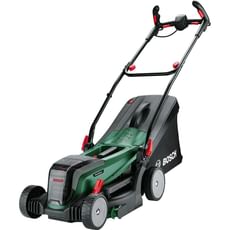
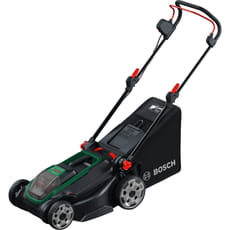
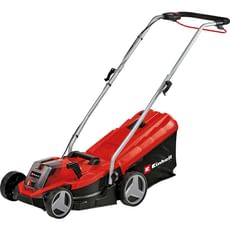
Bosch UNIVERSALROTAK 2X18V-37-550 P4A 36v Cordless Rotary Lawnmower 370mm
in stock
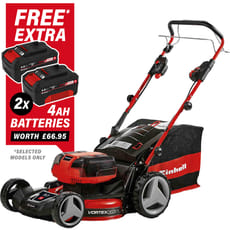
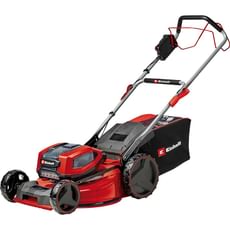
Einhell Professional GP-CM 36/47 S HW Li 36v Cordless Brushless Self Propelled Lawnmower 470mm
in stock
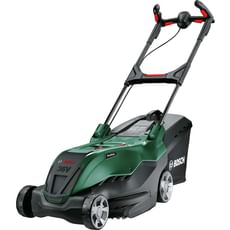
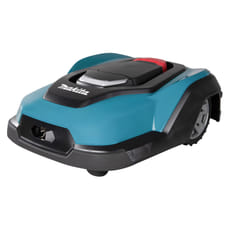
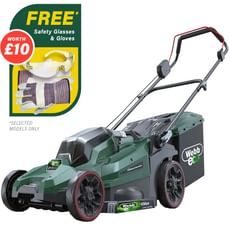
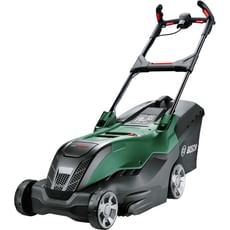
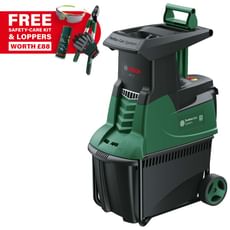

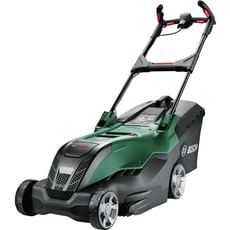
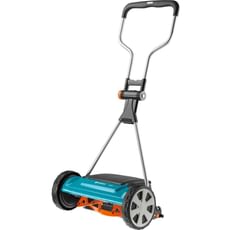
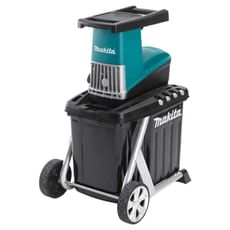
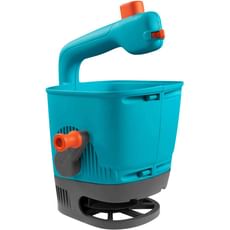
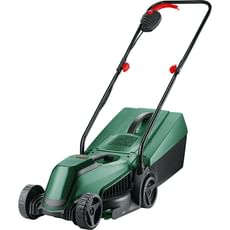
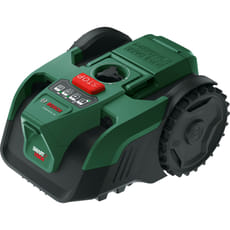
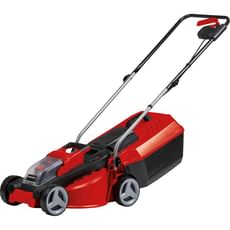
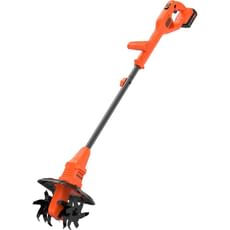
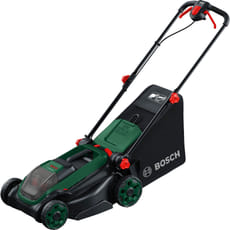
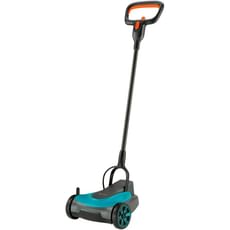
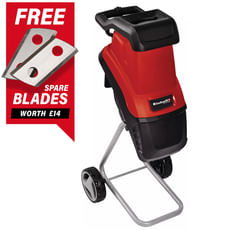
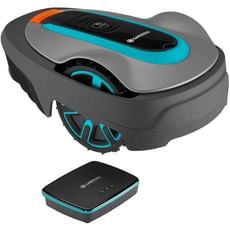
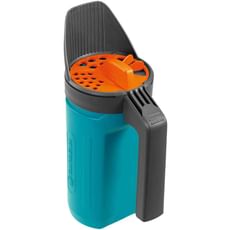
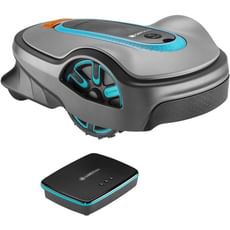
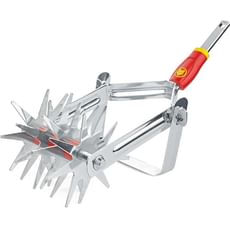
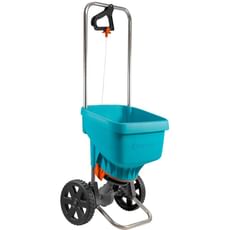
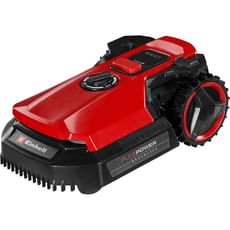
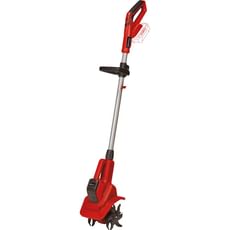
in stock
 Loading...
End of content
Error - No more pages to load
About Garden Machinery
Garden machinery encompasses the essential powered equipment that transforms outdoor maintenance from laborious manual work into efficient, professional tasks. Whether you're maintaining a compact domestic lawn, managing extensive grounds, or operating a professional landscaping business, the right machinery makes light work of everything from grass cutting and lawn renovation to waste processing and log splitting. The selection at Tooled-Up.com includes lawnmowers, scarifiers, lawn sweepers, garden shredders, log splitters, tillers, and specialist equipment like garden rollers and spreaders—all designed to deliver reliable performance throughout demanding seasonal workloads.
Modern garden machinery has evolved considerably, with innovations in electric and battery technology offering quieter, emission-free alternatives to traditional petrol models without compromising on power. Professional groundskeepers, landscape gardeners, and dedicated DIY enthusiasts can now choose from an impressive range of 240v corded, cordless battery, and petrol-powered options from trusted manufacturers including Bosch, DeWalt, Ryobi, Greenworks, and Makita. Battery platforms have become particularly popular, allowing users to share power packs across multiple garden tools for cost-effective, flexible operation.
Understanding which garden machinery suits your specific requirements depends on several factors including garden size, terrain characteristics, frequency of use, storage availability, and the particular tasks you need to accomplish. From compact electric lawn rakers perfect for small urban gardens to heavy-duty professional-grade log splitters capable of processing substantial timber volumes, selecting appropriate equipment ensures efficient maintenance and long-term value. This guide helps you navigate the options and make informed decisions about the machinery that will keep your outdoor spaces immaculate year-round.
Jargon Buster
- Scarification: The process of removing thatch, moss, and dead grass from lawns using steel blades that penetrate the soil surface. This allows water, nutrients, and oxygen to reach grass roots, promoting healthier growth and improved lawn appearance.
- Cutting Width: The measurement (typically in mm or cm) of the blade or cutting mechanism on mowers and sweepers. Wider cutting widths cover more ground per pass, reducing operating time on larger lawns but requiring more storage space and manoeuvrability.
- Mulching Function: A feature on certain mowers and shredders that finely chops grass clippings or garden waste, returning nutrients directly to the soil rather than collecting them. This eliminates disposal requirements whilst improving soil quality.
- Cylinder vs Rotary Mower: Cylinder mowers use a scissor-like cutting action with rotating blades against a fixed blade, providing precise, striped finishes ideal for formal lawns. Rotary mowers use a single horizontal blade spinning at high speed, better suited for longer grass and uneven terrain.
- Tonnage Rating: Used primarily for log splitters, this indicates the maximum splitting force (measured in tonnes) the machine can exert. Higher tonnage ratings—typically ranging from 5 to 12 tonnes—handle larger diameter logs and tougher hardwood species more effectively.
- Collection Capacity: The volume (measured in litres) of grass clippings, leaves, or waste that equipment can hold before requiring emptying. Larger capacities reduce interruptions during operation but increase weight when full.
Who Uses Garden Machinery?
Garden machinery serves a diverse range of professionals and enthusiasts who require efficient, reliable equipment for outdoor maintenance:
- Professional Landscape Gardeners: Require robust, heavy-duty equipment for daily use across multiple client sites with varying terrain and requirements
- Groundskeepers and Estate Managers: Maintain large public or private grounds, parks, sports facilities, and institutional landscapes
- Tree Surgeons and Arborists: Need log splitters and shredders for processing timber waste and creating wood chip mulch
- Agricultural Workers and Farmers: Use machinery for maintaining paddocks, orchards, farmyard areas, and rural property boundaries
- Local Authority Maintenance Teams: Responsible for public green spaces, verges, recreation grounds, and community gardens
- Garden Centre and Nursery Staff: Maintain display gardens, demonstration areas, and outdoor plant sections
- Holiday Park and Campsite Managers: Keep extensive grounds presentable and safe for visitors throughout operating seasons
- Property Maintenance Contractors: Provide comprehensive grounds care services to residential and commercial clients
- Serious DIY Enthusiasts: Homeowners with larger gardens who prefer professional-grade equipment for superior results and longevity
- Allotment Holders and Smallholders: Require tillers, shredders, and other cultivation equipment for productive growing spaces
How to Choose the Right Garden Machinery
Selecting appropriate garden machinery requires careful consideration of several key factors to ensure optimal performance and value:
Garden Size and Terrain
Measure your lawn area accurately to determine suitable cutting widths and power requirements. Compact gardens under 100 square metres work well with electric models featuring 30-35cm cutting widths, whilst larger spaces benefit from wider cutting widths (40cm+) and self-propelled options that reduce operator fatigue. Consider terrain challenges including slopes, uneven ground, obstacles, and narrow access points that may require more manoeuvrable equipment or specific wheel configurations.
Power Source Considerations
Petrol-powered machinery offers maximum power and unrestricted runtime, ideal for large areas beyond practical cable reach or properties without nearby power sources. Corded 240v electric models provide consistent power for small to medium gardens within 30-40 metres of electrical outlets. Battery-powered options from manufacturers like Milwaukee, Makita, DeWalt, and Greenworks deliver cordless convenience with continually improving runtime and power output, particularly advantageous if you already own compatible battery platforms across other tools.
Frequency and Intensity of Use
Professional users requiring daily operation need commercial-grade machinery engineered to withstand intensive use with robust construction and readily available spare parts. Weekend gardeners can often select domestic-rated equipment offering excellent value whilst still delivering reliable performance for seasonal maintenance tasks. Consider warranty coverage, manufacturer reputation, and local service centre availability when making your selection.
Storage and Transportation
Evaluate available storage space in sheds, garages, or outbuildings before purchasing larger machinery. Some models feature folding handles, compact designs, or easy disassembly to minimise storage footprint. Weight becomes particularly important if you need to lift machinery into vehicles, navigate steps, or transport equipment between multiple locations. Consider whether vertical or horizontal storage suits your space better.
Specific Task Requirements
Match machinery to your primary maintenance needs throughout the year. Spring lawn renovation may require scarifiers and spreaders for moss treatment and fertiliser application. Autumn demands leaf sweepers and shredders for waste management as deciduous trees shed foliage. Properties with mature trees or woodland areas benefit from capable log splitters for firewood preparation. Vegetable gardens and allotments require tillers for soil cultivation. Consider multi-functional equipment that handles several tasks to maximise value and reduce storage requirements.
Budget and Running Costs
Quality garden machinery from brands available at Tooled-Up represents a significant investment but delivers years of reliable service with proper maintenance. Factor in ongoing operational costs including fuel or electricity consumption, replacement blades, collection bags, filters, and periodic servicing. Electric models generally offer substantially lower running costs than petrol equivalents, whilst premium brands like Bosch, DeWalt, and Makita often provide superior longevity that justifies higher initial purchase prices.
Popular Accessories
Enhance your garden machinery performance, versatility, and longevity with these complementary products:
- Replacement Blades and Cutting Lines: Keep spares available to maintain optimal cutting performance without downtime during peak growing seasons
- Collection Bags and Boxes: Additional or replacement grass collectors for continuous operation without frequent emptying interruptions
- Extension Cables and RCD Protection: Essential safety equipment for 240v garden machinery operating outdoors, providing protection against electric shock in damp conditions
- Fuel Cans and Stabilisers: Approved petrol storage containers and fuel additives to maintain engine health during winter storage periods
- Protective Covers and Storage Solutions: Weather-resistant covers to protect equipment from moisture, UV damage, and corrosion when stored in sheds or outbuildings
- Maintenance Kits: Including lubricants, cleaning brushes, spark plugs, air filters, and other consumables for routine servicing
- Wheel Kits and Trolleys: Improve manoeuvrability on log splitters, shredders, and heavy equipment across lawns and uneven surfaces
- Battery Chargers and Spare Batteries: For cordless equipment users requiring extended runtime or faster turnaround between charging cycles
- Sharpening Tools: Files, sharpening stones, and blade balancers to maintain cutting edges without professional servicing
- Lawn Care Products: Grass seed, fertiliser spreaders, moss treatments, and aerators to complement mechanical maintenance programmes
Safety Information
Garden machinery operates at high speeds with powerful motors and sharp cutting components, requiring proper safety precautions to prevent accidents and injuries:
Personal Protective Equipment
Always wear appropriate safety goggles or full face shields to protect against flying debris, stones, and wood chips. Steel toe-capped boots provide essential foot protection against falling equipment or severed branches. Heavy-duty gardening gloves protect hands when handling equipment, changing blades, or clearing blockages. Ear defenders are recommended when operating petrol machinery or equipment producing noise levels above 85dB for extended periods. Wear long trousers and close-fitting clothing to prevent entanglement with moving parts, and avoid loose jewellery or accessories.
Operational Safety
Read and thoroughly understand the manufacturer's instructions before first use, paying particular attention to specific safety warnings and recommended operating procedures. Never bypass safety guards, remove protective covers, or disable interlock switches designed to protect operators. Always disconnect spark plugs on petrol equipment or remove batteries from cordless tools before performing maintenance, adjusting components, or clearing blockages. Keep children, pets, and bystanders at a safe distance whilst machinery operates. Exercise particular caution on slopes and wet grass where control may be compromised and slipping hazards increase.
Electrical Safety
Use residual current devices (RCD) with all 240v mains-powered garden equipment operating outdoors, providing rapid protection against electric shock in damp conditions. Regularly inspect extension cables for damage, cuts, or worn insulation, and replace compromised cables immediately. Keep cables behind you whilst working to avoid accidentally severing them with cutting blades. Ensure outdoor electrical equipment carries appropriate IP ratings for weather resistance, and never operate electrical machinery in wet conditions or during rain. Use only extension cables rated for outdoor use with adequate current capacity for your equipment.
Fuel and Storage Safety
Store petrol only in approved metal or specific plastic containers away from ignition sources, living areas, and direct sunlight. Allow engines to cool completely before refuelling, and never refuel indoors or near sparks. Wipe up spills immediately and dispose of contaminated materials safely. Drain fuel systems or add stabiliser before long-term winter storage to prevent carburetor blockages. Keep machinery in secure, dry locations protected from frost and direct weather exposure. Perform regular maintenance checks including blade condition, fixing security, guard integrity, and handle tightness before each use to identify potential hazards before operation.
Frequently Asked Questions
What's the difference between a lawn scarifier and a lawn raker?
Whilst the terms are sometimes used interchangeably, scarifiers typically feature fixed steel blades that cut into the lawn surface more aggressively, removing deep-rooted moss, thick thatch layers, and dead grass whilst creating grooves that improve drainage. Lawn rakers use spring tines for gentler surface-level dethatching and moss removal with less impact on the grass. Scarification is usually performed once or twice annually during spring or autumn, whilst raking can be done more frequently throughout the growing season without stressing the lawn. For neglected lawns with significant moss problems, scarification delivers better long-term results.
Do I need petrol or electric garden machinery?
Electric machinery (corded 240v or battery-powered) suits most domestic gardens under 400 square metres, offering lighter weight, significantly lower noise levels, zero emissions, and minimal maintenance requirements. They're ideal for residential areas with noise restrictions and gardens with accessible power sources. Petrol machinery provides greater power output, unlimited runtime independent of cables or battery capacity, and suits professional users, large rural properties, or gardens beyond practical cable reach. Modern lithium-ion battery technology from Milwaukee, Makita, DeWalt, and Bosch has significantly narrowed the performance gap, with premium systems delivering impressive power and runtime approaching petrol equivalents for most domestic applications.
When is the best time to use different types of garden machinery?
Lawnmowers see regular use throughout the growing season, typically March to October in the UK, with weekly cutting during peak summer growth. Spring (March-April) is ideal for scarifying lawns after winter dormancy and spreading fertiliser or moss treatments as grass begins active growth. Autumn (September-November) is perfect for lawn sweepers clearing falling leaves, using shredders to process annual garden waste, and final scarification before winter. Log splitters can be used year-round but prove most popular during autumn and winter for preparing seasoned firewood. Tillers work best in spring or autumn when soil moisture levels are optimal—avoid working waterlogged or completely dry soil.
How much maintenance does garden machinery require?
Maintenance requirements vary considerably by power type and usage intensity. Electric models need minimal attention beyond cleaning accumulated grass clippings after each use, periodic blade sharpening or replacement, and checking cable integrity. Petrol machinery requires more regular maintenance including engine oil changes (typically after 25-50 hours operation), air filter cleaning or replacement, spark plug inspection, and proper fuel management with stabilisers for winter storage. Most manufacturers recommend professional servicing annually for petrol equipment. Regardless of power type, always clean debris after each use, check blade sharpness regularly, inspect wheels and bearings, and store equipment properly during winter months to ensure longevity and reliable spring start-up.
Can I use garden machinery in wet conditions?
Generally, it's advisable to avoid using most garden machinery on wet grass or during damp conditions. Wet grass increases slipping hazards for operators, significantly reduces cutting effectiveness (grass tends to clump and tear rather than cut cleanly), and can cause excessive wear on motors, belts, and cutting mechanisms. Electric machinery poses additional electrocution risks in wet conditions, even with RCD protection installed. Wet conditions also place greater strain on motors and engines whilst reducing collection efficiency. If you must work in damp conditions, choose equipment with appropriate IP ratings for weather resistance, ensure all electrical connections remain dry, wear appropriate footwear with good grip, and exercise extra caution with footing and electrical safety throughout operation.