

General Cutting Bits
Pay in 3 interest-free payments on purchases from £30-2000 with  . Learn more.
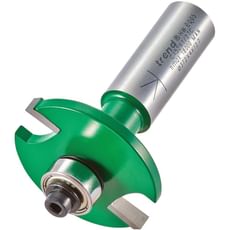
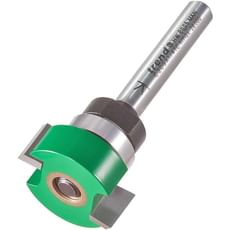
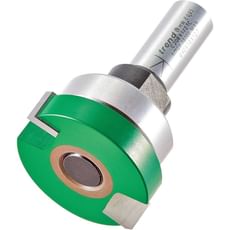
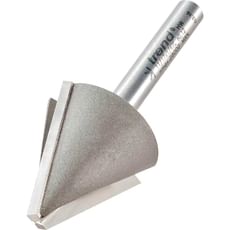
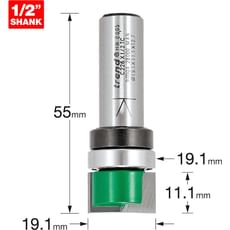
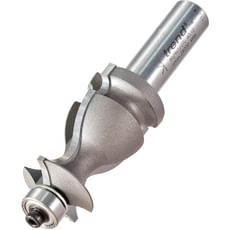
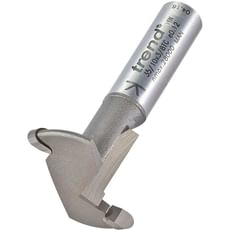
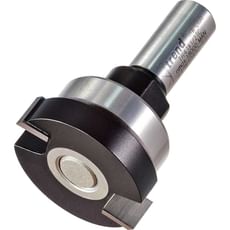
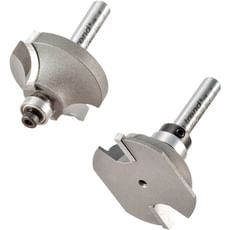
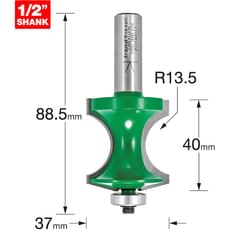
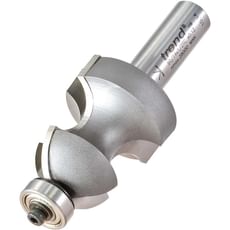
 Loading...
End of content
Error - No more pages to load
About General Cutting Bits
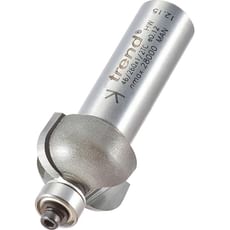
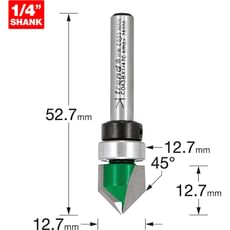
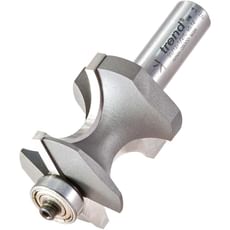
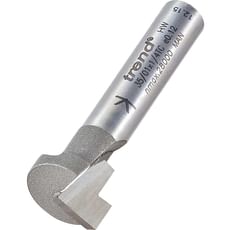
General cutting bits represent a comprehensive family of precision router cutters designed to tackle a wide variety of woodworking applications that go beyond standard edge profiling. These specialised cutting tools enable professional tradespeople and serious DIY enthusiasts to create everything from architectural mouldings and glazing bar profiles to complex joinery joints and functional recesses in timber and composite materials. Whether you're fitting intumescent fire door strips, forming undermount bowl bevels in kitchen worktops, or replicating traditional period mouldings, the general cutting bits category encompasses the specialist cutters required for these diverse tasks.
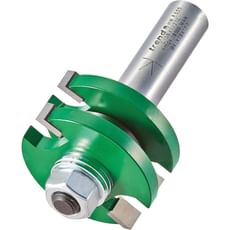
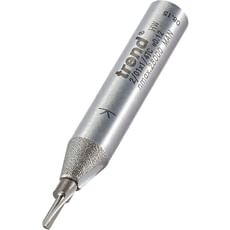
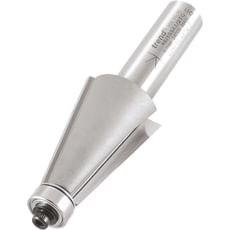
The range available from Tooled-Up.com includes bearing-guided profile cutters, bevel bits, housing cutters, variable kerf groovers, butterfly spline jointers, and numerous other specialised designs. Many feature bearing guidance systems that follow templates or existing edges with exceptional accuracy, making them ideal for freehand routing operations. Non-bearing variants work perfectly with router tables and fence systems for groove cutting and jointing applications. Available predominantly with 8mm (1/4 inch) and 12.7mm (1/2 inch) shank diameters, these tungsten carbide tipped (TCT) cutters deliver clean cuts and extended tool life even when working with abrasive materials like MDF and chipboard.
Trend dominates this category with an extensive selection of professionally engineered router cutters manufactured to exacting standards. From standard architrave and skirting profiles to specialist quad groovers and variable adjustment systems, these precision tools are essential equipment for joiners, kitchen fitters, shopfitters, cabinet makers, and fire door installers who demand consistent, repeatable results across diverse woodworking applications.
Jargon Buster
- Bearing Guided - A router cutter fitted with a ball-bearing pilot (positioned at either the tip or shank) that runs along the workpiece edge or template, controlling cutting depth automatically and ensuring consistent profile reproduction without requiring a fence or guide system.
- TCT (Tungsten Carbide Tipped) - Router bits featuring cutting edges manufactured from extremely hard tungsten carbide material, brazed onto a steel body. TCT cutters maintain sharpness significantly longer than high-speed steel alternatives and are essential for cutting abrasive man-made boards like MDF, chipboard, and laminated materials.
- Shank Diameter - The diameter of the router bit shaft that fits into the router collet, typically 8mm (1/4 inch) or 12.7mm (1/2 inch) in the UK. Larger diameter shanks provide greater stability, reduced vibration, and are preferred for heavier cutting operations and larger profile cutters.
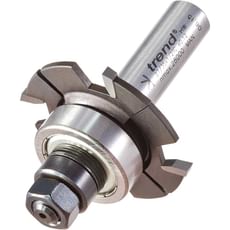
- Variable Kerf Groover - An adjustable router cutter that allows width modification to accommodate different material thicknesses without requiring multiple fixed-width bits. Adjustment is typically achieved through shims or threaded positioning mechanisms, making these cutters particularly valuable for biscuit jointing and panel grooving operations.
- Intumescent Recess - A specialised, precise groove cut into fire door edges to accommodate intumescent strip, which expands when exposed to heat to seal gaps and maintain fire resistance ratings required by Building Regulations. Requires consistent cutting depth and clean edges for proper strip installation.
- Housing Cutter - A router bit designed to create grooves or recesses across the grain of timber, commonly used for shelf installations, panel housing in cabinet construction, and creating joints where one component sits within a groove cut into another.
Who Uses General Cutting Bits?
General cutting bits are indispensable tools for a wide range of woodworking professionals and skilled DIY enthusiasts:
- Joiners and Carpenters - for creating architectural mouldings, door and window profiles, scribing work, and decorative timber features in both new build and renovation projects
- Kitchen Fitters - for worktop joints, undermount sink and bowl recesses, decorative edge profiles on cabinetry, and scribing to uneven walls
- Shopfitters - for bespoke display units, commercial shelving systems, retail joinery, and custom fixtures requiring precise profiling and jointing
- Cabinet Makers - for precision housing joints, decorative mouldings, furniture construction, and creating traditional joinery details
- Fire Door Installers - for cutting intumescent strip recesses to meet Building Regulations Part B fire safety requirements
- Staircase Specialists - for handrail profiles, spindle work, string housing, and architectural detailing on bespoke staircases
- Restoration Specialists - for matching historical profiles, replicating period architectural features, and creating replacement mouldings for conservation projects
- Window Manufacturers - for glazing bar profiles, sash window components, and frame jointing operations
- Serious DIY Enthusiasts - for home improvement projects requiring professional-quality joinery, architectural detailing, and precision woodworking
How to Choose the Right General Cutting Bits
Application and Profile Type: Identify the specific task you need to accomplish. Different cutters produce distinct profiles - architrave cutters for decorative trim work, housing cutters for shelf jointing, glazing bar profiles for window manufacturing, bevel cutters for chamfered edges, and variable groovers for adjustable-width slots. Consider whether you need bearing guidance for freehand template work or a non-bearing cutter for router table operations with fence guidance.
Shank Size and Router Compatibility: Ensure your router bit shank matches your router's collet capacity. Whilst 8mm (1/4 inch) shanks are suitable for lighter profiling work, 12.7mm (1/2 inch) shanks offer superior rigidity, reduced vibration, and safer operation for demanding applications and larger diameter cutters. Never use reducing sleeves to fit larger shanks into smaller collets, as this compromises safety and cutting performance significantly.
Material Compatibility: TCT cutters from Trend are essential for cutting man-made boards like MDF, chipboard, and plywood, which rapidly blunt standard steel cutters. For hardwoods and extensive production runs, invest in quality tungsten carbide tipped bits with thick carbide tips that can be professionally resharpened multiple times, delivering better long-term value.
Bearing Position and Configuration: Bearing-guided cutters may feature top-mounted or bottom-mounted bearings, each suited to different routing scenarios and workpiece access requirements. Check the bearing diameter, as this determines the amount of material removed - some cutters offer interchangeable bearing options for profile adjustment flexibility.
Cutting Diameter and Router Power: Consider the maximum cutting dimensions relative to your router's power rating. Larger diameter profile cutters require more powerful routers (typically 1200W or above) to maintain safe operating speeds and prevent motor strain. Always respect the maximum speed ratings marked on the cutter packaging and never exceed recommended RPM limits.
Quality and Longevity: Premium Trend cutters offer superior carbide quality, precision grinding, balanced construction that reduces vibration, and extended cutter life. For professional tradespeople, the initial investment in quality cutters pays dividends through consistent performance, reduced replacement frequency, and the ability to achieve clean cuts without burning or tear-out.
Popular Accessories
- Router Tables - essential for safe, accurate use of larger profile cutters with improved workpiece control and fence guidance
- Guide Bushes and Template Sets - for precise pattern routing and consistent reproduction of complex shapes across multiple workpieces
- Collet Extensions - to increase reach when routing deeper recesses or working with restricted access situations
- Router Bit Storage Cases - to protect expensive TCT cutters from damage and keep them organised for efficient site work
- Replacement Bearing Sets - alternative-sized bearings to modify cutting profiles and extend the versatility of existing cutters
- Router Fences and Guide Rails - for straight-line routing operations without bearing guidance, particularly on router tables
- Dust Extraction Equipment - essential for managing fine dust produced during routing operations, particularly when cutting MDF
- Spare Collets - for quick bit changes between different shank sizes and ensuring secure cutter retention
- Router Speed Controllers - for adjusting RPM to suit different cutter diameters and material types safely
- Professional Sharpening Services - to maintain TCT cutting edges and extend tool life through expert carbide grinding
Safety Information
Personal Protective Equipment: Always wear safety glasses or a full face shield to protect against flying debris and wood chips. Use hearing protection, as routers generate noise levels exceeding HSE exposure limits during prolonged use. Wear a dust mask rated FFP2 or higher, or connect to proper extraction when routing MDF or treated timber, as fine dust presents respiratory hazards covered under COSHH regulations.
Cutter Installation and Inspection: Before fitting any cutter, disconnect the router from the 240v mains supply. Insert the bit shank fully into the collet, then withdraw approximately 1.5mm before tightening securely with the correct spanner - never allow the shank bottom to contact the collet base, as this prevents proper clamping. Inspect cutters for damage, cracks, missing carbide tips, or excessive wear before each use, and never operate damaged cutters.
Operating Speed and Feed Rate: Larger diameter cutters must run at reduced speeds to avoid dangerous rim speeds that can cause cutter failure - consult manufacturer guidelines and use your router's variable speed settings appropriately. Never force the cutter through material; excessive feed rates cause burning, poor finish quality, and potential kickback. Always feed against the cutter rotation direction to maintain control.
Workpiece Security: Ensure timber is properly secured with clamps, vices, or suitable workholding before routing - never attempt to hold small pieces by hand. When using bearing-guided cutters, the bearing must contact a smooth, continuous edge surface to prevent chattering, grabbing, or uncontrolled movement that could cause injury.
Router Power and Stability: Match cutter size to your router's power rating - underpowered routers struggle with large profile cutters, creating dangerous situations through motor strain and reduced bit speed. Keep both hands on the router at all times, maintain firm footing on stable ground, and never overreach. Allow the cutter to stop completely before setting the router down or making adjustments.
Frequently Asked Questions
What's the difference between bearing-guided and non-bearing router cutters?
Bearing-guided cutters feature a ball-bearing pilot that runs along the workpiece edge or template, controlling cutting depth automatically - ideal for freehand profiling, curved work, and template routing. Non-bearing cutters require a fence, guide rail, or router table for depth control, making them preferred for straight groove cutting and operations where the bearing would be redundant or obstruct access. Many professionals keep both types for different applications.
How often should TCT router bits be professionally sharpened?
Tungsten carbide tipped router cutters should be professionally sharpened when you notice burning marks on timber, increased effort required to feed material, rough or torn cut surfaces, or excessive vibration. For professional tradespeople routing abrasive materials like MDF daily, this might be every few months depending on usage intensity. Quality Trend cutters can typically be resharpened 3-5 times before carbide thickness becomes insufficient. Keep spare cutters on hand to avoid project downtime.
Can I use general cutting bits in a drill or angle grinder?
Absolutely not. Router cutters are precision-engineered for use exclusively in proper routers or spindle moulders operating at specific RPM ranges (typically 18,000-24,000 RPM for handheld routers). Using them in drills, angle grinders, or other inappropriate tools creates extreme danger from incorrect speeds, inadequate bit retention, lack of proper guarding, and unpredictable cutter behaviour. This practice violates HSE equipment use regulations and will cause serious injury.
Why do some cutters have variable adjustment features?
Variable kerf groovers and adjustable quad groove sets allow width adjustment to accommodate different material thicknesses without requiring multiple fixed-width cutters, which proves particularly valuable for biscuit jointing operations or creating grooves for panels of varying thickness. The adjustment mechanism typically uses precision shims or threaded positioning systems to alter the spacing between cutting wings whilst maintaining balance and safe operation throughout the adjustment range.
What causes router cutter burning and how can I prevent it?
Burn marks result from excessive friction, typically caused by blunt cutters, too-slow feed rates, router speeds that are too high for the cutter diameter, or making excessively deep cuts in one pass. To prevent burning: ensure cutters are sharp or professionally resharpened, increase feed rate whilst maintaining control, reduce router RPM for large-diameter bits, make multiple light passes rather than one heavy cut, and ensure adequate dust extraction to prevent chip build-up. Dense hardwoods and resinous softwoods are particularly prone to burning even with proper technique.