

Generators
Pay in 3 interest-free payments on purchases from £30-2000 with  . Learn more.
 Loading...
End of content
Error - No more pages to load
About Generators
Portable generators deliver reliable electrical power wherever mains supply is unavailable, making them indispensable equipment for tradespeople working on remote construction sites, outdoor events, and as emergency backup for homes and businesses. Whether you're running power tools at a new-build development without electrical connection, providing power for outdoor catering, or maintaining productivity during unexpected power cuts, a quality generator ensures you have the 240v supply needed to keep working.
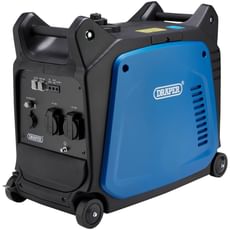
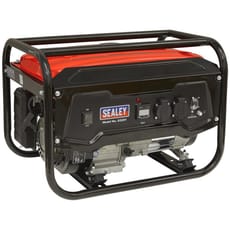
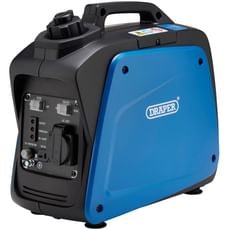
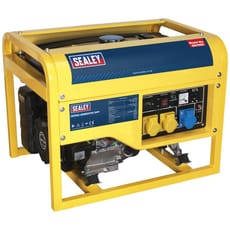
Modern generators are available in two primary configurations: conventional open-frame models and advanced inverter generators. Inverter technology produces exceptionally clean, stable power with minimal voltage fluctuation, making it ideal for sensitive electronics including laptops, mobile phones, and modern power tool battery chargers. These units also operate significantly more quietly and efficiently than traditional designs. The generator selection at Tooled-Up.com includes both petrol and diesel-powered models from trusted manufacturers like Draper and Sealey, with power outputs spanning from compact 700W inverter units perfect for camping and light DIY tasks, through to robust 7kVa generators capable of running multiple heavy-duty tools simultaneously on demanding commercial projects.
All generators stocked meet UK electrical standards and are engineered to deliver dependable 240v power compatible with standard 13A plugs and British equipment. Whether you require a lightweight inverter generator for occasional weekend projects or a substantial diesel unit for continuous site operation, Tooled-Up stocks models built to perform reliably in British weather conditions and withstand the rigours of professional trade environments.
Jargon Buster
- kVa (Kilovolt-Ampere): The measurement unit for a generator's power output capacity. A 2kVa generator typically produces approximately 1,600-1,800 watts of usable power, sufficient for operating most individual power tools.
- Inverter Generator: An advanced generator type that produces exceptionally clean, stable electricity with minimal voltage fluctuation, making it safe for powering sensitive electronic devices. Inverter models are characteristically quieter and more fuel-efficient than conventional generators, adjusting engine speed to match electrical demand.
- Open Frame Generator: Traditional generator design featuring an exposed engine and alternator assembly. Generally more affordable and simpler to maintain than inverter models, these units are ideal for running robust tools and equipment that don't require ultra-stable power supply.
- Rated Power vs Peak Power: Rated (or running) power represents the continuous wattage a generator can sustain indefinitely, whilst peak power indicates the maximum output it can briefly deliver during equipment startup. Always base purchasing decisions on rated power rather than peak specifications.
- Four-Stroke Engine: The most common generator engine type, operating on either petrol or diesel fuel. Four-stroke engines offer superior fuel efficiency and quieter operation compared to two-stroke alternatives, with separate oil and fuel systems that simplify maintenance requirements.
- AVR (Automatic Voltage Regulator): An integrated system that maintains consistent voltage output regardless of load variations, protecting connected equipment from potentially damaging power spikes and voltage drops.
Who Uses Generators?
Generators serve as essential equipment across numerous trades and applications:
- Builders and Construction Workers: Powering tools and equipment on new-build sites and remote locations without mains electricity connection
- Groundworkers and Civil Engineers: Running heavy-duty machinery on infrastructure projects, roadworks, and civil engineering sites
- Electricians: Testing electrical installations and providing temporary power during rewiring and refurbishment projects
- Landscape Gardeners: Operating power tools, pressure washers, and lighting equipment in gardens lacking outdoor sockets
- Events Industry Professionals: Supplying power for outdoor festivals, markets, exhibitions, and mobile catering operations
- Farmers and Agricultural Workers: Powering equipment in fields and outbuildings distant from farmhouse electrical supply
- Emergency Services and Utilities: Providing critical backup power during outages and emergency response situations
- Caravan and Camping Enthusiasts: Running appliances and charging devices during outdoor adventures and expeditions
- Homeowners: Emergency backup during blackouts and for DIY projects in sheds, garages, and gardens
- Mobile Businesses: Food trucks, mobile repair services, and market traders requiring reliable portable power sources
How to Choose the Right Generators
Calculate Power Requirements: Determine the total wattage of all equipment you'll operate simultaneously, then add 20-30% as a safety margin for startup surges. A 2kVa generator suits single power tools and light equipment, whilst 4-7kVa models handle multiple tools or larger machinery. Remember that electric motors can draw significantly more power during startup than normal operation.
Select Generator Type: Inverter generators command higher initial investment but deliver cleaner power for sensitive electronics, significantly quieter operation (typically 50-60dB compared to 70-80dB for open frame models), and superior fuel efficiency. They're ideal for residential areas and events where noise considerations matter. Traditional open-frame generators offer more economical solutions for heavy-duty trade applications where noise is less critical.
Choose Fuel Type: Petrol generators are lighter, quieter, and more affordable, making them popular for occasional use and portable applications. Diesel generators provide superior fuel efficiency, extended running times, and greater durability for continuous commercial operation, though they're heavier and noisier. Petrol suits most tradespeople and DIY users, whilst diesel is preferred for long-duration site work and high-utilisation scenarios.
Consider Runtime and Tank Capacity: Evaluate how long you need to operate between refuelling stops. Larger fuel tanks combined with efficient inverter technology can provide 8-10 hours of runtime at partial load, whilst smaller units may require refuelling every 3-4 hours under heavy use.
Assess Portability Needs: Compact generators under 20kg are genuinely portable for single-person transport. Mid-range units (20-50kg) benefit from integrated wheels and carrying handles. Larger site generators exceeding 50kg typically feature robust wheel kits for easier manoeuvrability. Consider transportation methods and whether you'll need to reposition the generator regularly throughout your workday.
Verify Socket Configuration: Ensure the generator provides appropriate outlets for your equipment – typically 240v 13A sockets for UK tools and appliances. Some models include 110V outlets for specific site equipment, whilst others offer multiple sockets for running several devices simultaneously.
Popular Accessories
- Generator Covers: Weatherproof protective covers for storage and transport, essential protection in Britain's damp climate
- Heavy-Duty Extension Leads: Industrial-grade extension cables rated for outdoor use and high wattage, enabling safe generator positioning away from work areas
- RCD Adapters: Residual current devices providing essential electrical safety protection, particularly important on construction sites for HSE compliance
- Generator Oil: Four-stroke engine oil for regular maintenance; always maintain spare supplies for oil changes
- Fuel Stabiliser: Prevents petrol degradation during storage periods, essential if your generator remains unused for extended durations
- Wheel Kits: Aftermarket wheeled trolleys making larger generators easier to manoeuvre across sites and uneven terrain
- Security Chains and Locks: Essential theft protection for valuable equipment on sites, particularly during overnight storage
Safety Information
Carbon Monoxide Risk: Never operate a generator indoors, within enclosed spaces, or closer than 5 metres to buildings. Generators produce deadly carbon monoxide gas which is colourless, odourless, and potentially fatal. Always position generators in well-ventilated outdoor locations downwind of occupied spaces.
Electrical Safety: Use an RCD (residual current device) when powering equipment, particularly on construction sites where this is an HSE requirement. Ensure proper earthing and never overload beyond rated capacity. Allow the generator to cool completely before refuelling, and store fuel safely away from the running engine.
Noise Considerations: Be mindful of noise levels, particularly in residential areas. Check local authority regulations regarding permitted working hours and noise limits. Inverter generators operate significantly more quietly and are considerably more neighbour-friendly than conventional models.
Maintenance Requirements: Regular maintenance is essential for safety and performance. Check oil levels before each use, clean or replace air filters regularly, and service the engine according to manufacturer schedules. Poor maintenance can lead to dangerous carbon monoxide buildup and premature engine failure.
Frequently Asked Questions
What size generator do I need to run power tools?
For operating a single power tool, a 2-2.5kVa generator typically provides sufficient capacity for most applications including circular saws, drills, angle grinders, and sanders. If you need to run multiple tools simultaneously or larger equipment such as concrete mixers or air compressors, opt for 4kVa or higher. Always check your tool's wattage rating and remember that startup power draw can be 2-3 times the running wattage, particularly for equipment with electric motors.
What's the difference between an inverter generator and a standard generator?
Inverter generators produce cleaner, more stable electricity with consistent voltage and frequency, making them suitable for sensitive electronics including laptops, phones, and modern tool battery chargers. They run significantly quieter (often half the noise level of conventional models) and offer superior fuel efficiency by adjusting engine speed to match electrical demand. Standard open-frame generators are more affordable, simpler to repair, and often provide more power for the money, making them ideal for robust trade tools that don't require ultra-stable power supply.
Can I use a generator in the rain?
Whilst generators are designed for outdoor use, they shouldn't be operated in direct rainfall. Water can damage electrical components and create serious electrocution hazards. If you must use a generator during wet weather, position it under suitable cover that still allows adequate ventilation – never enclose a generator completely as this creates dangerous carbon monoxide buildup. Many tradespeople use purpose-built generator canopies or weather-resistant tents that provide protection whilst maintaining airflow.
How long will a generator run on a tank of fuel?
Runtime varies significantly based on fuel tank capacity, engine efficiency, and electrical load. A typical 2kVa inverter generator might run 6-8 hours on a full tank at 25% load, reducing to 3-4 hours at full capacity. Larger conventional generators with bigger tanks can operate 8-10 hours at half load. Diesel generators generally offer extended runtimes compared to equivalent petrol models due to superior fuel efficiency and larger tank capacities.
Do I need to earth my generator?
For construction site use and when powering multiple tools or sensitive equipment, proper earthing is essential for safety and may be required under UK regulations including BS 7671 wiring regulations and HSE site requirements. Many modern generators incorporate built-in earth bonding, but you should verify this feature and use an earth spike if necessary. When in doubt, consult a qualified electrician to ensure compliance with current electrical safety standards.