

Mitre Saws

Pay in 3 interest-free payments on purchases from £20-£3000 with  . Learn more.
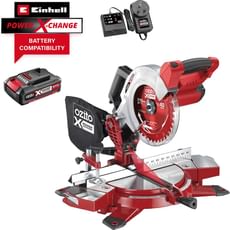
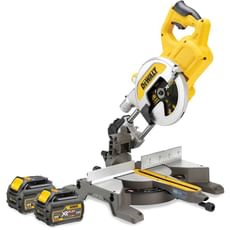
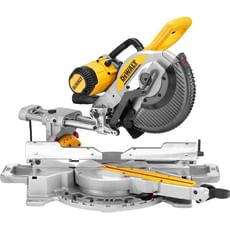
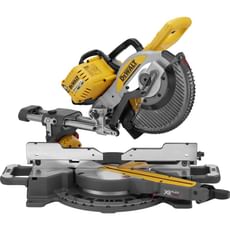
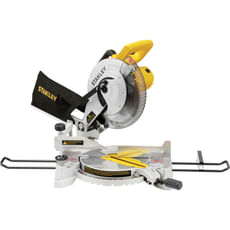
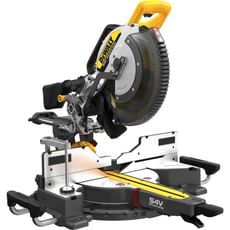
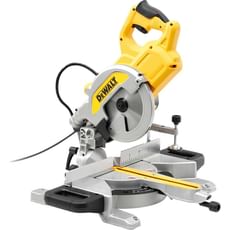
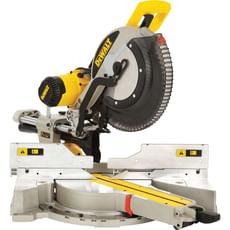
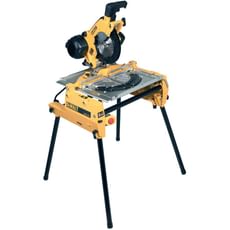
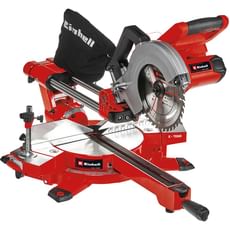
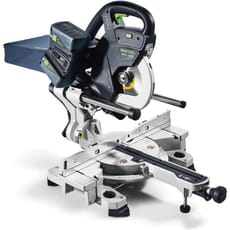
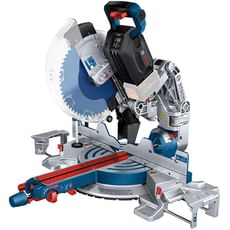
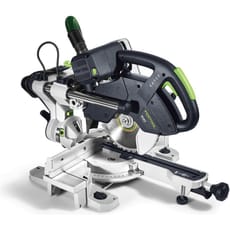
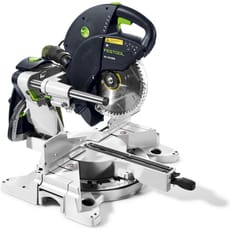
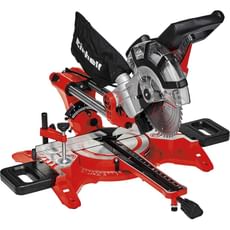
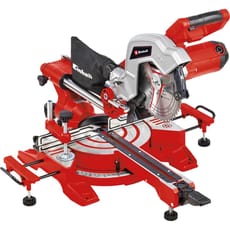
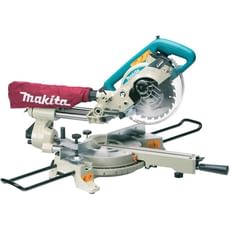
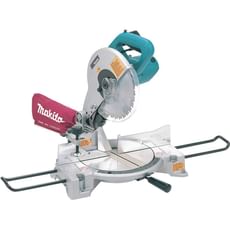
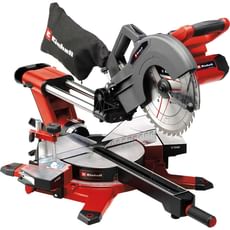
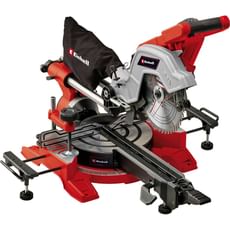
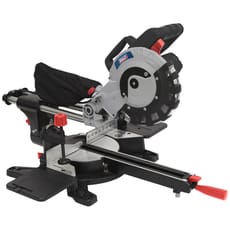
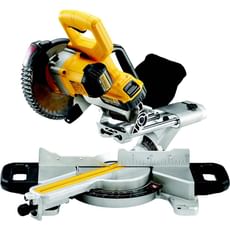
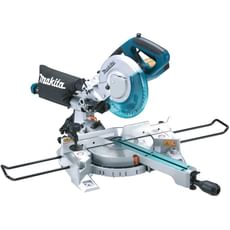
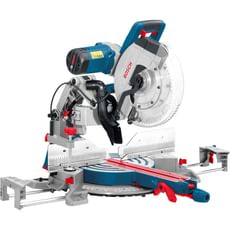
Einhell TE-SM 36/10 L Li 36v Cordless Sliding Compound Mitre Saw 254mm
in stock
 Loading...
End of content
Error - No more pages to load
About Mitre Saws
Mitre saws are essential power tools designed specifically for making precise crosscuts and angled cuts in a variety of materials. These dedicated cutting machines feature a circular saw blade mounted on a pivoting arm that swings down onto the workpiece, allowing operators to achieve accurate cuts at various angles quickly and efficiently. Whether you're cutting timber for door frames, installing skirting boards, or preparing materials for intricate joinery work, a mitre saw delivers the speed and precision that hand tools simply cannot match.
The selection at Tooled-Up.com includes three main types of mitre saws to suit different applications and budgets. Standard mitre saws offer straightforward angled cutting in a compact, portable package that's ideal for basic carpentry tasks. Compound mitre saws add a tilting head mechanism, enabling bevel cuts for more complex work such as coving and crown moulding installation. Sliding compound mitre saws (SCMS) incorporate rails that allow the blade to travel through the workpiece, significantly increasing cutting capacity whilst maintaining all the benefits of compound action. For professionals and serious DIY enthusiasts, cordless models from leading brands like Makita, DeWalt, and Bosch Professional provide the ultimate in portability without compromising on cutting performance.
Modern mitre saws accommodate blade sizes typically ranging from 184mm to 305mm diameter, with 216mm being particularly popular for general-purpose work. Whilst primarily designed for cutting wood, many models fitted with appropriate blades can also handle aluminium, plastic, and other non-ferrous materials, making them versatile additions to any workshop or job site.
Jargon Buster
- Mitre Angle: The horizontal angle at which the saw blade cuts across the face of the workpiece. Most saws mitre left and right from 0° to at least 45°, with common preset stops at frequently used angles.
- Bevel Angle: The vertical tilt of the saw blade, allowing cuts through the thickness of the material at an angle. Compound saws typically bevel to 45° in one direction, whilst double-bevel models tilt both left and right without requiring the workpiece to be flipped.
- Crosscut Capacity: The maximum width of material the saw can cut through when set at 90°. This capacity reduces when cutting at mitre or bevel angles. Sliding saws offer significantly greater crosscut capacity than non-sliding models with the same blade diameter.
- Depth of Cut: The maximum thickness of material the saw can cut through completely. This varies depending on the blade size and whether the cut is straight, mitred, or bevelled.
- Laser Guide or LED Shadow Line: Cutting aids that project a line or shadow onto the workpiece showing exactly where the blade will cut, improving accuracy and reducing waste.
- Flip-Over Saw: A combination tool that functions as both a mitre saw and a table saw, with the motor unit rotating between two positions to suit different cutting requirements.
Who Uses Mitre Saws?
Mitre saws are indispensable tools for a wide range of trades and applications:
- Carpenters and Joiners: For cutting architrave, skirting boards, door frames, and general timber preparation
- Cabinet Makers: Precision cutting of components for fitted furniture and bespoke joinery projects
- Shopfitters: Creating accurate cuts for retail displays, fixtures, and interior installations
- Decking Installers: Cutting deck boards, balustrades, and framing timbers to precise lengths and angles
- Flooring Specialists: Trimming laminate, hardwood, and engineered flooring materials
- Roofers: Cutting roof timbers, fascias, and soffit boards
- General Builders: For a variety of first and second fix carpentry tasks on site
- Set Designers and Theatrical Carpenters: Building stage sets and props requiring precise angled cuts
- DIY Enthusiasts: Home renovations, garden projects, and workshop woodworking
How to Choose the Right Mitre Saws
Selecting the appropriate mitre saw depends on several key considerations that match the tool's capabilities to your specific requirements:
Sliding vs Non-Sliding: If you regularly work with wider materials such as floor joists, stair treads, or large trim boards, a sliding mitre saw is essential. Non-sliding models are lighter, more compact, easier to transport, and typically more affordable – perfect for contractors who prioritise portability or those working mainly with narrower stock.
Blade Size: This directly affects cutting capacity. A 216mm blade suits most carpentry and joinery work, handling common material widths with ease. Larger 250mm or 305mm blades are necessary for cutting wider boards or thicker structural timbers in a single pass.
Power Source: Traditional 240v corded models deliver consistent power and unlimited runtime, ideal for workshop use. Cordless 18v or 54v battery-powered saws from brands like DeWalt, Bosch, and Makita offer unmatched portability for site work where mains power isn't readily available, though runtime and maximum cutting capacity may be reduced.
Compound Action: If your work involves cutting coving, crown moulding, or any application requiring bevel cuts, choose a compound or sliding compound mitre saw. Single-bevel models tilt in one direction (usually left), whilst double-bevel saws tilt both ways, eliminating the need to flip workpieces and saving considerable time on complex projects.
Motor Power: For 240v models, look for motors rated between 1,400W and 2,000W for general use. Higher wattage provides more cutting power through dense hardwoods and maintains blade speed under load.
Features and Accuracy: Quality mitre saws from professional brands available at Tooled-Up include features such as laser guides or LED shadow lines for improved cutting accuracy, dust extraction ports for cleaner working, extension tables for supporting longer workpieces, and positive stops at commonly used angles. Consider which features matter most for your typical applications.
Popular Accessories
- Mitre Saw Blades: TCT (tungsten carbide tipped) blades in various tooth counts for different materials – fine-tooth blades for clean finish cuts, coarse-tooth for ripping and general use, and specialised blades for aluminium or plastics
- Mitre Saw Stands: Portable folding stands with material supports for stable, ergonomic working, particularly valuable on site or in workshops with limited space
- Dust Extraction Equipment: Vacuum hoses, adapters, and dust bags to connect your saw to workshop extractors, maintaining visibility and reducing airborne dust
- Workpiece Clamps: Additional hold-down clamps and material stops for securing workpieces safely during cutting
- Extension Wings: Support tables that extend the saw's work surface for handling longer materials
- Laser Units: Aftermarket laser guides for older saws lacking integrated cutting aids
- Measuring Tools: Digital angle finders, combination squares, and measuring tapes for accurate marking and setup
- Blade Wrenches: Specialist spanners and blade-changing tools for safe maintenance
Safety Information
Mitre saws are powerful cutting tools that demand respect and proper safety practices. The spinning circular blade can cause severe injuries if safety protocols aren't followed diligently.
Essential Safety Practices: Always read and understand your machine's operating manual before first use. Never place hands in the cutting area whilst the blade is moving or the machine is connected to power. Ensure the blade guard is functioning correctly and never override or remove safety features. Allow the blade to reach full speed before beginning each cut, and wait for it to stop completely before raising the saw head or removing cut pieces.
Personal Protective Equipment: Wear safety glasses or a face shield to protect against flying debris, and use hearing protection as mitre saws generate significant noise levels. Dust masks are essential when cutting materials that produce fine particles. Avoid loose clothing, jewellery, or anything that could become entangled in the moving blade.
Work Environment: Ensure your mitre saw is positioned on a stable, level surface and securely fastened to a workbench or proper mitre saw stand. Maintain good lighting around the cutting area and keep the workspace clear of offcuts and clutter. Connect to dust extraction wherever possible to maintain visibility and reduce health risks from airborne particles.
Material Handling: Always secure workpieces properly using the saw's clamp or hold-down mechanism – never attempt to cut unsecured materials. Support long workpieces adequately on both sides of the cut to prevent binding or kickback. For further guidance, consult HSE (Health and Safety Executive) publications on woodworking machinery safety.
Frequently Asked Questions
What's the difference between a mitre saw and a chop saw?
Whilst the terms are sometimes used interchangeably, a mitre saw pivots to cut at various angles and is designed primarily for wood and softer materials. A chop saw (also called a cut-off saw or abrasive saw) typically cuts only at 90° and uses an abrasive disc rather than a toothed blade, making it more suitable for cutting metal, concrete, and masonry. Some manufacturers produce mitre saws specifically designed for metal cutting when fitted with appropriate blades.
Can I use a mitre saw to cut metal?
Yes, certain mitre saws can cut non-ferrous metals like aluminium when fitted with the correct blade designed for metal cutting. However, you must never use a standard wood-cutting blade on metal, as this is dangerous and will damage the blade. Always check your saw's manual to confirm it's rated for metal cutting, use appropriate blades with the correct tooth count and geometry, and reduce cutting speed if your saw has variable speed control. Never attempt to cut ferrous metals like steel on a standard mitre saw.
What size mitre saw do I need?
This depends on the widest material you typically cut. A 216mm blade will crosscut timber up to approximately 150-200mm wide on a sliding model, which covers most carpentry and joinery applications. If you regularly work with wider boards, floor joists, or large structural timbers, consider a 250mm or 305mm saw. Remember that sliding saws offer greater cutting capacity than non-sliding models with the same blade size.
Are cordless mitre saws powerful enough for professional use?
Modern cordless mitre saws from professional brands like DeWalt, Makita, and Bosch have made significant advances in recent years. High-voltage systems such as DeWalt's 54v FlexVolt and Milwaukee's 18v Fuel range deliver performance comparable to 240v models for most applications. They're particularly valuable for site work, first-fix carpentry, and situations where trailing cables pose hazards or aren't practical. However, for continuous heavy-duty use in a workshop setting, 240v models still offer unlimited runtime and slightly greater power reserves.
Do I need a compound mitre saw or will a standard one suffice?
If you only need to make straight crosscuts and simple mitre cuts (angled across the face of the board), a standard mitre saw will suffice and costs considerably less. However, if you install coving, cut crown moulding, create picture frames with bevelled edges, or undertake any joinery requiring cuts through the thickness of the material at an angle, a compound mitre saw is essential. Given the modest price difference and increased versatility, many professionals and serious DIY enthusiasts choose compound models even if they don't immediately require bevel cutting capability.