

Pit Jacks
Pay in 3 interest-free payments on purchases from £30-2000 with  . Learn more.
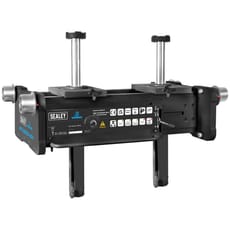
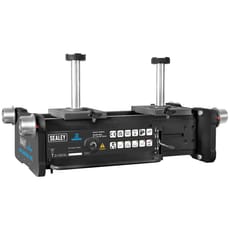
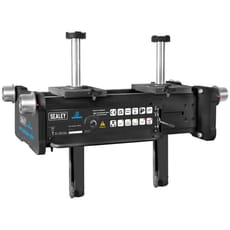
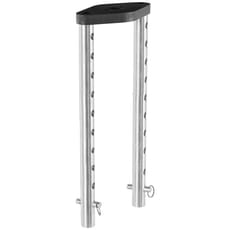
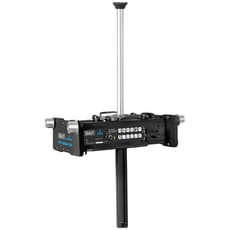
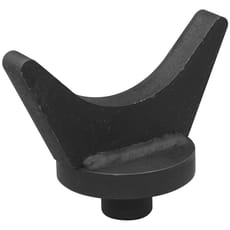
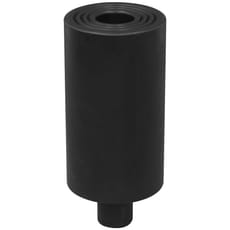
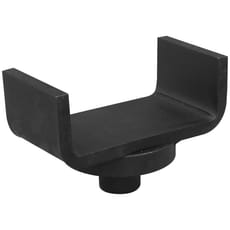
 Loading...
End of content
Error - No more pages to load
About Pit Jacks
Pit jacks are specialised lifting equipment designed for use in vehicle inspection pits and workshops where overhead clearance is limited but substantial lifting capacity is required. Unlike traditional floor jacks or vehicle lifts, pit jacks operate from below ground level, providing mechanics and technicians with safe, controlled access to vehicle undersides for maintenance, repair, and inspection work. These robust hydraulic lifting systems are essential in commercial workshops, MOT centres, and specialist vehicle servicing facilities where efficient underbody access is a daily requirement.
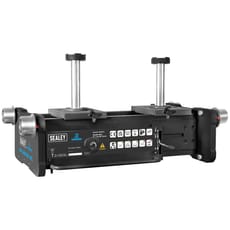
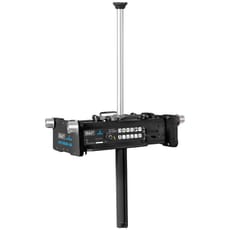
The selection at Tooled-Up.com features the comprehensive Sealey Viking pit jack range, encompassing single and double ram configurations with varying lifting capacities and heights. These professional-grade systems utilise heavy-duty hydraulic rams to deliver smooth, controlled lifting action, with models available in both standard and high-lift variants to suit different vehicle types and workshop requirements. Pit jacks typically feature safety stands that lock into position once the desired height is reached, ensuring vehicles remain securely elevated throughout service procedures.
Modern pit jacks are manufactured from hardened carbon steel with corrosion-resistant finishes, designed to withstand the demanding conditions of busy workshop environments. The modular nature of systems available from Tooled-Up means technicians can expand their setup with lifting height extensions, various adaptors, and dedicated safety stands, creating a bespoke lifting solution tailored to their specific workshop layout and the types of vehicles they regularly service.
Jargon Buster
- Single Ram vs Double Ram: Single ram pit jacks feature one hydraulic cylinder for lifting, whilst double ram systems use two rams working in tandem to provide increased lifting capacity and improved load distribution across the vehicle's chassis or axle.
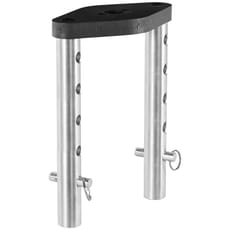
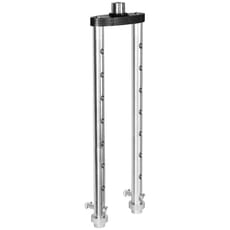
- Lifting Height Extension: Accessory components that increase the minimum lifting height of a pit jack, typically available in 100mm or 200mm increments, allowing the jack to accommodate vehicles with higher ground clearance or to reach elevated lifting points.
- Safety Stand: Mechanical locking device that engages once the pit jack reaches the required height, providing a fail-safe support system independent of hydraulic pressure to prevent accidental lowering during service work.
- U Adaptor and V Adaptor: Interchangeable lifting heads designed to accommodate different vehicle chassis profiles and axle configurations, with U-shaped adaptors suited to axle lifting and V-shaped variants ideal for chassis rails and jacking points.
- High Lift Configuration: Pit jack models designed with extended stroke lengths to achieve greater maximum lifting heights, essential for larger commercial vehicles, SUVs, or when additional working clearance is required beneath the vehicle.
- Hydraulic Ram: The pressurised cylinder that provides the lifting force in a pit jack system, typically operated via a manual pump handle or integrated hydraulic power unit to raise and lower the vehicle smoothly and controllably.
Who Uses Pit Jacks?
- Motor Vehicle Technicians: Professional mechanics working in garages and service centres who require regular, safe access to vehicle undersides for routine maintenance and repair work
- MOT Test Centres: Workshop operators conducting statutory vehicle inspections where thorough underbody examination is a regulatory requirement
- Commercial Vehicle Workshops: Facilities servicing vans, lorries, and HGVs where substantial lifting capacity and extended reach are necessary for larger vehicles
- Fast-Fit Centres: Tyre and exhaust specialists who need quick, efficient vehicle lifting for high-volume servicing operations
- Fleet Maintenance Facilities: Operations maintaining multiple vehicles where pit-based lifting provides space-efficient workshop layouts and consistent access to underbody components
- Specialist Vehicle Restorers: Classic car and restoration workshops requiring controlled, precise lifting for delicate or valuable vehicles during comprehensive refurbishment projects
- Agricultural Mechanics: Technicians servicing farm machinery and agricultural vehicles where pit jacks provide stable lifting solutions for heavy equipment
How to Choose the Right Pit Jacks
Lifting Capacity: Assess the maximum vehicle weights you'll be servicing regularly. Single ram systems typically suit lighter vehicles, whilst double ram configurations provide increased capacity for heavier commercial vehicles, SUVs, and loaded vans. Always select a pit jack with capacity exceeding your heaviest anticipated load.
Lifting Height Requirements: Consider both minimum and maximum lifting heights. Standard pit jacks suit most passenger vehicles, but high-lift variants are essential for vehicles with elevated ground clearance or when additional working space beneath the vehicle is required. Lifting height extensions can be added later to increase versatility.
Pit Dimensions: Measure your inspection pit carefully, including depth, width, and length. Ensure the pit jack system fits comfortably within your existing pit whilst allowing safe operation and adequate working space around the equipment. Consider whether single or double ram configurations best suit your pit layout.
Vehicle Types: Match the pit jack specification to your typical workload. Passenger car specialists may require different configurations than commercial vehicle workshops. Consider whether you service vehicles with varying chassis designs, as this may necessitate multiple adaptor types for different lifting points.
Safety Features: Prioritise systems with integrated or compatible safety stands that lock mechanically once the vehicle is raised. These provide essential fail-safe protection independent of hydraulic pressure, meeting HSE guidance for safe vehicle lifting operations.
Adaptor Compatibility: Verify which lifting adaptors are compatible with your chosen pit jack system. U-adaptors, V-adaptors, and extension pieces expand the versatility of your setup, allowing safe engagement with different vehicle chassis profiles and jacking points.
Popular Accessories
- Lifting Height Extensions: 100mm and 200mm extension pieces that increase minimum lifting height for vehicles with elevated ground clearance or chassis-mounted jacking points
- U-Adaptors: Cradle-style lifting heads designed to engage safely with vehicle axles and rounded chassis components
- V-Adaptors: Angled lifting heads suited to chassis rails, sills, and designated vehicle jacking points with varied profiles
- Safety Stands: Dedicated locking stands matched to specific pit jack models, providing mechanical support once the vehicle reaches working height
- Hydraulic Jack Oil: Replacement hydraulic fluid for maintaining optimal performance and smooth operation of the lifting system
- Rubber Lifting Pads: Protective contact surfaces that prevent damage to vehicle undersides and improve grip on painted or coated chassis components
- Pit Covers and Safety Barriers: Essential safety equipment for securing inspection pits when not in use, preventing accidental falls
Safety Information
Load Rating Compliance: Never exceed the manufacturer's stated lifting capacity. Always verify vehicle weight before lifting and ensure the pit jack specification is adequate for the load. Overloading can result in equipment failure and serious injury.
Safety Stand Usage: Always engage safety stands once the vehicle reaches the required height. Never rely solely on hydraulic pressure to maintain vehicle elevation. Safety stands provide mechanical support independent of the hydraulic system, protecting against accidental lowering due to seal failure or pressure loss.
Correct Positioning: Ensure the pit jack engages with designated vehicle lifting points or load-bearing chassis components. Consult vehicle service documentation to identify appropriate jacking locations. Lifting from unsuitable points can damage vehicle structures or cause unstable loading.
Regular Inspection: Examine pit jacks before each use, checking for hydraulic leaks, damaged components, and proper operation of safety mechanisms. Worn or damaged equipment should be withdrawn from service immediately and repaired by competent personnel in accordance with manufacturer guidelines.
Stable Ground: Verify that the pit floor is level, solid, and free from debris before positioning the jack. Uneven surfaces or contamination can affect stability and safe operation. Keep the pit clean and well-maintained to ensure optimal equipment performance.
Clear Working Area: Maintain adequate space around the pit jack during operation. Ensure no personnel are positioned beneath the vehicle during lifting or lowering, and that all technicians are clear of the lifting path. Follow HSE guidance for safe working practices in vehicle workshops.
Frequently Asked Questions
What's the difference between single ram and double ram pit jacks?
Single ram pit jacks feature one hydraulic cylinder and are generally suited to lighter passenger vehicles, offering compact dimensions ideal for smaller inspection pits. Double ram systems utilise two hydraulic cylinders working together, providing increased lifting capacity and improved load distribution, making them suitable for heavier vehicles including vans, SUVs, and light commercial vehicles. Double ram configurations also tend to offer greater stability when lifting vehicles with uneven weight distribution.
Can I use lifting height extensions with any pit jack model?
Lifting height extensions are typically designed for specific pit jack models and should only be used with compatible systems as specified by the manufacturer. The Sealey Viking range features extensions with standardised connection dimensions designed to work with their pit jack systems. Always verify compatibility before purchasing extensions, as using incompatible components can compromise lifting stability and safety.
How often should pit jacks be inspected and maintained?
Visual inspections should be conducted before each use, checking for hydraulic leaks, damaged components, and proper operation of safety mechanisms. More comprehensive servicing, including hydraulic fluid replacement and seal inspection, should be performed annually or according to the manufacturer's maintenance schedule, particularly in high-use commercial environments. Any equipment showing signs of wear, damage, or operational issues should be withdrawn from service immediately.
Do I need different adaptors for different vehicle types?
Yes, different vehicle chassis designs often require specific adaptor configurations for safe lifting. U-adaptors are generally suited to axle lifting and rounded chassis components, whilst V-adaptors work better with chassis rails and angled jacking points. Having multiple adaptor types increases the versatility of your pit jack system, allowing safe engagement with various vehicle designs encountered in busy workshop environments.
Are safety stands essential or just recommended accessories?
Safety stands are essential safety equipment, not optional accessories. HSE guidance requires that vehicles elevated for extended periods must be supported by mechanical means independent of the lifting device's hydraulic system. Safety stands provide this fail-safe protection, preventing catastrophic failure if hydraulic pressure is lost due to seal failure, valve issues, or accidental operation. Never work beneath a vehicle supported solely by hydraulic pressure.