

Saws
Pay in 3 interest-free payments on purchases from £30-2000 with  . Learn more.
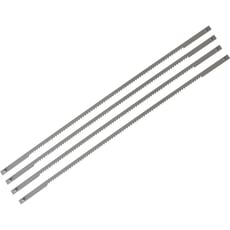
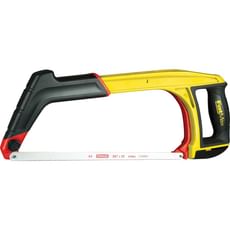
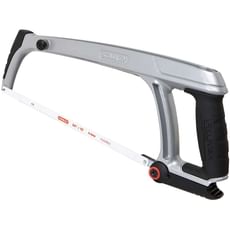
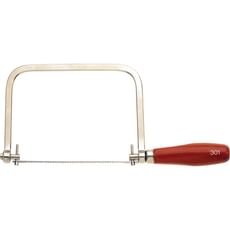
 Loading...
End of content
Error - No more pages to load
About Saws
Saws are among the most fundamental cutting tools in woodworking, metalworking, construction, and general trade work. From precision carpentry to rough site work, the right saw makes the difference between a clean, accurate cut and a frustrating, time-consuming struggle. Hand saws remain essential equipment for tradespeople and DIY enthusiasts alike, offering portability, control, and the ability to work in situations where power tools cannot reach or are impractical. Whether you're cutting timber joints, trimming architrave, or fabricating metal components, there's a specialised saw designed for the task.
The range of hand saws available at Tooled-Up.com encompasses everything from traditional carpenter's panel saws and tenon saws through to specialised tools like coping saws, hacksaws, and Japanese-style pull saws. Each saw type has evolved to excel at particular cutting applications, with blade geometry, tooth configuration, and handle design all optimised for specific materials and cutting actions. Understanding these differences helps you select the most efficient tool for your work, reducing effort and improving results.
Modern hand saw design combines centuries of craft tradition with contemporary materials and manufacturing precision. Quality saws from brands like Bahco, Stanley, and Irwin feature hardened and tempered steel blades that hold their edge longer, ergonomic handles that reduce hand fatigue, and precisely engineered tooth patterns that cut cleanly through wood, metal, or plastics. For professionals working across multiple trades or keen DIYers building a comprehensive toolkit, investing in the right selection of hand saws delivers long-term value and versatility on every project.
Jargon Buster
- TPI (Teeth Per Inch): The number of teeth along one inch of the blade. Higher TPI (14-20) produces finer, smoother cuts ideal for precise work, while lower TPI (6-10) cuts faster through thicker material but leaves a rougher finish.
- Kerf: The width of the cut made by the saw blade. A narrower kerf removes less material and requires less effort to push through the workpiece, whilst a wider kerf provides more clearance and reduces blade binding.
- Set: The outward bending of alternate teeth to either side of the blade, creating a cut wider than the blade thickness. Proper set prevents the blade from binding in the cut and allows sawdust to clear efficiently.
- Fleam: The angle at which saw teeth are sharpened across their face, affecting how aggressively the tooth cuts. Different fleam angles suit different materials and cutting directions (along or across the grain).
- Rip vs Crosscut: Rip saws have teeth designed to cut along the wood grain (with the fibres), whilst crosscut saws feature teeth engineered to sever fibres when cutting across the grain. Universal or hybrid tooth patterns can handle both operations.
- Pull Saw: A saw designed to cut on the pull stroke rather than the push stroke, common in Japanese saw designs. Pull saws can use thinner blades since they don't need to resist buckling under compression forces.
Who Uses Saws?
Hand saws are essential tools across numerous trades and applications:
- Carpenters and joiners - for precise timber cutting, joint work, and first and second fix carpentry
- Cabinet makers - for fine woodworking, dovetail joints, and detailed carpentry projects
- Plumbers - hacksaws for cutting copper pipe, plastic waste pipe, and metal fittings
- Electricians - for cutting cable trunking, plastic conduit, and access holes in timber joists
- General builders - for trim work, timber studwork, and situations where power tools are impractical
- Maintenance engineers - for repair work, cutting fixings, and fabrication tasks
- Shopfitters - for precise cutting of display components, trim, and joinery elements
- Set designers and theatre technicians - for scenery construction and prop making
- DIY enthusiasts - for home improvement, furniture projects, and general household repairs
- Model makers - fret saws and coping saws for intricate cutting work
How to Choose the Right Saws
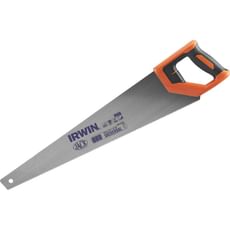
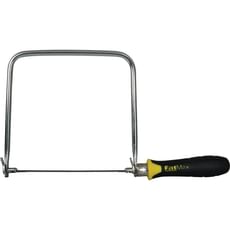
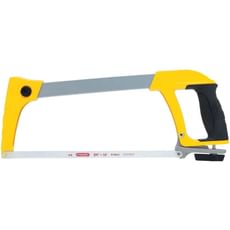
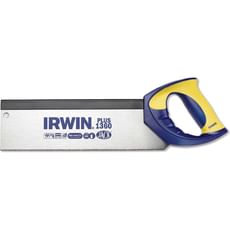
Identify Your Primary Cutting Tasks: Different saws excel at different jobs. Panel saws handle general timber cutting, tenon saws provide precision for joinery, hacksaws cut metal and plastic, whilst coping saws navigate curves and intricate shapes. Consider what materials you cut most frequently and select accordingly.
Tooth Configuration and TPI: Match the tooth count to your work. Fine-tooth saws (14-20 TPI) suit hardwoods, manufactured boards, and precision cuts requiring smooth finishes. Coarse teeth (6-10 TPI) cut faster through softwoods and thicker stock but leave rougher edges. For versatile performance, medium TPI (10-12) offers reasonable speed and finish quality.
Blade Length and Rigidity: Longer blades make faster work of large stock but require more clearance and storage space. Short blades offer better control in confined spaces. Blade thickness affects rigidity—thicker blades resist flexing during aggressive cutting, whilst thinner blades (especially pull saws) can navigate tighter curves and require less cutting effort.
Handle Design and Comfort: Since hand sawing involves repetitive motion, handle ergonomics significantly impact user fatigue and control. Traditional closed handles suit vertical cuts, open D-handles provide excellent control for bench work, and pistol-grip designs offer comfort during extended use. Test the grip if possible, ensuring it suits your hand size and working style.
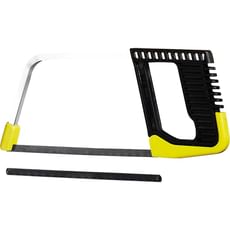
Blade Replaceability: Some saws feature replaceable blades whilst others require professional sharpening or replacement of the entire tool. Tooled-Up stocks both types—replaceable-blade hacksaws and coping saws offer convenience and consistent performance, whilst traditional fixed-blade saws can be professionally sharpened for decades of service.
Quality and Brand Reputation: Premium brands like Bahco, Stanley, and Irwin invest in precision manufacturing, quality steel, and proper heat treatment. These saws maintain sharp edges longer, cut straighter, and withstand professional use. For occasional DIY use, mid-range options provide good value, but tradespeople benefit from the durability and performance of professional-grade tools.
Popular Accessories
- Replacement saw blades - for hacksaws, coping saws, and fret saws in various TPI ratings
- Saw sharpening files and guides - to maintain and restore cutting edges on traditional saws
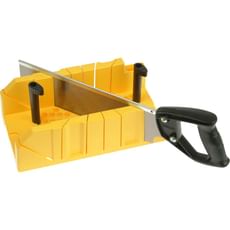
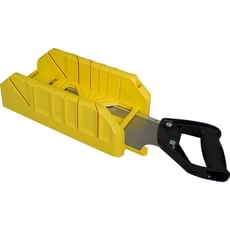
- Mitre boxes and bench hooks - for guiding accurate straight and angled cuts
- Saw sets - tools for adjusting tooth set and maintaining optimal blade geometry
- Marking and measuring tools - squares, marking gauges, and pencils for accurate cut lines
- Workbenches and vices - to secure workpieces safely during sawing operations
- Safety equipment - gloves, dust masks, and safety glasses for protection during cutting
- Saw storage solutions - blade guards and tool rolls to protect teeth and prevent injury
- Cutting lubricants - for metalworking with hacksaws to extend blade life and improve cut quality
Safety Information
Personal Protective Equipment: Always wear safety glasses or goggles when sawing to protect against flying debris and sawdust. Consider a dust mask when cutting treated timber or manufactured boards that may release harmful particles. Gloves can protect against splinters but avoid loose-fitting types that might catch on the workpiece or saw teeth.
Workpiece Security: Never attempt to saw material that isn't properly secured. Use a vice, clamps, or bench hooks to prevent the workpiece from moving during cutting. Unstable material can shift unexpectedly, causing the saw to bind, jump, or potentially injure the operator.
Blade Condition and Maintenance: Inspect saw blades regularly for damaged, broken, or excessively worn teeth. Dull or damaged blades require excessive force, increasing the risk of slipping and loss of control. Replace or sharpen blades before they become dangerously ineffective. Keep blades clean and lightly oiled to prevent rust.
Proper Cutting Technique: Maintain a stable stance with good balance when sawing. Let the saw's teeth do the work—excessive force causes fatigue, reduces accuracy, and increases accident risk. Keep hands and body parts clear of the cutting line. When finishing a cut, support the offcut to prevent it breaking away and splintering, which could cause the saw to jump.
Storage and Transport: Store saws with blade guards or in protective sleeves to prevent accidental contact with sharp teeth. When carrying saws around a workshop or site, keep the blade pointed downward and away from your body. Never leave saws balanced precariously where they might fall or be knocked onto someone.
Frequently Asked Questions
What's the difference between a rip saw and a crosscut saw?
Rip saws feature teeth designed to cut along the wood grain (parallel to the fibres), with a chisel-like tooth geometry that efficiently removes material in line with the grain direction. Crosscut saws have teeth angled to slice across wood fibres, producing cleaner cuts when working perpendicular to the grain. Universal or hybrid-tooth saws offer reasonable performance in both directions, making them popular for general-purpose work where you encounter both ripping and crosscutting tasks.
How often should I sharpen my hand saw?
This depends on usage intensity and the materials you're cutting. Professional carpenters working with abrasive materials like manufactured boards may need sharpening every few weeks, whilst occasional DIY users might go months or even years. Watch for signs of dullness: increased effort required, wandering cuts, burning or tear-out, and the saw tending to bind in the kerf. Many modern saws feature hardened teeth that cannot be resharpened but offer extended life before replacement becomes necessary.
Are Japanese pull saws better than traditional Western saws?
Neither design is inherently superior—they simply represent different approaches with distinct advantages. Japanese pull saws cut on the pull stroke, allowing thinner blades that require less effort and produce finer kerfs. They excel at precise, controlled cuts in softer woods. Western push saws offer more aggressive cutting in harder materials and feel more intuitive to users trained in European traditions. Many professionals keep both types for different applications, whilst beginners should choose based on the primary work they'll undertake and which style feels more comfortable.
What TPI should I choose for cutting hardwood versus softwood?
For hardwoods like oak, ash, or beech, select higher TPI (14-20 teeth per inch) to produce smooth cuts without tear-out, though cutting will be slower. Softwoods like pine or spruce cut well with medium TPI (10-12), offering a good balance of speed and finish quality. Very coarse saws (6-8 TPI) work for rough cutting thick softwood where finish quality isn't critical. If you work with both hardwoods and softwoods regularly, a 10-12 TPI universal saw provides versatile performance across most applications.
Can I cut metal with a wood saw or wood with a hacksaw?
Using saws outside their designed purpose produces poor results and can damage the tool. Wood saw teeth are too coarse and the wrong geometry for metal—they'll quickly dull or break. Conversely, whilst a hacksaw's fine teeth can technically cut wood, it's extremely inefficient and the teeth will rapidly clog with sawdust. Always use the appropriate saw type for your material. For users who need to cut both wood and metal regularly, maintaining separate dedicated saws ensures optimal performance and tool longevity.