

Straight Cutter Bits
Pay in 3 interest-free payments on purchases from £30-2000 with  . Learn more.
 Loading...
End of content
Error - No more pages to load
About Straight Cutter Bits
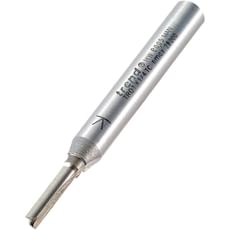
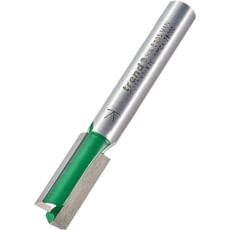
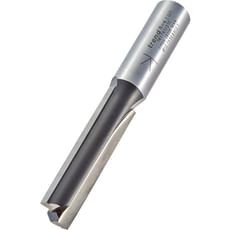
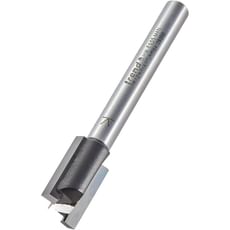
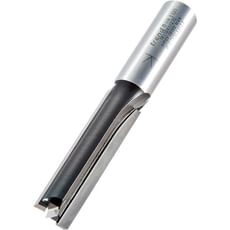
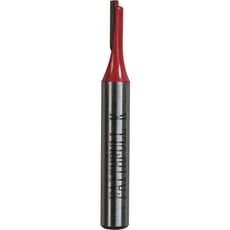
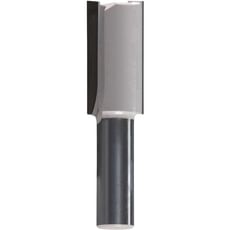
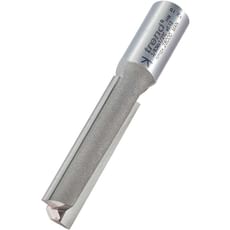
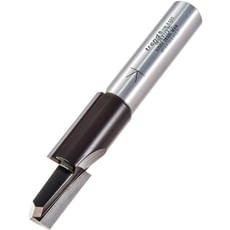
Straight cutter bits are among the most essential and versatile router cutters available to woodworkers and joiners. Designed to cut clean, flat-bottomed grooves, rebates, dadoes, and mortises in timber and board materials, these cutters form the backbone of many routing operations. Whether you're fitting cabinet hinges, creating housing joints for shelving, or machining worktop jig joints, straight cutter bits deliver precise, repeatable results across softwoods, hardwoods, MDF, plywood, and chipboard.
The straight cutter bits available from Tooled-Up.com feature tungsten carbide tipped (TCT) cutting edges brazed onto hardened steel bodies, offering exceptional durability and edge retention compared to high-speed steel alternatives. Available in single flute and two flute configurations with varying diameters, cutting lengths, and shank sizes, these cutters accommodate both handheld and table-mounted routers. Professional-grade options from manufacturers including Trend, Faithfull, Makita, Freud, and Draper ensure that tradespeople and serious DIY enthusiasts can select cutters suited to specific applications, from general purpose work to specialised tasks like worktop joining and template profiling.
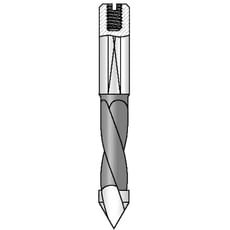
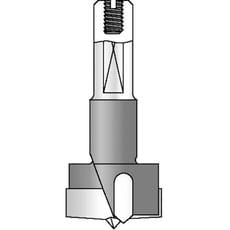
Modern straight router cutters incorporate design features that enhance performance and safety. Two flute designs provide faster cutting and improved waste clearance, whilst bearing-guided options enable accurate template work and edge profiling. Specialist variants such as cylinder boring bits for left-hand rotation and through drills for dowel holes demonstrate the breadth of capability within this seemingly straightforward cutter category.
Jargon Buster
- TCT (Tungsten Carbide Tipped): Cutting edges made from extremely hard tungsten carbide material, brazed onto a steel body. TCT cutters maintain sharpness significantly longer than HSS alternatives, particularly when machining abrasive materials like MDF and chipboard.
- Flute: The cutting edge and chip clearance channel on a router bit. Single flute cutters are suitable for softer materials and produce a fine finish, whilst two flute designs cut faster and are preferred for production work and harder timbers.
- Shank Diameter: The non-cutting shaft that fits into the router collet, typically available in 1/4" (6.35mm) or 1/2" (12.7mm) sizes. Larger diameter shanks provide greater rigidity and are essential for larger cutters to reduce vibration and deflection.
- Cutting Length: The usable depth of the cutter's cutting edges, determining the maximum depth of groove or housing that can be machined in a single pass. Deep pocket cutters feature extended cutting lengths for applications requiring greater depth capacity.
- Bottom Cut (Centre Cut): A cutter design where the cutting edges extend to the centre point, enabling plunge cutting directly into the workpiece rather than requiring edge entry. Essential for mortising and creating stopped grooves.
- Bearing Guided: Cutters fitted with a bearing that runs against a template or workpiece edge, controlling the cutting depth automatically and enabling accurate pattern routing and template profiling work.
Who Uses Straight Cutter Bits?
- Carpenters and Joiners: Creating housing joints, rebates for backs and bottoms in cabinet work, and hinge recesses in door hanging applications
- Kitchen Fitters: Machining worktop jig joints, cutting service channels for cables and pipework, and creating fixing slots in cabinetry
- Shopfitters: Producing dadoes and grooves for shelving systems, creating display unit components, and machining retail fixture assemblies
- Furniture Makers: Cutting mortises and tenons, creating grooves for drawer bottoms and panel assemblies, and machining precise joinery components
- Staircase Manufacturers: Machining housings for treads and risers, creating string grooves, and producing handrail components
- Signmakers: Routing lettering and designs, creating deep relief work, and machining templates for repeat production
- DIY Enthusiasts: General home improvement projects, furniture restoration, custom shelving construction, and woodworking hobbies
How to Choose the Right Straight Cutter Bits
Diameter Selection: Choose cutter diameter based on groove width requirements. Smaller diameters (6-10mm) suit hinge recesses and fine detail work, medium sizes (12-20mm) handle general grooving and housing joints, whilst larger diameters (25mm and above) are necessary for worktop joints and wide rebates. Remember that multiple passes with smaller cutters often produce cleaner results than single passes with oversized bits.
Cutting Length Considerations: Match cutting length to maximum depth requirements. Standard length cutters typically offer 20-35mm cutting depth, adequate for most joinery work. Deep pocket variants extend to 50mm or more for applications like staircase string housing and thick material machining. Longer cutting lengths increase cutter deflection risk, so always use the shortest cutter that meets depth requirements.
Shank Diameter: Use 1/2" shank cutters wherever your router collet permits, particularly for bits over 12mm diameter. The increased rigidity reduces vibration, improves finish quality, and enhances safety. Reserve 1/4" shank cutters for smaller diameter bits and lightweight routers with limited collet capacity.
Flute Configuration: Single flute cutters excel in softwoods and produce exceptionally clean finishes at slower feed rates, making them ideal for visible joinery. Two flute designs cut more aggressively, clear waste efficiently, and suit production environments where speed matters. The Tooled-Up range includes both configurations from manufacturers like Trend and Faithfull to accommodate different working preferences.
Material Compatibility: All TCT straight cutters handle softwoods, hardwoods, MDF, plywood, and chipboard effectively. For predominantly abrasive sheet materials like MDF, prioritise cutters with substantial carbide brazing and robust body construction. Premium professional-grade options from brands such as Trend and Freud offer superior carbide quality and extended service life in demanding production environments.
Specialist Features: Consider bearing-guided cutters for template work and pattern routing where consistent offset from an edge or template is required. Worktop jig cutters incorporate specific geometries for kitchen worktop joining systems. Through drills and cylinder boring bits serve specialised applications requiring precise hole production with routers.
Popular Accessories
- Router Collets and Collet Extensions: Precision collets ensure secure cutter retention and reduce runout; extension collets increase working depth capacity
- Guide Bushes: Essential for template routing, providing offset spacing between cutter and template edge for accurate pattern replication
- Router Tables and Fences: Enable safe, controlled routing operations with consistent depth and positioning, particularly valuable for production work
- Dust Extraction Accessories: Hood adaptors and hose connections maintain clean working environments and improve visibility during routing operations
- Straight Edges and Clamping Guides: Ensure straight, accurate cuts when using routers freehand; essential for groove and housing work
- Router Bit Storage Cases: Protect expensive TCT cutters from damage and keep cutting edges sharp between uses
- Cutter Sharpening Services: Professional resharpening extends cutter life considerably; many TCT bits can be resharpened multiple times
Safety Information
Speed Rating Compliance: Always verify that router speed settings don't exceed manufacturer's maximum RPM recommendations for the cutter diameter being used. Larger diameter cutters require proportionally slower speeds to maintain safe peripheral velocities. Consult cutter packaging and router documentation before operation.
Secure Mounting: Ensure cutters are inserted fully into the collet with at least three-quarters of shank length engaged, then tighten collet nuts firmly using appropriate spanners. Never rely on insufficient shank engagement, particularly with larger cutters generating substantial side loads.
Personal Protective Equipment: Always wear safety glasses or face shields when routing, as ejected chips can cause eye injuries. Hearing protection is essential given typical router noise levels of 95-105dB. Dust masks or respirators protect against wood dust exposure, particularly hazardous when machining MDF and hardwoods containing allergenic species.
Work Holding and Control: Secure workpieces firmly using clamps, vices, or hold-downs before routing. Never attempt to hold small components by hand whilst routing. Maintain firm two-handed control of handheld routers throughout operations, and feed cutters against rotation direction to prevent grabbing and kickback.
Electrical Safety: When using 240v routers, inspect cables for damage before use and employ RCD protection as recommended by HSE guidance. Disconnect power before changing cutters or making adjustments. Site work should utilise 110v transformers where practical to reduce electric shock risks.
Cutter Condition: Inspect cutters before use for damage, cracks, or carbide tip loss. Damaged cutters can fail catastrophically at operating speeds. Blunt cutters increase feed resistance, burn workpieces, and overload router motors. Replace or resharpen cutters showing wear or damage.
Frequently Asked Questions
What's the difference between single flute and two flute straight cutters?
Single flute cutters have one cutting edge and produce exceptionally smooth finishes, particularly in softwoods, though they cut more slowly. Two flute cutters feature two cutting edges, enabling faster feed rates, improved waste clearance, and better performance in harder materials and production environments. Tooled-Up stocks both configurations from manufacturers including Trend and Faithfull to suit different applications and working preferences.
How deep can I cut in a single pass with a straight cutter bit?
Maximum safe cutting depth depends on cutter diameter, material hardness, and router power. As a general guideline, limit depth per pass to half the cutter diameter in hardwoods and sheet materials, or full diameter in softwoods. For example, a 12mm cutter should cut no more than 6mm deep per pass in oak or MDF. Multiple shallow passes produce cleaner results and reduce cutter deflection compared to aggressive single passes.
Can I use straight cutter bits in a cordless router?
Yes, though battery-powered routers typically deliver less power than 240v corded equivalents, requiring more conservative feed rates and shallower depth passes. Use sharp cutters, take lighter cuts, and allow the motor to maintain speed without labouring. Smaller diameter cutters work more effectively in cordless routers than large bits demanding high torque.
How do I prevent burning when routing grooves with straight cutters?
Burning indicates excessive friction from blunt cutters, too-slow feed rates, or inappropriate router speeds. Ensure cutters are sharp, increase feed rate whilst maintaining control, and verify router speed suits cutter diameter. Multiple shallow passes generate less heat than single deep cuts. Allow cutters to cool between prolonged operations, and clear pitch buildup from cutting edges using resin remover solvents.
What shank size should I choose for my router?
Use 1/2" shank cutters wherever possible, as the increased diameter provides superior rigidity, reduced vibration, and safer operation, particularly with cutters over 12mm diameter. Only use 1/4" shank cutters when router collet capacity limits options or when working with smaller diameter bits where shank size is proportional to cutter size. Never use reduction sleeves to fit small shank cutters in large collets, as this compromises safety and precision.