

Tree Loppers
Pay in 3 interest-free payments on purchases from £30-2000 with  . Learn more.
 Loading...
End of content
Error - No more pages to load
About Tree Loppers
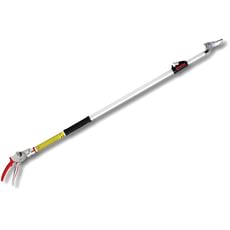
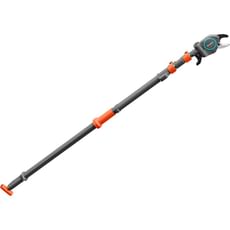
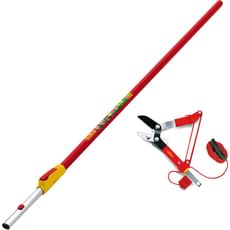
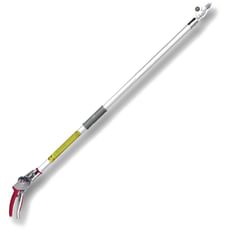
Tree loppers are essential long-reach cutting tools designed to prune, trim and maintain trees and tall shrubs without the need for ladders or climbing equipment. These specialised pruning tools combine extended handles or telescopic poles with sharp cutting heads, enabling gardeners and arboriculturists to safely reach high branches from ground level. Whether you're maintaining fruit trees, shaping ornamental specimens, or managing overgrown hedgerows, tree loppers provide the reach and cutting power needed to keep your outdoor spaces healthy and well-maintained.
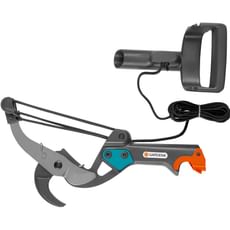
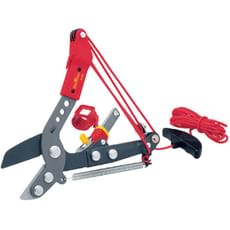
The range available from Tooled-Up.com includes both fixed-length and telescopic models, with cutting heads featuring bypass, anvil, or ratchet mechanisms to suit different branch thicknesses and wood types. Premium models from manufacturers like ARS, Bahco, and Gardena incorporate advanced features such as rotating heads for improved cutting angles, cut-and-hold mechanisms that prevent pruned branches from falling, and lightweight aluminium construction that reduces user fatigue during extended pruning sessions. Many professional-grade loppers feature hard chrome-plated blades that resist rust and corrosion whilst maintaining their sharp cutting edge season after season.
Modern tree loppers have evolved significantly from simple pole-mounted shears, now offering ergonomic grip designs, quick-release extension systems, and interchangeable cutting heads that transform a single tool into a versatile pruning system. Whether you're a professional landscaper maintaining commercial grounds or a dedicated gardener caring for domestic fruit trees, selecting the right tree lopper can make the difference between laborious, unsafe work and efficient, comfortable pruning from a stable ground position.
Jargon Buster
- Bypass Cutting Head: A cutting mechanism where a sharp blade passes by a counter blade in a scissor-like action, providing clean cuts ideal for living wood and green branches.
- Anvil Cutting Head: A design where a single sharp blade cuts down onto a flat surface (anvil), generating greater cutting force suitable for dead or dry wood.
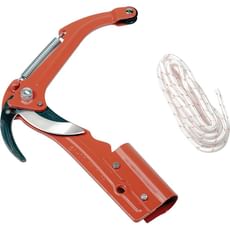
- Cut-and-Hold Mechanism: An innovative feature that grips the severed branch after cutting, preventing it from falling and eliminating the need to retrieve pruned material from the ground below.
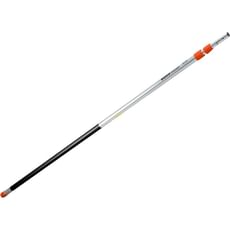
- Telescopic Extension: Adjustable pole sections that slide or lock into position, allowing the user to vary the reach length according to the height of branches being pruned.
- Ratchet Action: A cutting mechanism that progresses through branches in stages, requiring less hand strength per stroke and making it easier to cut through thicker branches.
- Rotating/Swing Head: A pivoting cutting head that can be angled in multiple directions without repositioning the entire pole, enabling precise cuts on awkwardly positioned branches.
Who Uses Tree Loppers?
- Professional Arborists and Tree Surgeons: For routine maintenance, formative pruning, and accessing lower canopy branches during tree care operations.
- Landscape Gardeners and Grounds Maintenance Teams: Essential for maintaining commercial properties, parks, estates, and public green spaces.
- Fruit Growers and Orchard Managers: For pruning fruit trees to optimise yield, improve air circulation, and maintain manageable tree heights.
- Garden Maintenance Contractors: Regular use when servicing multiple domestic and commercial gardens requiring seasonal pruning work.
- Estates and Facilities Managers: For maintaining trees and shrubs on educational campuses, healthcare facilities, and corporate grounds.
- Domestic Gardeners and Homeowners: Managing garden trees, ornamental shrubs, and overgrown hedge tops without hiring professional services.
- Allotment Holders and Smallholders: Maintaining fruit trees, managing boundary hedges, and controlling woody growth in productive growing spaces.
How to Choose the Right Tree Loppers
Reach and Extension Type: Determine the maximum height you need to reach regularly. Fixed-length loppers offer simplicity and rigidity, whilst telescopic models provide versatility for varying heights. Consider models extending from 1.5 to 4 metres depending on your tallest pruning requirements.
Cutting Head Type: Bypass heads deliver cleaner cuts on living wood and are preferred for healthy branches, whilst anvil designs provide greater cutting force for dead or seasoned wood. Ratchet mechanisms reduce the effort required for thicker branches, making them ideal for users with reduced hand strength or when tackling demanding pruning projects.
Weight and Material Construction: Aluminium poles significantly reduce fatigue compared to steel alternatives, particularly important when working overhead for extended periods. Lighter models from brands like ARS and Gardena typically weigh between 1-2kg, whilst maintaining sufficient rigidity for precise cutting control.
Cutting Capacity: Check the maximum branch diameter each model can handle, typically ranging from 20mm for lighter pruners to 50mm for heavy-duty loppers. Match the cutting capacity to your most common pruning tasks to avoid straining the tool or leaving ragged cuts.
Blade Quality and Maintenance: Hard chrome-plated or Japanese steel blades maintain sharpness longer and resist corrosion. Replaceable blades and serviceable cutting heads extend tool lifespan and prove more economical than disposable alternatives.
Additional Features: Cut-and-hold mechanisms are invaluable when working above flowerbeds or water features, rotating heads improve cutting angles on awkward branches, and comfortable grip designs reduce hand fatigue during extended pruning sessions. Tooled-Up stocks models with various feature combinations to match different budgets and requirements.
Popular Accessories
- Extension Poles: Additional pole sections and telescopic extensions to increase reach beyond the standard lopper length for exceptionally tall specimens.
- Replacement Cutting Heads: Interchangeable saw heads, bypass pruners, and ratchet loppers that convert pole systems into multi-functional pruning tools.
- Replacement Blades: Spare cutting blades and counter blades to maintain optimal cutting performance as original edges wear.
- Pruning Saws: Complementary hand saws and pole-mounted saws for branches exceeding lopper cutting capacity.
- Secateurs and Hand Pruners: For close-up detailed work and finishing touches after using long-reach loppers.
- Safety Equipment: Safety glasses, work gloves, and hard hats for protection against falling debris during overhead pruning operations.
- Maintenance Products: Blade sharpening tools, lubricating oils, and cleaning solutions to maintain cutting performance and prevent corrosion.
Safety Information
Always inspect the area above and around the tree before commencing work, checking for overhead power lines, unstable branches, and obstacles that might interfere with falling debris. Maintain a stable, balanced stance when operating tree loppers, and never overreach or work from unstable ground—reposition yourself rather than stretching beyond comfortable reach. Wear appropriate personal protective equipment including safety glasses to protect against falling wood chips, dust, and small branches.
Inspect your tree lopper before each use, checking for loose connections, worn blades, and damaged pole sections that could fail during operation. Never use tree loppers in wet conditions or during high winds, as both moisture and wind significantly increase the risk of losing control or experiencing unexpected branch movement. Be particularly cautious when cutting branches under tension, as they may spring back violently when severed—always position yourself to the side of the cutting line rather than directly beneath.
When working near power lines, maintain a minimum safe distance as specified by HSE guidance, or contact a qualified professional for work in proximity to electrical infrastructure. After completing pruning work, safely dispose of cut material and store your tree lopper in a dry location with blade covers fitted to protect both the cutting edge and prevent accidental injury.
Frequently Asked Questions
What's the difference between tree loppers and pole pruners?
The terms are often used interchangeably, though "tree loppers" typically refers to long-reach cutting tools with lopper-style cutting heads for branches up to 50mm diameter, whilst "pole pruners" may include lighter-duty pruning heads more suited to smaller branches. Both describe pole-mounted cutting tools designed for overhead pruning from ground level.
How do I maintain the blades on my tree loppers?
Clean blades after each use to remove sap and debris, then apply a light coating of oil to prevent rust. Sharpen bypass blades regularly using a diamond file or sharpening stone, maintaining the original bevel angle. Hard chrome-plated blades available on premium models from brands at Tooled-Up require less frequent sharpening but benefit from the same cleaning routine to maximise longevity.
Can tree loppers cut through thick branches?
Cutting capacity varies by model, with most tree loppers handling branches between 30-50mm diameter. For thicker branches, choose models with ratchet mechanisms that multiply cutting force, or consider using a pole-mounted pruning saw for branches exceeding your lopper's specified capacity. Forcing a lopper beyond its rated capacity risks damaging the tool and creating dangerous ragged cuts.
Are telescopic tree loppers as strong as fixed-length models?
Quality telescopic models from established manufacturers like ARS and Bahco offer comparable strength to fixed-length alternatives when properly locked in position. The key is selecting telescopic loppers with robust locking mechanisms and reinforced pole sections. Cheaper telescopic models may flex excessively, but professional-grade equipment provides excellent rigidity across the extended length.
What's the advantage of cut-and-hold mechanisms?
Cut-and-hold features grip the severed branch after cutting, allowing you to lower it to the ground in a controlled manner rather than letting it fall freely. This prevents damage to plants below, keeps paths and lawns clear of scattered debris, and eliminates the need to repeatedly collect fallen branches during extended pruning sessions—particularly valuable when working above flowerbeds, ponds, or patios.